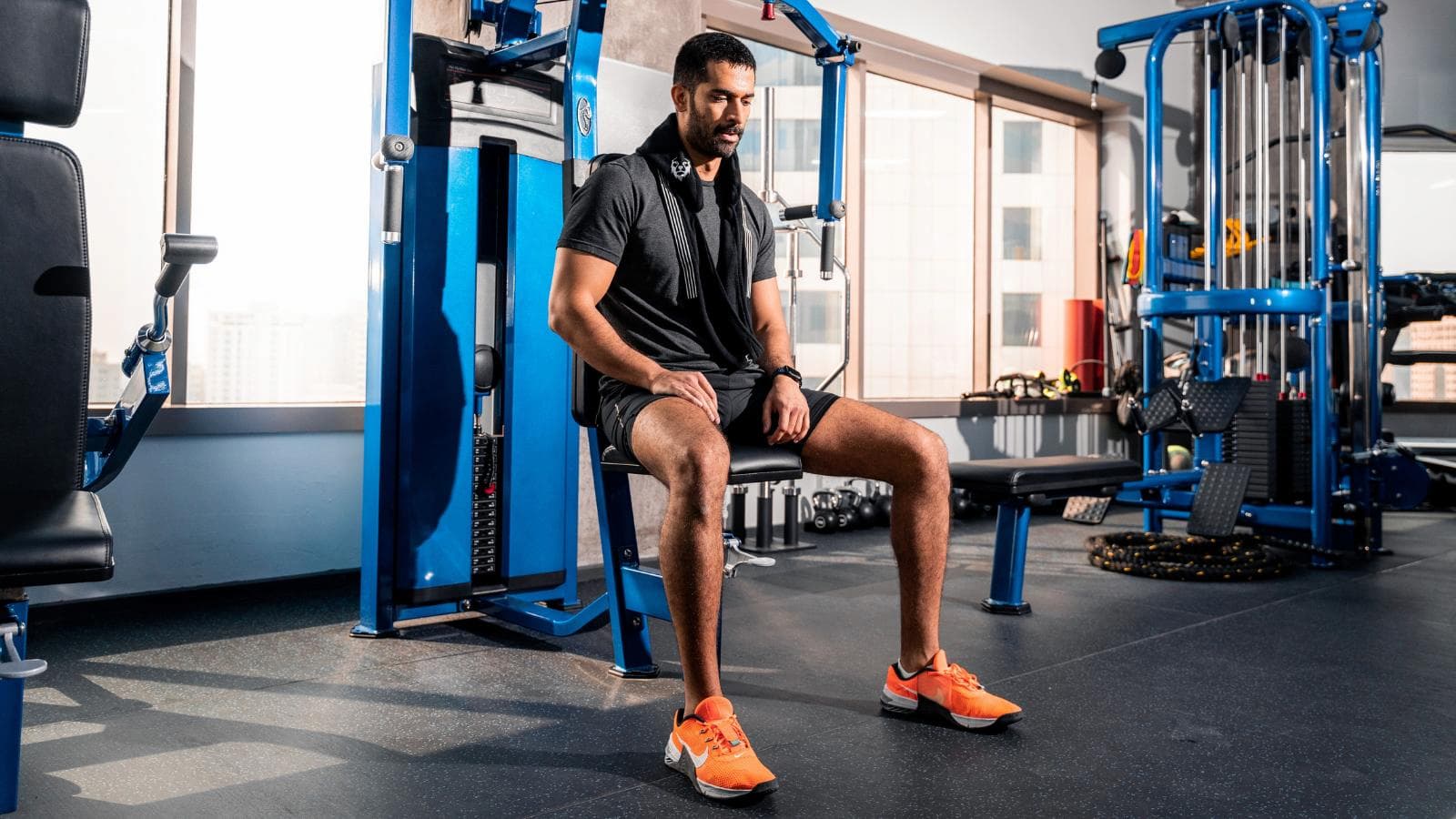


Small training changes can improve triathlon performance when they make your existing training more consistent, specific, or efficient. You do not necessarily need more weekly hours. Improving how you use the training time you already have can be more valuable than simply adding extra sessions. Triathlon creates a unique challenge because improvements must be balanced across three sports. Adding more cycling might help your bike fitness but leave your legs too tired for running, while excessive hard running can affect both recovery and swim quality. Every change needs to be considered within the complete training week. Useful improvements can be surprisingly simple. Slowing down easy sessions, practicing transitions, improving swim technique, fueling consistently, pacing the bike more carefully, or adding short strength sessions can all address weaknesses without completely rebuilding your program.
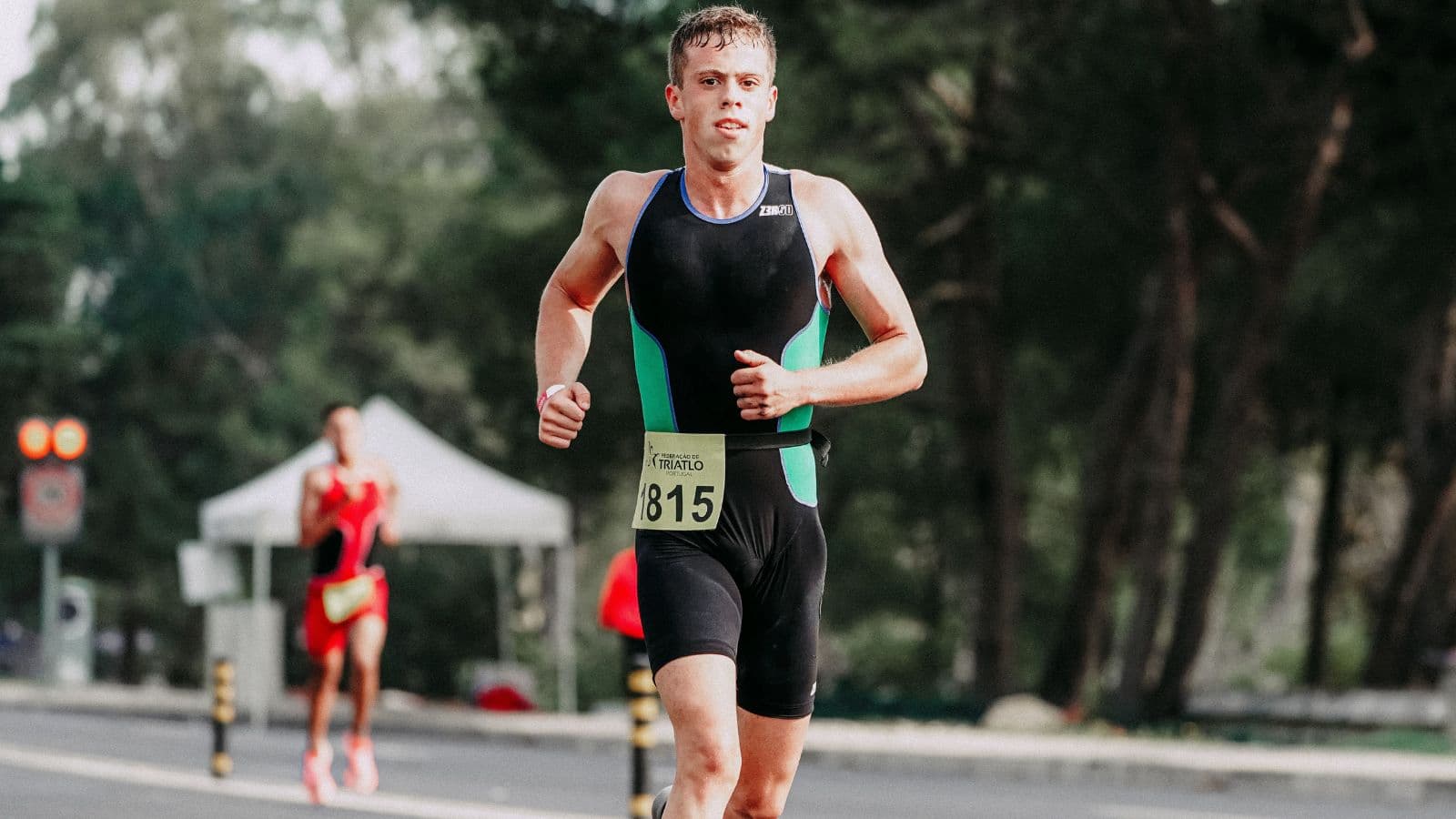
The goal is to identify the smallest change that solves a real problem. Change one or two things, give them enough time to work, and assess the results before adding something else. Sustainable improvements usually outperform dramatic training changes that create unnecessary fatigue.
In Short
- Make easy sessions genuinely easy.
- Give every hard workout a purpose.
- Practice transitions regularly.
- Improve technique before simply adding volume.
- Pace the bike with the run in mind.
- Fuel during key training sessions.
- Add short strength sessions.
- Protect sleep and recovery.
- Change one training variable at a time.
- Prioritize consistency.
Make Easy Training Easier
One useful change is simply reducing the intensity of sessions that are supposed to be easy. Triathletes can easily accumulate fatigue because swimming, cycling, and running all contribute to total training stress. If every session becomes moderately difficult, recovery between important workouts suffers.
Easy training supports:
- Aerobic fitness.
- Recovery.
- Training volume.
- Consistency.
- Better quality hard sessions.
Understanding why are slower training sessions important for triathletes helps explain why backing off occasionally can improve the quality of the entire week rather than reducing fitness.
Give Hard Sessions a Clear Purpose
Do not make a workout hard simply because you have time to train. Before beginning, know what you are trying to develop.
A hard session might target:
- Threshold.
- Speed.
- Hills.
- Race pace.
- Strength.
- Technique under fatigue.
If you cannot explain the purpose, additional intensity may not be necessary. A structured approach based on aerobic endurance workouts that every triathlete should know can help separate endurance development from sessions that genuinely require greater intensity.
Improve One Swim Detail at a Time
Swimming often responds well to technical improvements. Instead of trying to change your entire stroke during one workout, focus on one element.
That might be:
- Body position.
- Catch.
- Breathing.
- Rotation.
- Stroke timing.
- Sighting.
Small technical changes are easier to practice consistently. Using pool drills to improve triathlon swim technique can help isolate individual skills before integrating them into normal swimming.
Add Short Technique Blocks
Technique does not always need its own full workout. You can add short focused blocks to existing sessions.
For example:
- Swim drills during the warm up.
- Cadence practice during an easy ride.
- Running drills before faster running.
- Cornering practice during an easy bike session.
This approach improves skills without dramatically increasing weekly training time.
Pace the Bike for the Entire Race
A faster bike split is not useful if it destroys your run. One of the most effective small changes is learning to ride at an effort that leaves enough capacity for the final discipline.
During brick sessions, notice:
- How your legs feel after cycling.
- Whether your breathing settles quickly.
- How easily you find running rhythm.
- Whether bike intensity affects run pace.
Understanding how should you pace the bike to run better in a triathlon can help shift your focus from producing the fastest possible bike ride to producing the best overall race.
Practice Running Off the Bike
You do not need a long brick workout every week. Short transition runs can teach your body and mind what running after cycling feels like.
A brief run after selected rides can help you practice:
- Cadence.
- Posture.
- Pacing.
- Transition rhythm.
- Mental adjustment.
Keep many of these runs controlled.
The objective is familiarity, not turning every ride into a demanding brick workout.
Practice Transitions Before Race Week
Transitions are free performance opportunities because improving them does not require greater aerobic fitness.
Practice:
- Removing your wetsuit.
- Putting on your helmet.
- Changing shoes.
- Handling your bike.
- Organizing equipment.
- Starting the run calmly.
A few minutes of practice can remove hesitation and unnecessary movement. Following how can you improve your triathlon transition times can make transition skills part of training rather than something you first think about on race morning.
Improve Your Bike Handling
Fitness is only part of cycling performance.
- Poor cornering
- Braking
- Descending
- Gear selection
- can cost speed even when your power output is good. Include skill practice on appropriate roads or controlled environments.
Focus on:
- Looking through corners.
- Smooth braking.
- Gear selection.
- Stable body position.
- Confident descending.
Small improvements in bike control can make existing fitness more useful on race day.
Use Fueling During Training
Do not separate nutrition completely from training. Longer sessions provide an opportunity to practice what you plan to consume during racing.
Test:
- Carbohydrate sources.
- Fluid intake.
- Timing.
- Product concentration.
- Gastrointestinal tolerance.
Fueling practice becomes particularly important as race duration increases. Using how to fuel for a triathlon (complete guide) can help you match intake to training and race demands rather than waiting until race week to create a nutrition plan.
Make Recovery More Deliberate
Recovery does not require complicated technology.
Small improvements can include:
- Going to bed consistently.
- Eating after demanding sessions.
- Scheduling easier days.
- Reducing intensity when unusually fatigued.
- Separating key workouts appropriately.
More training only helps when you can absorb it.
Understanding how much sleep does triathletes need to recover can help you treat sleep as part of the training process rather than something that competes with training time.
Add Small Amounts of Strength Work
Strength training does not have to become another major endurance session.
Short, consistent sessions can target:
- Glutes.
- Calves.
- Hamstrings.
- Quadriceps.
- Hips.
- Trunk.
- Upper body where useful for swimming.
Start with manageable work and maintain good technique. Strength should support your swim, bike, and run rather than leaving you too sore to complete them properly.
Stop Chasing Every Metric
Power, pace, heart rate, cadence, distance, and training load can all provide useful information. You do not need to optimize every number simultaneously. Choose metrics that answer useful questions.
For example:
- Was the easy run controlled?
- Did bike power remain stable?
- Did swim pace improve at similar effort?
- Did your run deteriorate after cycling?
- Are you recovering between sessions?
Data should support decisions rather than create another source of pressure.
Adjust Training When Time Is Limited
Missing a planned two hour workout does not mean the entire day is wasted. When time becomes limited, preserve the most important part of the session.
You might:
- Shorten an easy ride.
- Reduce unnecessary warm up time.
- Complete a focused indoor session.
- Move strength work.
- Prioritize the week’s key workout.
Following how should you adjust triathlon training when time is limited can help you protect consistency without trying to squeeze every missed minute into another day.
Make Your Training More Race Specific
As race day approaches, gradually include more training that reflects your event.
Consider:
- Race terrain.
- Expected weather.
- Open water conditions.
- Bike position.
- Race pace.
- Fueling.
- Transition skills.
You do not need to simulate the complete race every weekend.
A few specific details added to normal training can make race day feel much more familiar.
Change One Variable at a Time
If progress has stalled, resist changing everything.
Do not simultaneously:
- Increase volume.
- Add intervals.
- Change nutrition.
- Add strength.
- Replace equipment.
- Reduce recovery.
You will struggle to determine what actually helped. The principles in what are adaptations in a triathlon training plan can help you understand why training improvements require repeated exposure and enough time for your body to respond.
Consistency Beats Occasional Perfect Weeks
A perfect training week followed by exhaustion is less useful than months of sustainable work. Consistency allows small improvements to accumulate across all three disciplines. You do not need every session to be exceptional. You need enough good sessions, completed regularly, to move fitness forward. Following how can triathletes stay on track after missing a workout can also prevent one disrupted day from turning into an unnecessarily disrupted week.
Common Mistakes
- Making every workout moderately hard.
- Changing too many things at once.
- Ignoring swim technique.
- Riding too hard before brick runs.
- Waiting until race week to practice transitions.
- Neglecting bike handling.
- Testing new fueling only on race day.
- Sacrificing sleep for extra sessions.
- Treating one missed workout as a major setback.
Practical Tips
- Give each workout one main purpose.
- Keep easy sessions controlled.
- Add short skill blocks to normal training.
- Practice quick transitions regularly.
- Test fueling during longer sessions.
- Include short strength sessions.
- Review how the bike affects your run.
- Track recovery as well as performance.
- Keep useful changes long enough to assess them.
Actionable Takeaways
- Improve the training you already do before adding more.
- Focus on one weakness at a time.
- Practice race skills regularly.
- Protect consistency and recovery.