

Many triathletes believe that riding harder is the fastest route to becoming a stronger cyclist. High-intensity intervals, tough hill repeats, and all-out efforts certainly have their place in a training programme. However, when it comes to long-term cycling success in triathlon, consistency often matters far more than intensity. The athletes who make the biggest gains are rarely those who complete the hardest workouts. Instead, they are usually the ones who train regularly, recover properly, and build fitness steadily over weeks, months, and years. Whether you’re preparing for a sprint triathlon or an Ironman, consistent cycling training creates the foundation that allows every other aspect of performance to improve.
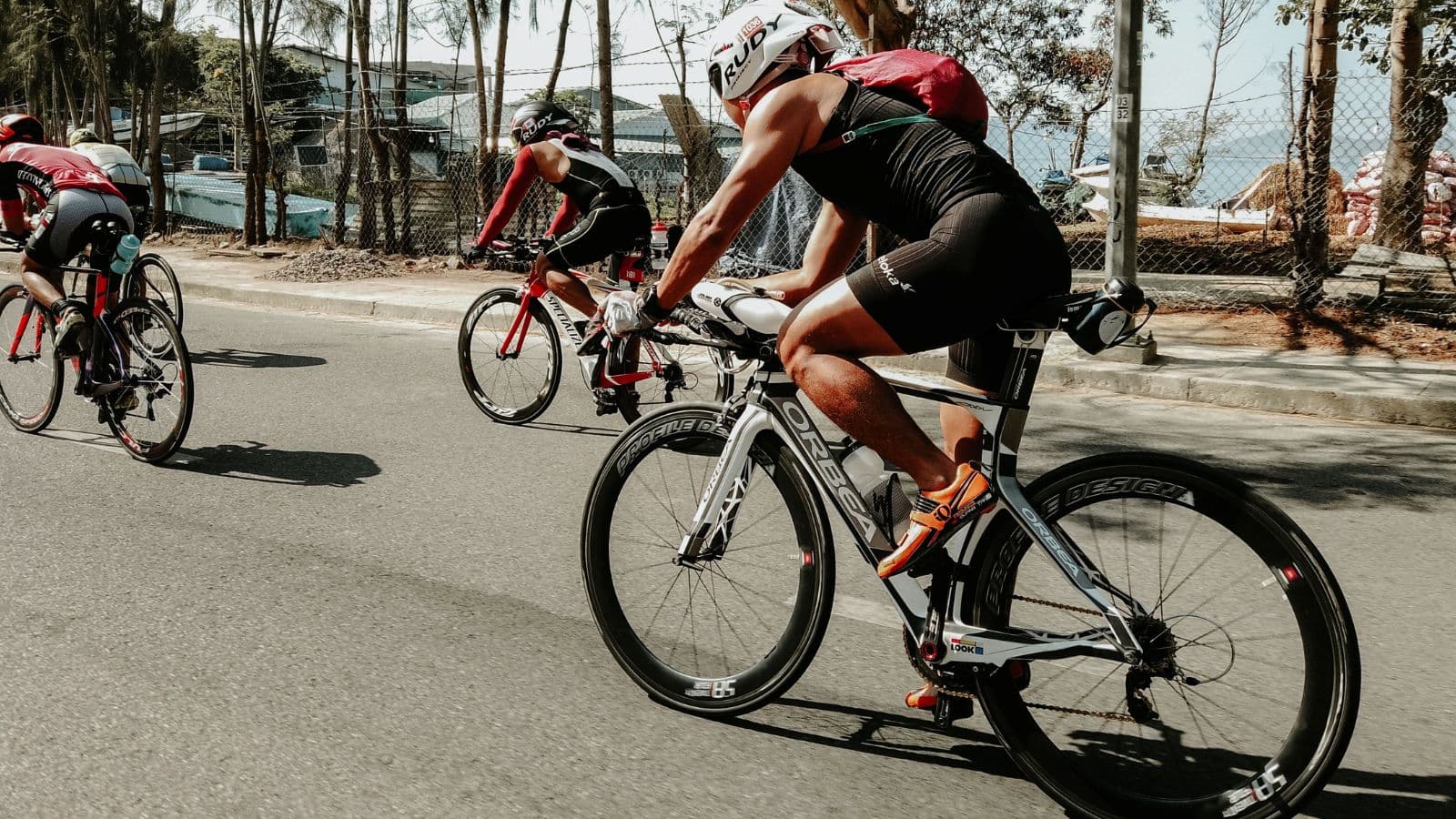
Fitness Is Built Through Repetition
Cycling fitness develops gradually.
The body adapts to training through repeated exposure to:
- Aerobic work
- Endurance sessions
- Structured workouts
- Recovery cycles
One exceptionally hard workout cannot replace weeks of consistent riding. Athletes who understand how to increase cycling power without burning out often realise that sustainable improvement comes from regular training rather than constantly pushing to exhaustion.
The body rewards consistency.
Aerobic Fitness Takes Time to Develop
The majority of triathlon cycling performance relies on aerobic fitness.
Building an aerobic engine requires:
- Frequent riding
- Gradual progression
- Patience
Athletes who understand how can working professionals train for a 70.3 triathlon often discover that even limited training time can produce excellent results when sessions are performed consistently.
Endurance is built one ride at a time.
Intensity Without Consistency Often Leads to Burnout
Many triathletes make the mistake of turning every ride into a hard workout.
This approach can lead to:
- Fatigue
- Reduced motivation
- Poor recovery
- Increased injury risk
Athletes who understand what strategies should triathletes follow for a better recovery know that adaptation only occurs when training stress is balanced with adequate recovery.
More intensity is not always better.
Consistent Training Improves Cycling Economy
Cycling economy refers to how efficiently a rider uses energy.
Regular training helps improve:
- Pedalling efficiency
- Muscle recruitment
- Aerobic capacity
- Fatigue resistance
Athletes who understand how does glucose monitoring affect training and recovery in a triathlon often recognise that efficiency plays a major role in endurance performance.
The more consistently you train, the more economical your riding becomes.
Missing Workouts Has a Bigger Impact Than Riding Slightly Easier
Many athletes worry that a workout wasn’t hard enough. In reality, the bigger problem is often missing training entirely. A moderately challenging ride completed consistently provides far more benefit than a perfect workout that never happens. Athletes who understand how can triathletes stay on track after missing a workout know that long-term progress depends on maintaining momentum.
Consistency compounds over time.
Recovery Improves When Training Is Sustainable
High-intensity training creates significant stress. While this stress can be beneficial, excessive intensity often reduces recovery quality.
Consistent training allows athletes to:
- Recover effectively
- Maintain motivation
- Complete more workouts
- Progress steadily
Athletes who understand how to recover faster after a triathlon appreciate that sustainable workloads often produce better results than constantly chasing fatigue.
Triathlon Requires Energy for Three Disciplines
Unlike pure cyclists, triathletes must balance:
- Swimming
- Cycling
- Running
Excessive cycling intensity can negatively affect performance elsewhere. Athletes who understand how to transition from a single-sport athlete to a triathlete often learn that balancing training across all three disciplines is essential.
Consistency supports that balance.
Consistency Builds Mental Confidence
Regular training sessions create confidence.
Each completed ride reinforces:
- Commitment
- Discipline
- Belief in the process
Athletes who understand what mindset helps triathletes perform at their best often recognise that confidence is built through repeated action rather than occasional standout performances.
Showing up matters.
Injury Risk Often Increases With Excessive Intensity
Hard sessions place greater demands on:
- Muscles
- Tendons
- Joints
- Recovery systems
Athletes who continually push maximum intensity may increase their risk of:
- Overuse injuries
- Excessive fatigue
- Training interruptions
Consistency becomes difficult when injuries disrupt training.
Healthy athletes usually make better progress.
Endurance Events Reward Consistency
Triathlon cycling success depends heavily on the ability to sustain effort. Race day is rarely won through short bursts of power.
Instead, success often comes from:
- Aerobic development
- Fatigue resistance
- Pacing control
Athletes who understand how to train for your first 70.3 triathlon in 20 weeks know that endurance performance is built through months of consistent preparation.
Adaptations Occur Gradually
The body requires time to improve:
- Cardiovascular fitness
- Muscular endurance
- Metabolic efficiency
Athletes who understand what are adaptations in a triathlon training plan know that meaningful improvements occur over many weeks rather than a few intense workouts.
Patience is part of the process.
Consistency Makes Intensity More Effective
This does not mean intensity is unimportant. High-quality workouts can provide valuable training stimuli.
However, intensity works best when supported by:
- Consistent training
- Adequate recovery
- Strong aerobic fitness

Athletes who understand mindset that helps triathletes to perform better often appreciate that chasing numbers without maintaining consistency rarely produces lasting results.
Intensity should complement consistency, not replace it.
Life Favors Consistent Athletes
Most triathletes balance training with:
- Careers
- Family commitments
- Travel
- Other responsibilities
Athletes who understand progressing from couch to triathlon often recognise that flexible, consistent training is more realistic than constantly seeking perfect workouts.
Life rarely follows a perfect schedule.
Common Mistakes Triathletes Make
Many athletes limit their cycling progress by:
- Riding too hard too often
- Neglecting recovery
- Chasing power numbers every session
- Skipping easier rides
- Training inconsistently
- Comparing themselves to others
- Ignoring fatigue
- Prioritising intensity over sustainability
Most of these mistakes can be avoided with a long-term perspective.
How to Prioritise Consistency
Triathletes can build stronger cycling fitness by:
- Following a realistic training plan
- Completing workouts regularly
- Managing recovery carefully
- Gradually increasing workload
- Avoiding excessive intensity
- Listening to their bodies
- Staying patient
- Focusing on long-term progress
The strongest triathlon cyclists are rarely those who train the hardest on any given day. More often, they are the athletes who continue showing up week after week, month after month, accumulating fitness through consistency.