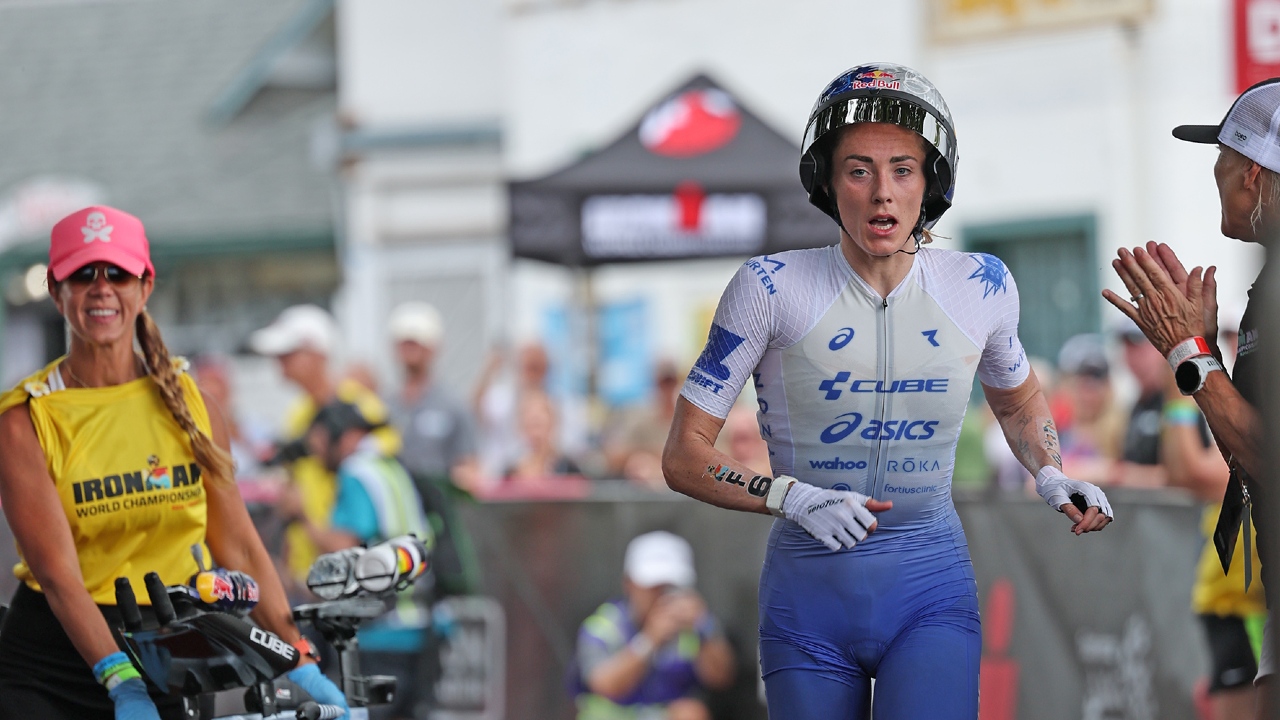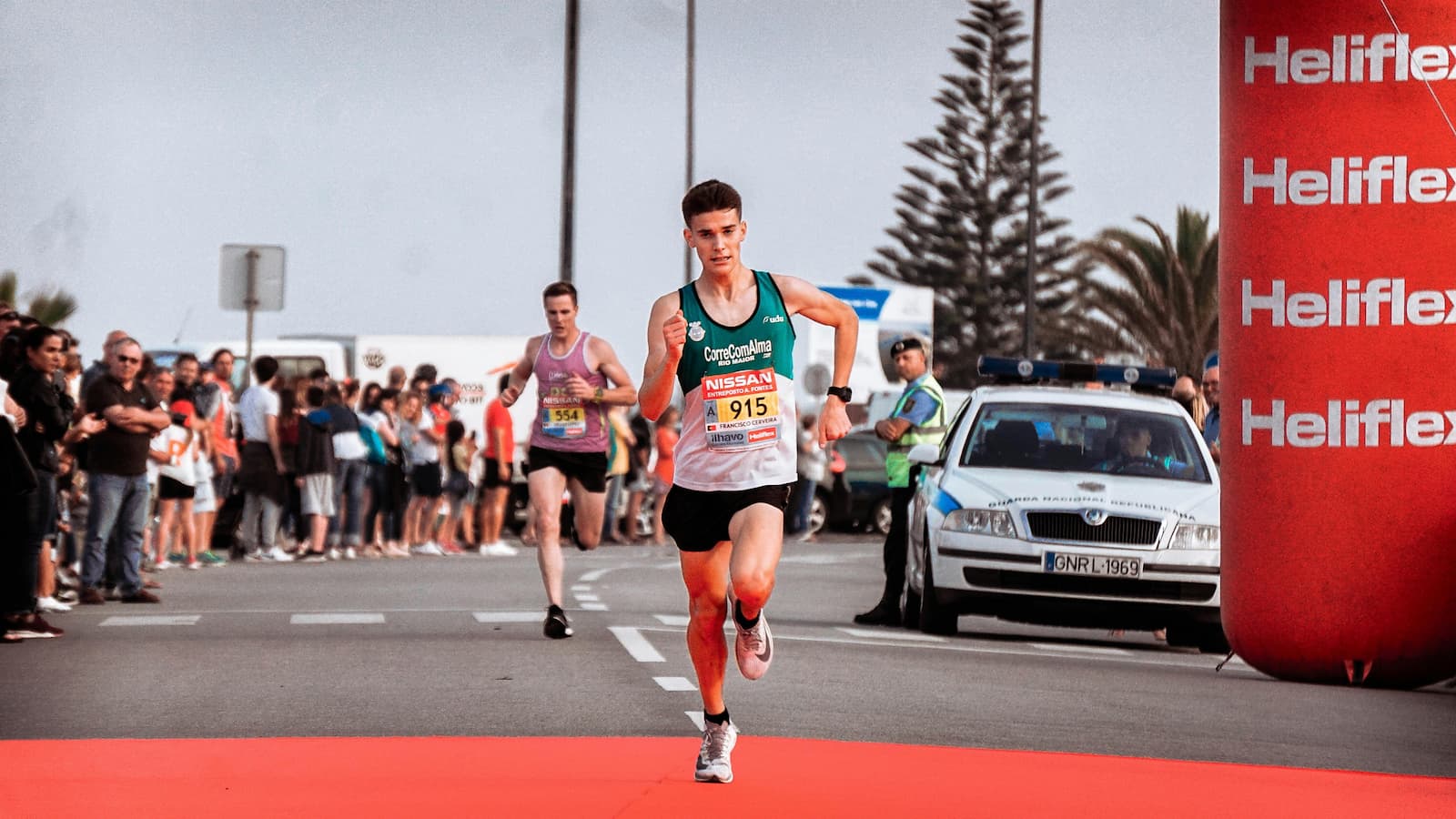


Few experiences are more frustrating than feeling strong on the bike only to lose all your energy during the run. Known as “bonking” or “hitting the wall,” this sudden drop in performance usually happens when your carbohydrate stores become severely depleted and your body struggles to produce enough energy to maintain pace. Bonking isn’t caused by one mistake made during the run. In most cases, it begins hours earlier through poor pacing, inadequate fueling or dehydration. The good news is that it’s largely preventable with proper preparation and race execution.
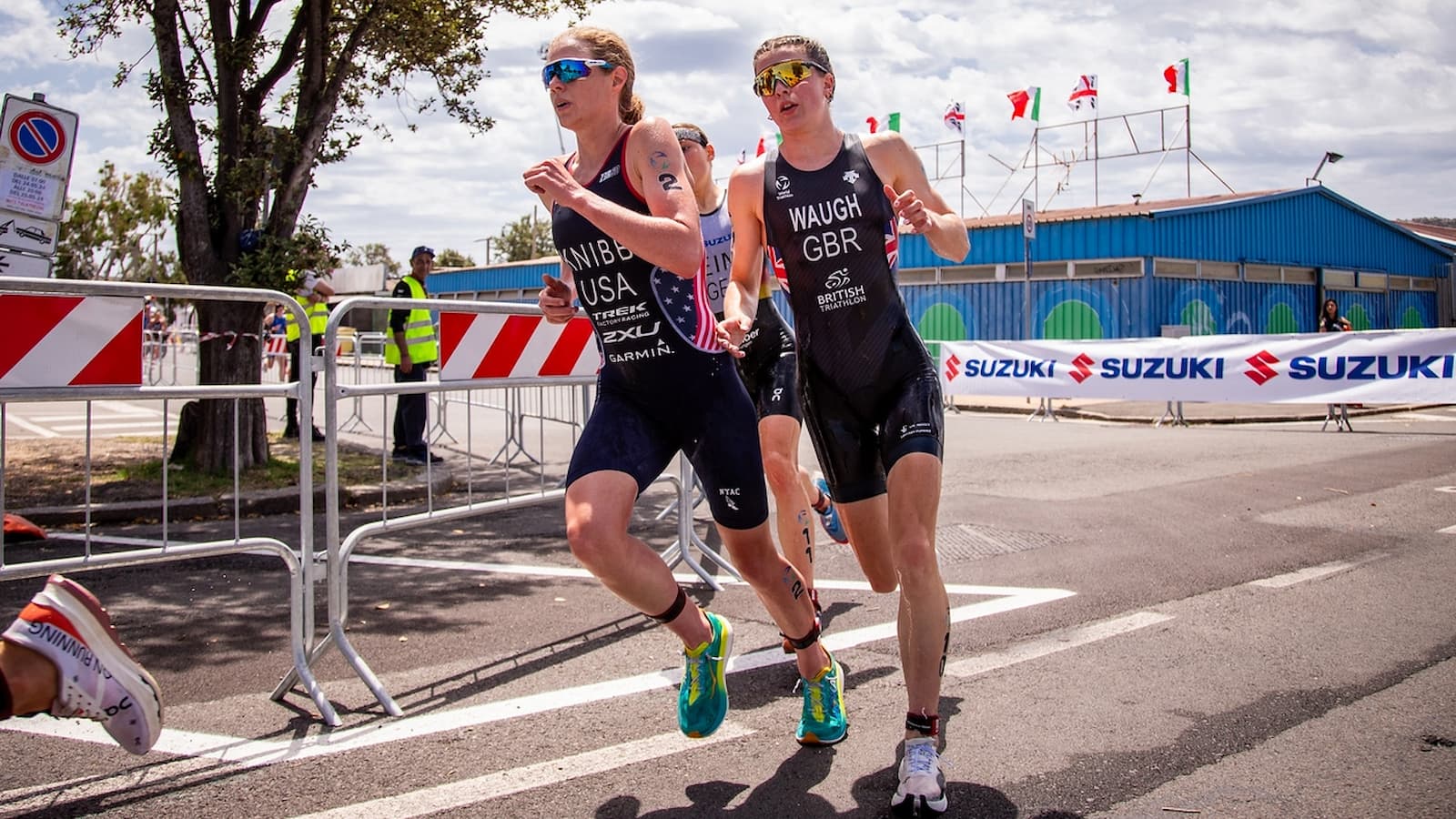
What Is Bonking?
Bonking occurs when your available carbohydrate stores become insufficient to support your exercise intensity.
Common symptoms include:
- Sudden loss of energy.
- Heavy legs.
- Slower pace.
- Difficulty concentrating.
- Dizziness.
- Feeling unusually weak.
- Inability to maintain planned effort.
Unlike normal fatigue, bonking often develops quickly and makes continuing at race pace extremely difficult.
The Bike Leg Determines Your Run
One of the biggest misconceptions is that the run is where you should begin thinking about nutrition. In reality, your run is fueled primarily by what you consumed during the bike. If you under-fuel for two or three hours on the bike, your body starts the run with depleted glycogen stores. Many athletes prevent this by following how should triathletes fuel during the bike leg, ensuring consistent carbohydrate intake throughout the longest discipline.
Start the Bike Conservatively
Poor pacing accelerates carbohydrate use.
Riding above your planned effort early in the race causes:
- Faster glycogen depletion.
- Greater muscle fatigue.
- Higher heart rate.
- Reduced running performance.
Even if you feel strong after the swim, resist the temptation to chase faster riders. Many experienced athletes rely on how to pace a triathlon properly, understanding that patience early in the race usually leads to a stronger finish.
Consume Carbohydrates Early
Don’t wait until you feel hungry. Begin fueling early on the bike and continue consistently.
Suitable options include:
- Energy gels.
- Sports drinks.
- Energy chews.
- Energy bars.
- Rice-based snacks.
Small, regular carbohydrate intake is generally more effective than consuming large amounts infrequently.
Practice Your Race Nutrition
Your digestive system adapts through training.
Practice your complete nutrition strategy during:
- Long rides.
- Brick sessions.
- Race simulations.
- Long endurance workouts.
Every product you intend to use on race day should already have been tested. Many athletes rehearse this during what should you do the week before your first triathlon, where nutrition becomes one of the most important parts of preparation.
Don’t Ignore Hydration
Dehydration doesn’t directly cause bonking, but it can accelerate fatigue and reduce carbohydrate delivery to working muscles.
Aim to:
- Drink regularly.
- Replace fluids gradually.
- Adjust intake for weather conditions.
- Include electrolytes when appropriate.
Many triathletes refine this through hydration strategy for triathlon by distance and weather, allowing hydration to match both race conditions and duration.
Fuel Before Leaving T2
Your final opportunity to top up energy before the run is transition.
Depending on race distance, many athletes take:
- One energy gel.
- A few energy chews.
- Sports drink.
This should complement, not replace, the nutrition consumed during the bike. Many athletes improve this timing through what to eat before running in a triathlon, ensuring they begin the run with readily available carbohydrates.
Control Your Early Run Pace
Excitement often causes runners to leave T2 too quickly.
Instead:
- Settle into race pace.
- Keep breathing controlled.
- Let your legs adjust.
- Build gradually if appropriate.
Running faster than planned during the opening kilometres greatly increases the likelihood of bonking later.
Continue Fueling During the Run
Half Ironman and Ironman races require continued carbohydrate intake after leaving T2.
Depending on your nutrition plan, continue consuming:
- Energy gels.
- Sports drink.
- Aid station nutrition.
- Energy chews.
Avoid waiting until energy levels begin dropping.
Train Your Gut
One of the biggest reasons athletes stop fueling is stomach discomfort.
Regularly practising race nutrition improves your gut’s ability to tolerate:
- Carbohydrates.
- Fluids.
- Electrolytes.
- Different feeding intervals.
This process, often called “gut training,” should be part of every long-course training plan.
Don’t Skip Long Brick Sessions
Brick workouts prepare more than your legs.
They also teach you:
- When to eat.
- When to drink.
- How your stomach responds.
- How different nutrition affects your running.
Many athletes include regular bricks while following how to train for a sprint triathlon, gradually progressing toward longer race-specific sessions.
Recognise Early Warning Signs
Bonking rarely happens without warning.
Watch for:
- Difficulty concentrating.
- Unusual hunger.
- Declining pace.
- Heavy legs.
- Irritability.
- Loss of motivation.
Responding early with carbohydrates and fluids may help prevent a complete energy crash.
Avoid Trying to Catch Up
If you’ve missed several planned nutrition opportunities, avoid consuming multiple gels at once.
Large carbohydrate intakes may:
- Cause stomach discomfort.
- Slow gastric emptying.
- Make running uncomfortable.
Instead, return to your planned nutrition schedule as closely as possible.
Common Mistakes
Avoid these common errors:
- Riding too hard early.
- Skipping carbohydrates on the bike.
- Waiting until you’re hungry.
- Ignoring hydration.
- Trying unfamiliar nutrition.
- Starting the run too fast.
- Missing aid stations.
- Neglecting nutrition practice in training.
Most cases of bonking result from several small mistakes rather than one major error.
Practical Tips
Reduce your risk of bonking by:
- Pacing the bike conservatively.
- Eating early and consistently.
- Drinking regularly.
- Practising your race nutrition.
- Beginning the run under control.
- Continuing carbohydrate intake during long races.
- Monitoring how you feel throughout the event.
Many athletes also improve consistency by understanding what is zone 2 training in a triathlon, building the aerobic efficiency needed to preserve glycogen over long distances. Finally, confidence in your nutrition plan becomes much easier after learning how can triathletes manage pre-race nerves before the swim start, allowing you to begin the race calmly instead of making rushed decisions under pressure.
The Bottom Line
Bonking during a triathlon run is rarely caused by the run itself. It’s usually the result of inadequate fueling, poor pacing or dehydration earlier in the race. By eating consistently on the bike, managing your effort wisely and continuing to fuel throughout longer events, you dramatically reduce the likelihood of hitting the wall. A successful run begins long before T2. When your pacing, nutrition and hydration work together, you’ll give yourself the best chance of running strongly all the way to the finish line.