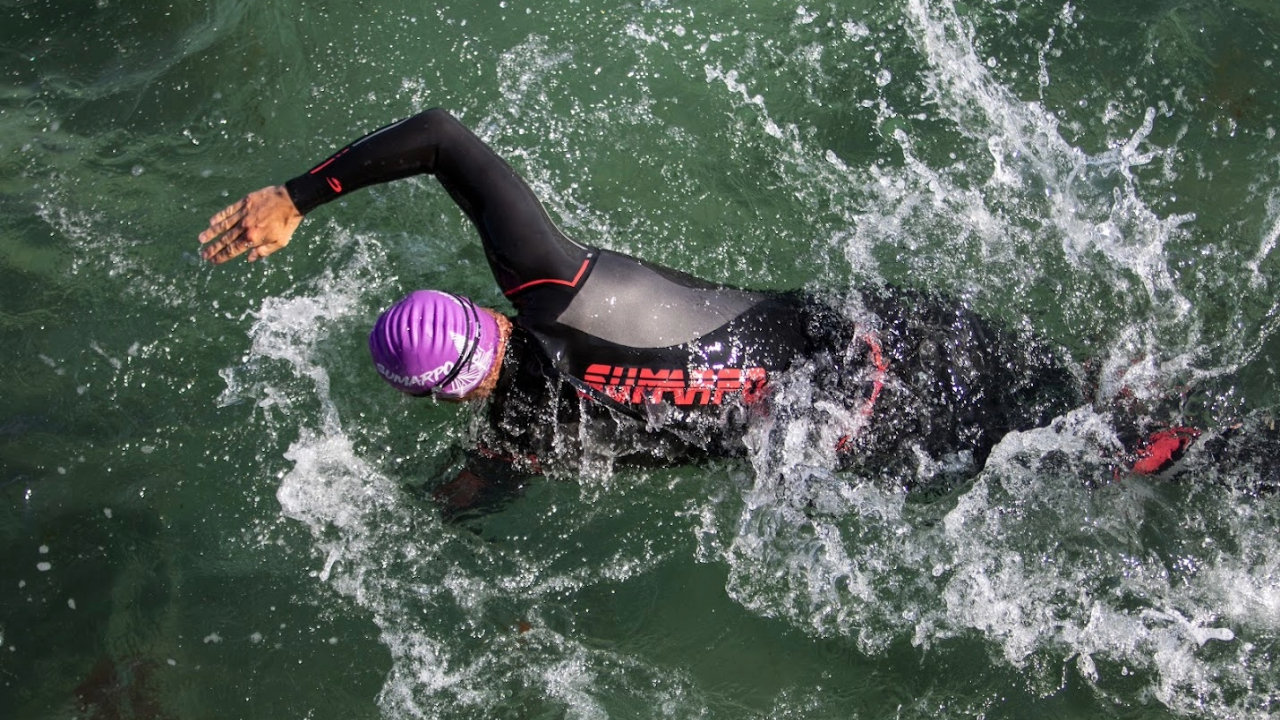


Better body rotation can help triathletes swim faster by improving freestyle technique, stroke coordination, and overall efficiency. Rotating the shoulders, torso, and hips together allows swimmers to maintain a more natural stroke while supporting effective breathing. Many beginner triathletes swim with their bodies too flat in the water. This can restrict shoulder movement, make breathing more difficult, and reduce the effectiveness of each stroke. However, excessive rotation can also create problems. Rolling too far from side to side may disrupt balance, increase unnecessary movement, and make it harder to maintain a straight swimming direction. The goal is controlled rotation that supports propulsion without compromising body position. With regular technique practice, triathletes can develop smoother freestyle strokes and conserve energy for the cycling and running sections of a race.
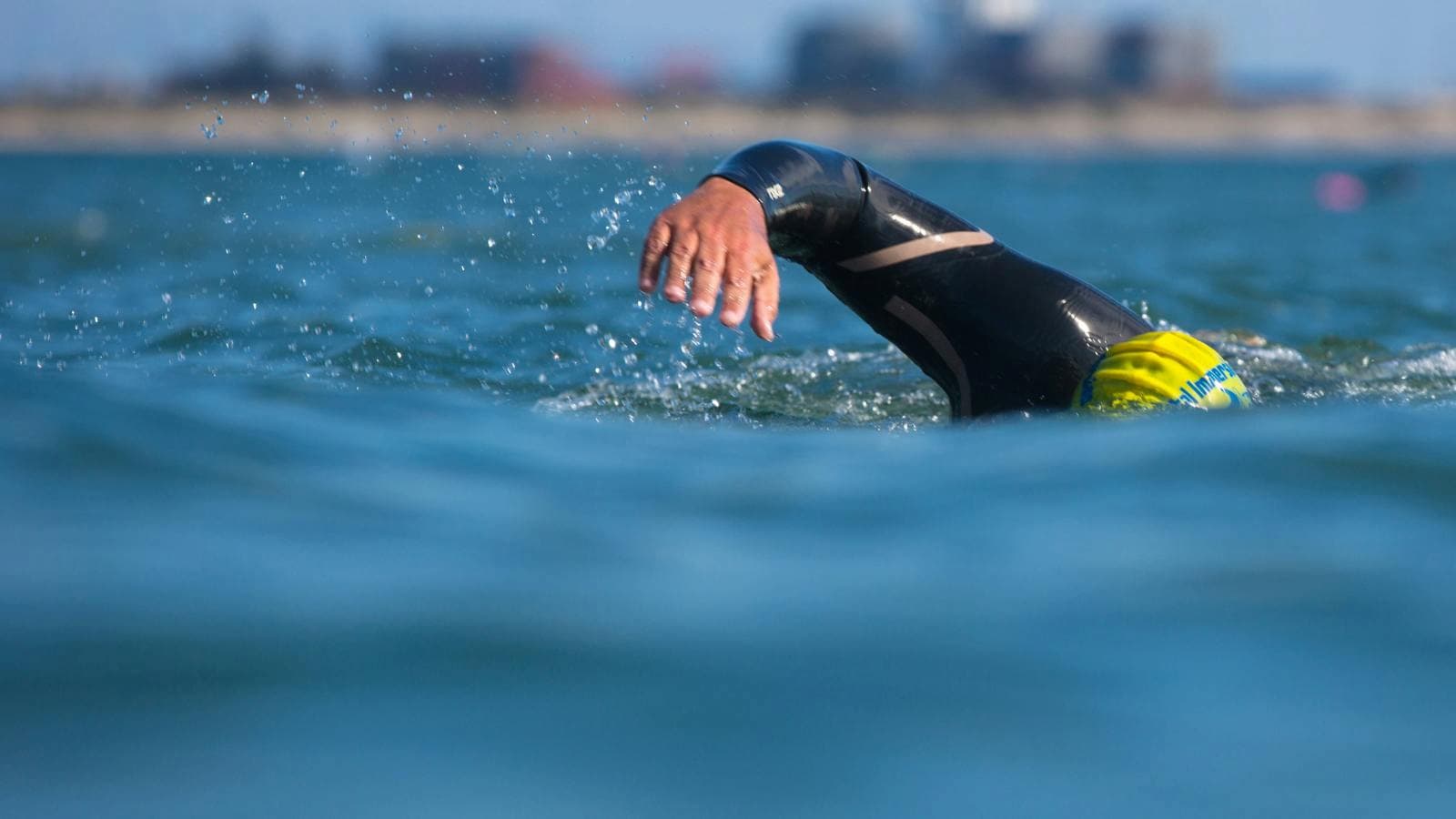
In Short
- Body rotation supports efficient freestyle swimming.
- Controlled rotation improves shoulder movement.
- Better alignment can reduce unnecessary resistance.
- Rotation helps coordinate breathing.
- Excessive rolling can reduce stability.
- Hips and shoulders should rotate together.
- Core control supports smoother movement.
- Simple drills can improve rotation technique.
Understanding Body Rotation in Freestyle
Body rotation refers to the natural movement of the torso around the body’s lengthwise axis during freestyle swimming. As one arm enters and extends forward, the body rotates slightly toward that side before moving toward the opposite side during the next stroke.
Effective rotation involves:
- Shoulders.
- Upper torso.
- Hips.
- Core muscles.
- Coordinated arm movements.
The head generally remains aligned with the spine except when turning to breathe. Understanding how to improve your triathlon swim can help beginners recognize how rotation fits into overall freestyle technique. Rotation should feel smooth rather than forced.
How Body Rotation Improves Swimming Efficiency?
Controlled rotation allows swimmers to coordinate their upper body and arm movements more effectively. Instead of relying entirely on the shoulders, swimmers can use the torso to support stroke mechanics.
Potential benefits include:
- Improved arm recovery.
- Better shoulder positioning.
- More effective stroke coordination.
- Reduced unnecessary lateral movement.
- Easier breathing.
- Improved swimming rhythm.
Understanding how to increase your triathlon swim speed can help athletes recognize why technique improvements matter alongside swimming fitness. Better rotation may improve efficiency, but it does not automatically increase speed without an effective catch and pull.
The Connection Between Rotation and Breathing
Breathing is one of the main reasons body rotation matters in freestyle. When the torso rotates naturally, the head can turn with the body to reach the air without excessive neck movement. Poor rotation may cause swimmers to lift their heads, disrupting balance and increasing resistance.
Useful breathing habits include:
- Exhaling underwater.
- Keeping one goggle near the water when breathing.
- Turning the head with the torso.
- Avoiding excessive head lifting.
- Returning the face smoothly underwater.
Understanding how to coordinate breathing with your swim strokes in a triathlon can help swimmers develop better timing. Comfortable breathing is particularly important during longer open water swims.
Finding the Right Amount of Rotation
There is no single ideal rotation angle for every swimmer. The appropriate amount depends on individual technique, mobility, swimming speed, and stroke mechanics. Too little rotation may restrict movement, while excessive rotation can reduce stability.
| Rotation pattern | Possible effect |
|---|---|
| Too little rotation | Restricted shoulder movement and difficult breathing |
| Controlled rotation | Smoother stroke coordination and body alignment |
| Excessive rotation | Reduced balance and unnecessary side movement |
Swimmers should focus on maintaining a stable body position rather than attempting to reach a specific rotation angle.
Keep the Hips and Shoulders Connected
Effective freestyle rotation involves coordinated movement between the shoulders and hips. If the shoulders rotate while the hips remain completely flat, swimmers may develop unnecessary twisting through the torso.
Useful technique cues include:
- Maintain gentle core engagement.
- Rotate the torso smoothly.
- Keep the hips close to the surface.
- Avoid excessive side bending.
- Maintain a consistent kicking rhythm.
Understanding how can you improve your swim stamina for a triathlon can help athletes recognize how efficient movement supports longer swimming efforts. Controlled rotation should complement a stable, streamlined body position.
Swimming Drills to Improve Rotation
Several simple exercises can help triathletes practice freestyle rotation.
Side Balance Drill
Swim or kick gently while maintaining a streamlined position on one side.
Focus on:
- Keeping the body long.
- Maintaining relaxed shoulders.
- Rotating from the torso.
- Keeping the head aligned.
- Avoiding sinking hips.
Practice short distances on both sides.
Six Kick Switch Drill
Maintain a side position for approximately six kicks before rotating to the opposite side. This helps develop coordination between kicking, arm movement, and torso rotation.
Single Arm Freestyle
Swim using one arm while the other remains extended or relaxed by your side. Focus on controlled rotation and maintaining balance throughout the stroke.
Catch Up Drill
Allow one hand to nearly meet the other in front before beginning the next stroke. This can improve awareness of timing and body position, although swimmers should avoid developing an excessively long pause. Understanding what are the running drills that every triathlete should do can also help athletes appreciate how specific movement drills support technique development across triathlon disciplines.
Common Body Rotation Mistakes
Poor rotation habits can make freestyle less efficient.
Common mistakes include:
- Swimming with completely flat shoulders.
- Rolling excessively onto the side.
- Lifting the head to breathe.
- Allowing the hips to sink.
- Crossing the arms over the body’s centerline.
- Rotating the shoulders without coordinating the hips.
- Forcing rotation instead of maintaining rhythm.
Making one adjustment at a time is generally more effective than trying to correct every movement simultaneously.
Body Rotation in Open Water Swimming
Open water swimming introduces challenges that are less common in the pool. Waves, other swimmers, and changing visibility can affect breathing and stroke rhythm. Controlled rotation helps swimmers maintain technique while adapting to these conditions.
Useful considerations include:
- Practice breathing on either side.
- Maintain a comfortable stroke rhythm.
- Avoid exaggerated rolling in rough water.
- Keep sighting movements controlled.
- Adjust breathing to wave direction when necessary.
Understanding how can beginners overcome negative thoughts before a triathlon can help athletes prepare mentally for unfamiliar race conditions.
Confidence and technique practice can make open water swimming feel more manageable.
Improve Rotation Without Increasing Fatigue
Technique practice should not leave swimmers excessively tired. Start with short drills and gradually introduce improved rotation into normal freestyle.
A simple session might include:
| Exercise | Distance |
|---|---|
| Easy freestyle warm-up | 200 m |
| Side balance drill | 4 × 25 m |
| Six kick switch | 4 × 25 m |
| Controlled freestyle | 4 × 50 m |
| Easy cooldown | 100 m |
Adjust distances according to ability. Understanding what is a good one-hour off-season endurance swim workout can help triathletes incorporate technique practice into a balanced swimming routine.
Common Mistakes
- Forcing excessive rotation.
- Ignoring breathing coordination.
- Lifting the head too high.
- Allowing the hips to sink.
- Rushing technique drills.
- Changing too many movements together.
Practical Tips
- Practice rotation during warm-ups.
- Keep the head aligned.
- Rotate shoulders and hips together.
- Maintain relaxed breathing.
- Use short technique drills.
- Record swimming technique when possible.
- Prioritize smooth movement over speed.
Understanding how to become an efficient triathlete can help athletes recognize why conserving energy across all three disciplines matters.
Actionable Takeaways
- Use controlled freestyle rotation.
- Coordinate breathing with torso movement.
- Avoid excessive side rolling.
- Practice simple rotation drills.
- Focus on smooth, efficient swimming.