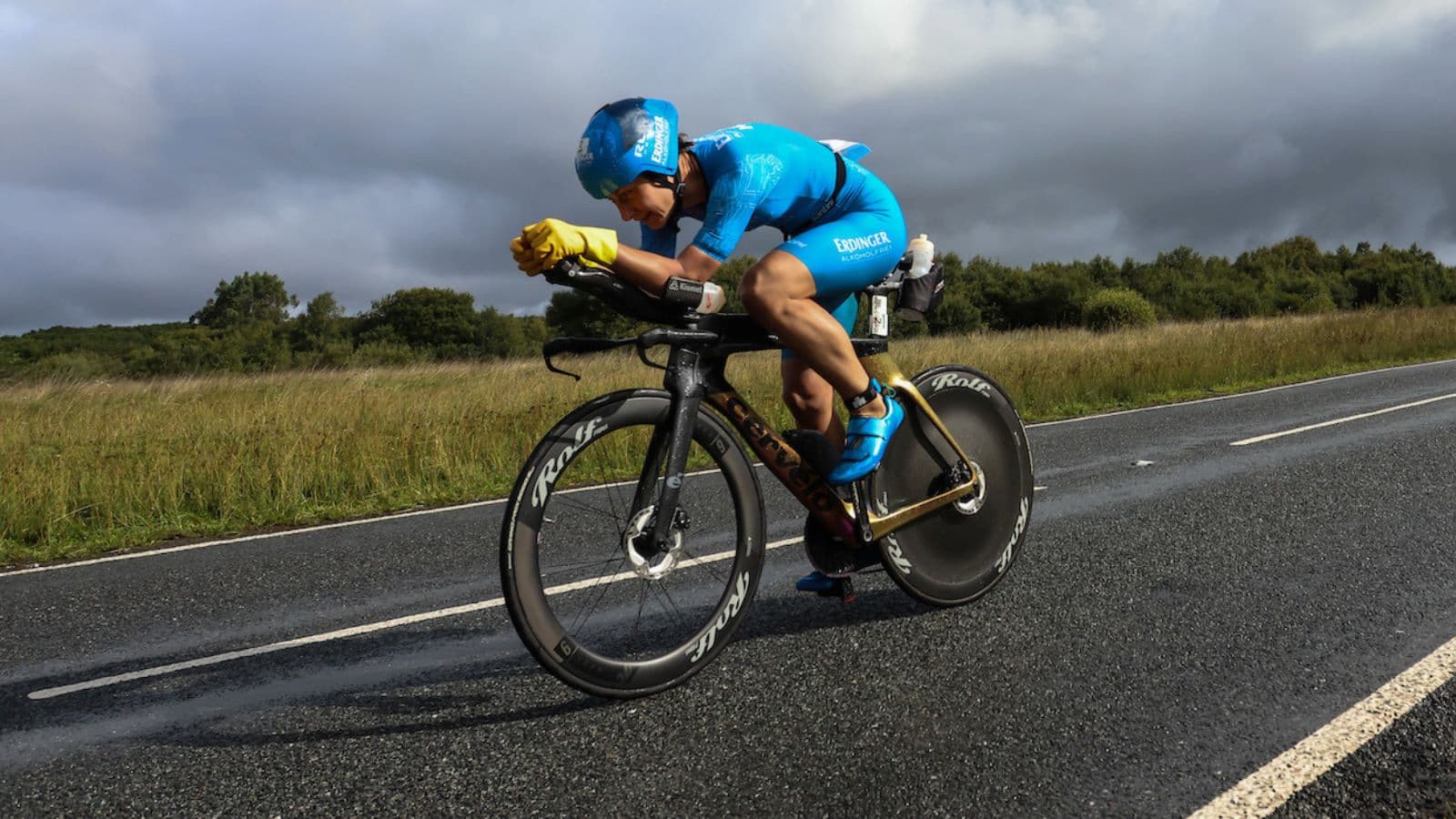


No, you do not need a dedicated triathlon bike for your first triathlon. Most beginner friendly races allow participants to use ordinary road bikes, hybrid bikes, and other suitable bicycles, provided they meet the event’s equipment and safety requirements. A specialized triathlon bike can offer aerodynamic advantages, but it is not essential for finishing your first race. For beginners, comfort, control, and reliability matter more than expensive equipment. A bike that fits properly and allows you to brake, corner, change gears, and maintain a steady pace is usually a better choice than an unfamiliar aerodynamic bike. Triathlon bikes are designed primarily for efficient riding in an aerodynamic position. However, that position requires practice and may feel uncomfortable or difficult to control initially.
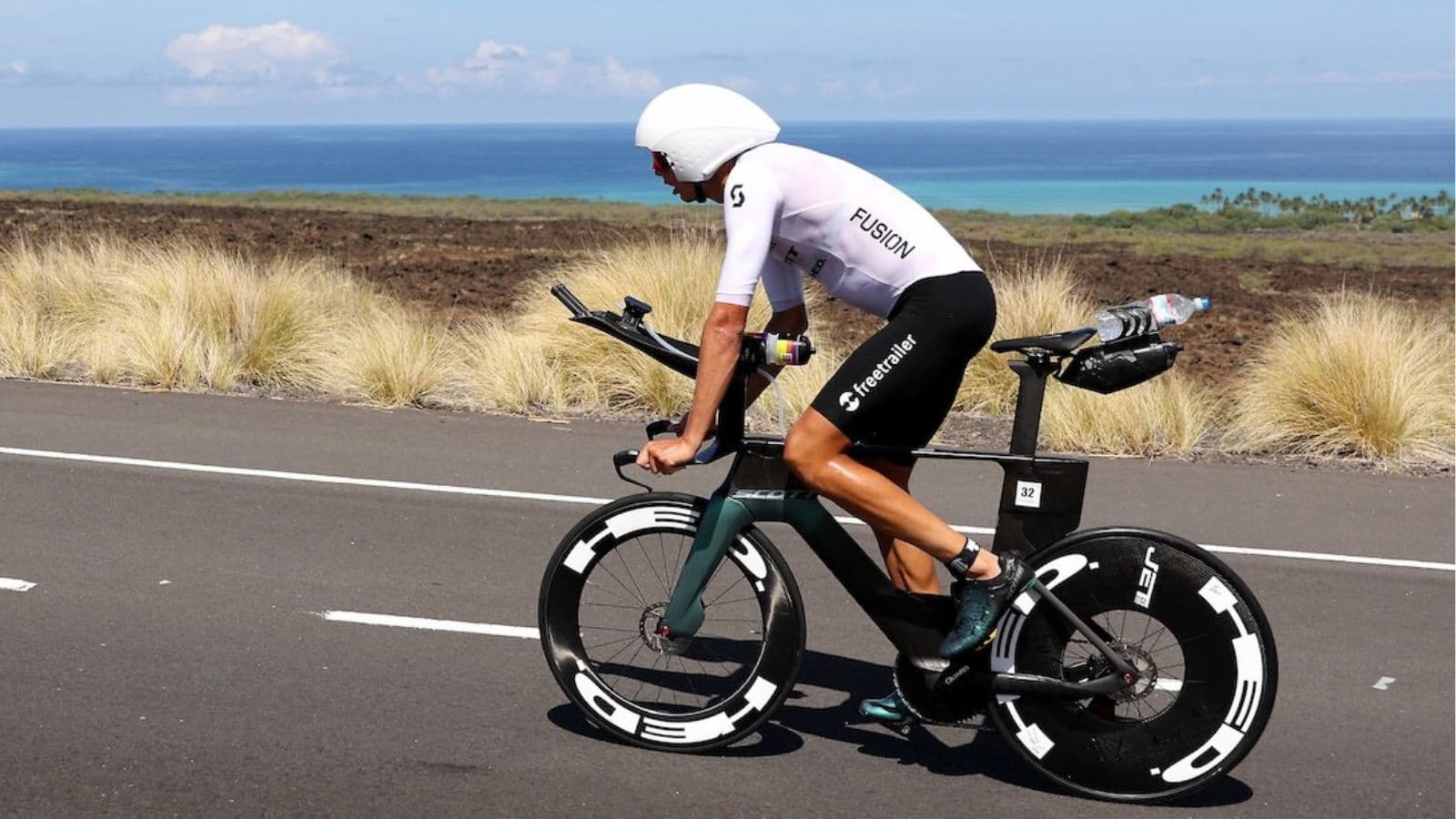
Beginners often benefit more from improving basic cycling skills and endurance before investing in specialized equipment. Your first triathlon should help you gain experience across swimming, cycling, running, and transitions. Choosing a familiar bike reduces unnecessary stress and allows you to focus on completing the event safely and confidently.
In Short
- A triathlon bike is not essential.
- Road bikes are suitable for most beginner races.
- Hybrid bikes may also be allowed.
- Mountain bikes can work on suitable courses.
- Comfort and bike fit matter.
- Reliable brakes and tires are essential.
- Aerodynamics become more relevant at higher speeds.
- Practice bike handling before racing.
- Check event specific equipment rules.
- Upgrade only when it supports your goals.
What Bike Can You Use for Your First Triathlon?
Several bicycle types can be suitable for beginner triathlons.
The right option depends on the course, race regulations, your experience, and the bike you already own.
| Bike type | Beginner suitability | Main consideration |
|---|---|---|
| Road bike | Excellent | Efficient and versatile |
| Hybrid bike | Good | Comfortable but usually less aerodynamic |
| Mountain bike | Suitable on many courses | Heavier with greater rolling resistance |
| Triathlon bike | Suitable with experience | Aerodynamic but requires handling practice |
| Gravel bike | Good on suitable courses | Versatile with appropriate tires |
Some events have restrictions on bicycle types, handlebar extensions, or equipment. Always check the race rules before arriving. Understanding first triathlon: complete beginner guide can help you prepare for the entire event rather than focusing too heavily on one piece of equipment.
Road Bike vs Triathlon Bike: What’s the Difference?
A road bike is designed for versatile cycling.
It typically offers:
- Drop handlebars.
- Multiple hand positions.
- Accessible braking.
- Responsive handling.
- Comfortable climbing and cornering.
A triathlon bike is designed around aerodynamic efficiency.
Common features include:
- Aerodynamic frame shapes.
- Aerobars.
- A forward riding position.
- Geometry suited to sustained aerodynamic riding.
The difference becomes important when understanding how is riding a triathlon bike different from a road bike because handling, comfort, and rider position can affect your experience. Neither bike automatically guarantees a faster overall race.
Is a Road Bike Good Enough for a Sprint Triathlon?
Yes. A road bike is an excellent option for most first sprint triathlons. A standard sprint triathlon usually includes a 20 km cycling leg, although individual events may vary.
For this distance, beginners benefit from:
- Familiar handling.
- Comfortable positioning.
- Reliable gear shifting.
- Confident braking.
- Efficient pacing.
A road bike also remains useful for everyday training and longer rides. The training principles in how do beginners train for a sprint triathlon are more important than owning specialized equipment before your first event.
Can You Complete a Triathlon on a Hybrid or Mountain Bike?
Yes, if the event permits it and the bicycle is suitable for the course. Hybrid bikes can be comfortable and easy to control, making them practical for beginners. Mountain bikes may also be accepted at many entry level races.
However, they can be slower on paved roads because of:
- Greater weight.
- Wider tires.
- Higher rolling resistance.
- Less aerodynamic riding positions.
These disadvantages do not prevent you from finishing. If you already own a safe and reliable bicycle, it may be sensible to use it rather than purchasing another bike immediately.
Why Bike Fit Matters More Than Expensive Equipment?
An uncomfortable bicycle can make even a short race difficult.
Poor positioning may contribute to:
- Neck discomfort.
- Lower back pain.
- Hand numbness.
- Saddle discomfort.
- Knee irritation.
- Reduced pedaling efficiency.
A basic bike fit should consider saddle height, reach, handlebar position, and overall comfort. You do not necessarily need an expensive professional fitting before your first sprint triathlon, but significant discomfort should not be ignored. Understanding how do you adjust your bike for a better fit in a triathlon can help you identify practical adjustments before race day.
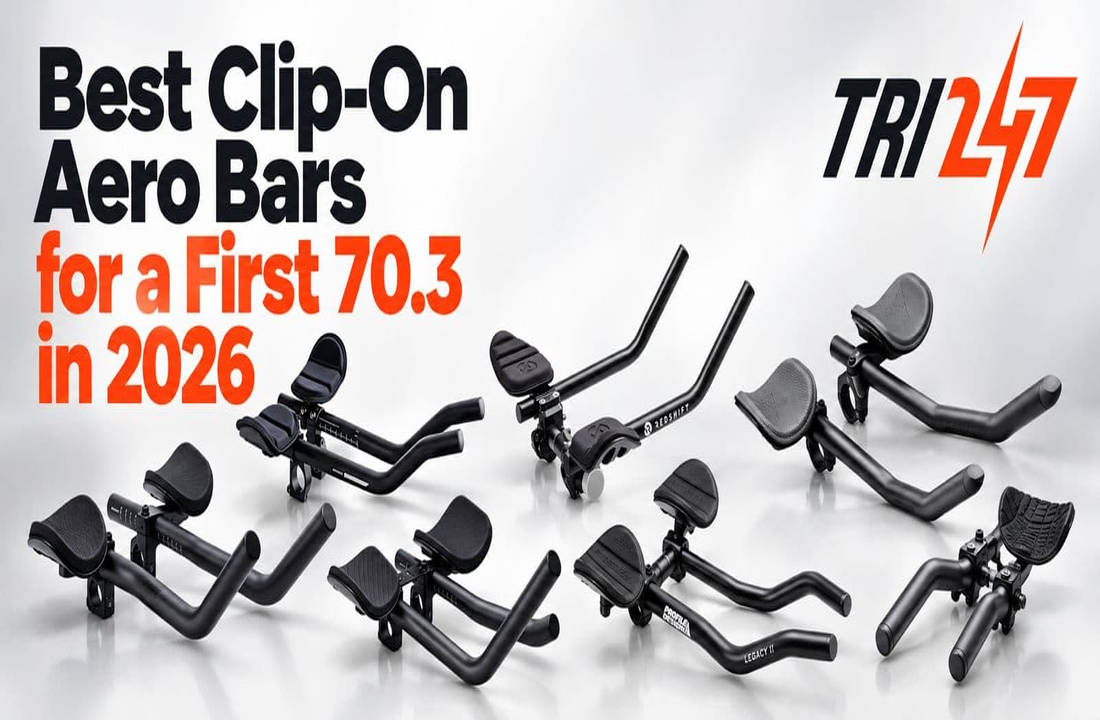
Do Aerobars Make a Beginner Faster?
Aerobars can reduce aerodynamic drag when used in an appropriate position. However, they are not automatically beneficial for every beginner.
Potential disadvantages include:
- Reduced access to brakes while using the extensions.
- Less familiar steering control.
- Difficulty cornering.
- Neck or shoulder discomfort.
- Reduced confidence.
Aerobars may also be prohibited in some draft legal events. Do not install aerobars immediately before your first race. Develop confident bike handling before considering aerodynamic upgrades.
Bike Handling Is More Important Than Aerodynamics
A beginner who brakes excessively before every corner or struggles with gear selection may lose more time than an aerodynamic upgrade could realistically recover.
Practice essential skills:
- Smooth braking.
- Safe cornering.
- Looking ahead.
- Changing gears before climbs.
- Riding in a straight line.
- Maintaining control while drinking.
These skills improve confidence and help you use your fitness effectively. The techniques in how to improve bike handling and cornering outdoors are particularly useful before racing on unfamiliar roads.
How Much Should You Spend on Your First Triathlon Bike?
There is no minimum amount you must spend on a specialized bicycle. If your existing bike is suitable, your main expenses may involve maintenance and essential safety equipment.
Prioritize:
- A properly fitting helmet.
- Safe tires.
- Reliable brakes.
- Functional gears.
- Suitable clothing.
- Basic puncture repair equipment.
A well maintained existing bicycle is generally a better starting point than an expensive bike that you cannot ride confidently.
What Should You Check Before Race Day?
A mechanical problem can disrupt your first triathlon regardless of bicycle price.
Before racing, inspect:
- Tire condition and pressure.
- Brake operation.
- Gear shifting.
- Chain condition.
- Wheel security.
- Saddle and handlebar security.
- Water bottle attachments.
Complete a short test ride after any maintenance. Following what you should check on your bike the week before a race can help identify problems while there is still time to fix them.
Practice Cycling at Race Effort
Your cycling goal is not simply to ride as fast as possible. You must still run after finishing the bike leg. Practice maintaining a sustainable effort without repeatedly accelerating or pushing excessively hard on climbs.
Useful sessions include:
- Comfortable endurance rides.
- Controlled race pace efforts.
- Short climbs.
- Cadence practice.
- Easy runs immediately after selected rides.
Understanding how to pace and fuel the bike leg in a triathlon can help prevent the common beginner mistake of using too much energy before the run.
Learn the Transition Rules
Triathlon cycling involves procedures that are different from ordinary riding.
Most races require you to:
- Fasten your helmet before touching or removing your bike from its rack.
- Push your bike to the designated mount line.
- Mount only after the permitted point.
- Dismount before the designated dismount line.
- Rack your bike before removing your helmet.
Always follow the specific event rules and officials’ instructions. Practicing how to mount and dismount your bike smoothly in a race can make the cycling transition safer and less stressful.
When Should You Consider Buying a Triathlon Bike?
A specialized triathlon bike becomes more relevant when you have gained experience and want to improve performance.
Consider upgrading when:
- You race regularly.
- You understand your preferred race distance.
- You can maintain an aerodynamic position comfortably.
- Your bike handling is reliable.
- Your budget allows the purchase.
- Aerodynamic efficiency is a meaningful priority.
For many athletes, improvements in fitness, pacing, and technique should come first.
Common Mistakes
- Buying an expensive bike before learning basic skills.
- Using an unfamiliar bike on race day.
- Ignoring bicycle maintenance.
- Riding with an uncomfortable saddle position.
- Installing aerobars without practice.
- Forgetting equipment restrictions.
- Neglecting braking and cornering skills.
- Pushing too hard during the bike leg.
- Practicing transitions only on race morning.
Practical Tips
- Use a familiar bicycle whenever possible.
- Check race equipment regulations.
- Prioritize comfort and reliable handling.
- Inspect your bike before racing.
- Practice changing gears and braking.
- Complete several rides on similar terrain.
- Learn transition procedures.
- Avoid major equipment changes during race week.
- Upgrade when you understand what you need.
Actionable Takeaways
- You do not need a triathlon bike for your first race.
- Choose a safe, comfortable bicycle that meets event rules.
- Prioritize handling, maintenance, and pacing.
- Consider specialized equipment after gaining race experience.