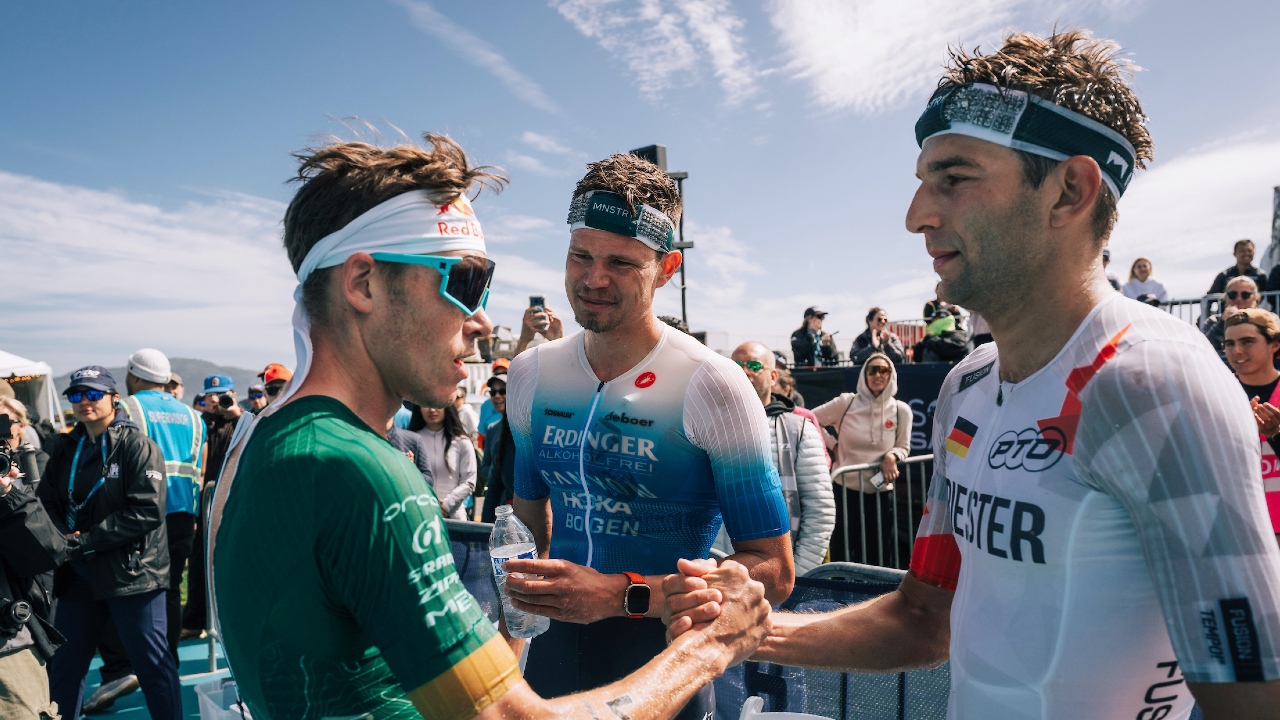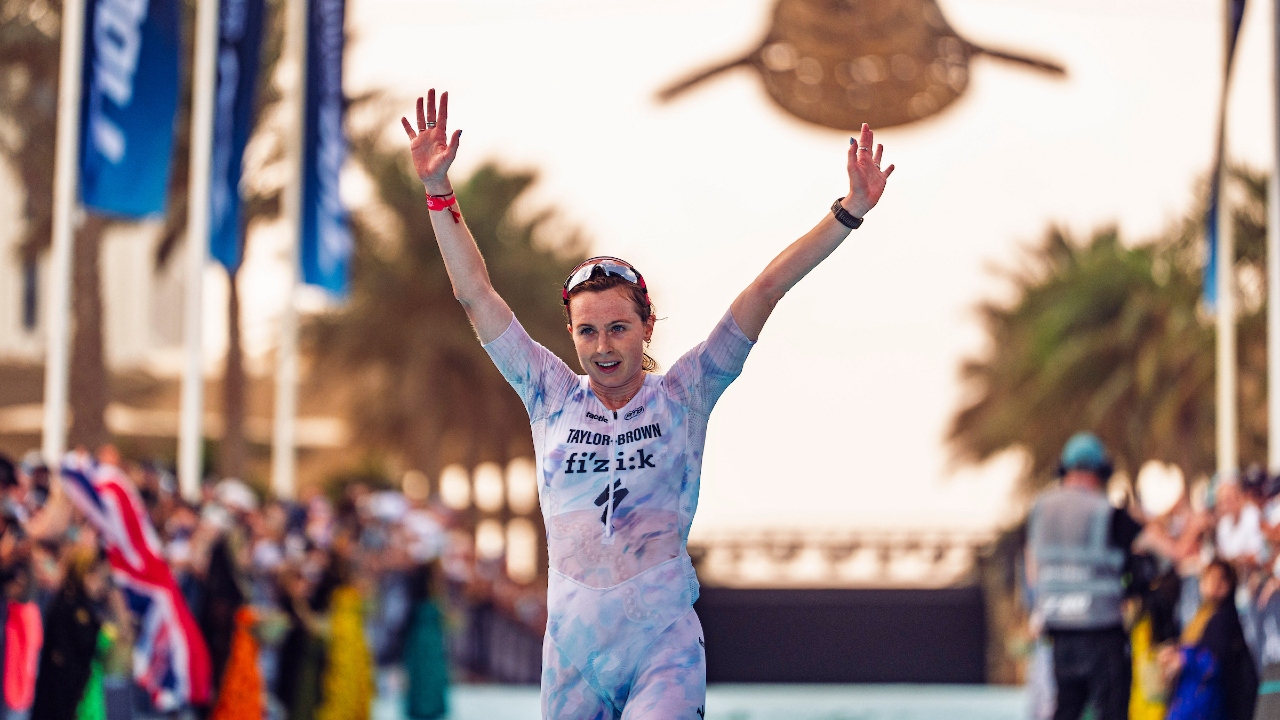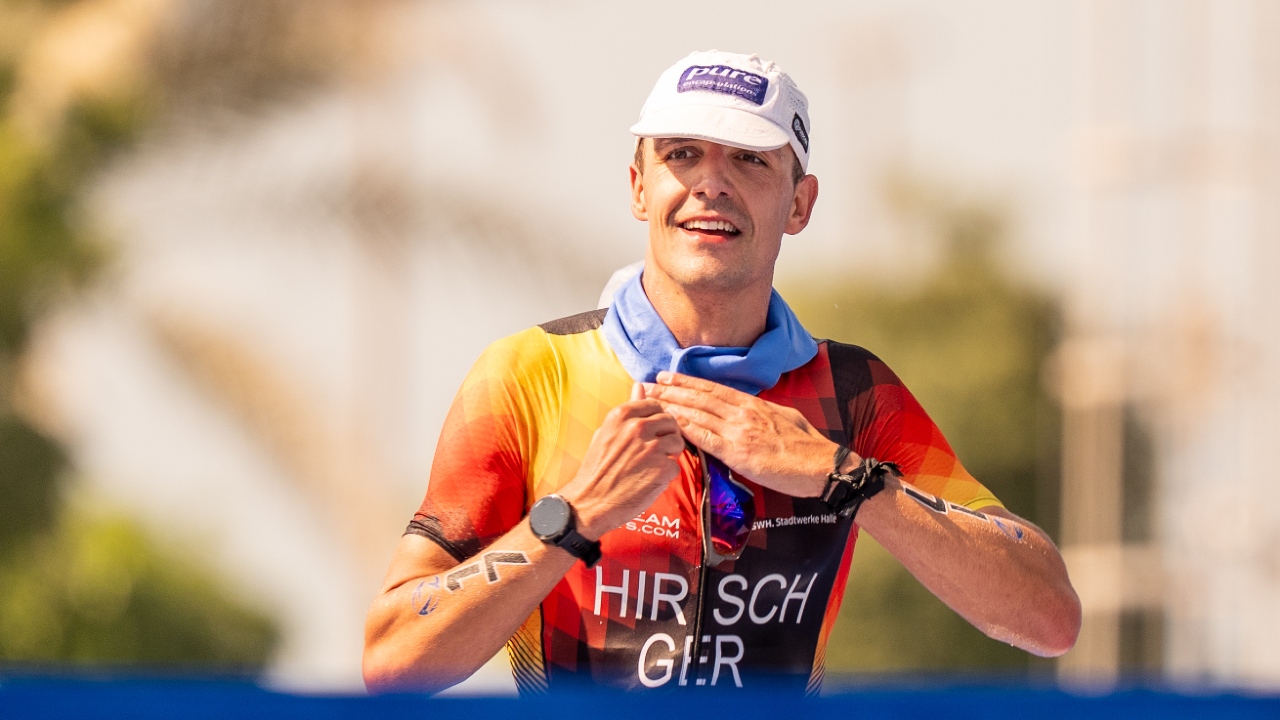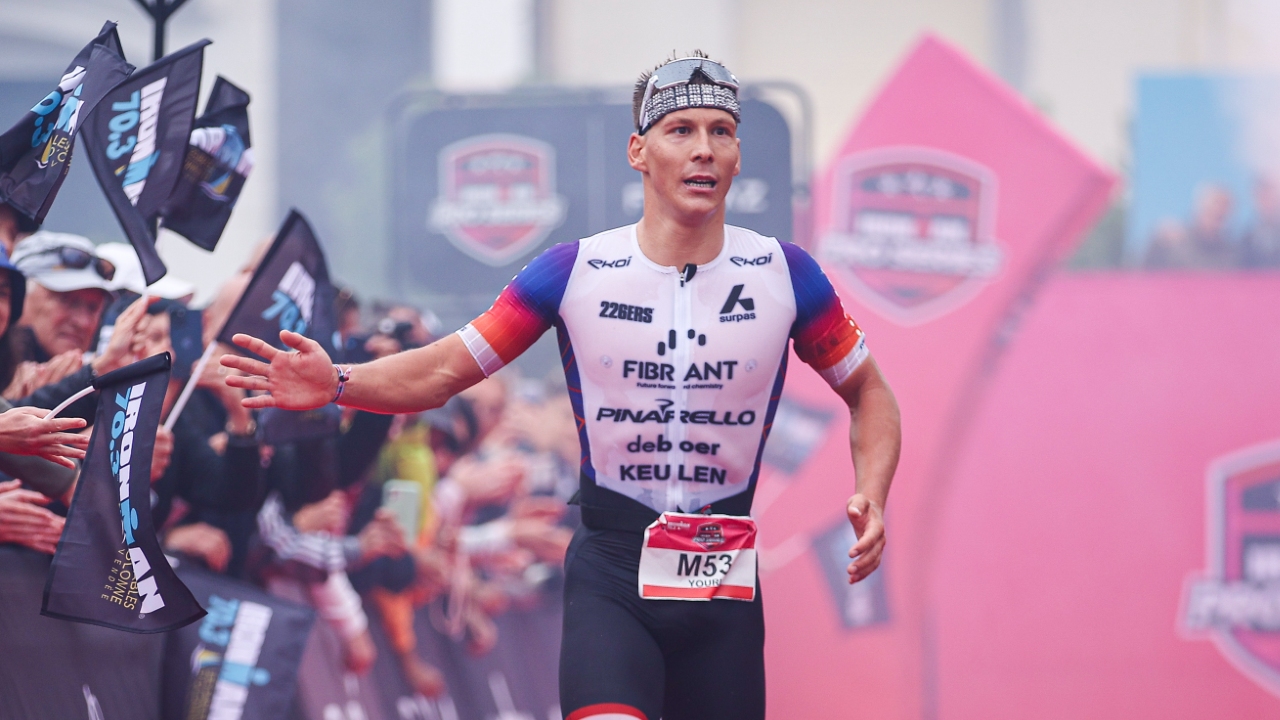


Triathletes can improve their swimming dive technique by practicing controlled takeoffs, maintaining a streamlined body position, and entering the water smoothly. Good diving technique reduces unnecessary resistance and helps swimmers transition efficiently into their first strokes. Although many triathlons begin with deep water or beach starts, diving remains a useful skill for athletes who train in swimming pools or participate in events that permit diving starts. Developing proper technique can also improve body awareness and confidence in the water. A successful dive requires coordination between the legs, arms, head, and core. Poor timing or incorrect positioning can create unnecessary drag and increase the risk of injury. Triathletes should develop diving skills gradually in supervised environments where diving is explicitly permitted and water depth meets applicable safety requirements. The priority is always a safe, controlled entry rather than maximum distance or speed.
In Short
- Practice diving only in designated, supervised areas.
- Maintain a streamlined body position.
- Keep the arms extended during entry.
- Coordinate the leg push with forward movement.
- Avoid lifting the head during entry.
- Enter the water at a controlled angle.
- Develop confidence through progressive drills.
- Transition smoothly into swimming.
- Never dive into unfamiliar open water.
Understanding Swimming Dive Technique
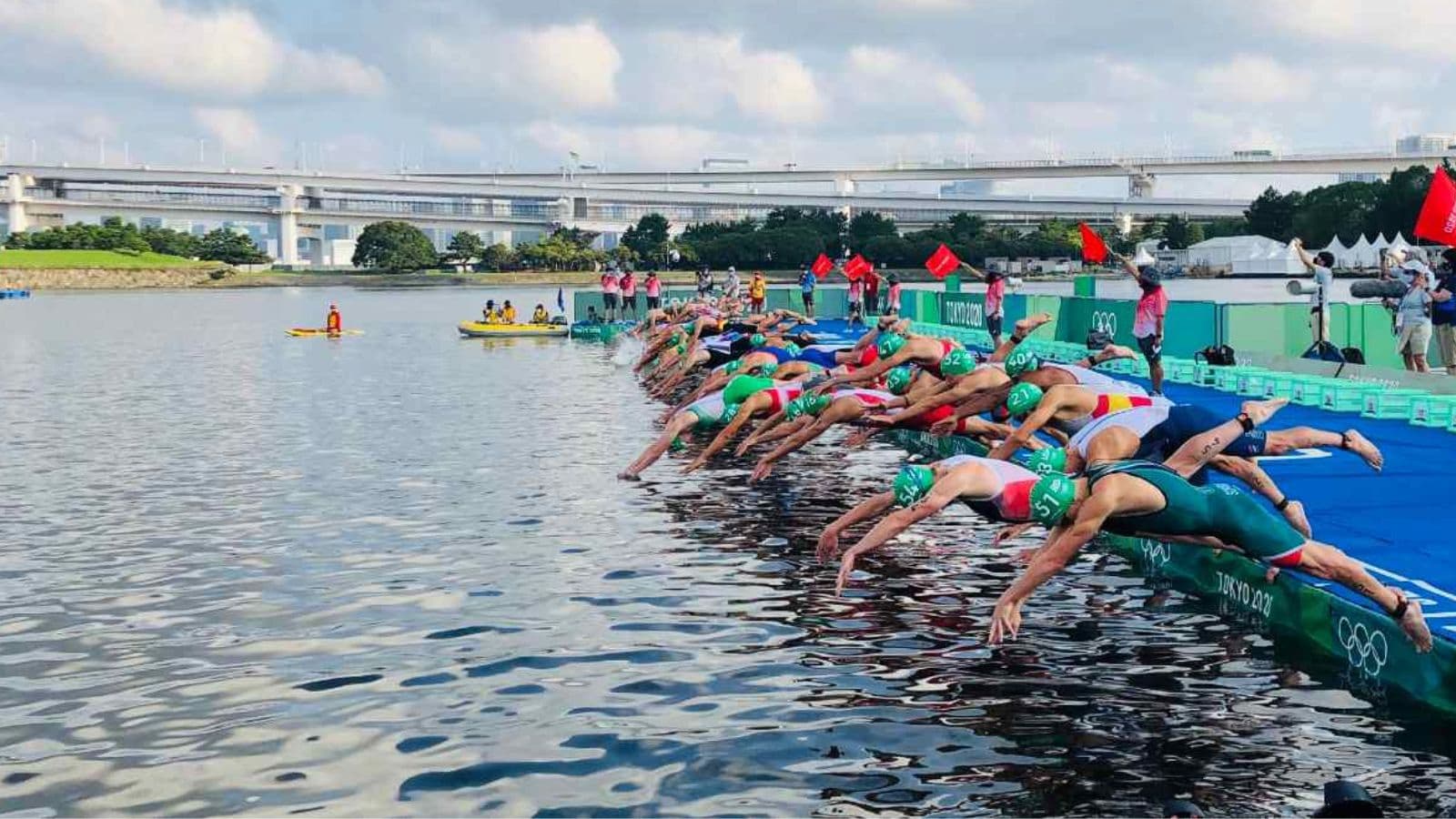
A swimming dive involves pushing away from a starting position and entering the water with minimal resistance.
The movement has four main phases:
- Starting position: Establishing balance and stability.
- Takeoff: Generating controlled forward movement.
- Water entry: Maintaining alignment as the body enters.
- Transition: Moving into the first swimming strokes.
Athletes working on how to improve your triathlon swim should understand that an effective dive is only one part of overall swimming performance. Technique, breathing, endurance, and efficient movement remain important throughout the swim.
Develop a Stable Starting Position
A stable starting position allows swimmers to control their movement before entering the water. For permitted pool starts, athletes should follow the instructions of a qualified swimming coach.
Important elements include:
- Balanced foot placement.
- Controlled body positioning.
- Engaged core muscles.
- Relaxed shoulders.
- Focused attention on the entry area.
Beginners should first become comfortable with safe water entry before attempting more advanced starting techniques.
Improve Body Alignment During Entry
Streamlining helps swimmers reduce resistance as they move through the water. During a properly executed dive, the arms extend forward while the head remains aligned between them.
Focus on:
- Keeping the body long and straight.
- Maintaining controlled head positioning.
- Avoiding excessive back arching.
- Keeping the legs aligned.
- Entering the water smoothly.
Learning why is level body positioning important for triathlon swimming can help athletes understand how alignment affects movement through the water. Good body positioning also supports efficient swimming after the dive.
Coordinate the Takeoff and Water Entry
A controlled takeoff helps swimmers move forward without unnecessary movement. The legs provide propulsion while the upper body maintains a streamlined position.
Common technique priorities include:
- Smooth leg extension.
- Coordinated arm movement.
- Stable core positioning.
- Controlled entry angle.
- Avoiding excessive upward movement.
Athletes should not attempt powerful dives before mastering basic technique. Developing what matters more in triathlon: fitness or technique can also help swimmers recognize why movement quality matters alongside physical conditioning.
Practice Safe Dive Progressions
Swimming dive technique should develop through gradual practice under qualified supervision.
Useful progressions may include:
- Streamline positioning on dry land.
- Controlled push offs from the pool wall.
- Streamlined gliding exercises.
- Supervised entry drills in approved diving areas.
- Full starts only after demonstrating adequate control.
Exercises related to pool drills to improve triathlon swim technique can improve body awareness without requiring repeated diving. Never practice headfirst entries in shallow water or areas without verified diving clearance.
Improve the Transition Into Swimming
An effective dive should lead naturally into the first swimming strokes. Poor transitions can waste momentum and disrupt breathing.
Important habits include:
- Maintaining alignment after entry.
- Avoiding unnecessary head movement.
- Beginning strokes at the appropriate moment.
- Establishing a comfortable breathing rhythm.
- Maintaining a controlled swimming pace.
Understanding how do triathletes improve freestyle efficiency in open water can help athletes connect streamlined movement with efficient swimming. The goal is a smooth transition rather than rushing into maximum effort.
Build Confidence Through Repetition
Confidence develops when swimmers practice skills in a safe and controlled environment. Start with simple movements and progress only when comfortable.
Triathletes can improve confidence by:
- Practicing with a qualified coach.
- Repeating basic streamline drills.
- Reviewing technique feedback.
- Avoiding rushed progression.
- Maintaining consistent swim training.
Athletes learning how to start swimming for triathlon as a beginner should prioritize water confidence before advanced diving skills.
Understand Different Triathlon Swim Starts
Not every triathlon requires a dive.
Common swim starts include:
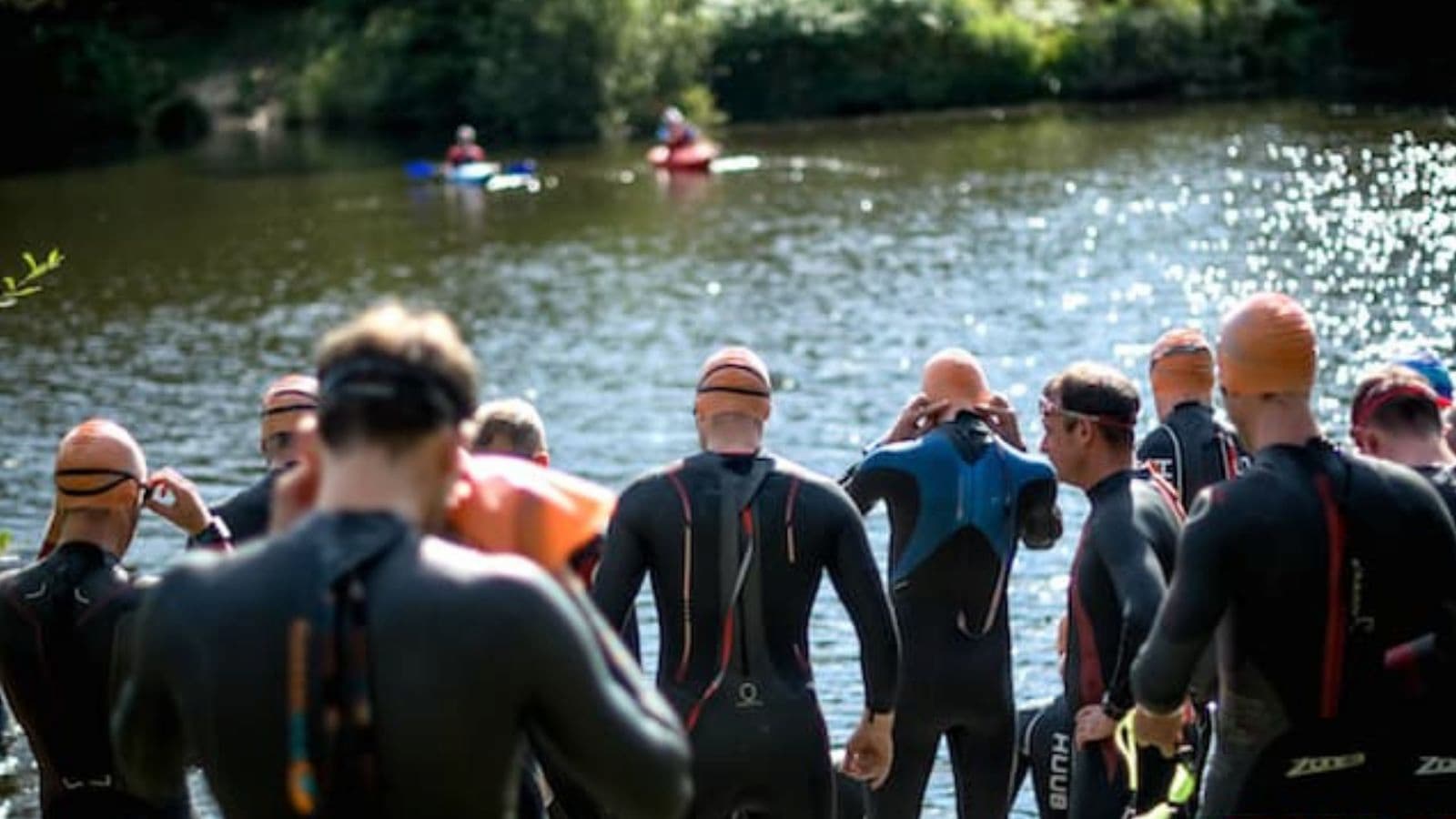
- Beach starts: Athletes enter from the shoreline.
- Deep water starts: Swimmers begin already in the water.
- Rolling starts: Participants enter individually or in small groups.
- Pool starts: Athletes follow the event’s specific entry instructions.
Understanding how do you start an open water swim in a triathlon helps athletes prepare for the actual conditions of their event. For open water races, a controlled feet first entry is generally safer than diving into unfamiliar water.
Improve Swimming Skills Beyond Diving
Diving technique provides limited benefits if swimmers struggle with efficiency once underway.
Triathletes should also develop:
- Freestyle body alignment.
- Effective breathing.
- Controlled kicking.
- Consistent stroke timing.
- Water awareness.
Practicing how to coordinate breathing with your swim strokes in a triathlon can improve rhythm after entering the water. Athletes can also explore what swim drills improve triathlon performance to develop more complete swimming skills.
Common Mistakes
- Diving where water depth is unsafe.
- Lifting the head during entry.
- Entering with poor body alignment.
- Using excessive force during takeoff.
- Rushing into the first strokes.
- Practicing advanced starts without supervision.
- Assuming open water is safe for diving.
Practical Tips
- Practice with a qualified swimming coach.
- Use designated diving facilities.
- Develop streamline positioning first.
- Focus on smooth, controlled movements.
- Review technique regularly.
- Practice race specific swim entries.
- Stop if discomfort or uncertainty develops.
Actionable Takeaways
- Prioritize safe water entry.
- Improve body alignment and control.
- Practice gradually with supervision.
- Connect entry technique with efficient swimming.
- Prepare for the start format of your actual race.