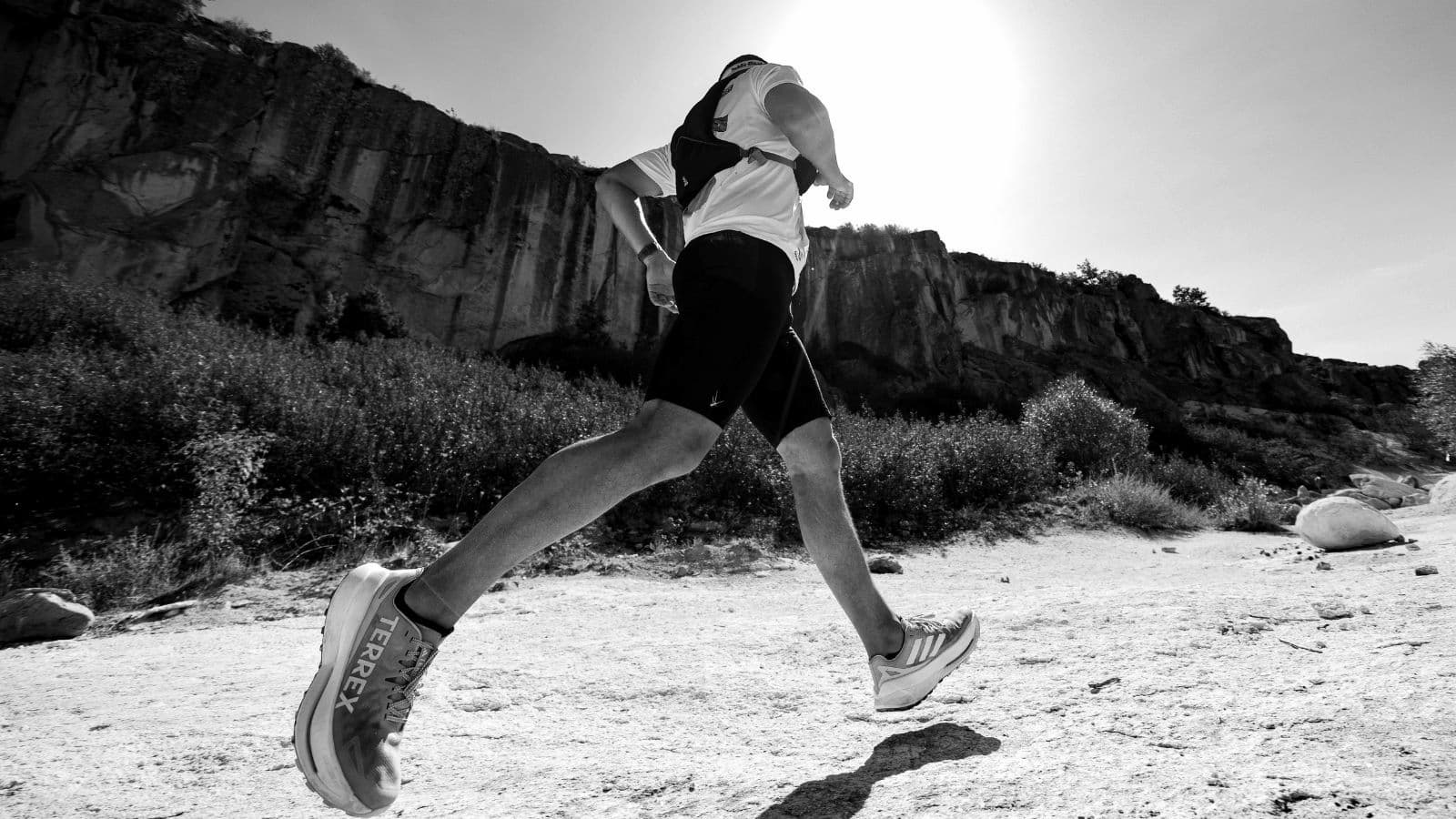


To run downhill faster and safer in a triathlon, maintain a controlled forward body position, use relatively short and quick steps, and avoid excessive braking with each foot strike. The goal is to let gravity assist your movement without losing balance or placing unnecessary stress on your legs. Downhill running can feel easier than climbing because gravity helps propel the body forward. However, descending places considerable eccentric loading on the quadriceps, which must control the body as it moves downhill. For triathletes, this challenge becomes more noticeable after cycling. The legs may already be fatigued, coordination can feel different, and aggressive descending may increase muscular stress before the final kilometers of the race. Developing good downhill technique helps athletes maintain a controlled pace while reducing unnecessary braking and instability. With progressive practice, strength training, and appropriate pacing, downhill sections can become an opportunity to run efficiently rather than a source of excessive fatigue.
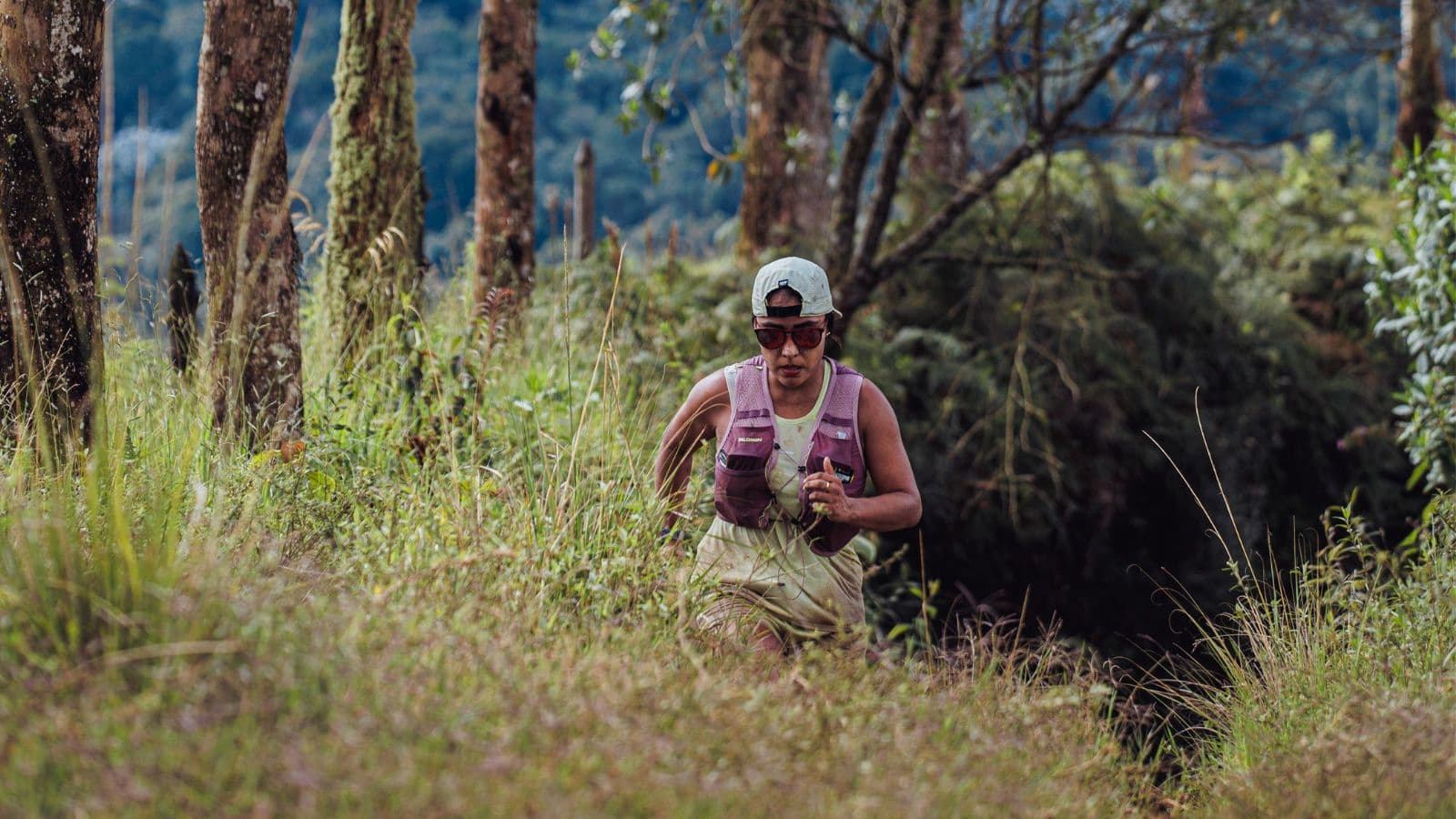
In Short
- Maintain a balanced, slightly forward body position.
- Avoid leaning backward excessively.
- Use shorter, quicker steps.
- Reduce unnecessary braking.
- Keep the arms relaxed for balance.
- Look ahead rather than directly at your feet.
- Practice descending gradually.
- Prioritize control over maximum speed.
Why Downhill Running Is Challenging?
Downhill running changes how forces act on the body. Gravity helps move the runner forward, but the muscles must control the speed of descent.
The quadriceps perform substantial eccentric work, meaning they produce force while lengthening.
This can contribute to:
- Quadriceps soreness.
- Increased knee loading.
- Reduced muscular control.
- Greater braking forces.
- Fatigue during longer descents.
Understanding how can you reduce fatigue during the triathlon run leg can help athletes recognize why controlling muscular effort matters after the bike segment. Although descending may reduce cardiovascular effort at a given speed, it can increase mechanical stress on the legs.
Maintain the Correct Downhill Posture
Posture is one of the most important elements of controlled downhill running. Many beginners instinctively lean backward because they feel gravity pulling them downhill. However, excessive backward leaning often increases braking forces and makes running feel less fluid.
Instead:
- Keep the head and chest upright.
- Maintain a slight forward orientation from the ankles.
- Avoid bending excessively at the waist.
- Keep the shoulders relaxed.
- Maintain a stable trunk.
Understanding how does posture affect triathlon running performance can help athletes recognize how body alignment influences running efficiency. The appropriate amount of forward lean depends on slope steepness, surface conditions, and individual ability. Avoid forcing an aggressive lean on unfamiliar terrain.
Use Shorter and Quicker Steps
Over-striding is a common mistake during downhill running. When the foot lands far ahead of the body, it can create greater braking forces. This may increase stress on the knees and quadriceps while disrupting running rhythm.
A more controlled approach involves:
- Shortening excessively long strides.
- Increasing step frequency naturally.
- Landing closer to the body’s center of mass.
- Maintaining smooth foot contact.
- Avoiding forced changes in foot strike.
Understanding what is a negative split in triathlon running can help athletes appreciate the importance of controlled pacing rather than using every descent to accelerate aggressively. Quick steps can improve control, but there is no universal cadence that every triathlete should target.
Avoid Excessive Braking
Braking occurs when the foot contacts the ground in a way that significantly slows forward movement. Some braking is necessary for control, especially on steep or slippery descents. However, excessive braking wastes momentum and increases muscular demand.
To improve efficiency:
- Avoid reaching too far forward with the foot.
- Maintain a comfortable running rhythm.
- Let gravity assist movement.
- Reduce speed gradually when necessary.
- Stay relaxed rather than resisting every step.
Understanding how to improve your triathlon running form can help athletes develop more efficient movement patterns across different terrain.
The objective is controlled momentum, not uncontrolled acceleration.
Use Your Arms for Balance
Arm movement helps maintain balance and coordinate the running stride. During downhill sections, slightly wider arm positioning may help runners stabilize their bodies, particularly on uneven terrain.
Useful techniques include:
- Keep the elbows comfortably bent.
- Relax the shoulders.
- Avoid excessive arm tension.
- Allow natural arm movement.
- Use small adjustments to maintain balance.
Understanding how do arm swings improve triathlon running form can help athletes recognize how upper-body movement supports coordination. Avoid swinging the arms aggressively, as this can waste energy and disturb running rhythm.
Look Ahead and Choose Your Foot Placement
Where you look influences how early you recognize changes in the terrain. Looking directly at your feet can limit your ability to anticipate obstacles. Instead, scan several steps ahead while remaining aware of the surface immediately in front of you.
Watch for:
- Loose gravel.
- Wet pavement.
- Uneven ground.
- Sharp turns.
- Road markings.
- Potholes.
- Other athletes.
On technical descents, reduce speed and prioritize secure foot placement.
A slightly slower descent with good control is usually preferable to a faster descent that risks falling.
Build Strength for Downhill Running
Downhill running requires muscles to absorb and control repeated landing forces. Strength training can improve the physical capacity needed for this task.
Useful exercises include:
- Step-downs.
- Split squats.
- Reverse lunges.
- Controlled squats.
- Single-leg balance exercises.
- Calf raises.
Understanding what strength routine should triathlete runners do to stay injury free can help athletes build strength that supports consistent running. Begin with manageable resistance and progress gradually. Eccentric strength exercises can be particularly relevant, but they should not create excessive soreness before important training sessions.
Practice Downhill Running Gradually
Downhill technique improves through repeated practice. However, suddenly introducing long or steep descents can cause substantial muscle soreness. Start with a gentle slope and short repetitions.
A beginner-friendly progression might include:
- Warm up on flat ground.
- Choose a short, gradual descent.
- Run downhill at a comfortable pace.
- Focus on balance and controlled steps.
- Walk or jog back uphill.
- Repeat three to five times.
Increase the difficulty gradually as your legs adapt. Understanding how to avoid running injuries as mileage increases in a triathlon can help athletes recognize why progressive training matters. Avoid adding demanding downhill sessions immediately before races or long training workouts.
Manage Downhill Running After Cycling
The triathlon run leg begins after the muscles have already completed a demanding bike segment. Cycling fatigue may influence running coordination, stride mechanics, and perceived effort. This makes downhill control particularly important during the early kilometers. Understanding what causes jelly legs after bike to run transition in a triathlon can help athletes recognize why running may initially feel unfamiliar after cycling.
Useful strategies include:
- Begin the run conservatively.
- Allow your stride to settle.
- Avoid sprinting downhill immediately.
- Maintain controlled breathing.
- Monitor muscular fatigue.
- Save aggressive pacing for appropriate sections.
Practicing descents during suitable brick workouts may help athletes become more comfortable with the transition.
Adjust Technique for Different Descents
Not all downhill sections should be approached in the same way.
| Terrain | Recommended approach |
|---|---|
| Gentle paved descent | Relaxed posture and smooth cadence |
| Steep paved descent | Shorter steps and controlled speed |
| Loose gravel | Careful foot placement and reduced speed |
| Wet pavement | Avoid sudden braking and sharp turns |
| Technical downhill | Prioritize balance and obstacle awareness |
Understanding how to pace a triathlon properly can help athletes manage effort across the entire race rather than chasing speed on individual downhill sections. Race conditions should always influence how aggressively you descend.
Recognize When to Slow Down
Running downhill faster is not always the best decision. Fatigue, poor visibility, unstable footing, and pain can make descending more dangerous.
Slow down when:
- Your steps become uncontrolled.
- Knee pain increases.
- The surface becomes slippery.
- Your balance deteriorates.
- You cannot see upcoming obstacles.
- You feel unusually fatigued.
Understanding what causes knee pain during a triathlon run can help athletes recognize why persistent discomfort should not be ignored.
If pain changes your running mechanics or becomes progressively worse, stop and assess the situation.
Common Mistakes
- Leaning backward excessively.
- Overstriding.
- Braking with every foot strike.
- Looking only at the ground.
- Tensing the shoulders.
- Descending too aggressively.
- Ignoring surface conditions.
- Introducing steep downhill training too quickly.
Practical Tips
- Practice on gentle slopes first.
- Maintain a relaxed upper body.
- Use controlled, quick steps.
- Look several steps ahead.
- Strengthen the quadriceps and calves.
- Practice balance exercises.
- Adjust speed to the terrain.
- Avoid racing downhill when exhausted.
Actionable Takeaways
- Use gravity without losing control.
- Avoid excessive overstriding and braking.
- Build strength for downhill loading.
- Practice descents progressively.
- Prioritize safe footing over maximum speed.