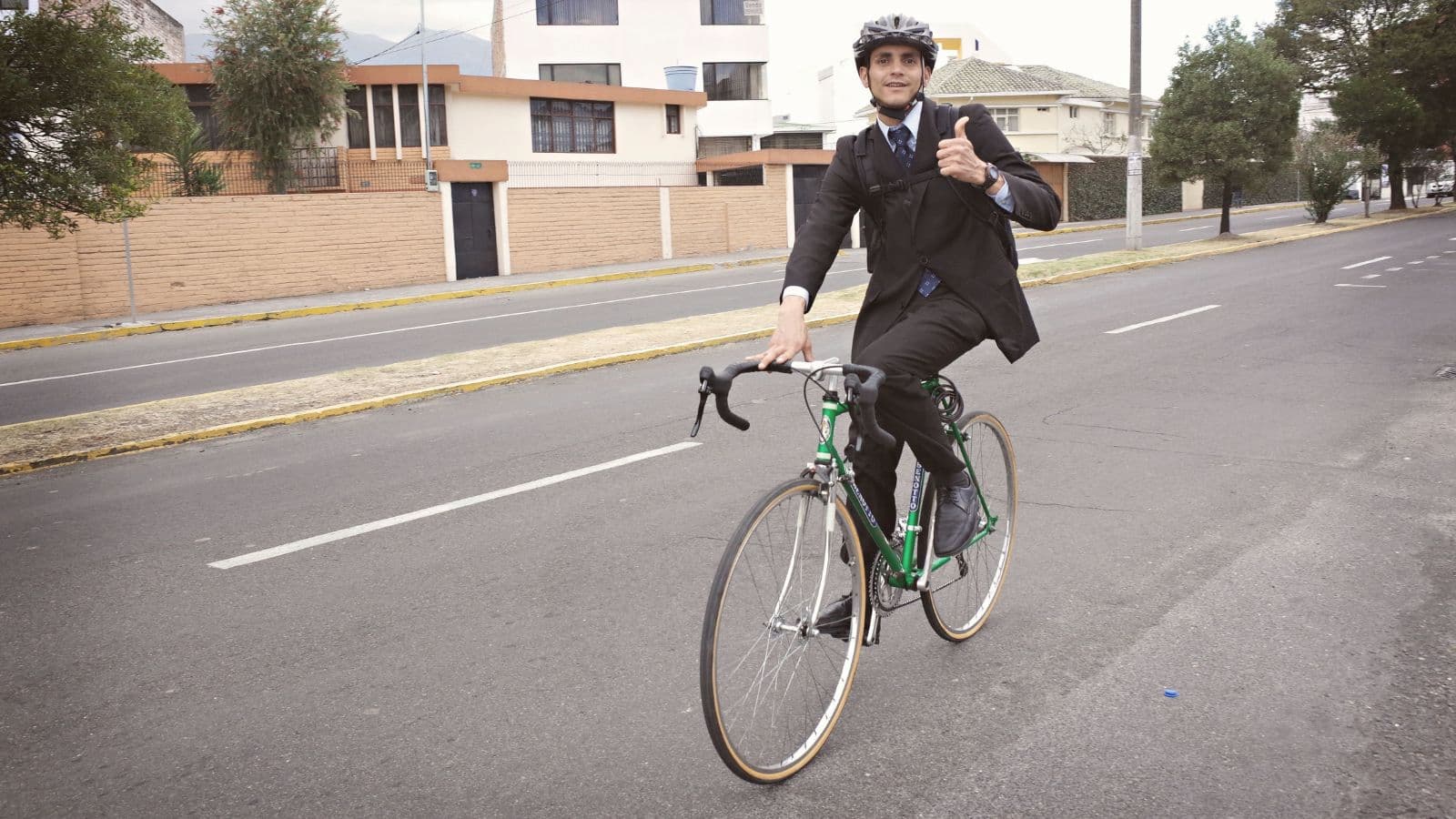


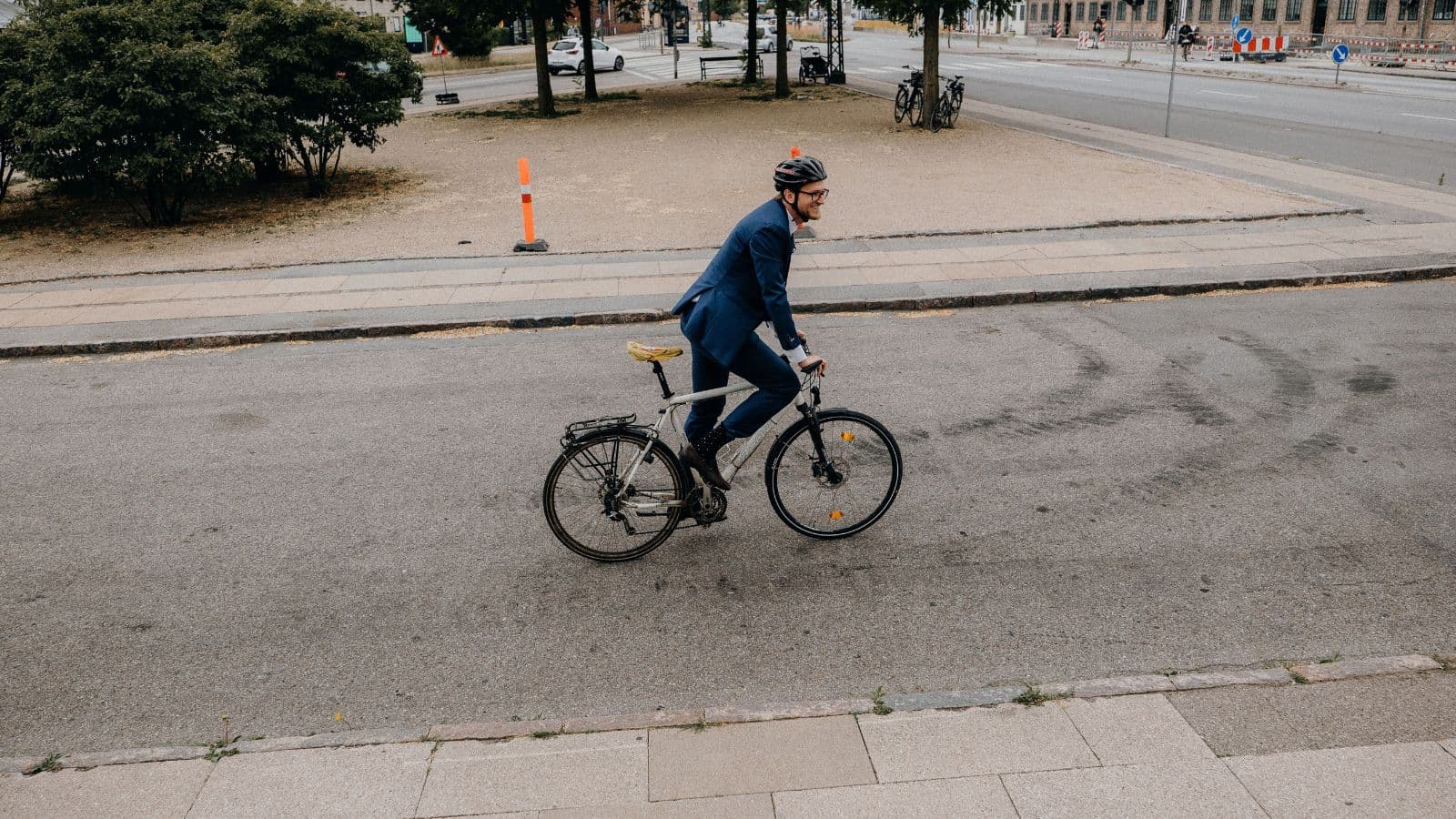
You can turn a bike commute into a triathlon workout by deciding what you want the ride to achieve before you leave. An easy commute can build aerobic fitness, while a suitable route can also include controlled intervals, cadence work, or technique practice. The commute does not need to become a hard workout every day. In fact, one of its biggest advantages is the opportunity to accumulate regular cycling volume without finding a separate block of time for another ride. For triathletes with busy schedules, that can make consistent training easier. However, traffic, intersections, pedestrians, poor road surfaces, and carrying equipment can limit which workouts are appropriate. Use the commute as training when conditions allow, but never let a power target, speed goal, or interval take priority over road safety.
In Short
- Give each commute a specific training purpose.
- Easy commuting can build aerobic fitness.
- Longer routes can increase endurance work.
- Intervals should only be performed on safe, uninterrupted sections.
- Cadence drills can improve pedaling control.
- Hills can provide controlled strength and power work.
- Traffic makes precise workouts difficult.
- Commuting miles count toward total training load.
- Recovery commutes should remain genuinely easy.
- Consistency matters more than making every ride hard.
Start With Easy Aerobic Commuting
The simplest way to use commuting as triathlon training is to ride at an easy, sustainable intensity. You do not need intervals on every journey. Regular comfortable riding can increase weekly cycling volume and contribute to the endurance needed for longer bike legs. This approach fits well with how do you build an aerobic base for triathlon cycling, particularly for athletes who struggle to fit longer standalone sessions around work and family commitments. Keep the effort controlled enough that you could comfortably continue riding.
Add Distance When You Have Time
The shortest route to work is not always the best training route. If your schedule allows, extend either the morning or evening commute by adding a safe loop. A 20-minute journey might become a 40-minute endurance ride without requiring an entirely separate training session. Increase the additional distance gradually. Commuting can make cycling volume accumulate surprisingly quickly, especially when you ride in both directions several days each week.
Treat those kilometers as real training rather than free mileage.
Use Safe Sections for Intervals
A bike commute can include intervals, but only when your route provides suitable uninterrupted sections. Do not perform hard efforts through busy junctions, pedestrian areas, heavy traffic, or locations where you need constant braking. A quieter road or uninterrupted climb may allow controlled intervals. For example, you could perform several short harder efforts separated by easy riding.
The principles in how can interval training improve triathlon cycling speed still apply, but commuting requires more flexibility. If traffic interrupts an interval, abandon the effort rather than trying to compensate by riding dangerously afterward.
Use Hills as Natural Work Intervals
Hills can add structure without requiring you to stare at a bike computer. Ride selected climbs at a controlled moderate or hard effort, then recover once the road flattens. Do not turn every hill into a maximum effort. You still need to manage your total training load, and the return commute may come only a few hours later. Your climbing position can also become part of the session. Understanding when should you climb seated vs standing on a bike helps you practice both approaches rather than automatically standing whenever the road gets steeper.
Practice Your Cadence
Commuting offers frequent opportunities to improve pedaling awareness.
- On safe, flat sections, spend short periods focusing on smooth pedaling at a slightly higher or lower cadence than normal.
- If your hips begin bouncing, reduce the cadence rather than forcing your legs to turn faster.
Learning what is cycling cadence in a triathlon helps you understand how:
- Pedal rate
- Gearing
- Effort interact
making routine commuting more useful for developing a comfortable race cadence.
You do not need to stare continuously at the RPM number.
Practice Smooth Gear Changes
Urban and suburban commuting often requires frequent changes in speed. That makes it a useful environment for practicing gear selection.
- Shift before a hill becomes too steep
- Choose an easier gear before stopping when possible
- Avoid waiting until you are pushing an unnecessarily large gear
Smooth shifting helps maintain rhythm and reduces sudden changes in pedal force. The objective is to make gear selection automatic enough that you can respond naturally to changing terrain during a race.
Improve Bike Handling
Not every useful cycling workout is about cardiovascular fitness. Regular commuting can improve:
- Braking
- Cornering
- Balance
- Gear selection
- General confidence on the bike
These skills matter during triathlon, especially on courses with frequent turns or changing terrain. However, traffic is not the place to deliberately practice aggressive cornering or high speed handling. Use normal commuting to become smoother and more aware, then develop more advanced skills in an appropriate environment.
Use Headwinds as Controlled Resistance
A headwind can turn an ordinary commute into a demanding ride. Do not try to maintain your normal speed regardless of the wind. Instead:
- Reduce speed
- Select an appropriate gear
- Control your effort
The strategies in how to ride in headwinds and crosswinds on a bike are particularly useful for commuters because exposed routes can produce very different workloads from one day to another. Judge the ride by effort rather than average speed.
Make Some Commutes Recovery Rides
If you completed a hard run, swim, or bike workout the previous day, your commute may be better used as easy recovery riding. Use a comfortable gear and keep the effort low. Do not chase other cyclists or turn every traffic light into an acceleration contest. The concept behind why are slower training sessions important for cycling training matters here. Easy rides allow you to add movement without turning every day into another demanding training stimulus. A recovery commute should feel easier when you finish than a normal workout.
Use the Commute for Technique
You can also dedicate individual rides to one simple technical focus. For example, concentrate on:
- Smooth pedaling
- Relaxed upper body position
- Controlled braking
- Maintaining a stable cadence
Do not try to correct five things simultaneously. Simple practice repeated frequently is more useful. Work inspired by what cycling drills help improve triathlon bike technique can sometimes be incorporated into safe sections of a commute, provided the drill does not reduce your awareness or control around traffic.
Do Not Chase Average Speed
Average commuting speed is heavily influenced by:
- Traffic lights
- Junctions
- Road surfaces
- Wind
- Congestion
It is therefore a poor measure of whether your workout was successful. A slower commute may still provide exactly the training stimulus you wanted.
- If the goal was an easy aerobic ride, finishing with a low average speed is irrelevant.
- If the goal was intervals, judge the controlled efforts rather than the speed of the entire journey.
Training quality matters more than producing an impressive number on your cycling computer.
Account for the Extra Training Load
The convenience of commuting can hide how much training you are actually doing. A 30-minute ride to work and another 30 minutes home produces five hours of cycling across a five-day working week. That is meaningful training volume. Adding:
- Long weekend rides
- Running
- Swimming
- Strength sessions
on top can create substantial fatigue. Pay attention to recovery and avoid increasing commuting distance too quickly. The goal is to make commuting support your triathlon program rather than quietly overwhelm it.
Match the Commute to Your Race Goals
As your race approaches, some commuting sessions can become more specific. You might use longer uninterrupted sections to practice your expected race effort, cadence, or position. However, a commute usually cannot replace every dedicated cycling session.
- Long rides
- Precise intervals
- Race position practice
- Fueling
- Sustained race specific work
may still require separate sessions. Guidance from how should cycling workouts change for different race distances can help determine which workouts are important enough to perform outside the commute. Use commuting to complement the plan rather than forcing the entire plan into the journey to work.
Remember the Triathlon Run
The goal is not simply to become a better commuter. Your cycling needs to support performance across the whole triathlon. If frequent hard commuting leaves your legs constantly tired, your running quality may suffer. Triathletes should consider how can you bike smarter to improve your triathlon run when deciding how many commuting rides should be hard. Sometimes the most useful bike commute is deliberately easy because an important run session is scheduled later.
Common Mistakes
- Making every commute a hard workout.
- Performing intervals in heavy traffic.
- Chasing average speed between intersections.
- Ignoring commuting miles when calculating training volume.
- Turning every hill into a maximum effort.
- Riding hard when the day should be for recovery.
- Watching power or cadence instead of the road.
- Adding large detours too quickly.
- Assuming commuting can replace every dedicated bike workout.
Practical Tips
- Decide the purpose of the ride before leaving.
- Keep most commuting controlled and sustainable.
- Use only safe, uninterrupted roads for structured efforts.
- Add distance gradually when you have extra time.
- Practice smooth cadence and gear changes.
- Use hills and wind according to effort rather than speed.
- Keep recovery commutes genuinely easy.
- Include commuting in your weekly training volume.
- Prioritize traffic awareness over workout targets.
Actionable Takeaways
A bike commute can be valuable triathlon training without becoming complicated. Use easy rides to build aerobic fitness and accumulate cycling volume. On appropriate routes, add controlled intervals, hill efforts, cadence work, or simple technique practice. Do not make every journey hard.
Commuting works particularly well because it creates frequent, repeatable training opportunities, but those miles still contribute to fatigue. Plan harder commutes around your swimming and running, and keep easier days easy. Most importantly, road safety always comes before completing the workout. An interrupted interval can be repeated another day; taking unnecessary risks in traffic is never worthwhile.