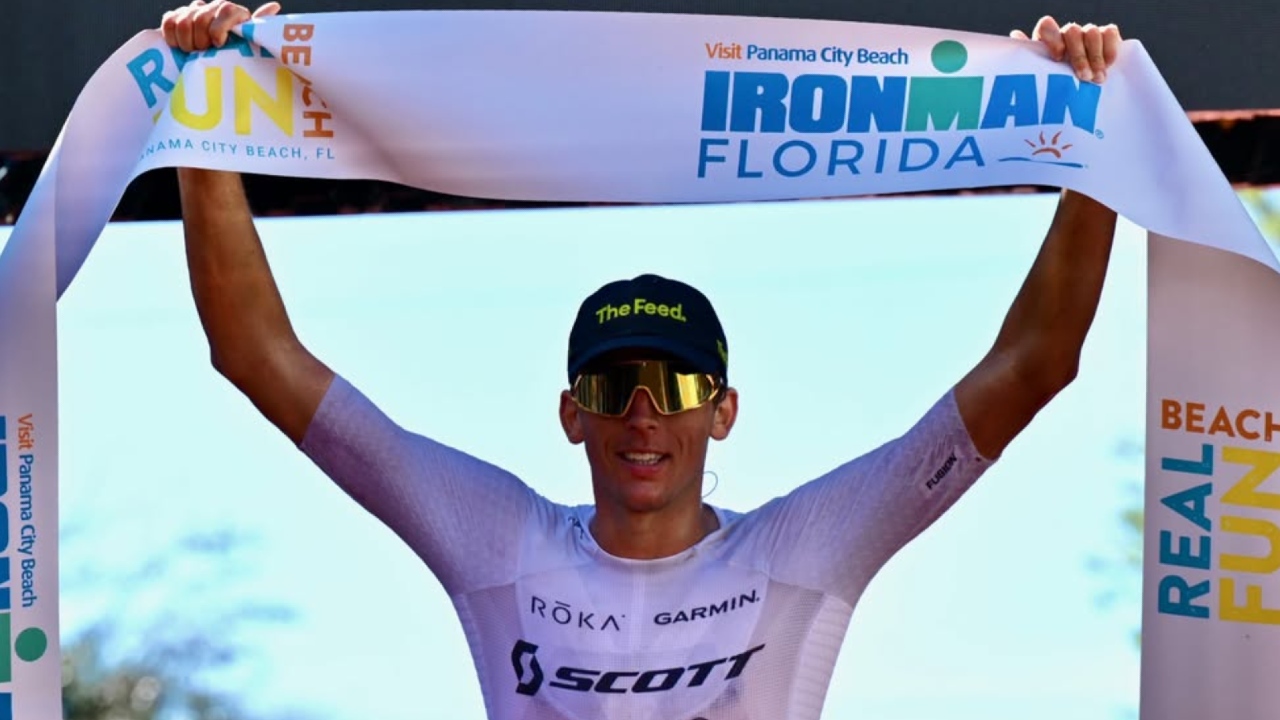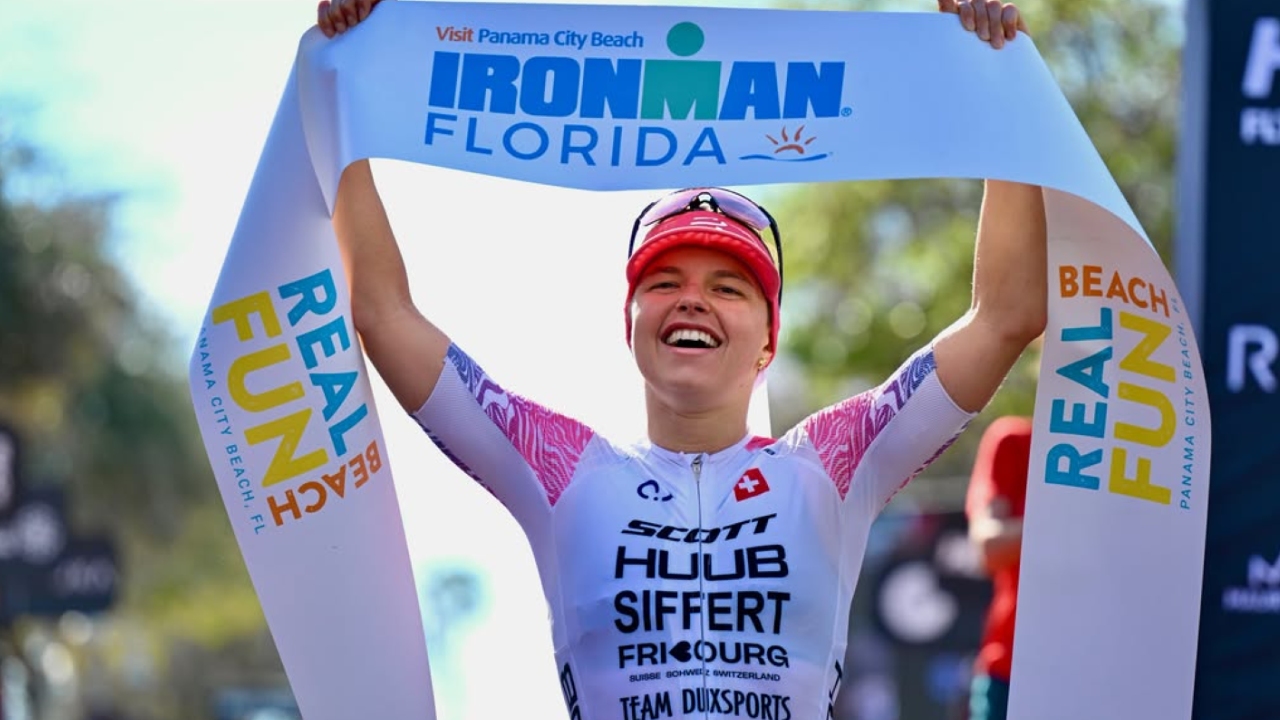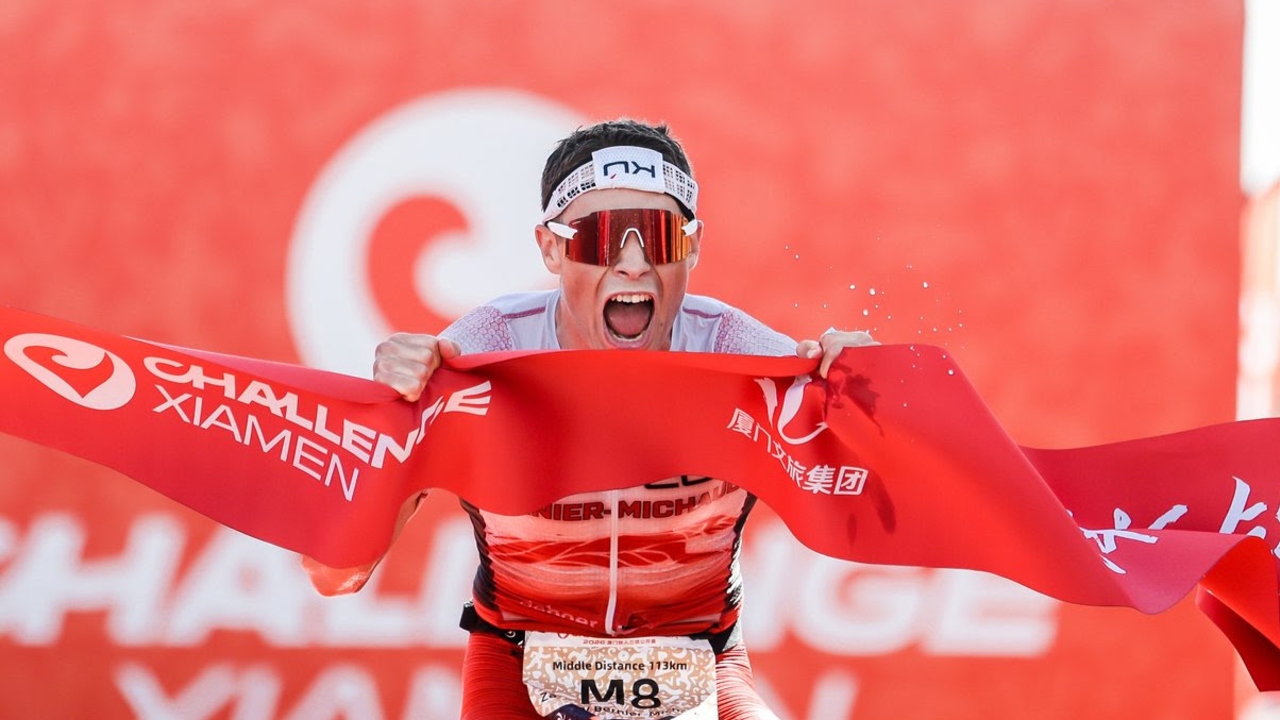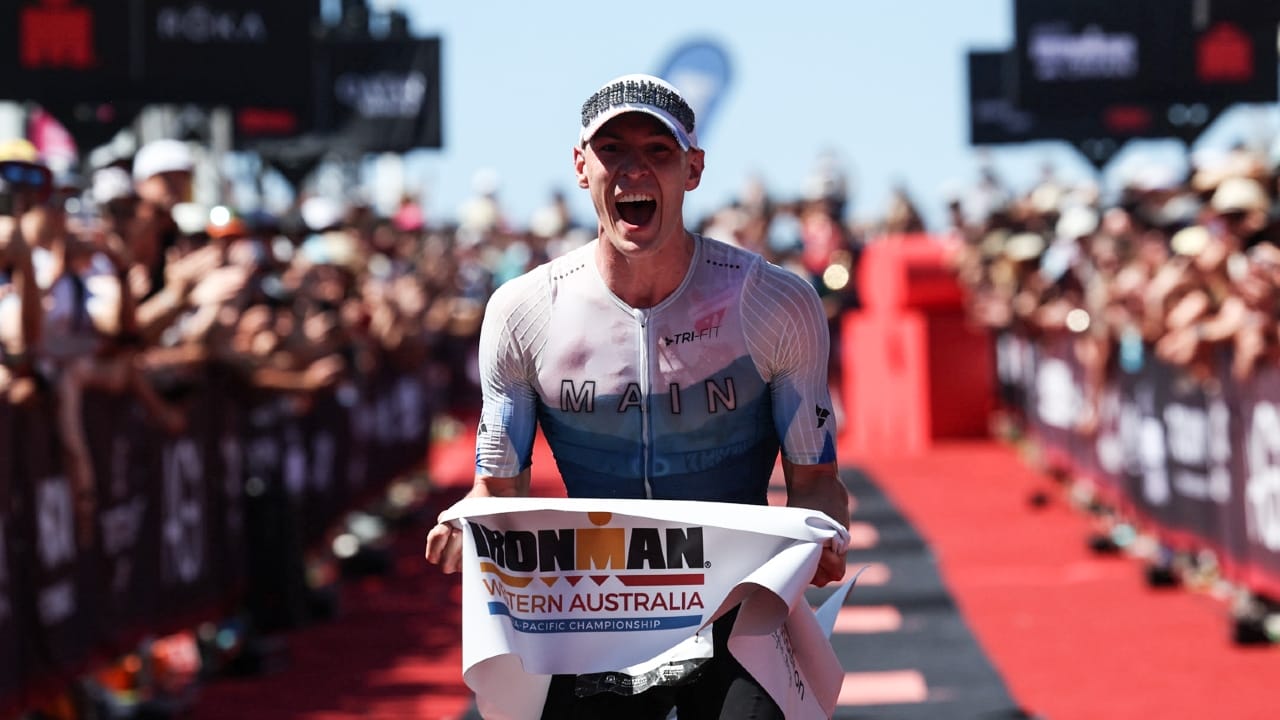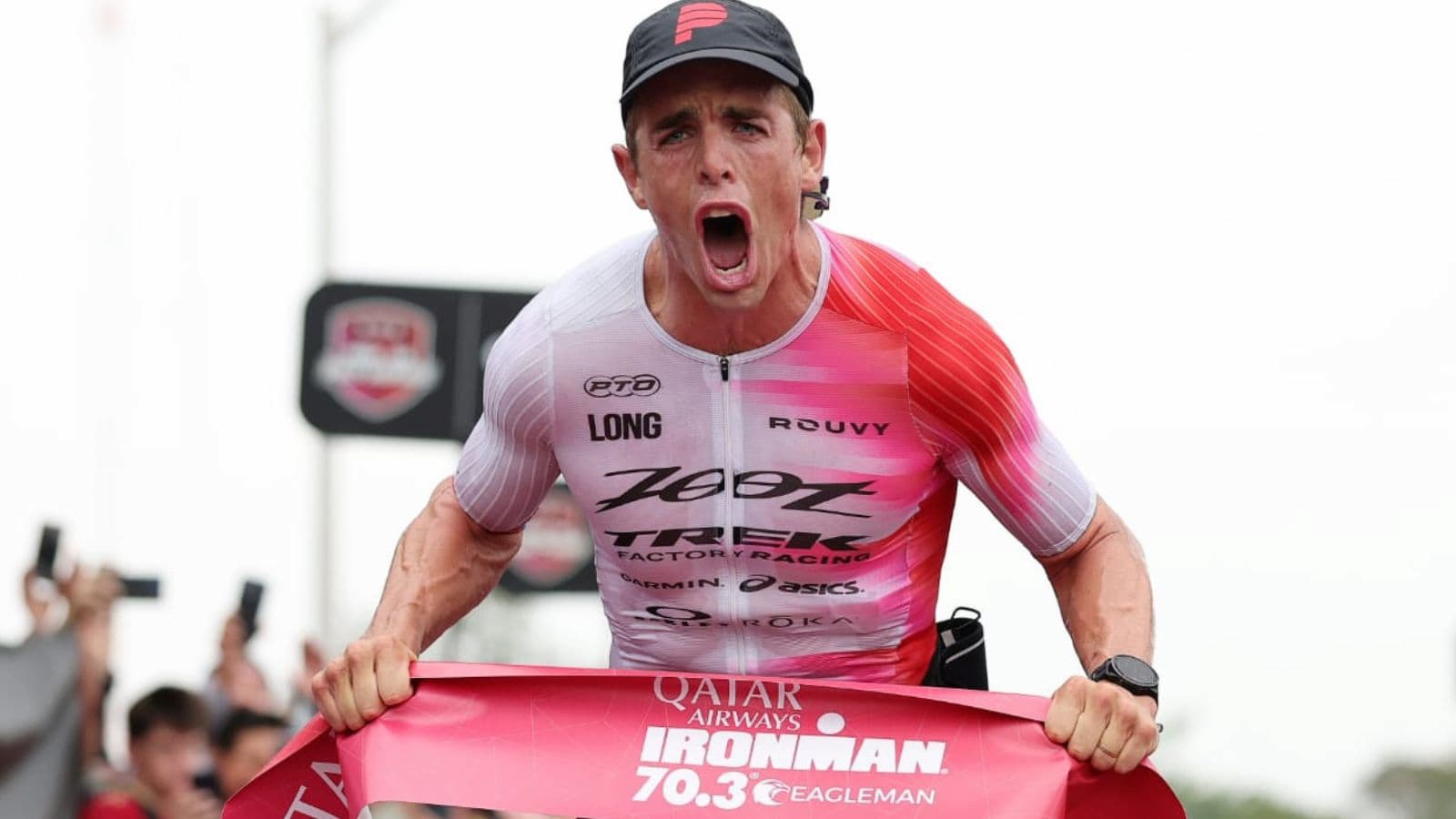


To move up to a half Ironman, triathletes should gradually increase endurance, develop consistent training habits, and practice fueling and pacing for longer efforts. A half Ironman, also known as a 70.3 triathlon, involves a 1.9 km swim, 90 km bike ride, and 21.1 km run. Preparing for these distances requires more than simply extending your existing workouts. Athletes moving from sprint or Olympic distance triathlons often have experience with transitions, race equipment, and managing three disciplines. However, the longer duration introduces additional challenges involving muscular endurance, nutrition, hydration, and fatigue. Training for a half Ironman does not mean every session must be long or difficult. A balanced program combines comfortable aerobic training, selected higher intensity workouts, recovery, and gradual increases in duration.
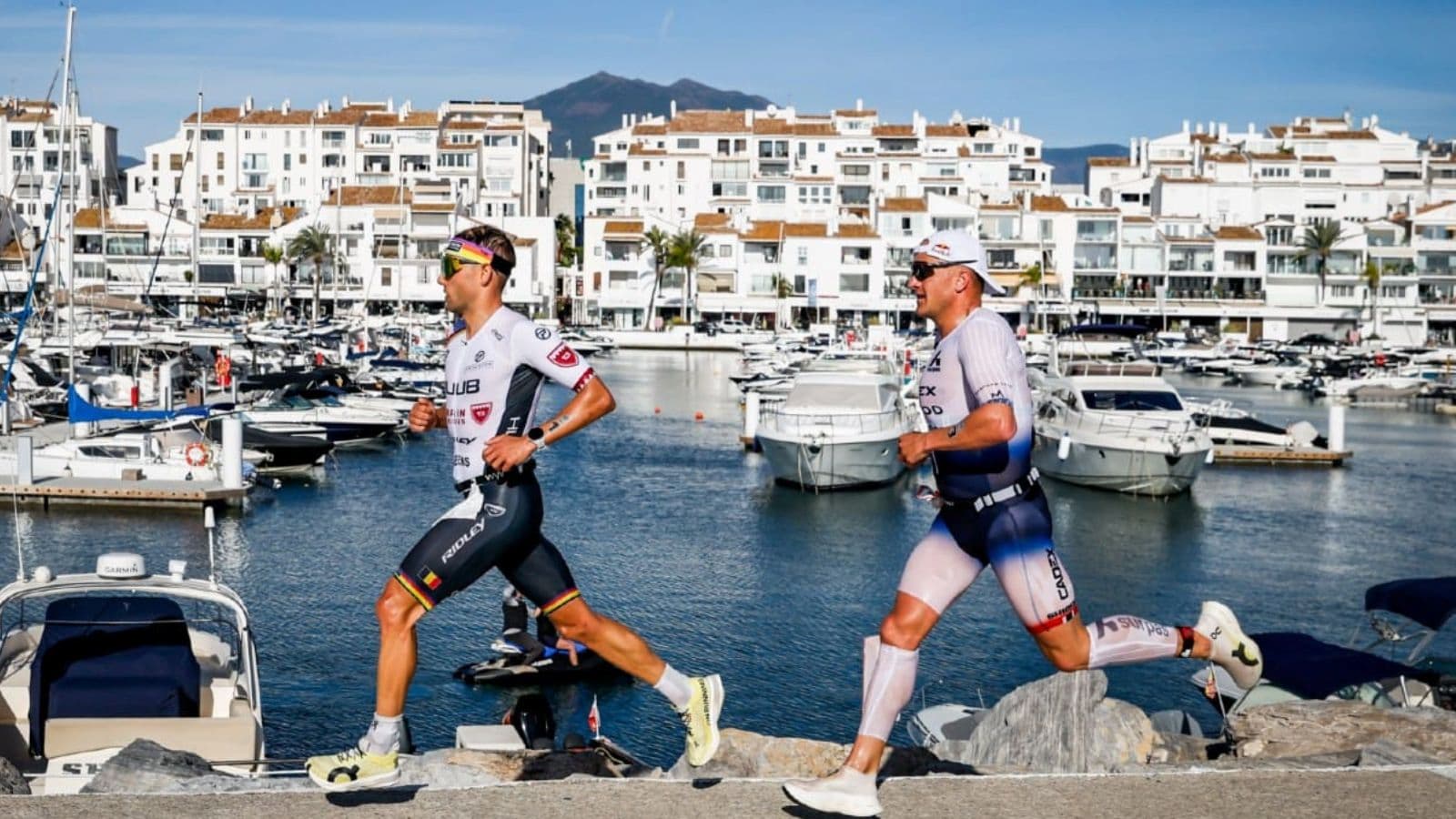
For first time 70.3 athletes, the priority should be completing the event safely and confidently. Building fitness consistently, testing equipment, and learning to manage effort can make the transition more achievable and enjoyable.
In Short
- Build a consistent training routine before increasing distance.
- Allow several months for structured preparation.
- Develop endurance across all three disciplines.
- Increase long rides and runs gradually.
- Practice open water swimming.
- Learn to fuel during extended exercise.
- Include bike-to-run workouts.
- Prioritize recovery and sustainable pacing.
- Practice race day equipment and nutrition.
Are You Ready to Move Up to a Half Ironman?
Before entering a 70.3 race, assess your current training consistency and experience. You do not need to have completed every shorter triathlon distance, but some racing experience can be helpful. Understanding how do you know if you are ready for a triathlon can help athletes evaluate their swimming confidence, cycling ability, and running preparation.
Useful starting points include:
- Training consistently across three disciplines.
- Swimming comfortably without frequent stops.
- Completing moderate endurance rides.
- Running regularly without persistent discomfort.
- Managing recovery between workouts.
- Having enough time for longer training sessions.
If these foundations are missing, focus on developing them before increasing training demands.
How Long Does Half Ironman Training Take?
Preparation time depends on experience and current fitness. An athlete with a strong Olympic distance background may require less time than someone relatively new to endurance sports. Many first time athletes benefit from approximately four to six months of structured preparation after establishing basic fitness. Training should progress through endurance development, race specific preparation, and tapering. Avoid selecting an aggressive race date that requires sudden increases in training volume.
Build Your Weekly Training Schedule
A balanced schedule should include swimming, cycling, running, and recovery. Understanding how to combine swim, bike and run training effectively can help athletes distribute sessions without creating unnecessary fatigue.
A typical recreational training week might include:
| Discipline | Weekly sessions | Main purpose |
|---|---|---|
| Swimming | 2–3 | Technique and endurance |
| Cycling | 2–3 | Aerobic fitness and sustained riding |
| Running | 2–3 | Running endurance and consistency |
| Strength | 1–2 | Muscular strength and stability |
| Recovery | Regular easy days | Manage accumulated fatigue |
These are examples rather than mandatory training frequencies.
Adjust the schedule around work, family responsibilities, and recovery capacity.
Develop Swimming Endurance
The half Ironman swim covers 1.9 km, usually in open water. Athletes should develop the ability to swim continuously while maintaining comfortable breathing and efficient technique. Understanding how can you improve your swim stamina for a triathlon can help swimmers gradually increase training duration.
Useful sessions include:
- Comfortable continuous swimming.
- Repeated moderate distance intervals.
- Technique drills.
- Open water practice when conditions are safe.
Avoid focusing exclusively on swimming speed.
Confidence, navigation, and controlled effort are especially important for first time athletes.
Increase Cycling Endurance
The 90 km bike leg represents a substantial portion of a half Ironman. Longer rides help develop endurance and provide opportunities to practice fueling and race position. Understanding how to build an aerobic base for triathlon cycling can help athletes prepare for sustained efforts without relying on excessive intensity. Gradually extend selected weekend rides according to your experience. Practice riding at a pace that leaves enough energy for the half marathon afterward.
Prepare for the Half Marathon Run
Running 21.1 km after cycling is different from completing a standalone half marathon. Fatigue from the bike leg can affect running form, perceived effort, and pacing. Understanding how can you reduce fatigue during the triathlon run leg can help athletes prepare for these demands. Training should include regular easy runs and progressively longer endurance sessions. You do not need to run a full half marathon after every long bike workout. The goal is to develop sufficient endurance while managing the total workload.
Practice Bike to Run Transitions
Brick workouts combine cycling and running within the same session. They help athletes become familiar with running after spending time on the bike.
An example session might include:
- Ride comfortably for 90 minutes.
- Transition into running shoes.
- Run easily for 15 minutes.
- Focus on controlled pacing.
Understanding how can you bike smarter to improve your triathlon run can help athletes recognize why cycling effort influences subsequent running performance. Keep most brick runs short and manageable.
Learn to Fuel for Longer Racing
Fueling becomes increasingly important as race duration increases. Athletes need to practice consuming carbohydrates and fluids during longer training sessions. Understanding what should triathletes eat for better training and recovery can help athletes establish suitable everyday nutrition habits. During prolonged exercise, many athletes aim for approximately 60 to 90 grams of carbohydrate per hour, depending on tolerance and training experience. Start with manageable amounts and practice gradually. Hydration should reflect weather, sweat losses, and individual needs rather than a fixed amount for everyone.
Practice Half Ironman Race Pacing
Starting too aggressively can make the later stages significantly harder. The swim should feel controlled, while the bike effort must remain sustainable enough to support the run. Understanding how to avoid blowing up in a triathlon can help athletes recognize common pacing mistakes.
| Discipline | Pacing priority |
|---|---|
| Swim | Controlled breathing and steady effort |
| Bike | Sustainable intensity and consistent fueling |
| Run | Conservative start and manageable progression |
Avoid trying to match the pace of faster competitors.
Your race strategy should reflect your own training.
Prioritize Recovery and Tapering
Longer workouts create additional fatigue. Rest, sleep, nutrition, and manageable training progression are essential. Understanding what is tapering before a triathlon can help athletes organize the final preparation period. Reduce training demands before race day while maintaining some comfortable movement. Avoid attempting to gain fitness through unusually demanding workouts during the final week.
Common Mistakes
- Increasing training volume too quickly.
- Neglecting swimming confidence.
- Riding too hard before the run.
- Skipping fueling practice.
- Completing too many demanding workouts.
- Ignoring recovery.
- Using unfamiliar race equipment.
- Setting unrealistic finishing targets.
- Starting the race too aggressively.
Practical Tips
- Choose a realistic race date.
- Establish consistent weekly training.
- Increase endurance gradually.
- Practice open water swimming.
- Build confidence on longer rides.
- Include occasional brick workouts.
- Test nutrition during training.
- Prepare equipment before race week.
- Follow an appropriate taper.
Actionable Takeaways
- Build endurance before increasing intensity.
- Train consistently across all disciplines.
- Practice fueling and pacing.
- Protect recovery throughout preparation.
- Approach your first 70.3 with realistic expectations.