

The most effective treadmill workouts for improving triathlon running performance include easy endurance runs, tempo intervals, hill repeats, progressive runs, and controlled speed sessions. These workouts help develop aerobic fitness, running efficiency, pacing control, and the ability to maintain effort during the final discipline of a triathlon. Treadmills provide a controlled training environment where athletes can adjust speed, incline, and workout duration. This makes them particularly useful when outdoor weather, limited daylight, or busy schedules make running difficult. However, treadmill training should complement rather than completely replace outdoor running. Road surfaces, wind resistance, terrain changes, and race conditions introduce demands that indoor running cannot fully reproduce.
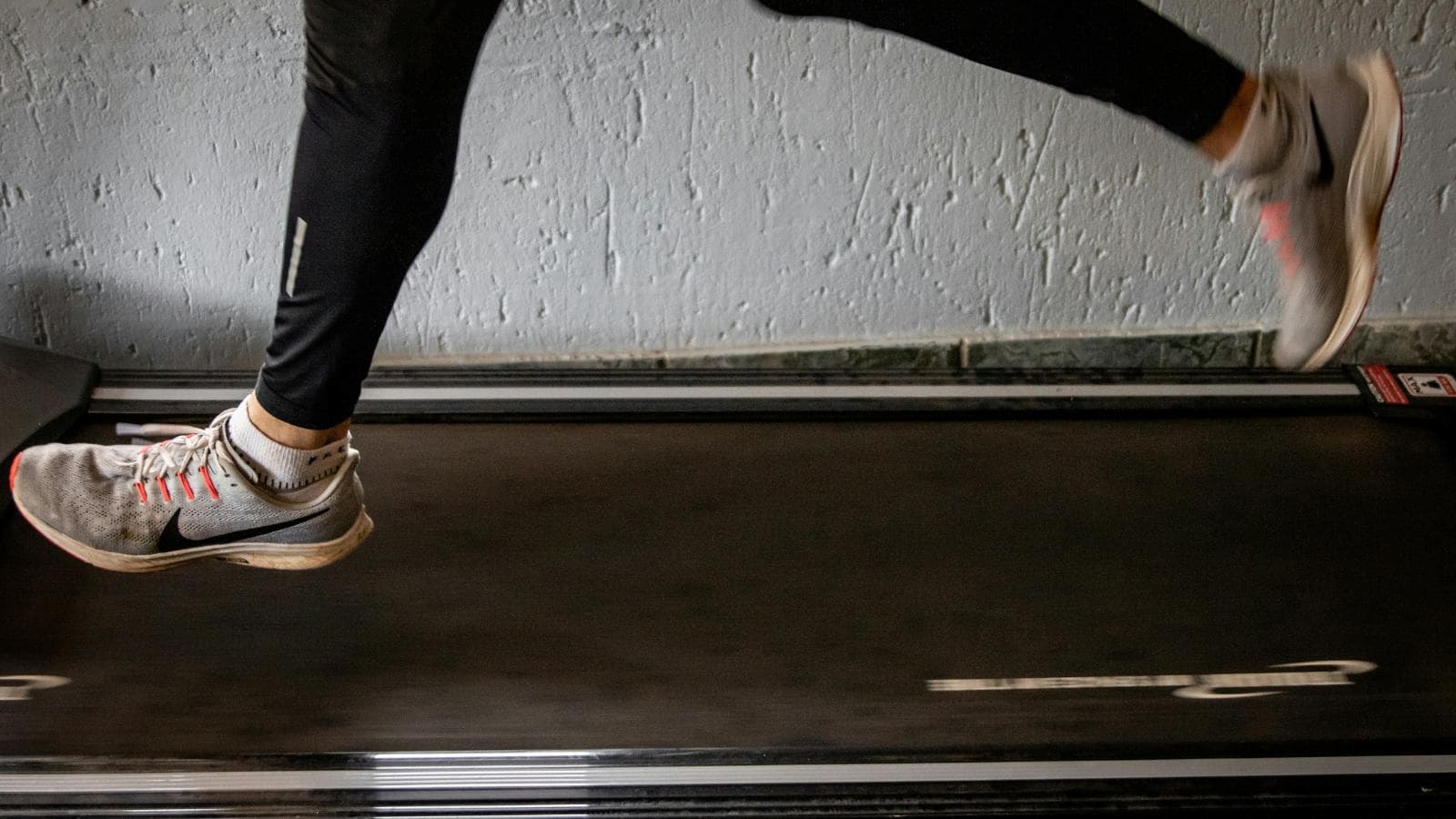
For beginners and experienced triathletes alike, the key is selecting workouts that match their fitness and race goals. Combining different treadmill sessions with appropriate recovery can improve running performance without adding unnecessary training stress.
In Short
- Easy treadmill runs develop endurance.
- Tempo workouts improve sustained running effort.
- Hill repeats build strength and climbing ability.
- Interval sessions develop speed and aerobic capacity.
- Progressive runs improve pacing control.
- Brick workouts prepare athletes to run after cycling.
- Incline should reflect the workout objective.
- Recovery is essential for consistent improvement.
Benefits of Treadmill Training for Triathletes
Treadmills allow athletes to control running conditions and repeat workouts consistently.
Their main advantages include:
- Accurate speed adjustments.
- Adjustable incline.
- Convenient indoor training.
- Consistent workout structure.
- Reduced dependence on weather.
- Easier monitoring of training intensity.
Treadmill running can also help athletes become familiar with different paces. However, the belt controls speed, so runners should avoid relying exclusively on treadmill workouts to develop outdoor pacing judgment.
Workout 1: Easy Endurance Running
Easy treadmill running helps develop aerobic endurance while keeping training intensity manageable.
These sessions are particularly useful between demanding swimming, cycling, and running workouts.
Example workout
- Warm up: 5 minutes of comfortable walking or jogging.
- Main session: 20–40 minutes of easy running.
- Cool down: 5 minutes of relaxed jogging or walking.
Maintain a conversational effort throughout. Understanding how to build an aerobic base for triathlon running can help athletes recognize why comfortable endurance training supports longer races. Avoid increasing speed simply because the treadmill makes pace easy to monitor.
Workout 2: Tempo Intervals
Tempo running develops the ability to sustain a comfortably hard effort. For many athletes, this intensity feels controlled but requires concentration, with conversation limited to short phrases.
Example workout
- Warm up: 10 minutes of easy running.
- Main session: 3 × 8 minutes at tempo effort.
- Recovery: 3 minutes of easy jogging between intervals.
- Cool down: 5–10 minutes.
Understanding how should triathletes pace a tempo run can help athletes avoid beginning these workouts too aggressively. Tempo intervals should feel challenging without becoming an all-out effort.
Workout 3: Hill Repeats
Treadmill incline workouts help develop climbing strength and cardiovascular fitness. They also allow athletes to practice sustained uphill running without needing access to outdoor hills.
Example workout
- Warm up: 10 minutes of easy running.
- Main session: 6 × 2 minutes at a 4–6% incline.
- Recovery: 2 minutes of easy running at a low incline.
- Cool down: 10 minutes.
Reduce speed as incline increases to maintain control. Understanding how does hill running improve fitness strength and endurance can help triathletes incorporate climbing sessions appropriately. Avoid holding the treadmill handrails during normal running, as this changes body mechanics.
Workout 4: Controlled Speed Intervals
Speed intervals develop the ability to run faster for short periods while maintaining technique. They can also improve aerobic capacity when performed at an appropriate intensity.
Example workout
- Warm up: 10–15 minutes of easy running.
- Main session: 6 × 2 minutes at a hard but controlled effort.
- Recovery: 2 minutes of easy jogging.
- Cool down: 10 minutes.
The treadmill should reach the intended speed before the timed effort begins. Understanding how can you increase running speed without overtraining can help triathletes balance demanding sessions with recovery. Beginners should start with fewer repetitions or shorter intervals.
Workout 5: Progressive Running
A progressive run gradually increases intensity from easy to moderately challenging.
This helps athletes practice controlling effort instead of starting too quickly.
Example workout
| Segment | Duration | Effort |
|---|---|---|
| Warm-up | 10 minutes | Easy |
| First section | 10 minutes | Comfortable |
| Second section | 10 minutes | Steady |
| Final section | 5–10 minutes | Moderately hard |
| Cool down | 5 minutes | Easy |
Understanding what is a negative split in triathlon running can help athletes recognize the value of finishing faster than they started. The final section should remain controlled rather than becoming a sprint.
Workout 6: Treadmill Brick Running
Brick workouts combine cycling and running within the same training session. They help triathletes become familiar with the sensations of running after cycling.
Example workout
- Cycling: 30–45 minutes at a comfortable to moderate effort.
- Transition: Move safely to the treadmill.
- Running: 10–20 minutes at an easy, controlled pace.
- Cool down: 5 minutes of walking.
Understanding how can you reduce fatigue during the triathlon run leg can help athletes appreciate why bike pacing influences subsequent running performance. Begin slowly and allow your legs to adjust. Brick workouts do not need to be long or exhausting to provide useful practice.
Choosing the Right Treadmill Workout
Different workouts develop different aspects of running fitness.
| Workout | Primary benefit | Suggested frequency |
|---|---|---|
| Easy endurance | Aerobic development | Regularly |
| Tempo intervals | Sustained effort | Occasionally |
| Hill repeats | Climbing strength | Occasionally |
| Speed intervals | Faster running | Occasionally |
| Progressive run | Pacing control | Periodically |
| Brick run | Bike-to-run adaptation | Periodically |
These are general guidelines rather than a requirement to complete every workout each week. Understanding how should triathlon running workouts change for different race distances can help athletes select sessions that match their event. Sprint triathletes may emphasize shorter efforts, while long-distance athletes generally require greater endurance development.
Managing Treadmill Speed and Incline
Treadmill settings should reflect the intended workout rather than arbitrary performance targets. A 1% incline is sometimes used to approximate aspects of outdoor running, but it is not universally necessary.
Useful guidelines include:
- Start at a manageable speed.
- Increase incline gradually.
- Avoid abrupt speed changes.
- Maintain natural running posture.
- Adjust intensity according to perceived effort.
Understanding how can you improve your triathlon running form can help athletes maintain efficient movement during indoor workouts.
Preventing Excessive Training Fatigue
Treadmill workouts can feel convenient, making it tempting to add unnecessary training volume. However, indoor running still creates physical stress. Understanding how should triathletes balance easy and hard training can help athletes distribute demanding sessions appropriately. Avoid scheduling challenging treadmill intervals immediately after exhausting cycling or running workouts unless specifically planned. Recovery remains essential regardless of training location.
Using Treadmills During Limited Training Time
Treadmills can make short, structured workouts easier to complete. For athletes balancing work, family responsibilities, and triathlon preparation, consistency may be more valuable than occasional excessively demanding sessions. Understanding how should you adjust triathlon training when time is limited can help athletes prioritize effective workouts without neglecting recovery. Even a comfortable 20-minute run can contribute to a consistent training routine.
Common Mistakes
- Running every treadmill session too fast.
- Increasing incline excessively.
- Holding the handrails while running.
- Skipping warm-ups.
- Adding too many demanding intervals.
- Ignoring running technique.
- Relying entirely on treadmill training.
- Increasing speed beyond safe control.
Practical Tips
- Begin workouts with a gradual warm-up.
- Use perceived effort alongside treadmill pace.
- Keep easy sessions genuinely comfortable.
- Adjust incline according to workout goals.
- Practice controlled pacing.
- Include occasional outdoor runs.
- Leave adequate recovery between hard sessions.
- Stop immediately if you feel unsafe or lose control.
Actionable Takeaways
- Combine endurance, tempo, and interval workouts.
- Use incline training selectively.
- Practice running after cycling.
- Match workouts to race distance.
- Prioritize consistency and recovery.