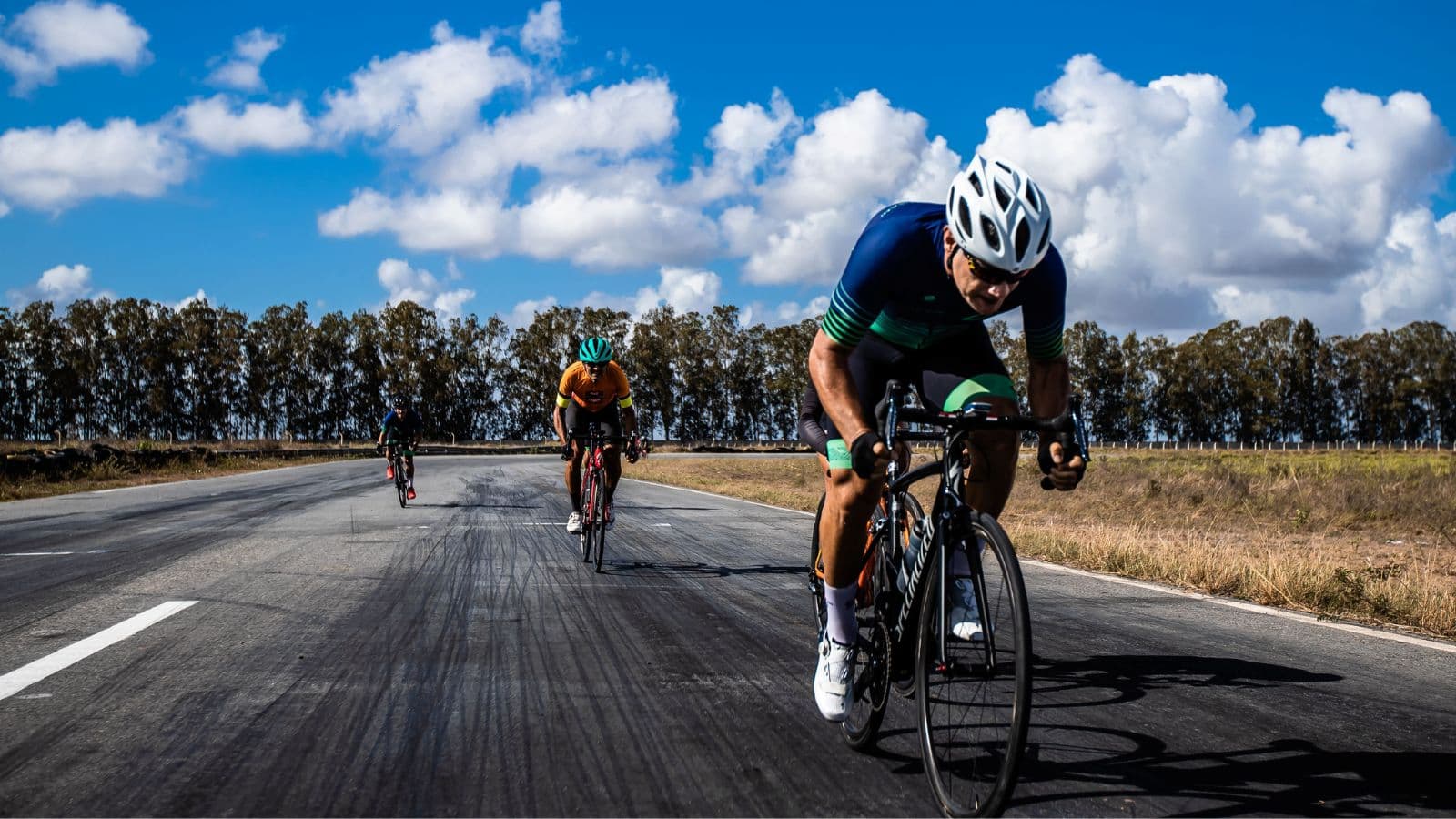


Bike-packing is a form of self-supported cycling where riders carry the equipment needed for a journey directly on their bikes. Trips can range from an overnight adventure on local roads to multi-day journeys across gravel tracks, mountain trails and remote countryside. Unlike traditional cycle touring, bike-packing typically uses compact bags attached directly to the frame, handlebars and saddle. For triathletes, bike-packing can provide much more than an adventurous break from normal training. Long hours of steady cycling can develop aerobic endurance, improve comfort on the bike and strengthen the mental resilience needed for long-course racing. However, because bike-packing can create considerable training fatigue, it works best when incorporated strategically rather than simply adding more riding to an already demanding swim, bike, & run schedule.
In Short
- Bike-packing combines cycling with lightweight travel.
- Trips can last from one night to several days.
- Long rides can improve aerobic endurance.
- Varied terrain develops bike-handling ability.
- Consecutive riding days build durability.
What Is Bike-packing?
Bike-packing involves carrying your equipment on your bicycle while travelling under your own power.
Depending on the trip, you might carry:
- Food.
- Water.
- Clothing.
- Repair equipment.
- Sleeping equipment.
- Navigation devices.
The objective isn’t necessarily to ride as quickly as possible. Most bike-packing trips prioritise exploration, self-sufficiency and covering significant distances efficiently.
How Is Bike-packing Different From Normal Triathlon Cycling?
Traditional triathlon bike training is highly structured.
A typical session may involve:
- Power targets.
- Heart-rate zones.
- Intervals.
- Cadence targets.
- Race-specific positioning.
Bike-packing is generally less structured. Instead of completing predetermined intervals, you’re often riding steadily for several hours while responding to hills, weather, road surfaces and the additional weight carried on your bike. Triathletes accustomed to structured riding can use how to become a more efficient cyclist to focus on economical movement during these longer adventures.
Bike-packing Can Build Aerobic Endurance
One of the biggest potential benefits is the amount of low-to-moderate intensity cycling accumulated during a trip. Long steady rides challenge your cardiovascular system while teaching your body to sustain exercise for extended periods.
This can improve:
- Aerobic capacity.
- Muscular endurance.
- Fatigue resistance.
- Long-distance comfort.
Understanding what is zone 2 cycling in a triathlon can help triathletes keep appropriate bike-packing sections controlled rather than unnecessarily turning every climb into a hard effort.
It Develops Cycling Durability
A single long ride tests endurance. Riding again the following morning introduces another challenge: performing with residual fatigue. Multi-day bike-packing can therefore develop the ability to keep producing a sustainable effort after accumulating many hours on the bike. That durability can be valuable for long-course triathletes, particularly when preparing for events where maintaining cycling efficiency is more important than producing short bursts of maximum power.
It Can Improve Bike Handling
Bike-packing routes may include:
- Gravel.
- Rough roads.
- Loose surfaces.
- Steep climbs.
- Technical descents.
The additional weight from bags also changes how your bicycle responds. Regular exposure to varied terrain can improve braking, cornering, balance and general confidence. Triathletes can complement this experience with how to improve bike handling and cornering outdoors to become more comfortable controlling the bike in changing conditions.
Long Climbs Develop Strength Endurance
A loaded bicycle makes climbing considerably harder.
Instead of attacking every hill, focus on:
- Selecting easier gears.
- Maintaining a sustainable cadence.
- Controlling your breathing.
- Keeping effort consistent.
Learning how to get better at climbing on the bike in triathlon can help you manage longer climbs efficiently without exhausting yourself early in the day.
Bike-packing Teaches Better Pacing
When you know several hours of cycling remain, aggressive early riding quickly becomes costly.
Successful bike-packing encourages you to:
- Start conservatively.
- Manage climbs.
- Control intensity.
- Preserve energy.
- Think several hours ahead.
These habits transfer well to long-course triathlon, where poor early pacing can compromise both the bike and run. Using principles from how to pace and fuel the bike leg in a triathlon can help you manage effort while simultaneously practising sustainable nutrition.
Nutrition Becomes Part of the Training
Long bike-packing days require regular fuelling.
Depending on duration and intensity, you’ll need to practise:
- Eating while riding.
- Carrying enough carbohydrates.
- Finding additional food en route.
- Managing hydration.
- Adjusting intake throughout the day.
This makes bike-packing an opportunity to develop practical endurance nutrition habits. What to eat during long rides in a triathlon provides directly relevant principles for keeping energy available during extended cycling sessions.
Hydration Requires More Planning
Water access may be limited on remote routes.
Before leaving, identify:
- Refill locations.
- Shops.
- Water fountains.
- Expected temperatures.
- Distance between supplies.
Hot conditions dramatically increase fluid requirements, so understanding how much should you drink per hour when cycling in hot weather can help you develop a more appropriate hydration plan for longer adventures.
It Can Refresh Your Motivation
Triathlon training can become repetitive when every session revolves around splits, power numbers and race preparation.
Bike-packing introduces:
- Exploration.
- New routes.
- Different terrain.
- Less focus on performance metrics.
- A clear sense of adventure.
For athletes struggling mentally with repetitive training, this change can make cycling enjoyable again while still maintaining useful endurance work.
Don’t Turn Every Bike-packing Trip Into a Training Camp
More riding isn’t automatically better.
A demanding multi-day trip creates substantial fatigue, particularly when added to regular swimming and running.
Triathletes should consider:
- Current training load.
- Upcoming races.
- Recovery capacity.
- Trip duration.
- Terrain difficulty.
Following how to reduce injury risk when increasing triathlon volume is particularly important when adding several unusually long cycling days to your normal program.
Where Should Bike-packing Fit Into Triathlon Training?
Bike-packing generally fits best:
- During the off-season.
- During aerobic base training.
- Away from important races.
- As an endurance-focused training weekend.
- During lower-intensity training periods.
It is usually less suitable immediately before an important race because the accumulated fatigue can interfere with quality swim, bike and run sessions.
Common Mistakes
- Planning too much distance initially.
- Carrying unnecessary equipment.
- Starting rides too hard.
- Underestimating elevation.
- Forgetting regular fuelling.
- Failing to plan water stops.
- Adding trips during heavy training blocks.
- Ignoring recovery afterwards.
Practical Tips
- Start with an overnight trip.
- Choose a manageable route.
- Keep equipment lightweight.
- Check your bike before leaving.
- Carry essential repair equipment.
- Eat and drink consistently.
- Keep most riding controlled.
- Schedule recovery afterwards.
Actionable Takeaways
Bike-packing can be a valuable addition to triathlon training when used strategically. Long hours of steady riding develop aerobic endurance and cycling durability, while varied terrain can improve bike handling, pacing and confidence.
However, the goal shouldn’t be to add as much cycling volume as possible. Begin with shorter adventures, keep your effort controlled and allow sufficient recovery afterwards. Used at the right point in your season, bike-packing can provide both useful endurance training and a refreshing change from structured triathlon workouts.