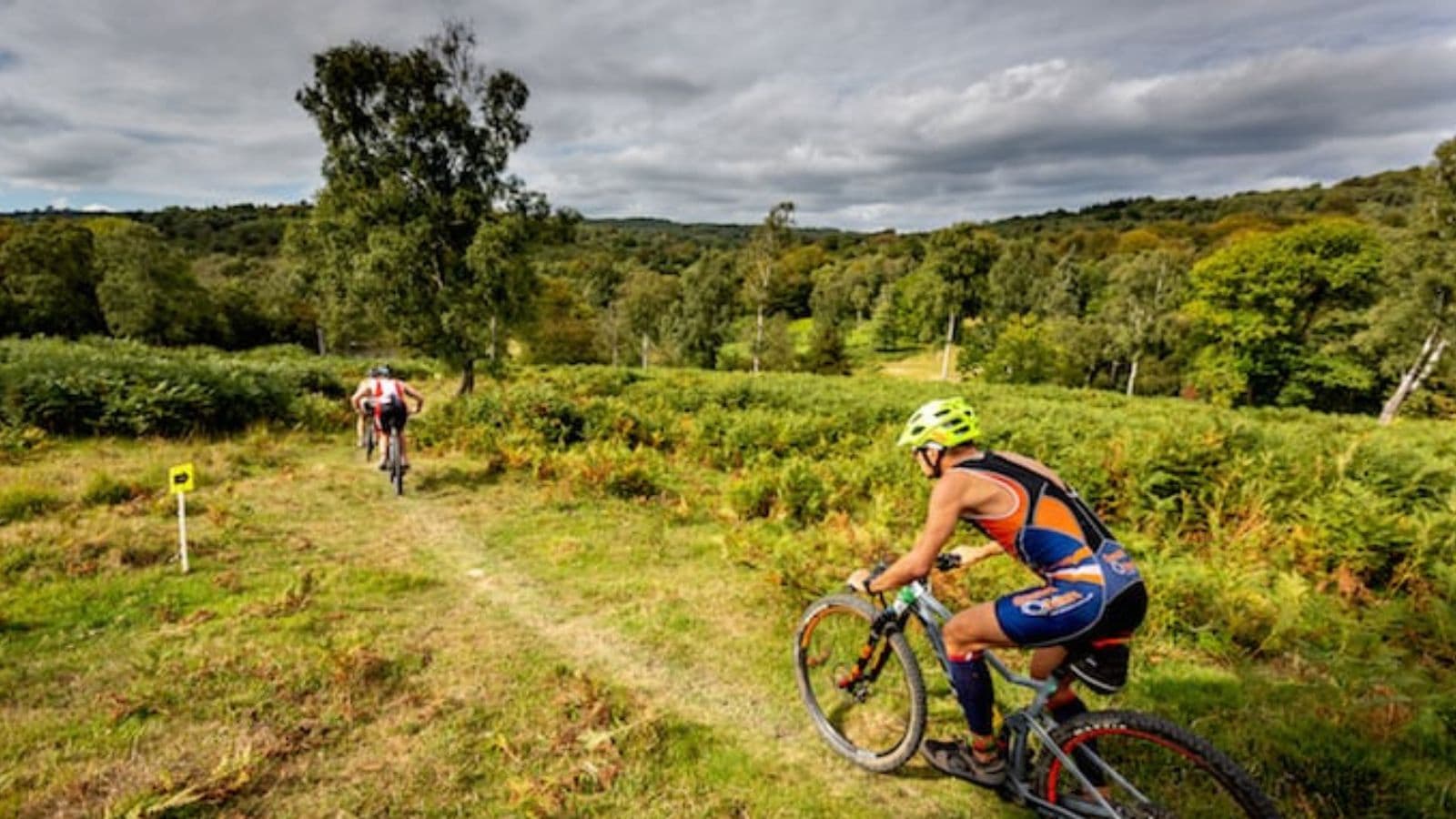


The most common mistakes when cycling downhill include entering corners too quickly, braking suddenly, using poor body positioning, and failing to anticipate changes in road conditions. Avoiding these errors helps triathletes maintain control, improve confidence, and descend more safely during training and racing. Descending can feel intimidating, particularly for beginners who are unfamiliar with steep roads, sharp bends, or high speeds. Unlike climbing, where effort usually limits speed, downhill cycling requires careful judgment because gravity can accelerate the bike rapidly. Safe descending depends on looking ahead, choosing an appropriate speed, applying brakes progressively, and maintaining a stable riding position. These skills become especially important when roads are wet, visibility is limited, or other cyclists are nearby. For triathletes, effective descending is not simply about riding faster. The priority is maintaining control, avoiding unnecessary risks, and reaching the next section of the course safely.
In Short
- Reduce speed before entering corners.
- Avoid sudden or excessive braking.
- Keep your eyes focused ahead.
- Maintain a stable, relaxed riding position.
- Avoid unnecessary movements at high speed.
- Adjust descending speed to road conditions.
- Maintain safe distances from other cyclists.
- Practice handling skills before racing.
Braking Too Late Before Corners
One of the most dangerous descending mistakes is waiting too long before reducing speed. Braking heavily after entering a corner can reduce the tire grip available for steering, increasing the risk of losing control.
A safer approach involves:
- Identifying the corner early.
- Reducing speed while the bike is relatively upright.
- Releasing some braking pressure before leaning.
- Maintaining a smooth line through the turn.
- Accelerating only when the exit is visible and safe.
Understanding how to improve bike handling and cornering outdoors can help triathletes develop better control before attempting demanding descents.
Entering Corners Too Quickly
Excessive corner entry speed leaves little room to respond to unexpected obstacles or changes in road conditions. A corner may tighten unexpectedly, contain loose gravel, or have limited visibility. Experienced riders often describe a controlled cornering approach as entering slowly enough to maintain options and accelerating only when conditions permit. Understanding how to descend faster and more safely on the bike in a triathlon can help athletes recognize that better technique matters more than simply increasing speed. Never assume a corner is clear when you cannot see its exit.
Looking Directly at Obstacles
Where you direct your attention influences how effectively you anticipate and respond to the road. Staring at potholes, barriers, or the front wheel can reduce awareness of the safest available riding line.
Instead:
- Look toward the intended direction of travel.
- Scan the road well ahead.
- Identify hazards early.
- Keep checking the surface immediately in front of the bike.
- Avoid sudden steering movements.
Looking ahead gives you more time to make controlled decisions.
Using an Unstable Body Position
Poor body positioning can make the bike harder to control during fast descents. Excessive upper body tension may also interfere with smooth steering.
A stable descending position generally includes:
- Relaxed shoulders.
- Slightly bent elbows.
- Secure contact with the handlebars.
- Balanced weight distribution.
- A comfortable, controlled body position.
Understanding how to become a more efficient cyclist can help triathletes appreciate how balance and relaxed movement support overall cycling technique. Avoid locking your arms or shifting your weight suddenly.
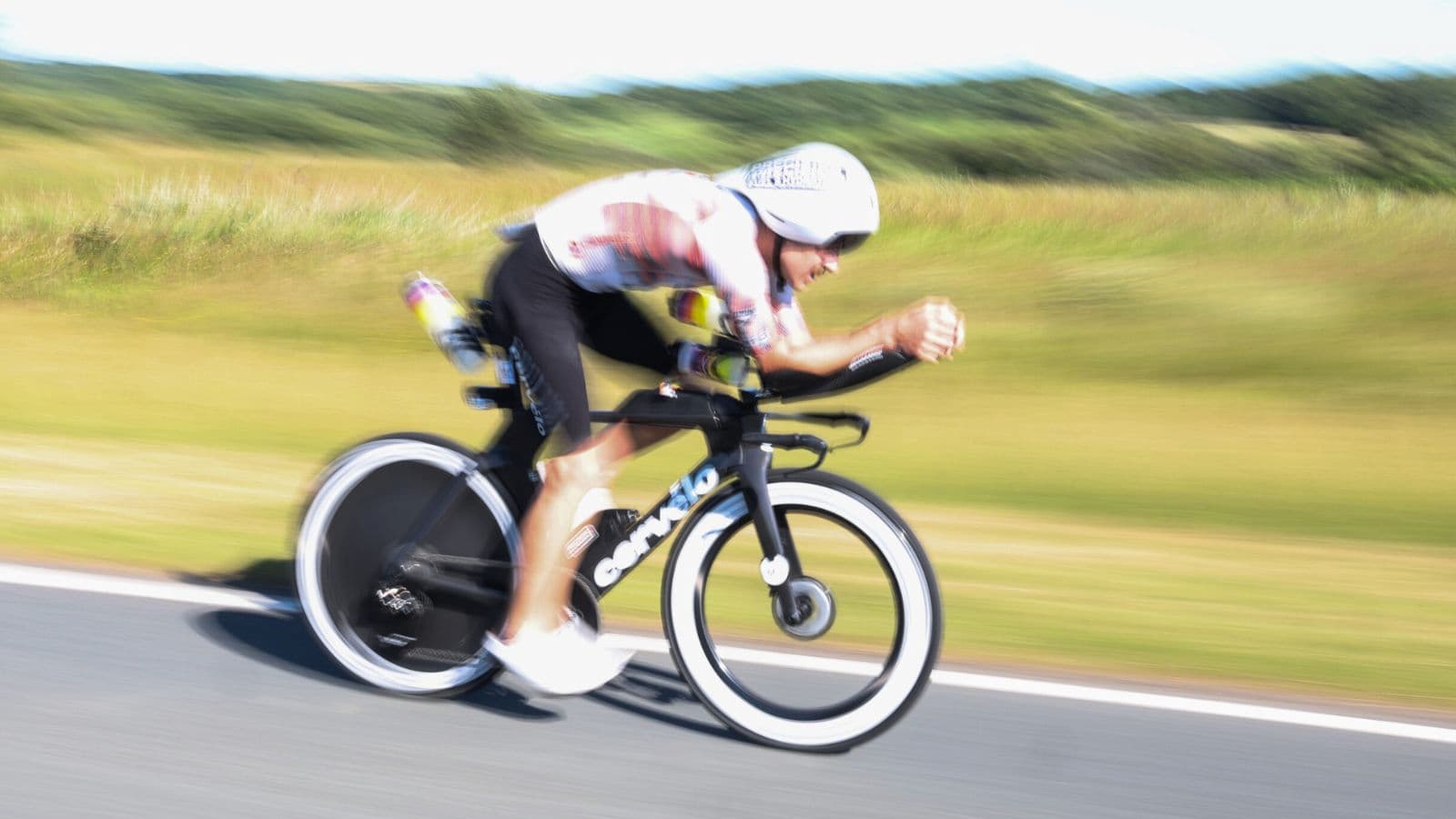
Descending in the Aero Position
Triathlon bikes often feature aerodynamic extensions designed to reduce air resistance.
However, using aero bars during technical descents can limit immediate access to the brakes and reduce steering control.
For demanding downhill sections:
- Move to the base bar or brake hoods, depending on bike design.
- Keep your hands close to the brake controls.
- Maintain a stable riding position.
- Avoid unnecessary aerodynamic risks.
- Follow event rules regarding aero bar use.
Understanding how is riding a triathlon bike different from a road bike can help athletes recognize the handling characteristics of different bicycle designs. Safety should take priority over aerodynamic efficiency.
Braking Abruptly or Unevenly
Sudden braking can destabilize the bike, particularly on slippery surfaces or during cornering. Both brakes contribute to stopping, but braking force should be applied progressively according to available traction and road conditions. Avoid grabbing the front brake suddenly or relying exclusively on the rear brake. Practice smooth braking on quiet, predictable roads before attempting steeper descents.
Ignoring Wet or Slippery Roads
Rain, loose gravel, leaves, painted markings, and road debris can reduce available tire grip. Wet conditions may also increase stopping distances. Understanding how to cycle safely in the rain can help triathletes adapt their braking and cornering decisions.
During slippery descents:
- Reduce speed earlier.
- Brake more gently.
- Avoid abrupt steering.
- Increase following distance.
- Stay alert for changes in road texture.
Take additional care around painted lines and metal surfaces when wet.
Choosing the Wrong Line Through a Corner
Poor cornering lines can force sudden steering corrections or place cyclists dangerously close to the road edge. On open public roads, never use the opposing traffic lane to improve a cornering line. A safer approach is to choose a predictable path that stays entirely within your lane and leaves room for unexpected hazards. Understanding how can beginners improve their confidence on technical bike courses in a triathlon can help athletes build confidence without taking unnecessary risks. Avoid cutting blind corners, even during quiet training rides.
Following Other Cyclists Too Closely
Descending close behind another rider reduces the time available to respond to braking or unexpected movements. This becomes especially dangerous at high speeds. Maintain sufficient space to stop safely and avoid overlapping wheels. Understanding can group rides make you a better triathlon cyclist can help athletes recognize the benefits of developing handling skills in controlled group environments. Do not attempt to match another cyclist’s descending speed if it exceeds your confidence or ability.
Neglecting Bike Maintenance
Poorly maintained equipment can make descending more dangerous.
Before demanding rides, check:
- Brake function and pad condition.
- Tire pressure and visible damage.
- Wheel security.
- Handlebar and stem tightness.
- Steering operation.
- Loose accessories.
Understanding what you should check on your bike the week before a race can help triathletes identify mechanical problems before important events. A properly maintained bike supports more predictable handling.
Practicing Downhill Skills Safely
Descending confidence develops through gradual, controlled practice. Begin on familiar roads with gentle gradients and clear visibility.
Practice:
- Smooth braking before corners.
- Looking through turns.
- Maintaining a relaxed upper body.
- Choosing safe cornering lines.
- Adjusting speed to changing conditions.
Understanding how can winter riding improve triathlon bike handling skills can provide additional insight into developing control under varied conditions, although challenging weather should never be used as an excuse to take unnecessary risks. Increase difficulty only when you can consistently maintain control.
Common Mistakes
- Braking too late.
- Entering corners excessively fast.
- Looking down at the front wheel.
- Using aero bars on technical descents.
- Gripping handlebars too tightly.
- Ignoring road surface changes.
- Following cyclists too closely.
- Cutting blind corners.
- Descending with poorly maintained equipment.
Practical Tips
- Reduce speed before corners.
- Keep your hands near the brakes.
- Look ahead and anticipate hazards.
- Stay relaxed through the upper body.
- Maintain predictable steering.
- Leave enough stopping distance.
- Practice on familiar roads.
- Slow down whenever visibility or grip is uncertain.
Actionable Takeaways
- Prioritize control over speed.
- Brake before entering corners.
- Maintain a stable body position.
- Respect changing road conditions.
- Practice descending progressively.