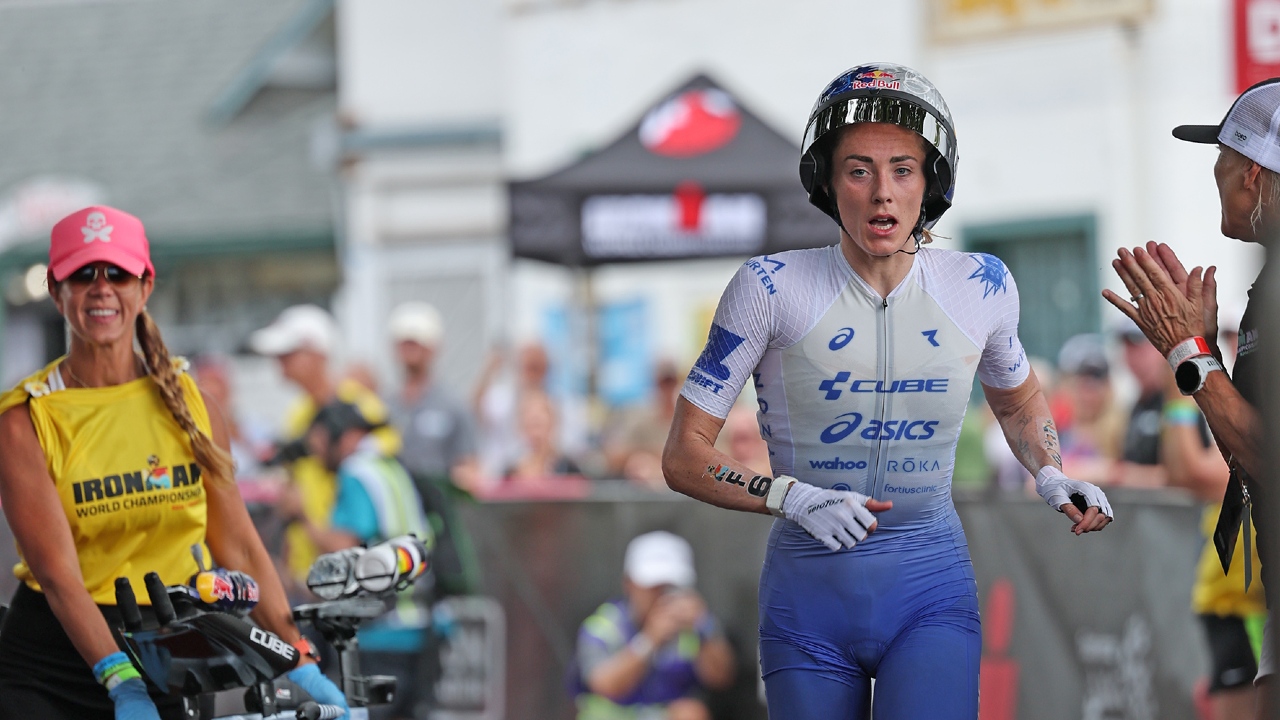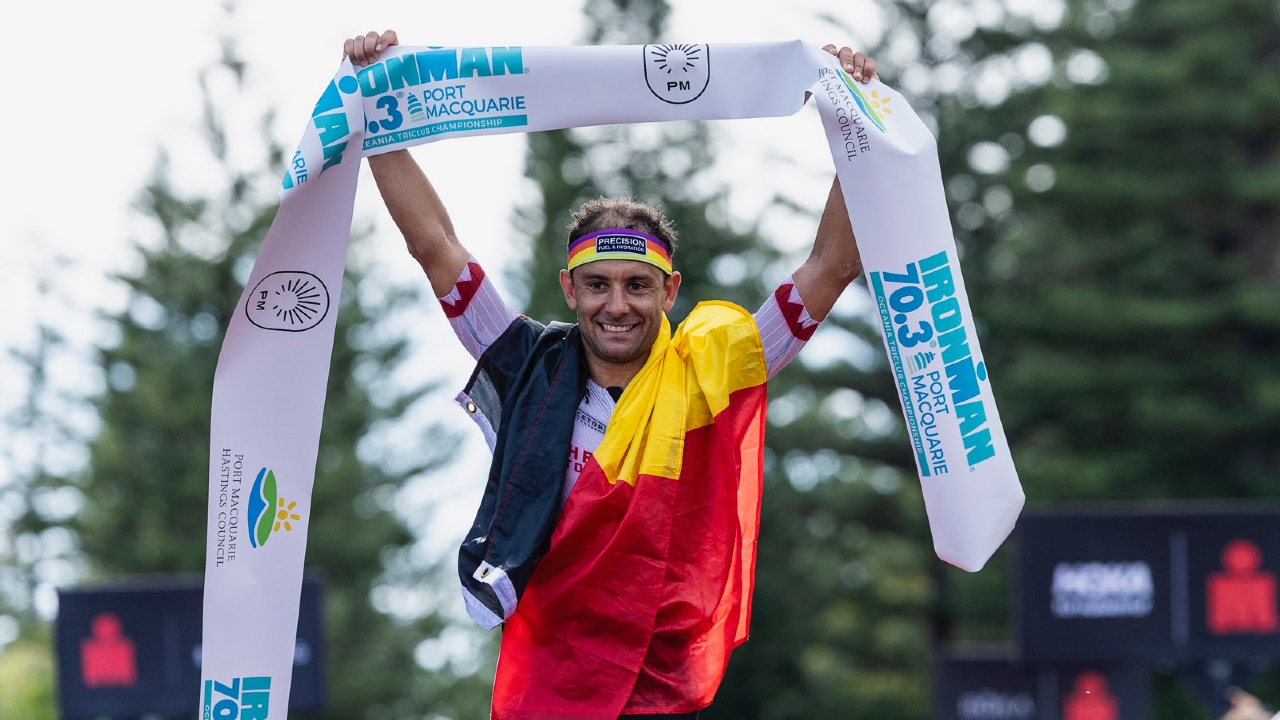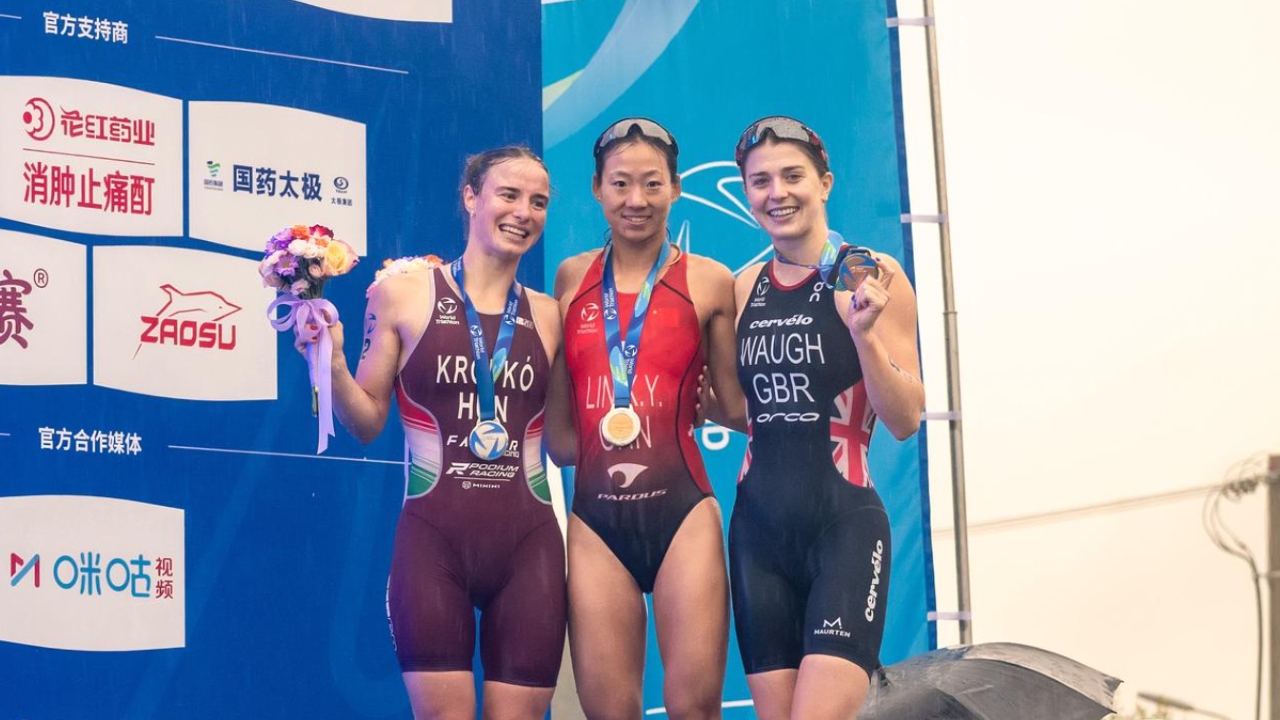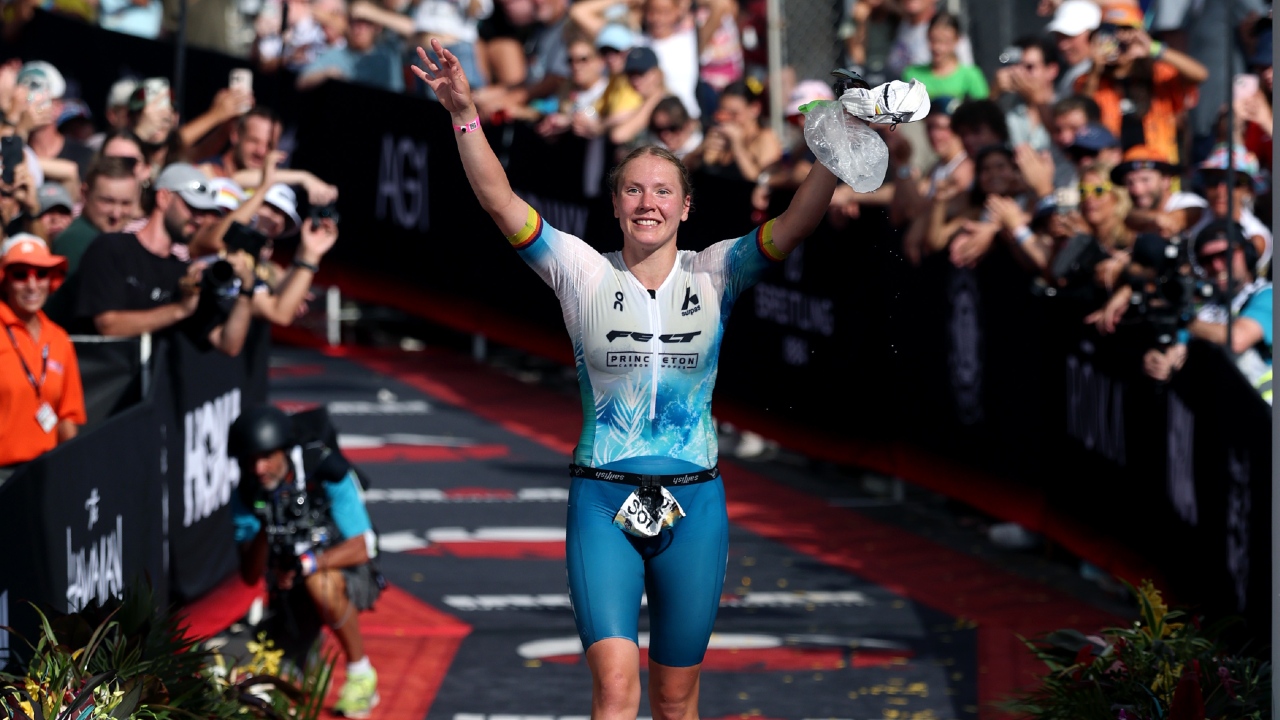


Many beginner triathletes believe they need to train hard every day to become faster. In reality, some of the world’s best triathletes spend approximately 70 to 85% of their weekly training at a low aerobic intensity known as Zone 2. This approach isn’t about avoiding hard work. Instead, it allows athletes to build a strong aerobic engine while recovering well enough to perform quality high-intensity sessions when they matter most. Training slowly for much of the week often leads to racing faster.

What Is Zone 2 Training?
Zone 2 is a low to moderate aerobic intensity where your body relies primarily on oxygen to produce energy.
During Zone 2 training you should be able to:
- Hold a conversation.
- Maintain steady breathing.
- Sustain the effort for a long time.
- Recover quickly afterwards.
Although heart rate and power zones differ between athletes, the effort should always feel controlled rather than exhausting. Many athletes learn the practical application through what is zone 2 cycling in a triathlon, where this training intensity forms the foundation of cycling fitness.
Why the Best Triathletes Spend Most of Their Time in Zone 2
Triathlon is an endurance sport. Whether you’re preparing for a Sprint triathlon or an Ironman, success depends on producing energy efficiently for prolonged periods.
Zone 2 develops:
- Aerobic capacity.
- Fat metabolism.
- Muscular endurance.
- Recovery ability.
- Training consistency.
These adaptations support performance across all three disciplines.
Builds a Larger Aerobic Engine
Your aerobic system powers the majority of a triathlon.
Regular Zone 2 training increases:
- Mitochondrial density.
- Capillary development.
- Oxygen delivery.
- Stroke volume of the heart.
Over time, this allows you to maintain faster speeds with less effort.
Improves Fat Utilisation
Carbohydrate stores are limited.
Zone 2 training teaches your body to rely more heavily on fat as a fuel source, helping to:
- Preserve glycogen.
- Delay fatigue.
- Improve endurance.
- Maintain energy during longer races.
This becomes especially important during 70.3 and Ironman events.
Allows Higher Training Volume
Hard sessions require significant recovery.
Zone 2 training creates less fatigue, allowing you to:
- Swim more consistently.
- Ride more frequently.
- Run more regularly.
- Recover between key workouts.
Consistency is one of the biggest predictors of long-term improvement. Many athletes improve this balance through indoor vs outdoor cycling training in a triathlon, using structured indoor rides to maintain aerobic volume throughout the year.
Improves Recovery
Easy aerobic sessions increase blood flow while placing relatively little stress on the body.
This helps support:
- Muscle recovery.
- Glycogen restoration.
- Reduced cumulative fatigue.
- Better readiness for harder sessions.
Recovering well allows you to perform your interval workouts with greater quality.
Reduces Injury Risk
Training at maximum intensity every day significantly increases the risk of:
- Overuse injuries.
- Excessive fatigue.
- Burnout.
- Poor performance.
Zone 2 allows you to continue building fitness without exposing your body to constant high mechanical and metabolic stress. Many athletes recognize this balance after reading should you race a triathlon if you’re undertrained, understanding that consistency matters more than occasional hard efforts.
Supports Better Brick Workouts
Brick sessions combine cycling and running, placing considerable demands on your body.
A strong aerobic base helps you:
- Transition more smoothly.
- Maintain better pacing.
- Delay fatigue.
- Recover more effectively afterwards.
Many athletes enhance these sessions through what should beginners know before racing their first ironman half race, combining aerobic endurance with improved neuromuscular efficiency.
Makes High Intensity Sessions More Effective
Zone 2 doesn’t replace intervals. Instead, it allows you to perform them properly.
When easy sessions remain genuinely easy:
- Legs feel fresher.
- Recovery improves.
- Power output increases.
- Training quality rises.
The result is a better balance between stress and adaptation.
Zone 2 Doesn’t Mean Slow Forever
Some athletes worry that too much easy training will reduce speed. The opposite is usually true.
As your aerobic fitness improves:
- Your comfortable pace becomes faster.
- Your sustainable power increases.
- Your race pace feels easier.
- Recovery between efforts improves.
Speed develops from combining a strong aerobic base with targeted intensity.
How Much High-Intensity Training Should You Do?
The remaining 15 to 30% of your programme can include:
- Threshold intervals.
- VO₂ max workouts.
- Hill repeats.
- Race-pace efforts.
- Brick sessions.
These workouts provide the speed adaptations that complement your aerobic base.
Common Zone 2 Mistakes
Many triathletes unintentionally ride or run too hard.
Common mistakes include:
- Turning every session into a race.
- Following faster training partners.
- Ignoring recovery.
- Chasing pace instead of effort.
- Skipping easy days.
- Performing intervals too frequently.
- Underestimating aerobic training.
Training in the “moderately hard” zone every day often produces the worst combination of fatigue and limited adaptation.
Practical Tips
Get more from Zone 2 by:
- Monitoring effort rather than ego.
- Building training volume gradually.
- Staying patient.
- Scheduling recovery days.
- Mixing swimming, cycling and running.
- Tracking long-term progress.
- Performing hard sessions with purpose.
Many athletes improve their aerobic cycling through can group rides make you a better triathlon cyclist, using social rides selectively while ensuring most weekly riding remains at an appropriate aerobic intensity. Finally, pairing aerobic development with how to avoid bonking when running in a triathlon helps preserve glycogen, improve fueling strategies and maintain stronger energy levels throughout race day.
The Bottom Line
Spending 70 to 85% of your training in Zone 2 isn’t about avoiding hard work, it’s about performing the right work at the right time. A strong aerobic foundation allows triathletes to train consistently, recover effectively and perform higher-quality interval sessions while reducing the risk of injury and burnout. Whether you’re preparing for your first Sprint triathlon or targeting an Ironman personal best, Zone 2 should remain the cornerstone of your training. Combined with well-planned higher-intensity sessions, it provides the endurance, efficiency and resilience needed for long-term success.