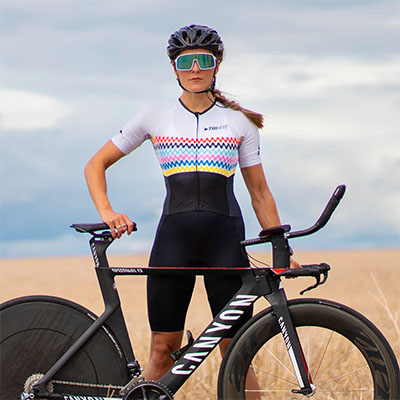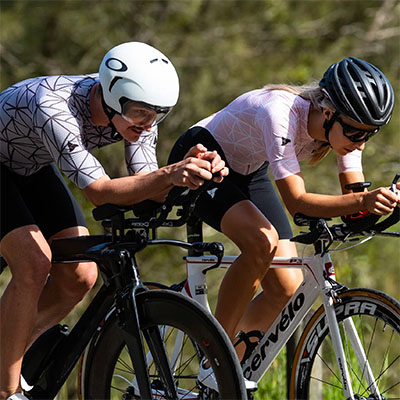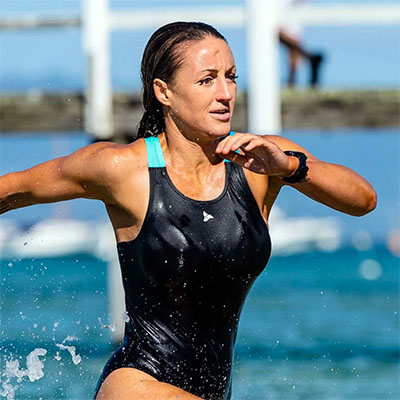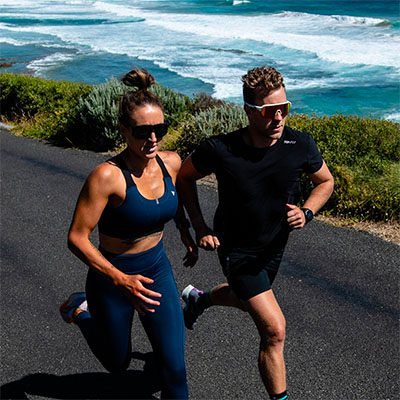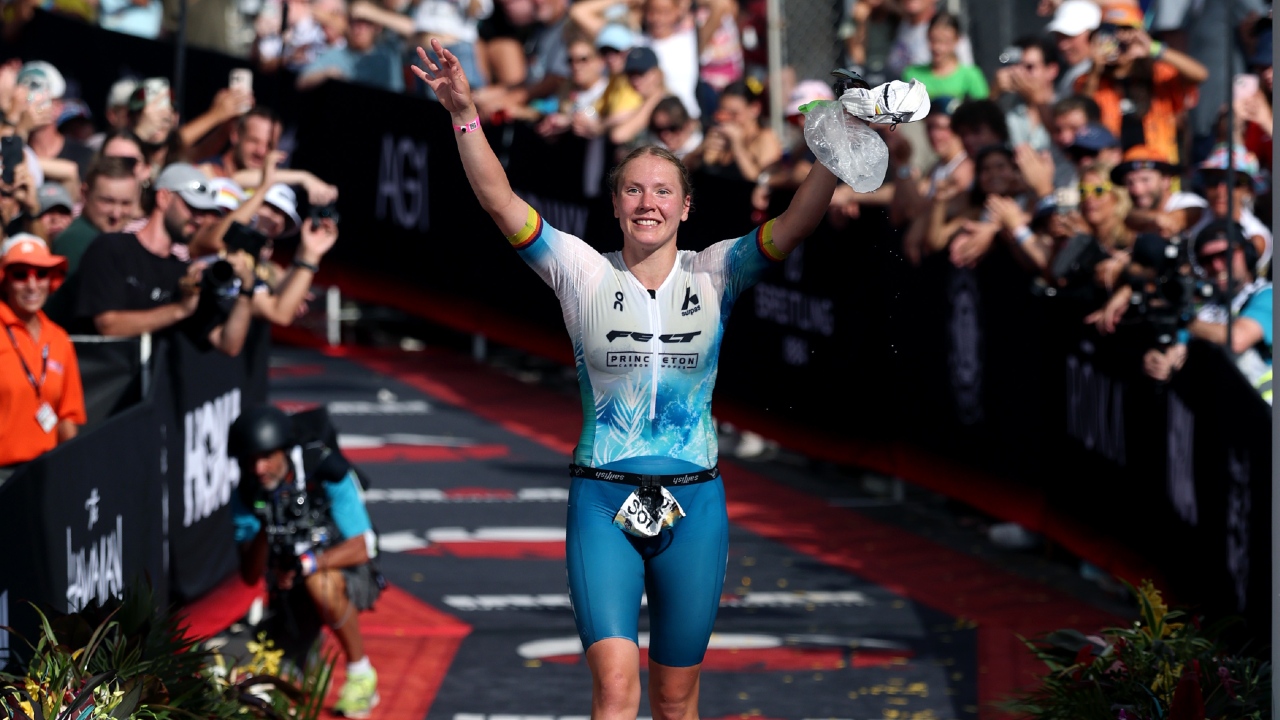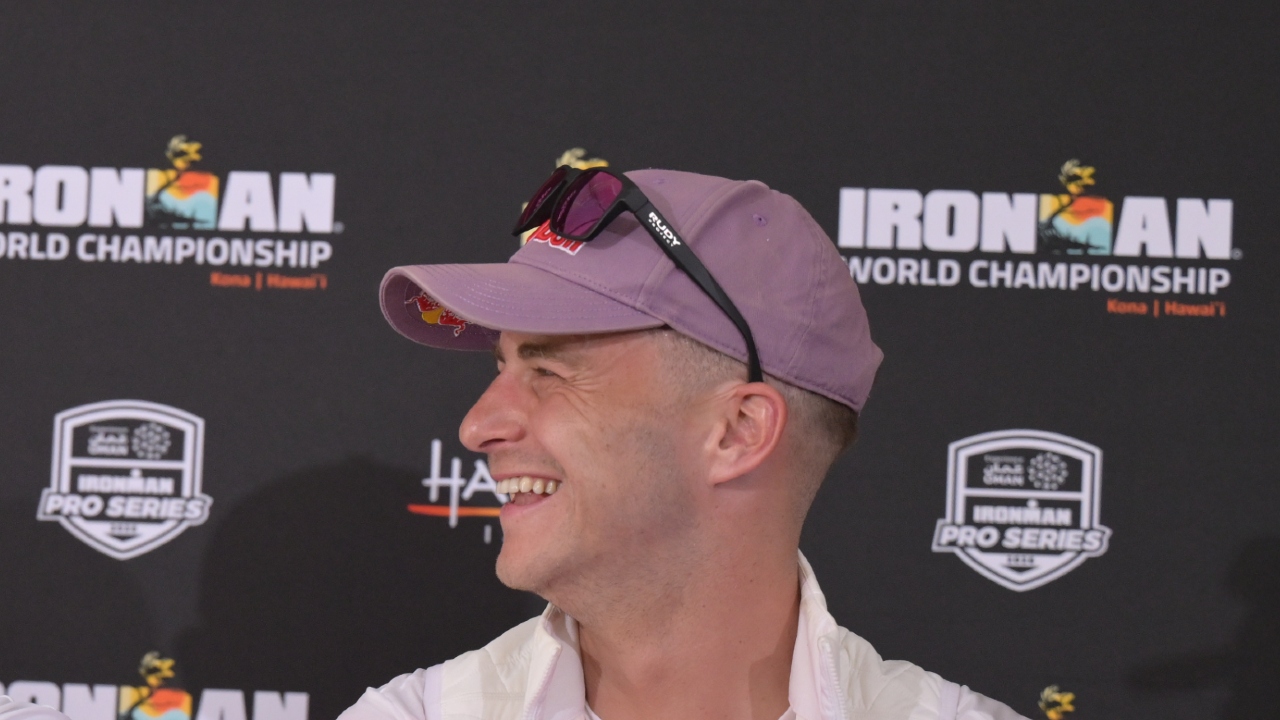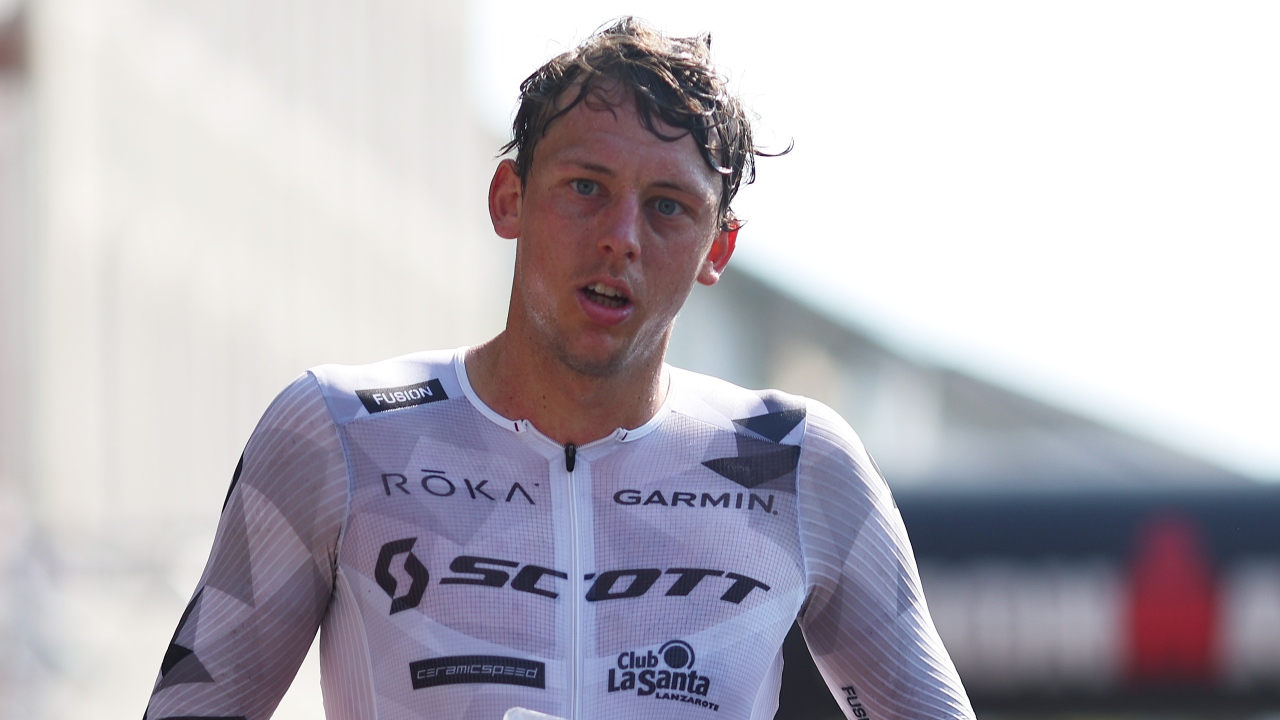

I have just finished racing Challenge Roth. It’s an incredible event – the best in the world, with the fans, the support, the huge expo and the general athlete experience provided by Alice, Felix and Kathrin (the Walchshöfer family), and the whole Challenge Roth team. I had the privilege of lining up against the current IRONMAN World Champion, Laura Philipp, as well as athletes making their long distance debuts. Additionally, athletes that were 20 years my junior! What a way to mark the end of my professional triathlon career and the start of a new chapter.
I’ve been a professional triathlete for 10 years. I started the sport late, as a complete beginner aged 29. I spent several years competing as an amateur, learning the sport and improving. I didn’t take the leap to become a professional triathlete until I was 34 years old. I was just starting my professional journey while 10 years older than most of the pros currently competing. So as I come to the end of my professional triathlon career and start a new chapter, and a new adventure. It’s time to look back at how the sport has changed, and what I’ve learned from my time as a pro triathlete.
10 things I’ve learned from my pro triathlon career
Professional triathlon is evolving, and there is some great momentum building in areas for the growth and development of the sport. We have more races than ever. More prize money with the different series. The speed and power displayed in the pro field just goes from strength to strength, and the paces and the finish times are coming down.
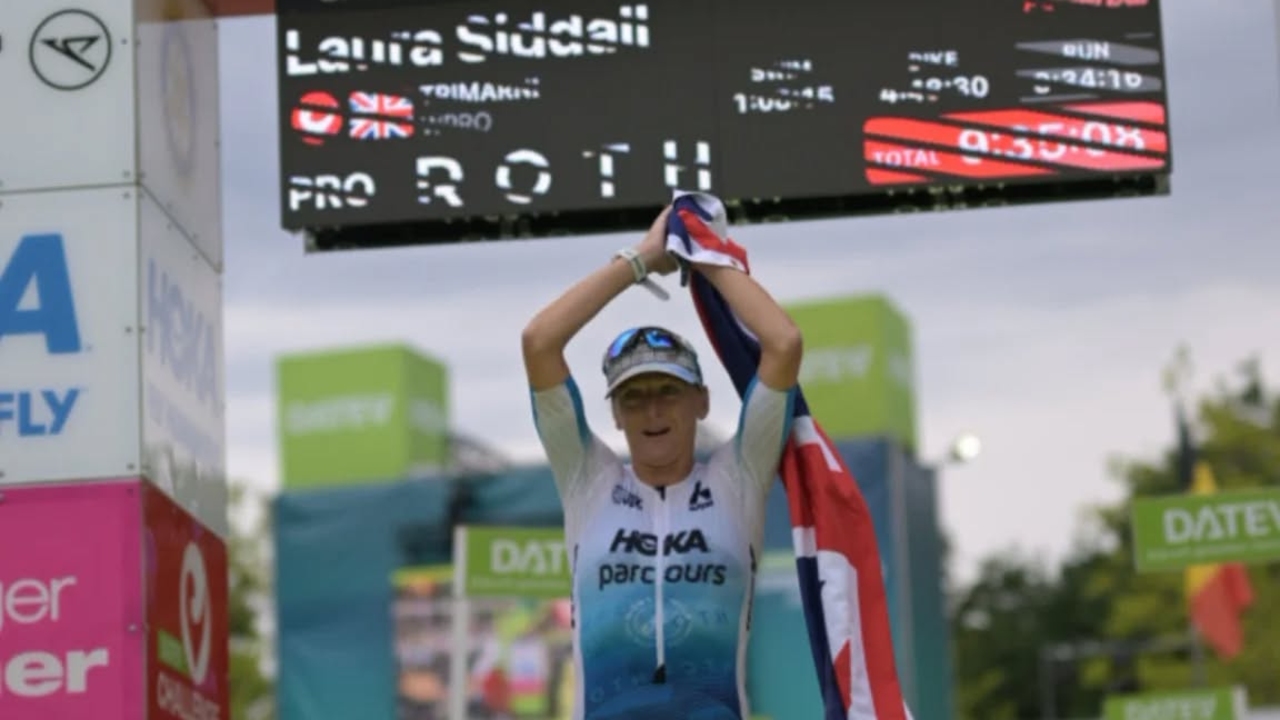
It wasn’t long ago that we’d consider it impressive for a male pro athlete to go under 8 hours in an Ironman distance triathlon. Only a couple of years ago, an entire project was undertaken to see if it was possible for a woman to break 8 hours – with carefully cultivated conditions, pace lines and drafting. Now, we’re knocking on the door of a female pro breaking that 8 hour barrier over the 140.6 mile distance on her own in a real race setting. It’s a bit like Faith Kipyegon and her sub-4 minute mile attempt. And like Laura Philipp herself said in Roth. Now performances have come close, women will have the confidence and the belief to try. If it’s not Laura Philipp for the sub-8 hour Ironman finish, or Kipyegon for the sub-4 minute mile. It’ll be someone else. And that’s exciting, for the future of the sport.
So that’s where we’re at. But what about my last 10 years in the sport? I’m sure there are more than 10 things I’ve learned, so perhaps there needs to be a part two here. But for now, here are the key takeaways and reflections from my professional triathlon career.
1. Embrace the travel that comes with being a professional athlete
Life as a professional triathlete can be quite nomadic, which doesn’t suit everyone, and it can be easy to forget how amazing it is that we get to travel so much as professional athletes. In the past couple of years, I’d forgotten how much I loved the travel and getting to experience different races in cool locations around the world.
There’s nothing like the excitement of going to a new place. Being able to see the culture, and also what triathlon and sport means to that community. Then of course – the opportunity to swim, bike and run in some pretty amazing places! My early career used to be split between the Southern and Northern Hemisphere, effectively racing all year round. I raced the Challenge Family World Bonus series for a couple of years, which allowed me to race so many different events. I loved going to a new place and visiting different countries and regions.

If you can, try to pick one or two races a year that are in different countries. So you too can experience that buzz of a new country, city or culture.
2. Learn to pack and build your bike yourself!
That being said, if you want to be able to embrace the travel – you really need to be independent when it comes to taking your bike with you. The better you can get at packing your bike and building it back up yourself, the more you can travel!
3. Get AirTags
Gone are the days of being at the mercy of airline baggage handlers if your bike or your gear doesn’t show up. AirTags are a must-have for travelling triathletes. Make the most of the tech and put one in your bike box and one in your luggage so if your stuff doesn’t show up you at least know where it is!
4. Build a strong support team
If you’re living in different parts of the world throughout the year, or like me you’re pretty nomadic with where you’re based it can be tricky. But it’s so important to ensure you have the right people in the right places to support you. A coach is an obvious part of this team, but it’s also vital to know how to access the best medical care, physiotherapy and sports massage treatments. There can be a core team you can always connect back to, but it’s also worth getting a network of locals in the different places you regularly base yourself.
Once you’ve created that network, work to keep those relationships strong. Even knowing you’ve got support from afar is incredibly beneficial and it helps you to feel like you’re not quite so alone.
5. Your environment plays a crucial role in your performance
The cliché says “a happy athlete is a fast athlete”, but it’s true. A good set up and creating an environment that makes you happy makes a world of difference. Whether it’s ease of training and great facilities. Having your coach and/or some training partners nearby. Or just being in an environment that means when you come home after a hard training session, you find it easy to relax and switch off.
When I turned pro, I moved to San Francisco. But, probably due to a combination of things, I just never settled or found it easy to relax. However, when I moved back to the Southern Hemisphere and to Christchurch, New Zealand (having spent 7 years in Sydney, Australia) it just felt like putting a favourite jumper back on. It was like a weight lifted off my shoulders. I had a lovely little studio apartment, great training, and importantly a fantastic community both on and off the ‘swim, bike, run’. It was the same in Girona, Spain. I just loved being there. The training, the people, my apartment and the place.
After living in San Francisco, the USA wasn’t high on my list of places to live. But Boulder too, like Christchurch and Girona, just felt right. The training was great, I had mountains to explore in both summer and winter. Importantly I was with my coach, Julie Dibens. It would probably be the one thing I’d have added to NZ and Spain – having my coach there. The benefit of being with your coach in person, was huge to me, and also having a squad to train with. I’d missed this in other places, doing a lot on my own, and while I loved it, as it fed my nomadic style. I realised how much I craved the community of a group, and the visibility of my coach. And how much that can elevate your performance.
Your environment is crucial. Having somewhere that you can relax, and switch off when at home, will help and benefit your performance.
6. Don’t underestimate the importance of building a strong coach-athlete relationship
The relationship you have with your coach is important. They need to genuinely care about you, and what you want to achieve to build the programme around your goals. They need to challenge and push you, but also know when to give some kind words and encouragement – and a hug.
You need to be able to communicate well with your coach. You need to have a relationship that is open enough that you can share feelings, details about your life, feedback from training. This means they get to know you, and they can ensure the training matches what you need at that time.
But you also need to respect and trust your coach. Trust their knowledge and trust the training plan. The coach/athlete relationship won’t work if you are constantly second guessing what they have given you. For sure ask ‘why’. But do so for understanding, not accusation. When looking to engage a new coach, I suggest talking to a few coaches, and even athletes that have worked with that coach (both current and ones that left), to find as much information to inform your decision as possible. But once you make that decision, go all in and fully commit to the coach and the training plan. And give it time. Give yourself chance to improve and gain the benefits. If you don’t get instant results, don’t switch to another coach trying to find that magic pill. Work with your coach to understand why and work together to move forward.
7. Focus on the process and the results (and the sponsors) will come
It’s all about the process. Put your head down and do the training, rather than focusing on getting the next sponsor. If you focus on the process, and the training: the results will come and then too, the sponsors.
When I first turned professional I moved to San Francisco, and while I didn’t leave my engineering career for a sports career in pursuit of money and a salary increase. I still got too caught up at the beginning thinking about getting sponsors. It was affecting my enjoyment of the training and the sport, constantly having that worry on my mind. I’d just left the corporate world to go all in on sport and here I was trying to put a foot back thinking how I could earn. When I let go of trying to find side hustles and just focused on trying to be the best triathlete I could be, and changing my environment (see #5) things started to fall into place and happen.
8. Better not bitter
Since we’re talking about sponsorship, a good lesson to learn is that there will always be people who you think have better sponsorship deals or more money in their contracts – even though they are on par with you in terms of results. There were several times when I found out other athletes had picked up a partnership or contract that was significantly more than mine. But as someone said: “Don’t be bitter, just be better!”
Make sure you are being the best version of you, on and off the race course and just keep working on the positive relationships you have with all brands in the industry.
9. Be present and savour the good times
Whether it’s a win, or just a great race you are proud of. Take a step back and enjoy it. As athletes it’s far too normal for us to already have moved onto the next race, wanting more, or better. Or diminishing our last race performance with a chorus of “no one turned up” or “X athlete wasn’t there”. But try to be present and happy with your race, regardless of anyone else. Enjoy the moment. For most of us they don’t come often.
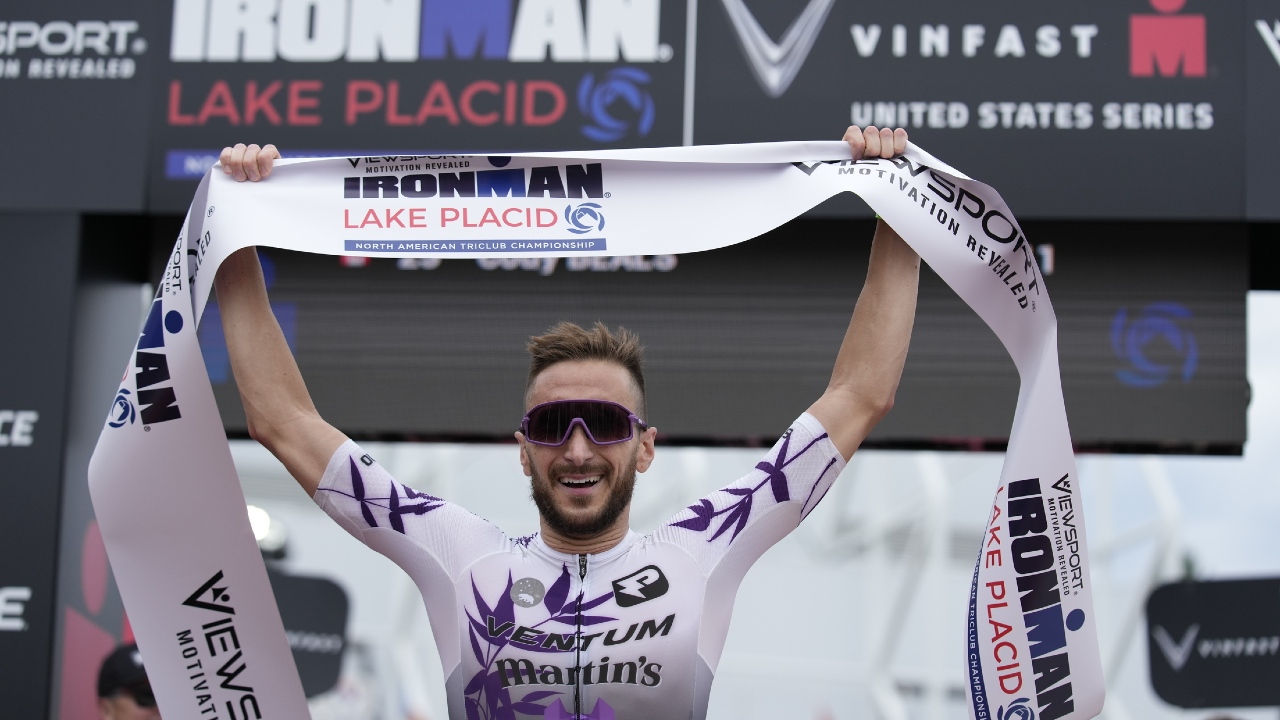
I was lucky I had nine wins as a professional. I’m very grateful for everyone of those. But I wish I could bottle up that feeling as you run down the finish shoot, and grab the tape. The elation, the pride, the happiness. There is no other feeling. I wish I could feel that again, not just to look back now and remember those times, but also because far too quickly I’d move on or diminish the result and make an excuse. Savour the good times!
10. Enjoy the ride: highs, lows and everything in between
That element of being ‘present’ extends beyond just the start and finish lines too. And it’s really hard when you’re in the thick of your pro career to be present. I was forever grateful for the opportunities I had for living my passion as my career. As a sports mad kid, I would never have dreamt I could do sport as a career. It was always meant to be the hobby you did alongside your corporate job. I’ve been incredibly privileged from that perspective and I am aware of it.
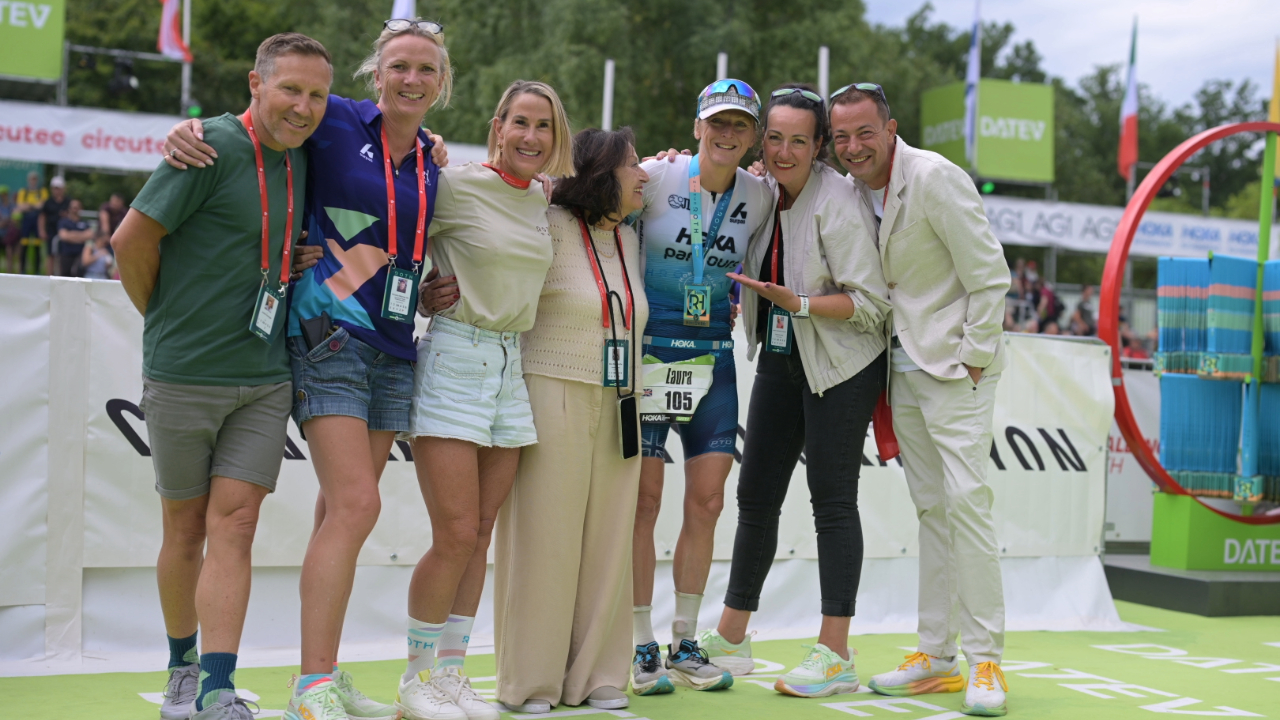
Yet sometimes it’s hard to appreciate this. Professional sport is hard. The highs are high, but it can also be brutal and rip you apart. You can be in the best form of your life, only for something to happen out of your control and that performance or result gets ripped away from you. But try to enjoy the training and the process, the ‘journey’ for want of another cliché. This is the stuff that takes hours and years. It’s a commitment, and a choice. Some people say sacrifice but I feel it’s a choice and when we chose pro sport – we chose between one commitment or the other. The training takes the time: the hours, days, months. A race is just a fraction of that. A fleeting moment in the grand scheme of things. And as mentioned above in #9, a moment that can often then be diminished.
And so whatever happens in a race, it’s important to acknowledge that it’s the hours of training, the people we meet, the people who push us, our coach and team mates. The places we visit. The number of kilometres we put in over the swim, bike and run. The hours in the gym, and with massage. These are the things that create your story. Not everything will go your way, all the time. So ride the highs and the lows. But always have that inner belief. Always try to be present and grateful. I know this sounds ‘fluffy’ – maybe I’ve been too influenced by Americans and how ‘awesome’ everything is! But we choose to do this sport, be it as a hobby or professionally. And even with the relative difficulties, sport is incredible and give us so much in our lives!