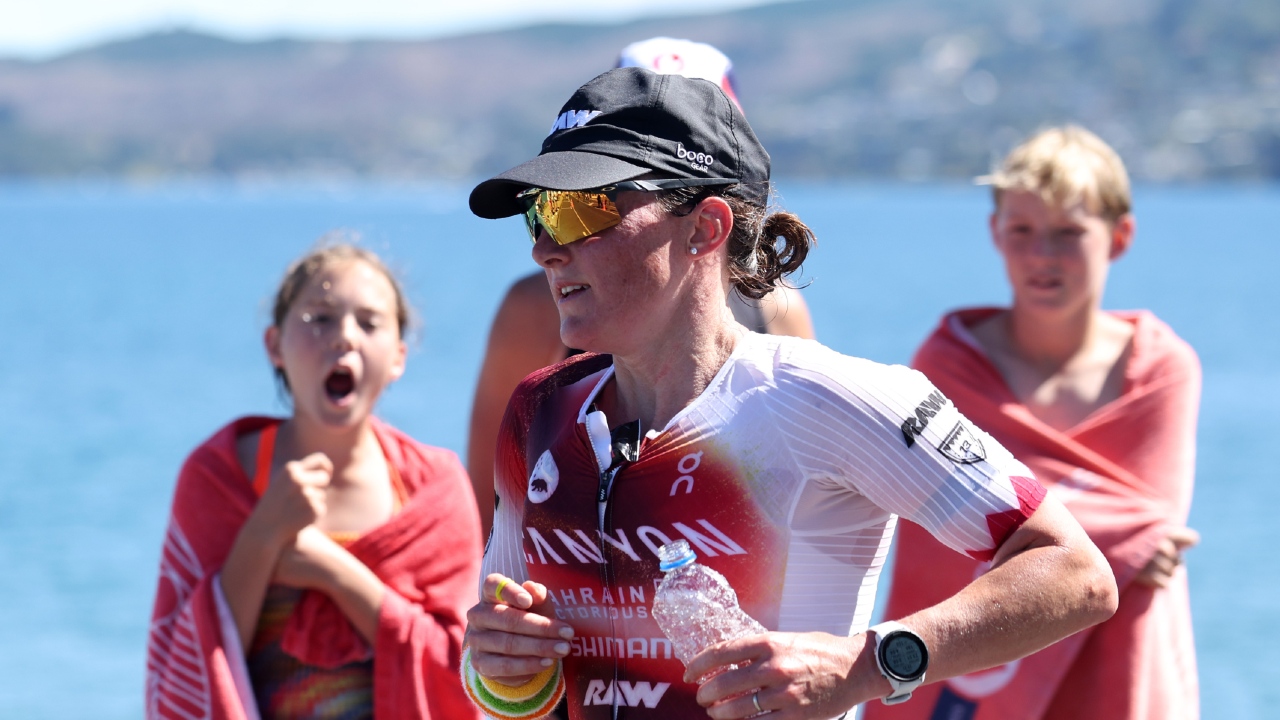


Sleep is one of the most important recovery tools for triathletes. Training stress from swimming, cycling, and running creates muscular fatigue, hormonal stress, and nervous system fatigue that cannot fully recover without adequate sleep. Most triathletes need between 7.5 and 10 hours of sleep per night depending on training volume, intensity, age, and recovery demands. Athletes training for long-course racing or completing double-session training days often require even more recovery than recreational athletes realise.

Recovery is not only about training less. It is about allowing the body to adapt properly to the training being completed. This is why understanding pacing mistakes in a triathlon becomes essential for athletes training consistently throughout a season.
Why Sleep Matters for Triathlon Recovery?
Triathlon training places continuous stress on the body because it combines three endurance disciplines into one training schedule. Even moderate training weeks can create accumulated fatigue if recovery is inadequate.
Sleep supports:
- Muscle repair
- Hormonal regulation
- Glycogen restoration
- Immune function
- Mental recovery
- Nervous system recovery
Deep sleep is particularly important because this is when the body releases growth hormone, which supports tissue repair and adaptation after training.
Athletes sleeping poorly often experience:
- Heavy legs during sessions
- Reduced power output
- Higher perceived effort
- Mood changes
- Increased soreness
- Poor concentration
Recovery problems become more noticeable during heavy training phases. This is one reason why athletes following structured preparation such as good training plan for a triathlon need recovery strategies built into their weekly routine.
How Much Sleep Do Triathletes Actually Need?
General health recommendations often suggest 7 to 9 hours of sleep per night, but endurance athletes usually require more recovery than the average person.
Most triathletes recover best with:
- 7.5 to 8 hours during lighter training periods
- 8 to 9 hours during moderate training blocks
- 9 to 10 hours during Ironman preparation or high-volume weeks
Training load matters more than race distance alone. An athlete completing high-intensity interval sessions several times per week may require just as much sleep as someone preparing for long-distance racing. Athletes training for endurance events with long weekly volume often underestimate recovery demands. This becomes increasingly important when preparing for events explained in off season training for a triathlon where overall training stress differs significantly between race formats.
Sleep Quality Matters as Much as Sleep Duration
Eight hours in bed does not always mean eight hours of recovery. Sleep quality determines how effectively the body restores itself overnight. Interrupted sleep, poor sleep timing, excessive screen exposure, or elevated stress levels reduce recovery quality even if total sleep time appears adequate.
Signs of poor sleep quality include:
- Waking frequently overnight
- Feeling tired despite sleeping enough hours
- Difficulty falling asleep
- Elevated morning heart rate
- Low motivation during training
- Persistent soreness
Athletes who train early in the morning often compromise sleep by waking too early without adjusting bedtime. Over time, this creates accumulated fatigue. Maintaining sleep consistency becomes particularly important during demanding blocks like those described in preventing ironman training burnout where recovery stress can accumulate gradually over months.
Sleep Supports Endurance Performance Directly
Sleep affects endurance performance physically and mentally.
Research consistently shows that poor sleep reduces:
- Aerobic capacity
- Time to exhaustion
- Cognitive performance
- Decision-making
- Coordination
- Motivation
Triathlon requires sustained concentration for long periods. Sleep deprivation increases pacing mistakes, poor nutrition decisions, and emotional instability during racing. Even one poor night of sleep can affect perceived exertion during hard sessions.
Athletes who consistently sleep well often recover faster between sessions and maintain better training quality throughout the week.
Deep Sleep Is Critical for Recovery
Not all sleep stages contribute equally to recovery.
Deep sleep is the stage most associated with:
- Muscle repair
- Hormonal recovery
- Tissue adaptation
- Immune restoration
REM sleep also plays an important role because it supports mental recovery, learning, and emotional regulation. Triathletes training at high volume often need more deep sleep because of increased physical stress.
Sleep disruption reduces time spent in these critical recovery stages, even when total sleep duration looks acceptable.
Naps Can Improve Recovery
Short daytime naps can help triathletes recover when nighttime sleep is limited.
Naps are especially useful during:
- High-volume training blocks
- Travel
- Early-morning training schedules
- Multi-session training days
The most effective naps are usually:
- 20 to 30 minutes for mental refreshment
- 60 to 90 minutes for deeper recovery
Long naps too late in the day can disrupt nighttime sleep quality. Naps should support overall recovery rather than replace consistent overnight sleep.
Poor Sleep Increases Injury Risk
Recovery deficits increase injury risk significantly.
When athletes sleep poorly:
- Coordination decreases
- Recovery slows
- Tissue repair becomes less effective
- Stress hormones remain elevated
- Training tolerance declines
This creates a cycle where fatigue accumulates faster than recovery. Overuse injuries become more likely when athletes continue increasing training load without improving recovery quality.
Athletes balancing work, family life, and endurance training are particularly vulnerable because recovery time becomes limited outside training hours.
Mental Recovery Depends on Sleep
Triathlon training creates psychological fatigue alongside physical fatigue.
Poor sleep affects:
- Motivation
- Emotional regulation
- Stress tolerance
- Focus
- Confidence
Athletes often notice mental fatigue before physical breakdown occurs. Common signs include:
- Irritability
- Reduced motivation
- Difficulty concentrating
- Anxiety before sessions
- Emotional exhaustion

Mental recovery becomes increasingly important during long-course preparation because training blocks are sustained over several months.
Athletes learning to manage recovery properly and preventing blowing up in a triathlon, often improve consistency over time rather than simply training harder.
Nutrition and Sleep Are Closely Connected
Nutrition habits strongly influence sleep quality. Poor evening nutrition can disrupt recovery by affecting blood sugar stability and digestion overnight.
Triathletes generally sleep better when they:
- Eat balanced evening meals
- Avoid excessive caffeine late in the day
- Refuel properly after training
- Stay hydrated without overdrinking before bed
Late-night high-intensity sessions can also elevate heart rate and delay sleep onset. Recovery nutrition becomes particularly important during demanding preparation phases like those described in what is zone 2 training where athletes accumulate high aerobic training volume over time.
Practical Sleep Tips for Triathletes
Triathletes can improve recovery significantly with simple sleep habits.
Useful strategies include:
- Maintaining consistent sleep and wake times
- Reducing screen exposure before bed
- Keeping the bedroom cool and dark
- Limiting caffeine late in the day
- Avoiding excessive alcohol
- Prioritising post-training nutrition
- Scheduling recovery days properly
Athletes training early should prioritise earlier bedtimes rather than sacrificing sleep duration.
Common Sleep Mistakes Triathletes Make
Many triathletes unknowingly reduce recovery through poor sleep habits.
Common mistakes include:
- Waking early without sleeping earlier
- Using caffeine excessively
- Ignoring accumulated fatigue
- Treating sleep as optional
- Training late at night constantly
- Using screens excessively before bed
- Prioritising training volume over recovery
Sleep Needs Increase During Heavy Training Blocks
Recovery demands rise significantly during:
- Ironman preparation
- Training camps
- Back-to-back long sessions
- High-intensity phases
- Race weeks
Athletes should increase sleep intentionally during these periods rather than waiting until fatigue becomes overwhelming. This is particularly important when following demanding schedules like 8 week sprint triathlon training plan or longer endurance-focused programmes where accumulated stress increases progressively.