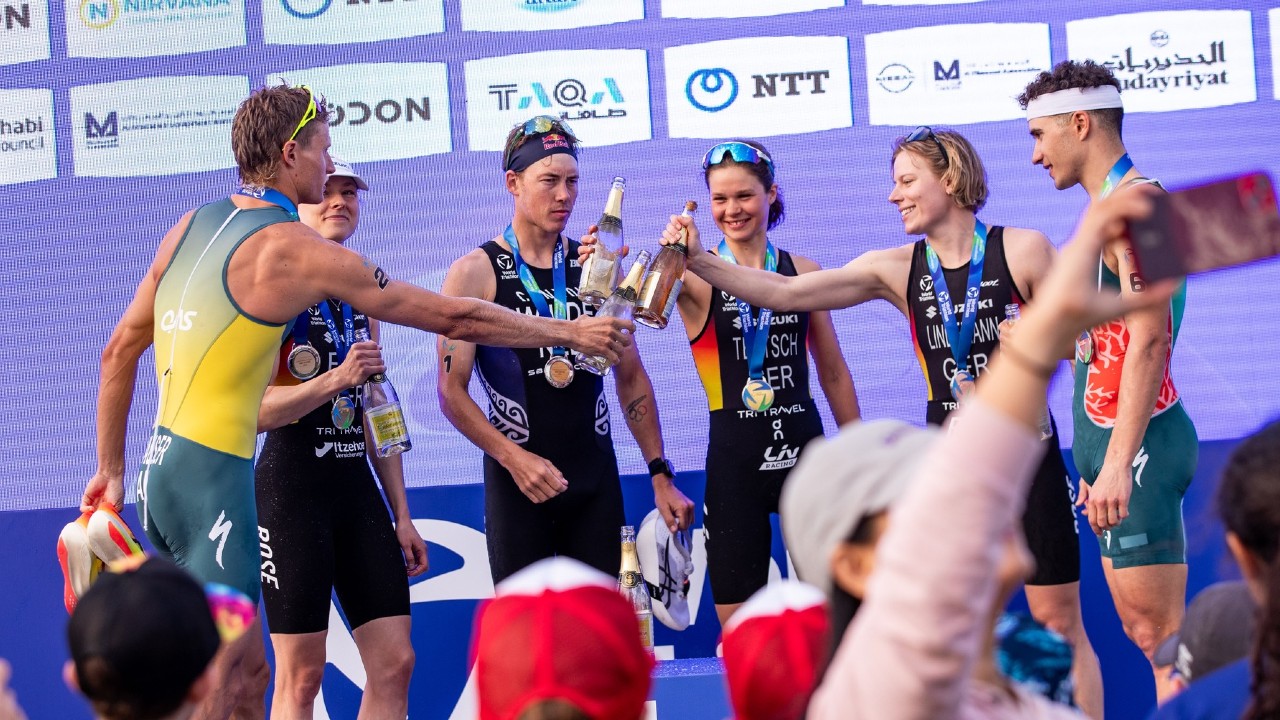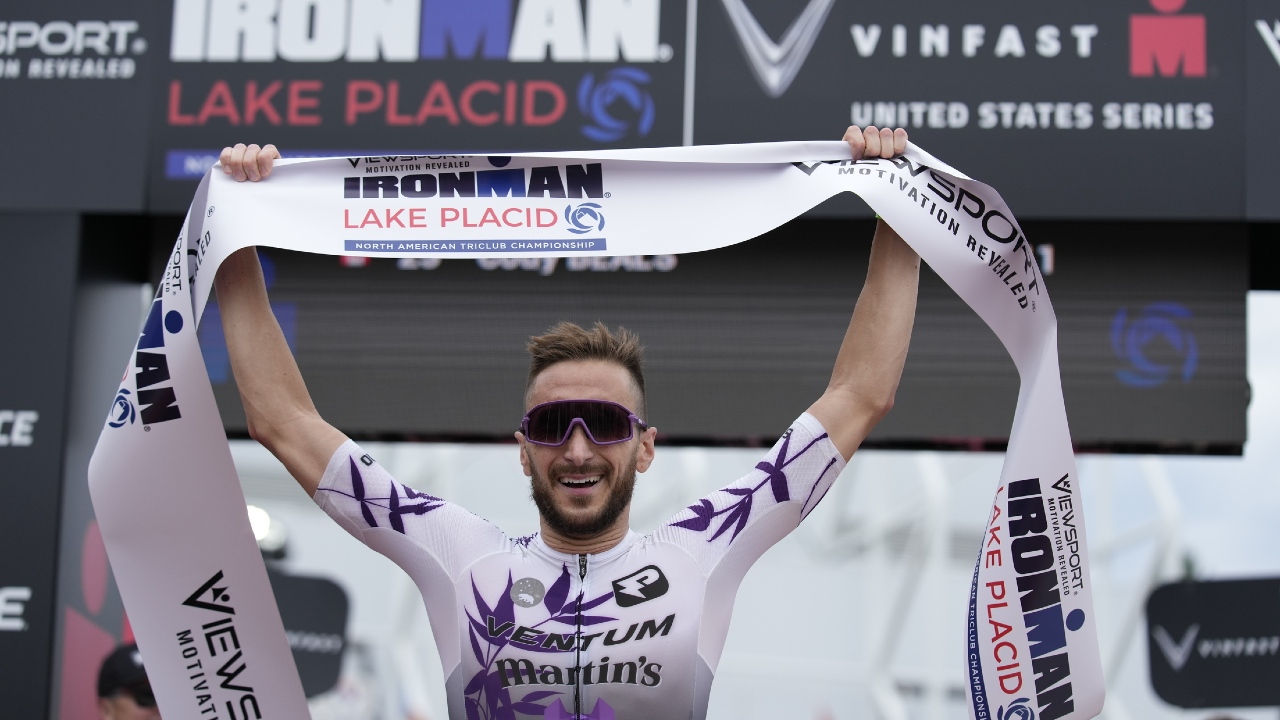


An Olympic distance triathlon, typically consisting of a 1.5km swim, 40km bike, and 10km run, requires a balanced approach to training that builds endurance, improves efficiency, and prepares you for sustained effort across all three disciplines. A good training plan is not about doing everything at high intensity, but about structuring your weeks to develop consistency, control, and race readiness.
What an Olympic Distance Training Plan Actually Looks Like?
A well-structured plan usually spans 10 to 16 weeks depending on your starting fitness. It combines swimming, cycling, and running sessions throughout the week. Each discipline supports the others, creating a balanced workload. The plan should gradually increase in volume while maintaining manageable intensity.
Consistency is the foundation of any successful training approach.
Building a Weekly Training Structure
- A typical week includes two to three sessions per discipline.
- This ensures regular exposure without overwhelming the body.
- You should also include at least one full rest day.
- Sessions can vary between technique, endurance, and moderate intensity.
- A structured week helps maintain balance and avoid fatigue.
Swim Training for Olympic Distance
- Swimming 1.5km requires both technique and endurance.
- Early sessions should focus on improving body position and breathing.
- As training progresses, longer continuous swims should be introduced.
- Open water practice is essential to prepare for race conditions.
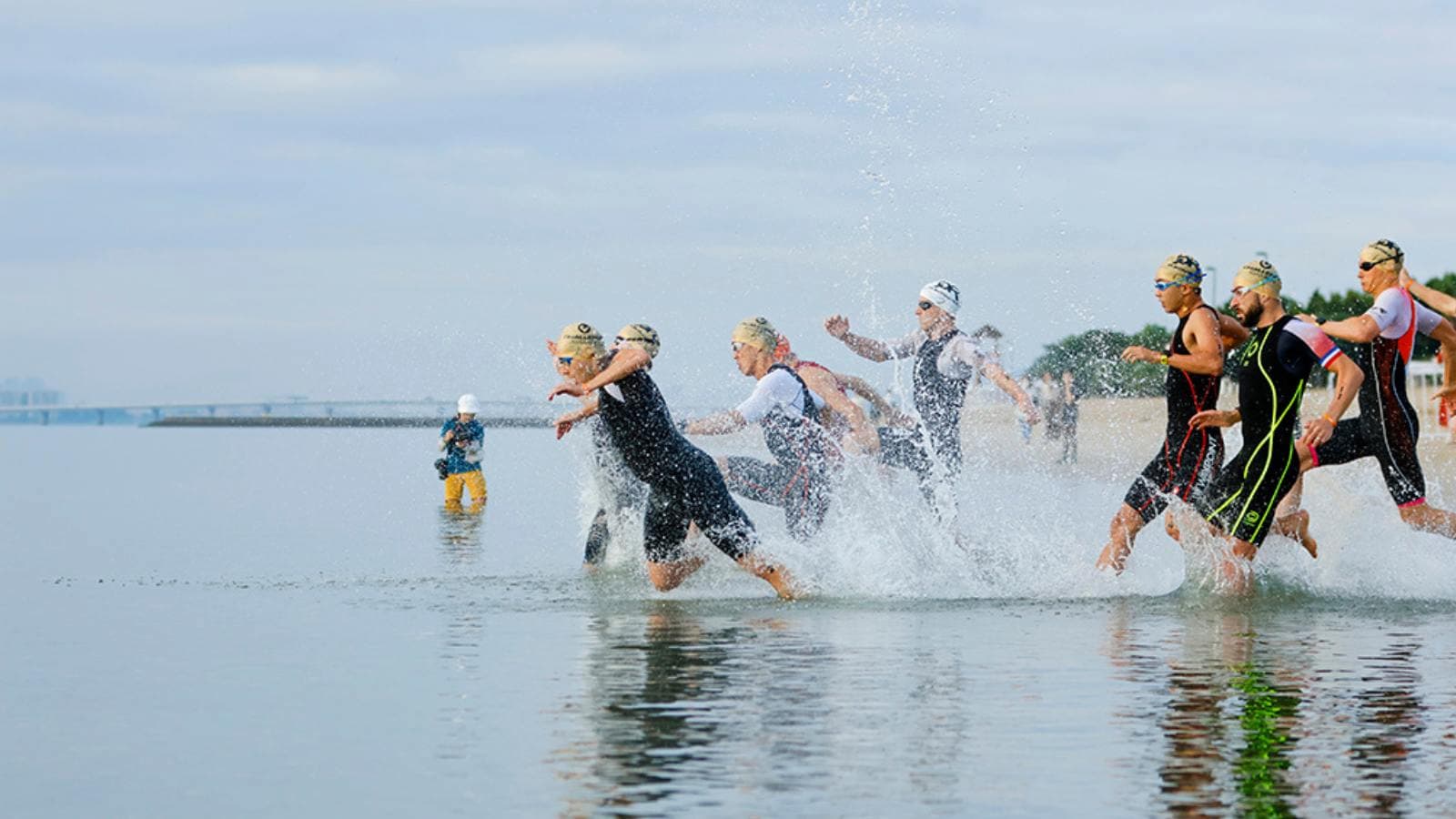
Developing comfort in the water, similar to approaches used in how to start swimming as a beginner in triathlon, helps reduce anxiety and improve efficiency.
Cycling for Sustained Effort
- The 40km bike leg demands steady pacing and endurance.
- Training should include longer rides at a controlled effort.
- Gradually increasing duration builds the ability to sustain output.
- Cadence and smooth pedaling improve efficiency over time.
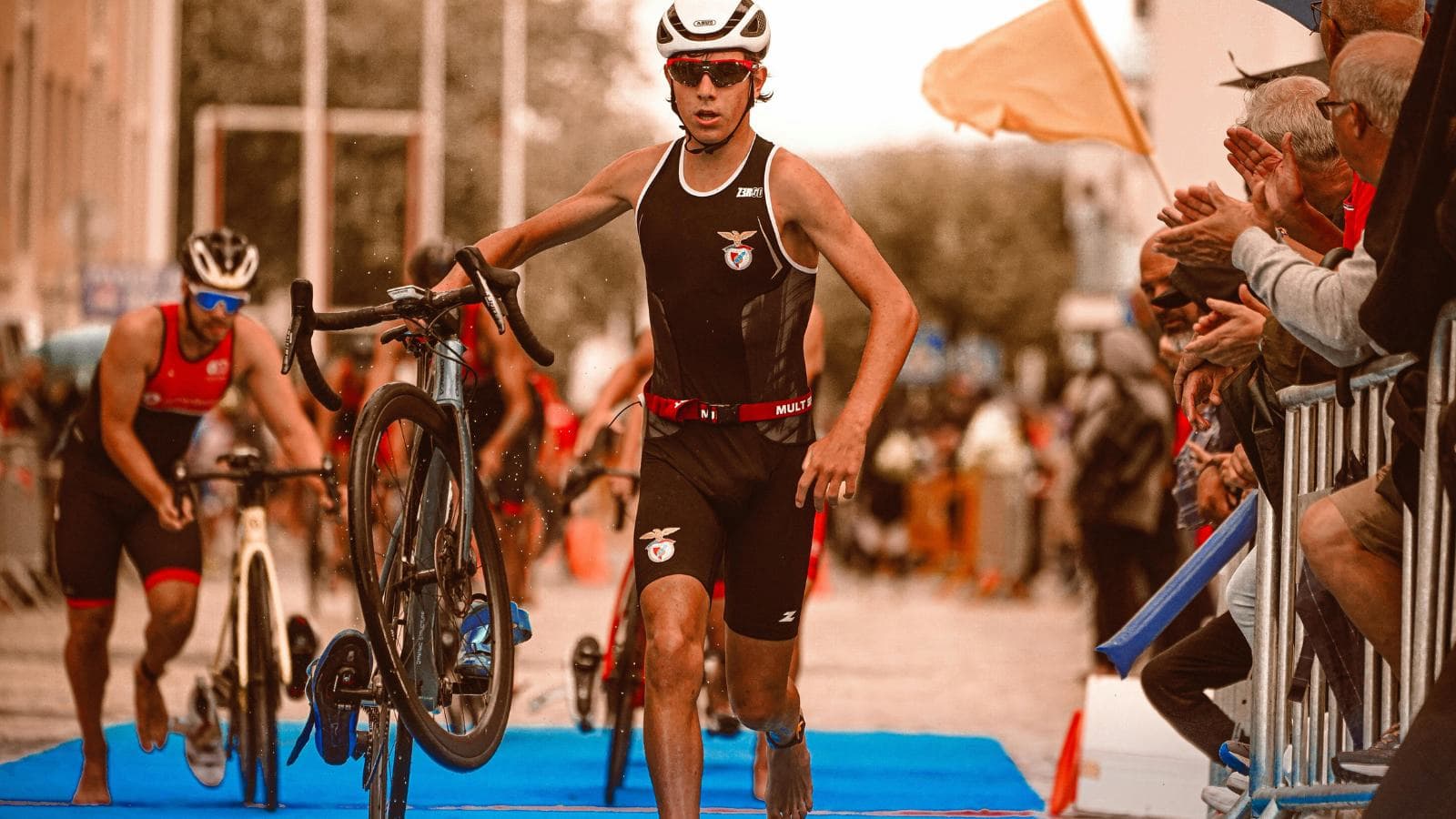
Understanding how to manage effort, much like in pacing strategies for triathlon, helps conserve energy for the run.
Running Off the Bike
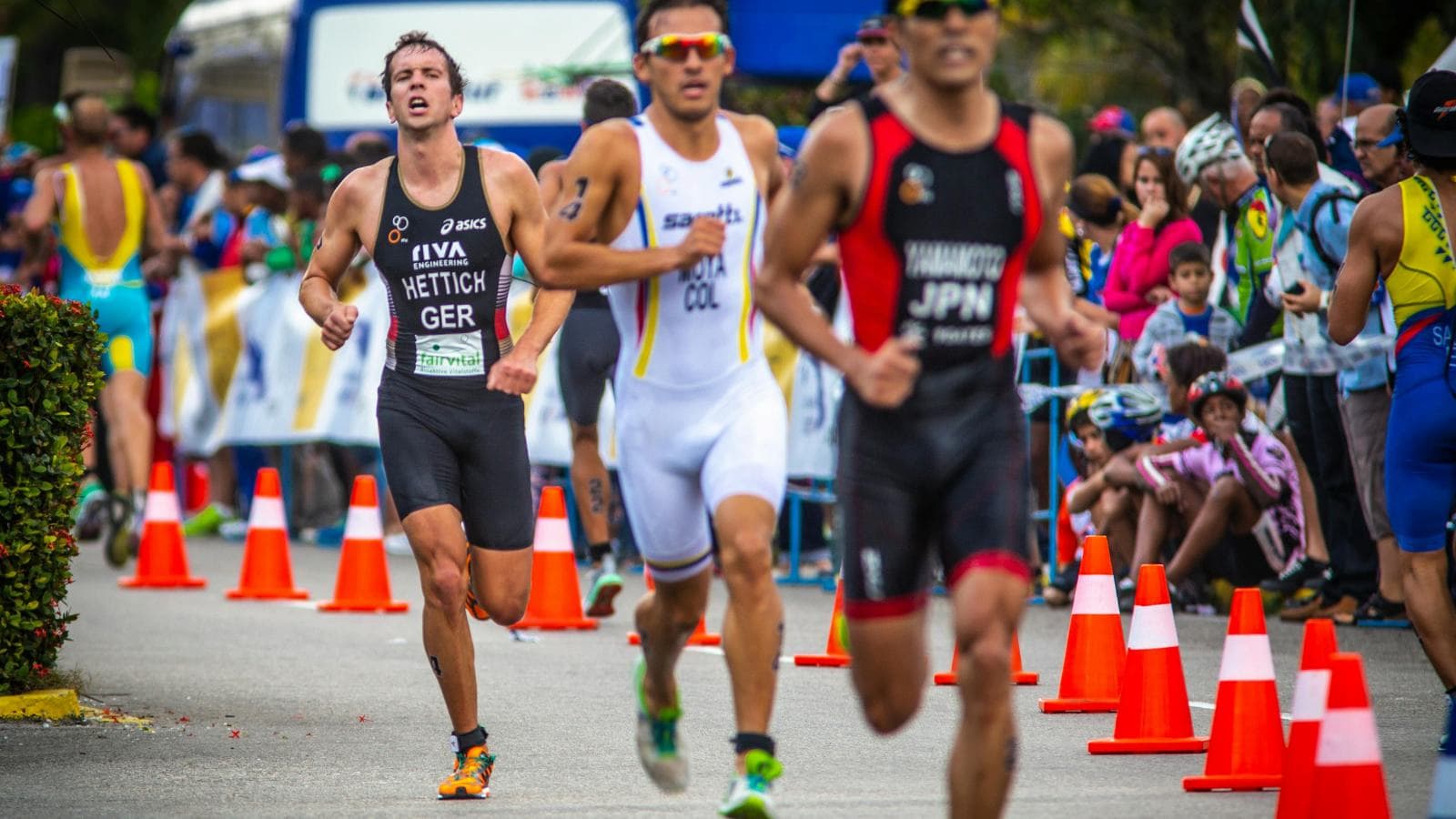
- Running after cycling is one of the biggest challenges in triathlon.
- Your legs often feel heavy due to fatigue from the bike.
- Training should include steady runs and short transition sessions.
- Developing efficiency is more important than speed.
Improving control and movement, similar to improving running power and efficiency, helps maintain performance during the final leg.
The Importance of Brick Workouts
- Brick sessions combine cycling and running in one workout.
- They help your body adapt to the transition between disciplines.
- Short bike-to-run sessions are effective for beginners.
- These workouts improve both physical adaptation and mental readiness.
- Practicing bricks regularly reduces race-day discomfort.
Balancing Intensity and Endurance
- Most of your training should be at a controlled, moderate intensity.
- This builds aerobic endurance and reduces fatigue.
- Higher intensity sessions can be included in small amounts.
- Balancing these elements ensures steady progress.
This approach aligns with what is zone two training in triathlon, where controlled effort builds long-term endurance.
Progression Over Time
A good training plan progresses gradually. Volume and duration should increase slowly each week. Sudden increases lead to fatigue and potential injury. Consistent progression allows your body to adapt safely.
Patience is key to long-term improvement.
Recovery and Rest Days
- Recovery is essential for performance.
- Training creates stress, and recovery allows adaptation.
- Rest days and easy sessions reduce fatigue.
- Ignoring recovery leads to burnout and stagnation.
- Balancing training with rest ensures sustainable progress.
Practicing Race Conditions
- Training should prepare you for real race scenarios.
- This includes pacing, transitions, and open water swimming.
- Simulating race conditions builds confidence.
- It also helps refine your strategy.
- Preparation reduces uncertainty on race day.
Fueling and Hydration Strategy
- Fueling becomes more important as training duration increases.
- Carbohydrates provide the energy needed for sustained effort.
- Hydration supports performance and recovery.
- Testing your nutrition during training ensures it works.
Applying principles from how to fuel for a triathlon helps maintain energy levels across all disciplines.
Common Mistakes
- Training too hard too often leads to fatigue.
- Ignoring one discipline creates imbalance.
- Skipping recovery limits improvement.
- Increasing volume too quickly increases injury risk.
- Lack of structure reduces effectiveness.
Practical Checklist
- Train each discipline two to three times per week
- Include at least one rest day
- Add brick workouts regularly
- Focus on controlled, consistent effort
- Increase volume gradually
- Practice race conditions
What You Should Do
- Start by building a simple, consistent weekly routine.
- Focus on developing endurance across all three disciplines.
- Gradually increase training volume while maintaining control.
- Include brick sessions to prepare for transitions.
- Follow a structured approach, similar to training for a 70.3 and half ironman triathlon, to build discipline and balance across training phases.
- Long-term improvement also benefits from understanding off-season training for triathletes, where building a strong foundation supports future performance.
- A good Olympic distance training plan is not about perfection, it is about consistency, balance, and gradual progression.