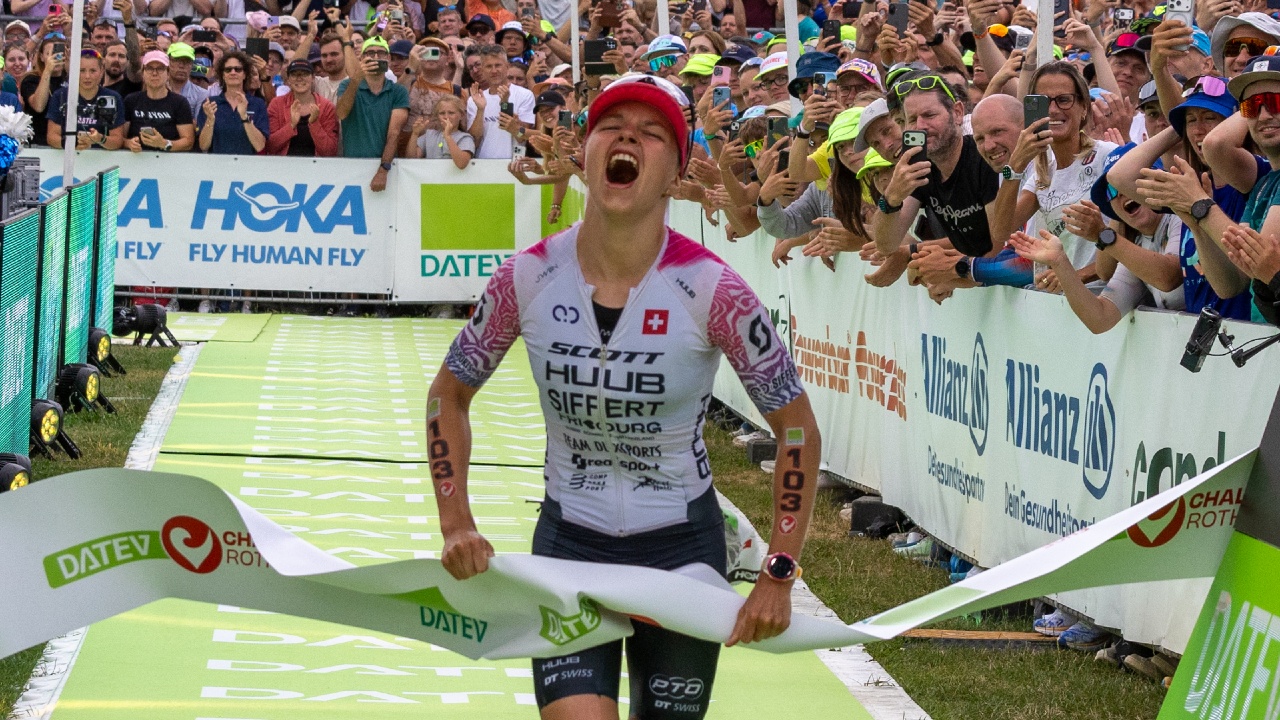


Long runs are one of the most important sessions in any triathlon training plan. They prepare your body for the demands of race day, improve endurance, and give you the opportunity to practise your nutrition strategy. While many triathletes carefully plan what they eat before a run, what they consume during the session is just as important, especially as the duration increases. Running gradually depletes your body’s carbohydrate stores, and unlike cycling, eating while running is more challenging because of the constant impact. Learning what, when, and how much to eat during long runs helps maintain energy, delays fatigue, supports muscle function, and prepares your stomach for race day. The best nutrition strategy is one you’ve tested repeatedly during training rather than one you’re trying for the first time in competition.

Why Fuel During Long Runs?
Your body stores a limited amount of glycogen, which is its preferred fuel during moderate and high-intensity exercise.
During long runs, these stores gradually become depleted. Without replacing some of that energy, you may experience:
- Falling energy levels
- Reduced pace
- Poor concentration
- Early fatigue
Athletes who understand why are carbs important for recovery after a triathlon know that carbohydrates are equally important during prolonged exercise, helping maintain performance before recovery even begins.
Start Fueling Before You Feel Hungry
One of the biggest mistakes triathletes make is waiting until they feel tired before eating. Instead, begin consuming carbohydrates early in longer sessions. Starting before energy levels begin to fall makes it easier to maintain consistent performance throughout the run. Think of fueling as preventing fatigue rather than reacting to it.
Carbohydrates Should Be the Priority
During long runs, carbohydrates provide the most readily available source of energy.
Popular options include:
- Energy gels
- Chews
- Sports drinks
- Bananas
- Soft energy bars
Choose foods that are easy to digest while running and avoid anything you’ve never tried before.
Match Your Nutrition to the Length of the Run
Not every run requires the same fueling strategy. Shorter easy runs may only require water, while longer sessions often benefit from regular carbohydrate intake. Athletes who understand how many run workouts do triathletes need each week know that nutrition should always reflect the purpose and duration of each training session.
Practice Your Race-Day Plan
Training runs are the perfect opportunity to test:
- Different energy gels
- Drink concentrations
- Timing
- Portion sizes
Every athlete’s digestive system responds differently.
Race day should never be your first experiment.
Hydration Matters Too
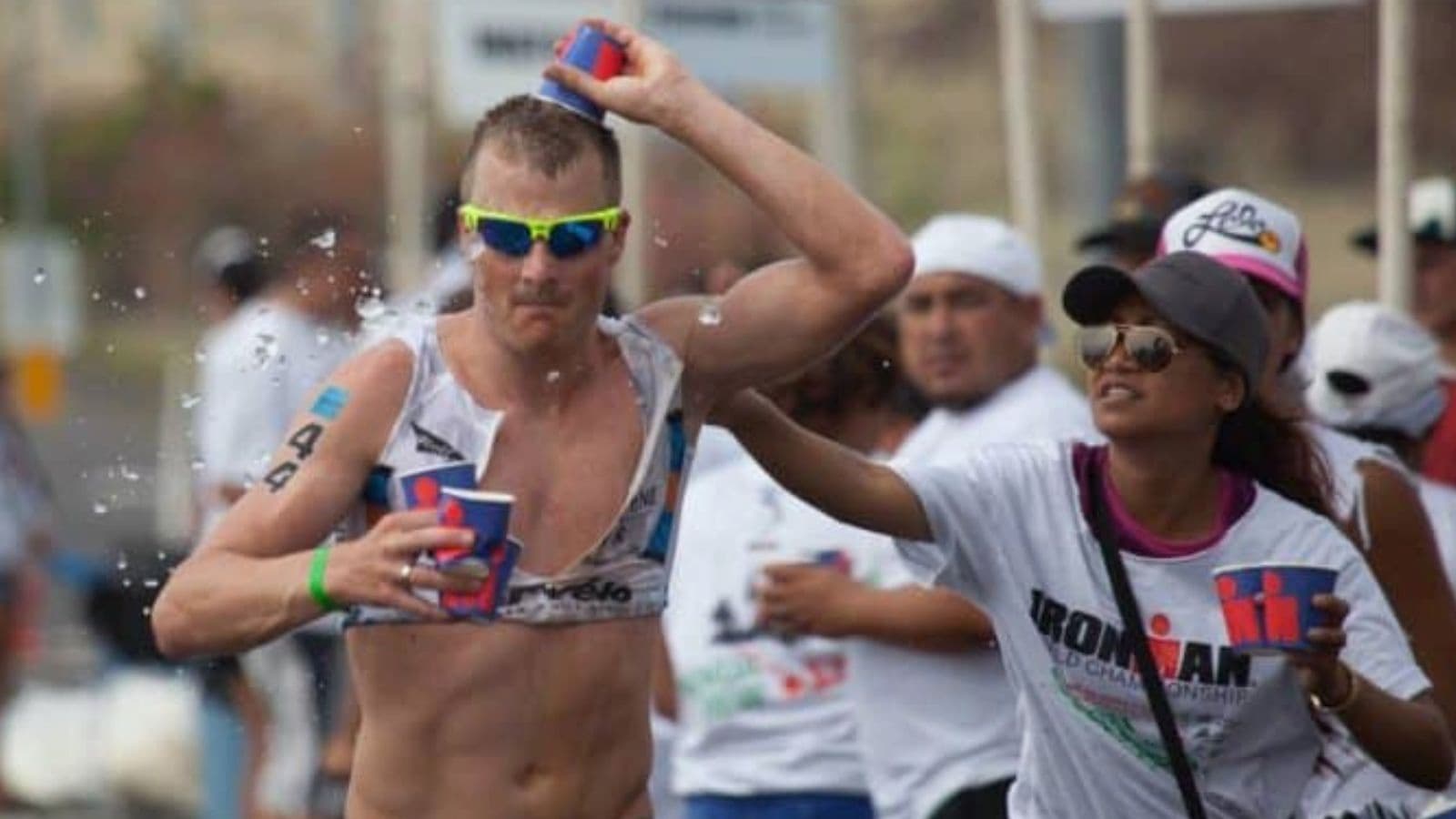
Fuel and hydration work together. Long runs, particularly in warm weather, require regular fluid intake to replace sweat losses. Athletes who understand hydration strategy for triathlon bike races know that although running hydration differs from cycling, the same principle applies: replace fluids steadily rather than waiting until you’re very thirsty.
Don’t Forget Electrolytes
Sweat removes sodium along with water. During longer sessions, especially in hot conditions, electrolyte replacement may help maintain fluid balance and muscle function. Sports drinks or electrolyte tablets are common options, depending on your overall nutrition plan.
Train Your Stomach
Your digestive system adapts just like your muscles.
Regularly practising race nutrition teaches your body to:
- Digest while running
- Absorb carbohydrates efficiently
- Reduce stomach discomfort
This is particularly important before Half Ironman and Ironman races.
Carry Nutrition Comfortably
Decide how you’ll carry your fuel during training.
Options include:
- Running belts
- Soft flasks
- Handheld bottles
- Race vests
Practising with your chosen setup prevents surprises during competition.
Don’t Overeat
More food doesn’t always mean better performance.
Consuming too much too quickly may cause:
- Bloating
- Nausea
- Stomach cramps
Small, regular amounts are generally easier to tolerate than large portions consumed infrequently.
Weather Changes Your Needs
Hot weather increases both fluid and electrolyte requirements. Athletes who understand how can heat training improve trail running performance in all conditions know that environmental conditions significantly influence hydration and fueling requirements, even when running at the same pace. Adjust your strategy based on the temperature and humidity.
Fuel by Time Rather Than Distance
Long runs often include hills, trails, or varying paces. Instead of eating at a certain kilometre marker, many triathletes find it easier to fuel at regular time intervals. This creates a consistent habit regardless of terrain or pace.
Learn What Your Body Tolerates
Some athletes prefer:
- Gels
- Liquid carbohydrates
- Chews
- Real food
There isn’t one perfect solution.
Experiment during training until you find products that provide energy without causing stomach issues.
Don’t Ignore Recovery Nutrition
Your nutrition strategy shouldn’t stop when the run ends. Athletes who understand what does modern recovery look like for triathletes know that replacing carbohydrates, consuming protein, and rehydrating shortly after long runs supports recovery before your next key session.
Practice During Brick Sessions
Running after cycling feels different from running alone.
Include your nutrition strategy during brick workouts to understand:
- Digestive comfort
- Energy needs
- Hydration timing
Athletes who understand how do elite triathletes run fast after cycling know that successful race-day running begins with practising the complete bike-to-run transition, including nutrition.
Don’t Rely Only on Thirst or Hunger
By the time you feel extremely hungry or thirsty, performance may already be declining. A simple fueling schedule often works better than relying entirely on physical sensations. Review your strategy after every long run and adjust if necessary.
Keep It Simple
Complicated nutrition plans are difficult to follow when you’re fatigued.
Aim for a routine that is:
- Easy to remember
- Comfortable to carry
- Well tested
- Consistent
Simple plans are often the most reliable on race day.
Common Fueling Mistakes
Many triathletes:
- Wait too long before eating
- Consume too much at once
- Forget electrolytes
- Ignore hydration
- Try new products during races
- Underfuel long runs
- Fail to practise race nutrition
- Overcomplicate their fueling strategy
Avoiding these mistakes helps maintain energy while reducing the risk of gastrointestinal discomfort.
Building Your Long-Run Nutrition Strategy
A successful fueling plan should include:
- Beginning carbohydrate intake early.
- Eating small amounts regularly.
- Drinking consistently throughout the run.
- Replacing electrolytes when needed.
- Practising with race-day nutrition.
- Adjusting for weather conditions.
- Testing different products during training.
- Refuelling properly after finishing.
Long-run nutrition is about much more than avoiding hunger. Every training session gives you an opportunity to improve your fueling strategy, train your digestive system, and learn what works best for your body. By consistently practising during training, you’ll head into your next triathlon with greater confidence and a nutrition plan you know you can trust.