

Pacing is one of the most important skills in triathlon racing, yet it is also one of the most common reasons athletes underperform. Many triathletes train well physically but still struggle on race day because they distribute effort poorly across the swim, bike, and run.
A triathlon is not three separate races. It is one continuous endurance event where every pacing decision affects the next discipline. Starting too hard, chasing other athletes, or misjudging effort early can turn a strong race into a survival exercise by the final run miles.
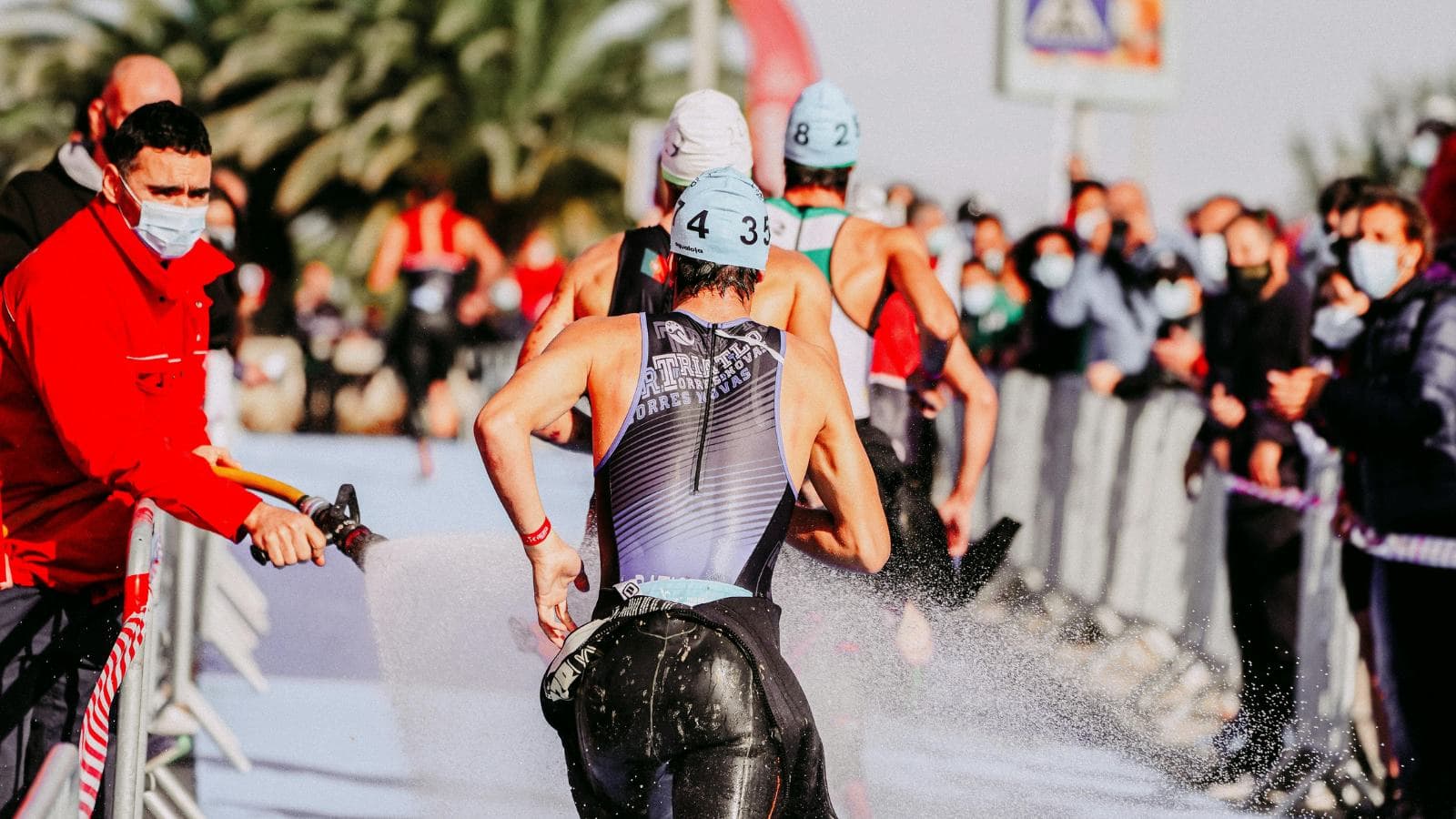
The athletes who race best are usually not the ones going hardest early. They are the ones who manage energy most effectively from start to finish.
Why Pacing Is So Difficult in Triathlon
Triathlon pacing is challenging because athletes must balance three disciplines while also managing:
- Nutrition
- Hydration
- Heat
- Terrain
- Fatigue accumulation
Adrenaline at the start of the race often causes athletes to push harder than planned, especially during the swim and early bike section. Small pacing errors early in the race can become major problems later. This is why structured planning matters so much, similar to approaches discussed in running a triathlon as a beginner, where controlled decision-making improves overall race execution.
Starting the Swim Too Hard
One of the most common pacing mistakes happens immediately at the swim start. Many triathletes sprint aggressively because of adrenaline, crowd pressure, or fear of getting stuck behind slower swimmers.
The result is often:
- Elevated heart rate
- Breathing problems
- Panic
- Early fatigue
A slightly more controlled start allows breathing and rhythm to settle naturally. This becomes especially important in open water racing, similar to strategies discussed in improving triathlon swim, where staying relaxed improves both pacing and efficiency.
Swimming Above Your Actual Ability
Many athletes waste energy trying to hold the pace of faster swimmers rather than swimming within their own sustainable rhythm. The swim is only the first part of the race. Overextending early usually compromises bike and run performance later.
A smoother, controlled swim often leads to faster overall triathlon results even if the swim split itself is slightly slower.
Riding the Bike Too Aggressively
The bike leg is where pacing mistakes often become most damaging. Athletes frequently feel strong after the swim and push above sustainable effort, especially during the first half of the ride.
This often causes:
- Heavy legs during the run
- Nutrition problems
- Dehydration
- Loss of power later in the bike
Proper pacing on the bike should feel controlled rather than desperate. This balance between effort and sustainability is essential in pacing and fueling the bike leg in a triathlon, where smooth pacing protects run performance later in the race.
Ignoring Power or Heart Rate Targets
Many athletes train with structured pacing metrics but abandon them on race day because of excitement or competition.
Ignoring sustainable effort targets often leads to:
- Overbiking
- Excessive fatigue accumulation
- Poor pacing consistency
Using power, heart rate, or perceived effort intelligently helps prevent emotional pacing decisions during races. Triathletes must implement the strategies described in preventing burnout while training for ironman for a better control on their overall pace.
Climbing Too Hard on the Bike
Hills create one of the biggest pacing traps in triathlon. Riders often surge aggressively uphill because speed drops naturally during climbing.
However, large spikes in effort increase fatigue quickly and disrupt pacing consistency. Strong triathlon cyclists usually climb with controlled effort rather than attacking every hill.
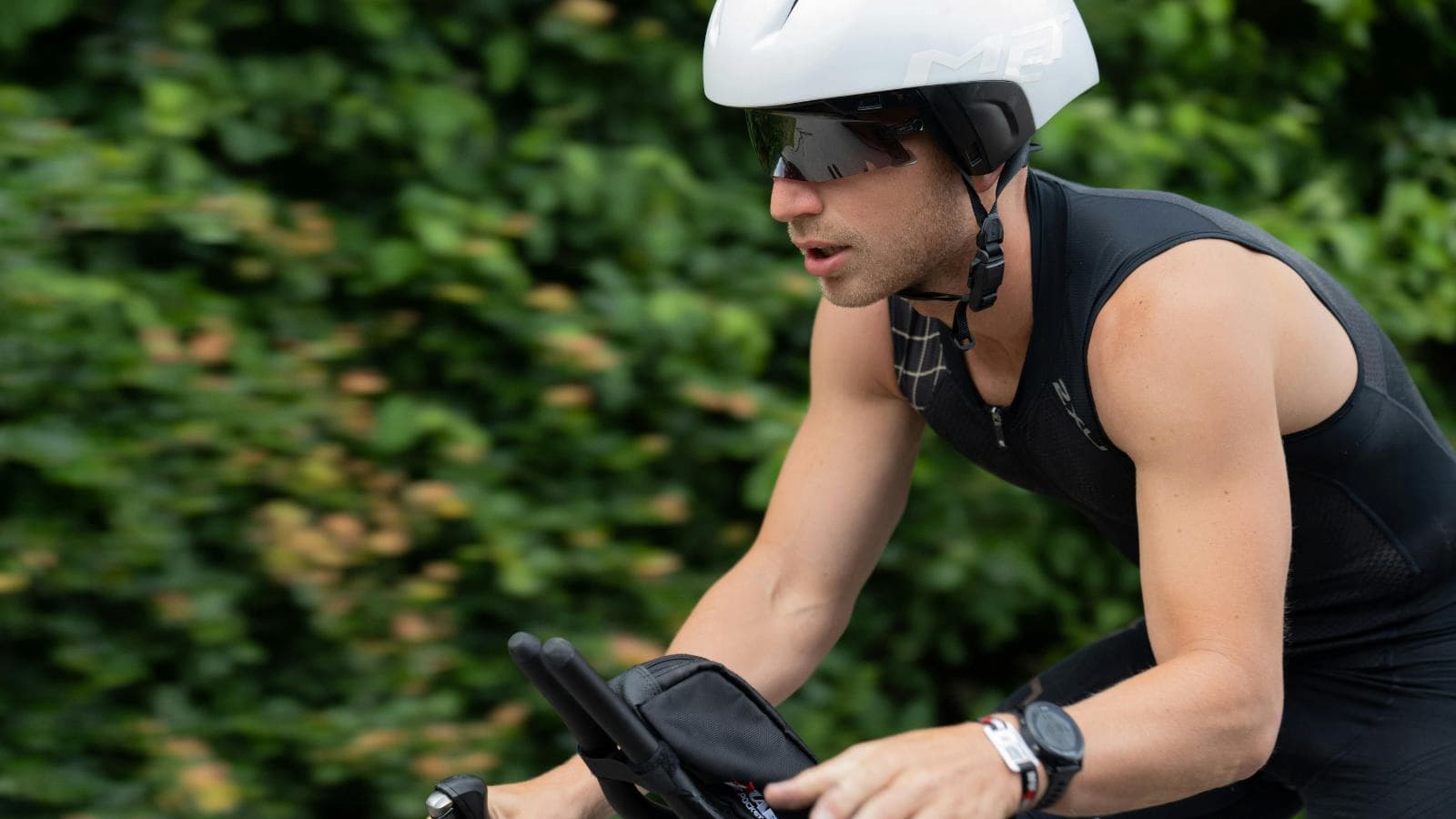
This becomes especially important on technical courses, similar to principles discussed in climbing on the bike in triathlon, where efficiency matters more than short bursts of excessive power.
Neglecting Nutrition and Hydration Timing
Poor fueling is often connected directly to pacing mistakes. Athletes riding too hard frequently struggle to eat and drink properly because intensity becomes too difficult to sustain comfortably.
Once nutrition falls behind:
- Energy levels drop
- GI issues increase
- Run performance declines rapidly
Pacing and fueling must work together throughout the race. This relationship is especially important in longer events, similar to strategies discussed in fueling for an Ironman without GI issues, where sustainable effort improves digestion and energy management.
Running Too Fast Out of Transition
The beginning of the run often feels deceptively easy because of race excitement and crowd energy. Many triathletes start well above sustainable pace without realising it.
This usually leads to:
- Rapid fatigue buildup
- Cramping
- Pace collapse later in the run
The best triathlon runs often begin slightly conservatively before gradually building rhythm and effort.
Racing Other Athletes Instead of Your Own Plan
Triathlon pacing falls apart quickly when athletes become reactive to competitors rather than focused on their own strategy.
Examples include:
- Chasing stronger cyclists
- Trying to hold unsustainable swim packs
- Starting the run too aggressively to stay with others
Successful pacing requires discipline and patience rather than emotional decision-making.
Ignoring Environmental Conditions
Heat, wind, humidity, and course difficulty all affect pacing demands significantly.
Athletes who try to force normal pacing targets in difficult conditions often experience major performance decline later in the race.
Adapting effort intelligently to conditions is critical for strong endurance racing. This becomes particularly important in difficult weather, similar to concepts discussed in riding strong in headwinds and crosswinds on the bike, where controlling effort matters more than chasing speed.
Failing to Adjust Pace During Longer Races
Long-course triathlon requires patience. Athletes who pace shorter races aggressively often struggle in 70.3 or Ironman events because fatigue accumulates much more gradually. Long-distance pacing should feel sustainable and controlled almost the entire time. Many successful Ironman athletes intentionally feel “too easy” early in the race.
Letting Emotion Control Early Effort
Race-day adrenaline is one of the biggest pacing challenges in triathlon. Athletes often feel stronger than normal early because excitement temporarily masks effort perception.
This makes discipline essential during:
- The swim start
- Early bike miles
- First kilometres of the run
Athletes who remain calm early usually finish much stronger later.
Not Practicing Race Pace in Training
Some athletes train hard consistently but never properly rehearse race pacing during training sessions.
Race-specific pacing practice helps athletes understand:
- Sustainable effort levels
- Fueling timing
- Cadence and rhythm
- How different intensities feel under fatigue
This becomes especially useful during brick sessions, similar to strategies discussed in brick workout in triathlon, where athletes practice transitions and pacing between disciplines.
Confusing Discomfort With Unsustainable Effort
Triathlon racing is always uncomfortable to some degree, but there is a difference between manageable discomfort and pacing that is simply too aggressive.
Experienced athletes learn how to:
- Stay controlled under discomfort
- Avoid emotional pacing decisions
- Maintain sustainable intensity over time
This awareness develops gradually through race experience and training consistency.
Avoid Common Triathlon Pacing Mistakes
- Starting the swim too aggressively
- Overbiking early in the race
- Ignoring fueling while pacing hard
- Running too fast out of transition
- Chasing other athletes emotionally
- Ignoring weather and course conditions
Avoiding these mistakes alone often leads to major improvements in overall race performance.
Practical Triathlon Pacing Tips
- Start slightly easier than feels necessary
- Use controlled effort on climbs
- Stick to fueling and hydration plans
- Run the first part of the run conservatively
- Use pacing metrics consistently
- Adapt pacing based on weather and terrain
What You Should Do?
Start viewing triathlon pacing as energy management rather than speed management. Focus on distributing effort smoothly across the entire race instead of trying to gain time aggressively early.
Practice race pacing regularly during training and learn how sustainable effort actually feels under fatigue. Supporting pacing with efficient movement and strategy, like approaches discussed in how to avoid dead legs after the bike, helps maintain stronger performance during the run.
The best triathlon races are rarely the ones with the fastest starts. They are usually the races where athletes stay controlled early enough to finish strong when others begin fading.