

Most triathletes expect to deal with sore legs, tired shoulders, or post-race fatigue. However, some athletes experience a very different problem during long rides: numbness, tingling, pain, or weakness in their hands and wrists. One possible cause of these symptoms is carpal tunnel syndrome. While carpal tunnel syndrome is often associated with office workers or repetitive hand movements, cyclists and triathletes can also develop symptoms due to the prolonged pressure placed on the hands while riding. Because cycling makes up a significant portion of triathlon training, understanding how carpal tunnel syndrome develops and how it can affect performance is important for both comfort and long-term health.
What Is Carpal Tunnel Syndrome?
Carpal tunnel syndrome occurs when the median nerve becomes compressed as it passes through a narrow passage in the wrist called the carpal tunnel.
The median nerve helps control sensation and movement in parts of the:
- Thumb
- Index finger
- Middle finger
- Part of the ring finger
When pressure increases within the carpal tunnel, symptoms may develop.
Common symptoms include:
- Numbness
- Tingling
- Burning sensations
- Hand weakness
- Reduced grip strength
Symptoms often worsen during activities that place sustained pressure on the hands.
Why Are Triathletes at Risk During Cycling?
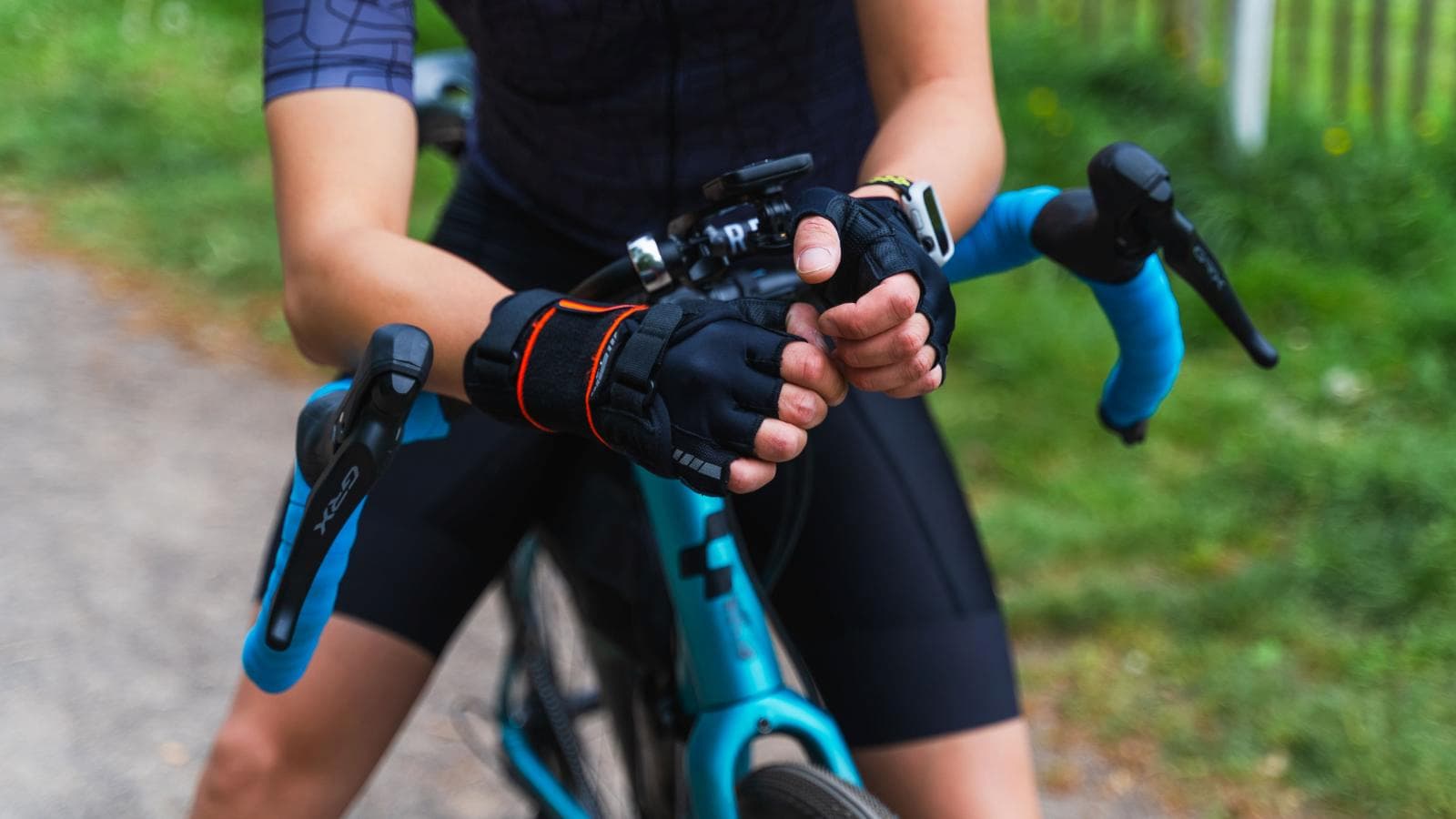
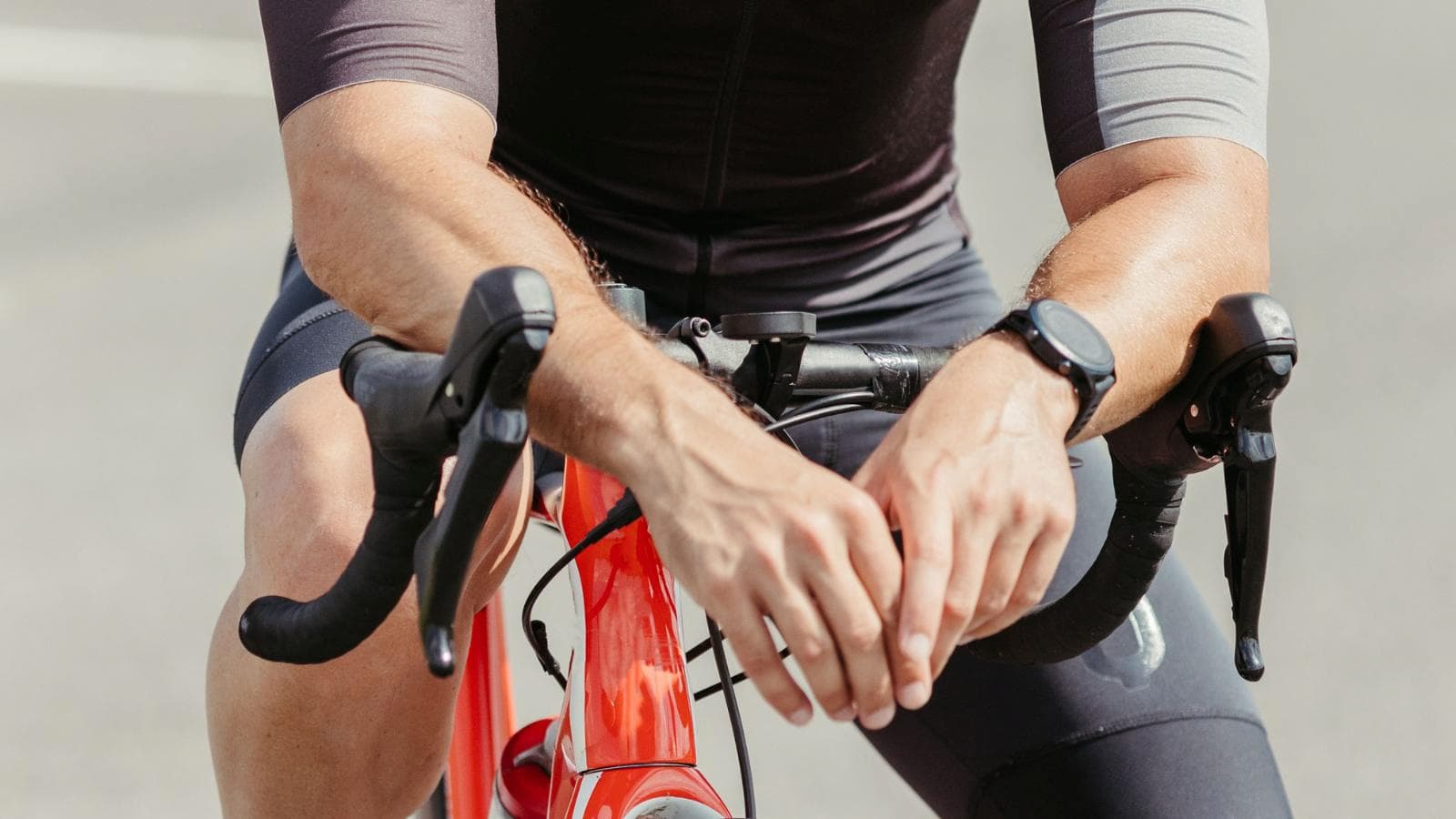
During cycling, a significant portion of body weight may be supported through the:
- Hands
- Wrists
- Forearms
This is particularly true when athletes spend extended periods in:
- Aero positions
- Aggressive road-bike positions
- Long-distance training rides
Athletes who understand how to increase cycling power without burning out often focus on producing more power efficiently, but positioning on the bike is equally important for avoiding unnecessary strain.
Poor weight distribution can increase pressure on nerves and soft tissues.
Long Hours on the Bike Increase Exposure
Triathlon training often involves:
- Long endurance rides
- Brick workouts
- Race simulations
The longer an athlete remains in one position, the greater the cumulative stress on the wrists and hands. Athletes preparing through how to train for your first 70.3 triathlon in 20 weeks often discover that small discomforts can become larger problems when training volume increases.
Duration matters.
Numb Hands Are Often the First Sign
Many triathletes first notice symptoms as temporary numbness.
This may occur:
- During long rides
- After rough road surfaces
- While holding the same position for extended periods
Although occasional numbness does not automatically indicate carpal tunnel syndrome, persistent symptoms should not be ignored.
Early intervention is often more effective than waiting for symptoms to worsen.
Bike Fit Plays a Major Role
One of the most common contributors to hand and wrist discomfort is poor bike fit.
Potential issues include:
- Excessive reach
- Low handlebar position
- Poor saddle position
- Improper weight distribution
Athletes who focus on how to mount and dismount your bike smoothly in a race often realise that bike setup influences much more than transition performance.
Comfort and injury prevention begin with proper positioning.
Aerodynamic Positions Can Increase Pressure
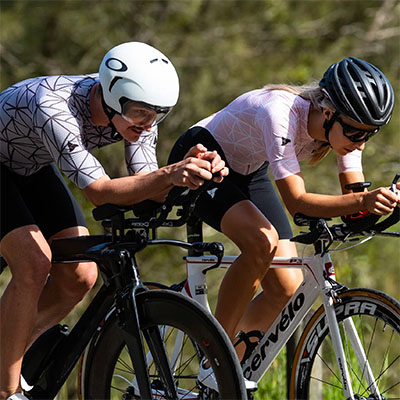
Triathletes frequently spend long periods in aerodynamic positions to improve performance. While aerodynamics can enhance speed, prolonged time in these positions may increase pressure through:
- Wrists
- Forearms
- Hands
Athletes must balance aerodynamic gains with sustainable comfort.
An uncomfortable position rarely supports optimal performance over long distances.
Road Vibrations May Contribute
Cycling exposes athletes to continuous vibration.
Sources include:
- Rough pavement
- Gravel
- Road imperfections
Over time, repeated vibration may contribute to nerve irritation. Athletes who understand how to handle sudden weather changes during a triathlon race often appreciate how environmental factors can influence comfort and performance.
Road conditions matter too.
Grip Tension Can Make Symptoms Worse
Many cyclists grip the handlebars more tightly than necessary.
Excessive tension can increase:
- Wrist strain
- Forearm fatigue
- Hand discomfort
Athletes who understand what mindset helps triathletes perform at their best often recognise that relaxation is a performance skill.
A relaxed grip often improves both comfort and efficiency.
Weakness Can Affect Bike Control
As symptoms progress, some athletes may experience reduced grip strength.
This can affect:
- Braking confidence
- Cornering control
- Bike handling
Athletes who understand how to overcome fear on fast cycling descents know that confidence and control are essential for safe descending.
Hand weakness can undermine both.
Symptoms May Extend Beyond Cycling
Carpal tunnel syndrome does not only affect athletes while riding.
Some triathletes may notice:
- Night-time numbness
- Tingling while driving
- Difficulty gripping objects
- Symptoms during daily activities
When symptoms begin affecting life outside training, professional assessment becomes increasingly important.
Strength and Mobility May Help
While treatment varies depending on severity, some athletes benefit from:
- Wrist mobility work
- Forearm strengthening
- Improved posture
- Reduced hand pressure
Athletes who understand how should triathletes use sauna training safely often appreciate that recovery and injury prevention often involve attention to multiple small details rather than one dramatic solution.
Position Changes During Rides Can Help
Remaining in one position for hours may increase discomfort.
Many triathletes benefit from:
- Changing hand positions regularly
- Sitting up periodically
- Shifting weight distribution
Small adjustments can reduce continuous pressure on the same structures.
Recovery Should Not Be Ignored
Persistent symptoms may worsen if athletes continue training without addressing the cause.
Recovery strategies may include:
- Reduced aggravating activities
- Mobility exercises
- Bike-fit adjustments
- Professional evaluation
Athletes who follow what strategies should triathletes follow for a better recovery often understand that addressing small issues early can prevent larger problems later.
When Should Triathletes Seek Help?
Professional assessment may be appropriate if symptoms:
- Persist after rides
- Wake you during sleep
- Affect grip strength
- Continue worsening
- Interfere with training
Early management often produces better outcomes than waiting until symptoms become severe.
Common Mistakes Triathletes Make
Many athletes increase their risk by:
- Ignoring numbness
- Maintaining poor bike fit
- Gripping handlebars too tightly
- Spending excessive time in one position
- Overlooking recovery
- Failing to address early symptoms
- Prioritising aerodynamics over comfort
- Continuing through worsening pain
Most of these factors can be modified.
How Triathletes Can Reduce Risk?
Triathletes can help protect their hands and wrists by:
- Getting a professional bike fit
- Adjusting hand positions regularly
- Maintaining a relaxed grip
- Improving posture on the bike
- Managing training volume carefully
- Strengthening supporting muscles
- Monitoring symptoms early
- Seeking professional advice when needed
Cycling should challenge the cardiovascular system and legs, not create persistent nerve symptoms. By addressing positioning, comfort, and recovery, triathletes can reduce the likelihood of carpal tunnel syndrome affecting their training and racing.