

The week before a triathlon race is not the time for major bike changes, aggressive upgrades, or last-minute experiments. It is the time to make sure everything works properly, fits correctly, and feels familiar under race conditions. Small mechanical problems become major issues on race day. A loose bolt, worn tyre, poor shifting, or neglected brake check can ruin months of preparation quickly. The goal during race week is reliability, comfort, and confidence.
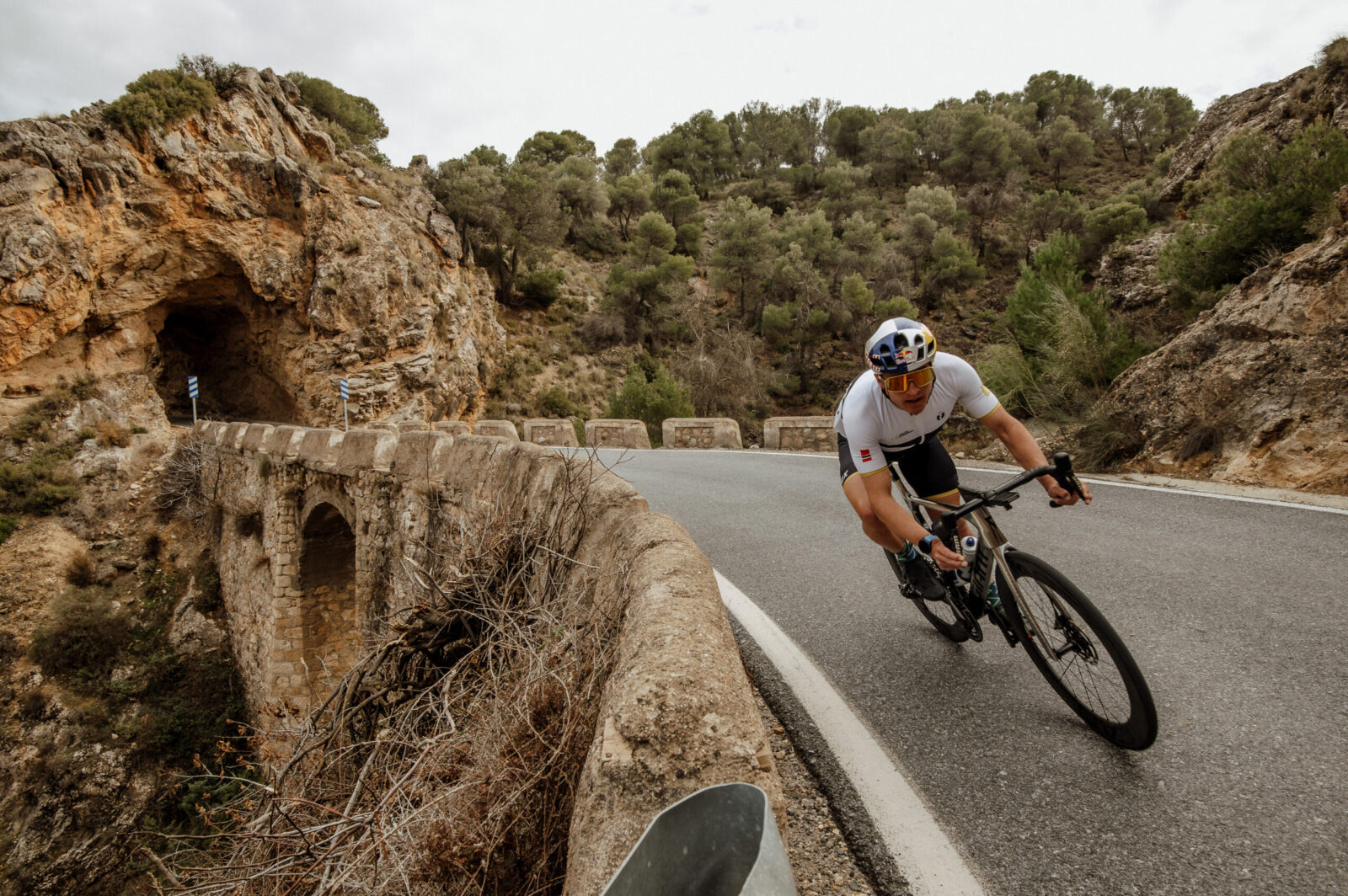
A proper pre-race bike check helps triathletes reduce stress, avoid preventable mechanical issues, and focus fully on race execution.
This becomes even more important when preparing for longer events explained in mobility work that helps cyclist with upper back stiffness, where equipment reliability matters across many hours of racing.
Check Tyres for Wear and Damage
Tyres should always be inspected carefully before race week.
Look for:
- Cuts
- Cracks
- Embedded debris
- Flat spots
- Excessive wear
Worn tyres increase puncture risk significantly, especially during longer races. If tyres need replacing, do it early enough before race day to test them during training rides rather than changing them the night before the event.
Tyre pressure should also match:
- Rider weight
- Road conditions
- Tyre width
- Weather conditions
Overinflated tyres often reduce comfort and grip unnecessarily.
Make Sure Gears Shift Smoothly
Poor shifting creates unnecessary stress and wasted energy during racing.
Check:
- Front derailleur shifting
- Rear derailleur responsiveness
- Chain movement
- Gear indexing
- Cable condition
Shifting should feel smooth and predictable across the full cassette.
Skipping gears or hesitation under load often indicates:
- Cable stretch
- Dirty drivetrain
- Derailleur adjustment issues
- Worn drivetrain components
Reliable shifting becomes particularly important during hilly courses or technical terrain.
Inspect the Chain and Drivetrain
A clean drivetrain improves both efficiency and reliability.
Before race week:
- Clean the chain
- Lubricate properly
- Inspect cassette wear
- Check chain stretch
- Remove excess grime
A neglected drivetrain increases:
- Friction
- Mechanical wear
- Risk of dropped chains
- Poor shifting quality
Race bikes should feel smooth and quiet during pedalling. Athletes preparing through structured endurance progression like structuring a triathlon from start to finish often underestimate how much equipment reliability affects confidence and pacing.
Check Brake Performance
Brakes should feel:
- Responsive
- Smooth
- Consistent
- Stable under pressure
Inspect:
- Brake pads
- Rotor condition
- Cable tension
- Lever feel
- Pad alignment
Poor braking becomes especially risky during:
- Wet conditions
- Descents
- Technical turns
- Crowded race sections
Brake rub should also be eliminated before race day because unnecessary friction wastes energy.
Tighten Bolts Properly
Loose bolts are surprisingly common before races.
Important areas to check include:
- Stem bolts
- Saddle rails
- Seatpost clamp
- Bottle cages
- Aerobars
- Cleats
- Crank bolts
Use proper torque settings whenever possible. Overtightening can damage components just as easily as loose hardware causes problems. This is particularly important for triathletes using carbon components.
Inspect Your Race Wheels
If using race wheels, inspect them early rather than mounting them at the last moment.
Check:
- Tyre condition
- Brake clearance
- Hub smoothness
- Valve extenders
- Wheel alignment
- Quick-release security
Race wheels often handle differently from training wheels, especially in crosswinds. - Athletes should feel comfortable controlling them before race day rather than adapting under pressure.
Test Your Hydration Setup
Hydration systems should be fully tested before racing.
Check:
- Bottle cage security
- Straw positioning
- Refill accessibility
- Aerobar bottle stability
- Rear hydration mounting
Losing bottles during races creates major hydration and nutrition problems quickly.
Triathletes should practise drinking comfortably in aero position during training sessions beforehand.
Make Sure Your Saddle Position Feels Correct
Race week is not the time for major positional experimentation.
Your saddle height and position should already feel:
- Stable
- Comfortable
- Familiar
- Efficient
Minor adjustments may still be useful if discomfort developed recently, but aggressive fit changes shortly before racing usually create more problems than solutions.
Comfort matters significantly because poor positioning affects:
- Power output
- Running legs
- Lower back fatigue
- Knee stress
Cyclists struggling with recurring discomfort often benefit from concepts discussed in low cadence intervals that help cyclists in a race.
Check Cleats and Cycling Shoes
Cleats wear down gradually and often get ignored until problems appear.
Inspect:
- Cleat wear
- Bolt tightness
- Shoe straps
- Boa systems
- Sole condition
Loose or damaged cleats affect:
- Power transfer
- Knee tracking
- Stability
- Comfort
Race shoes should feel secure without creating pressure points or numbness during longer rides.
Practise Race-Day Setup
Race week should include at least one short ride with full race setup.
This allows athletes to confirm:
- Hydration positioning
- Nutrition accessibility
- Computer placement
- Gear shifting
- Brake feel
- Aerobar comfort
Everything should feel automatic and familiar by race day. Small setup mistakes become much harder to solve during competition stress.
Do Not Make Major Equipment Changes
One of the biggest race-week mistakes is changing:
- Saddles
- Shoes
- Aerobars
- Wheel setup
- Crank length
- Tyre models
- Bike fit
New equipment often introduces unexpected comfort or mechanical problems. Race week should focus on familiarity and reliability rather than chasing marginal gains.
Check Electronics and Batteries
Electronic shifting and cycling electronics should be fully charged before race day.
Important checks include:
- Di2 battery
- GPS computer
- Power meter
- Heart rate monitor
- Rear lights if required
- Sensor connections
Race-morning battery problems create unnecessary stress and distraction.
Confirm Nutrition Storage
Nutrition placement should be tested carefully.
Athletes should know:
- Where gels are stored
- Bottle locations
- Refill strategy
- Access while riding
- Emergency backup options
Poor organisation often leads to missed fueling during races. This becomes increasingly important during longer endurance events where energy management determines overall performance.
Recovery and Bike Maintenance Work Together
Bike preparation should not replace recovery priorities during race week.
Athletes still need:
- Sleep
- Reduced training load
- Hydration
- Mobility work
- Mental recovery
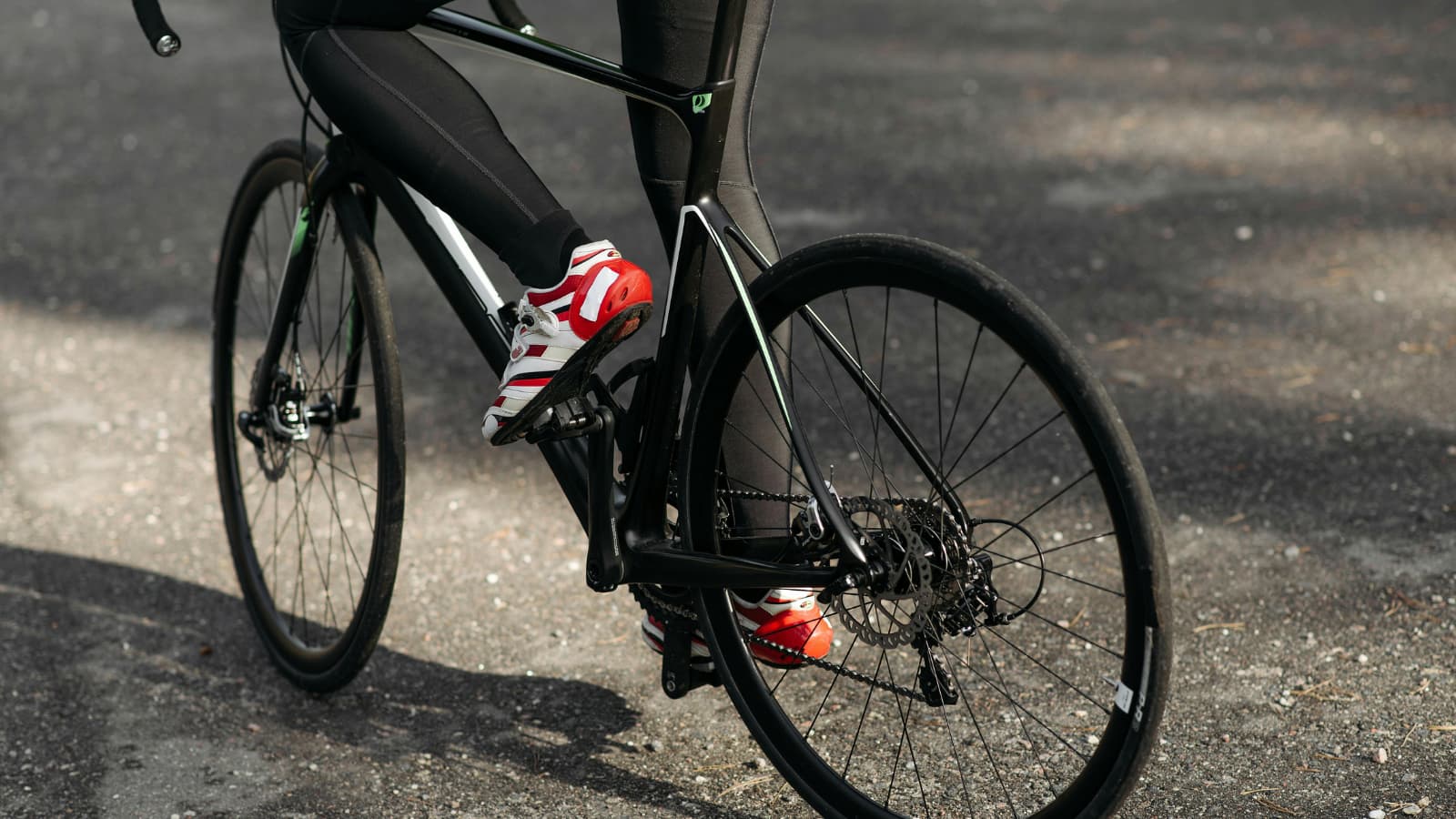
Last-minute mechanical stress often creates unnecessary anxiety before competition. Good preparation allows athletes to focus fully on pacing and execution instead of equipment concerns.
Recovery strategies discussed in reducing injury risk in a triathlon also help athletes arrive mentally and physically fresher on race day.
Common Race-Week Bike Mistakes
Many triathletes create avoidable problems shortly before races.
Common mistakes include:
- Trying new equipment
- Ignoring tyre wear
- Forgetting cleat checks
- Neglecting drivetrain cleaning
- Overtightening bolts
- Changing bike fit too late
- Forgetting battery charging
- Skipping test rides
Simple preparation usually prevents most race-day mechanical problems.
Practical Pre-Race Bike Checklist
Triathletes should check:
- Tyres and tyre pressure
- Gears and shifting
- Brakes
- Chain condition
- Bolt tightness
- Hydration setup
- Cleats and shoes
- Electronics and batteries
- Nutrition storage
- Race wheel setup
Everything should feel predictable, comfortable, and race-ready before the final taper days begin.