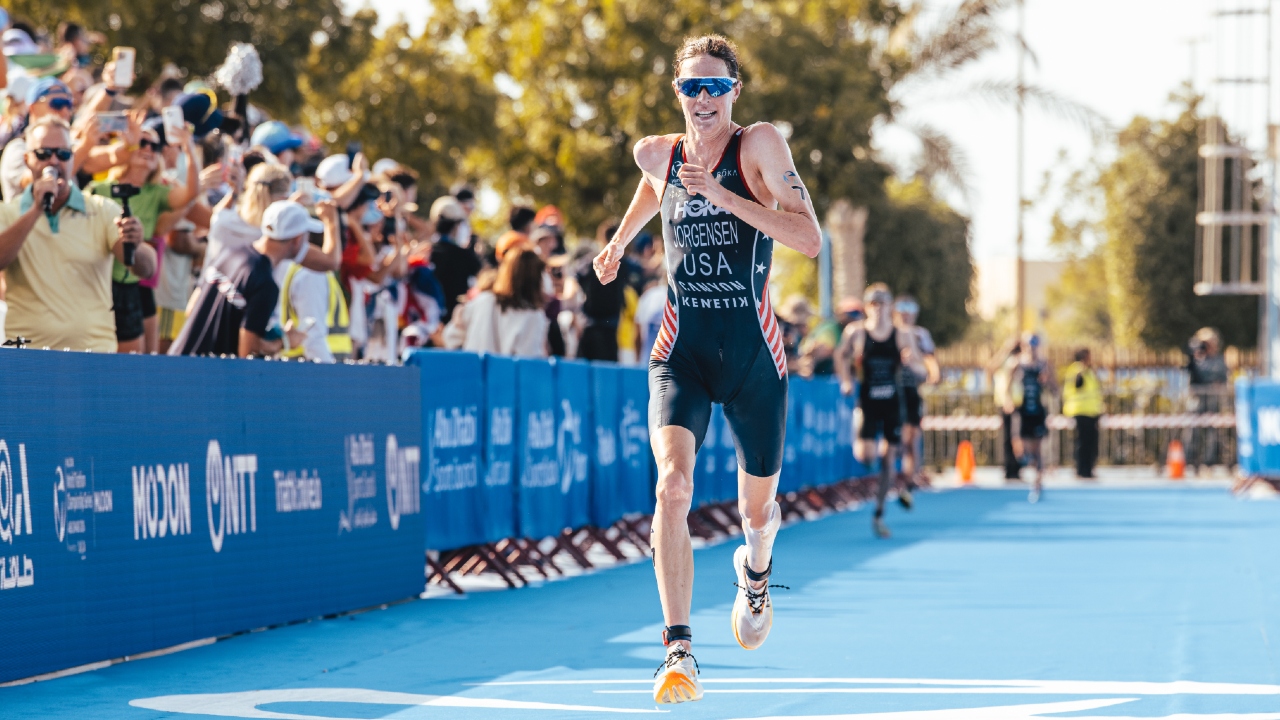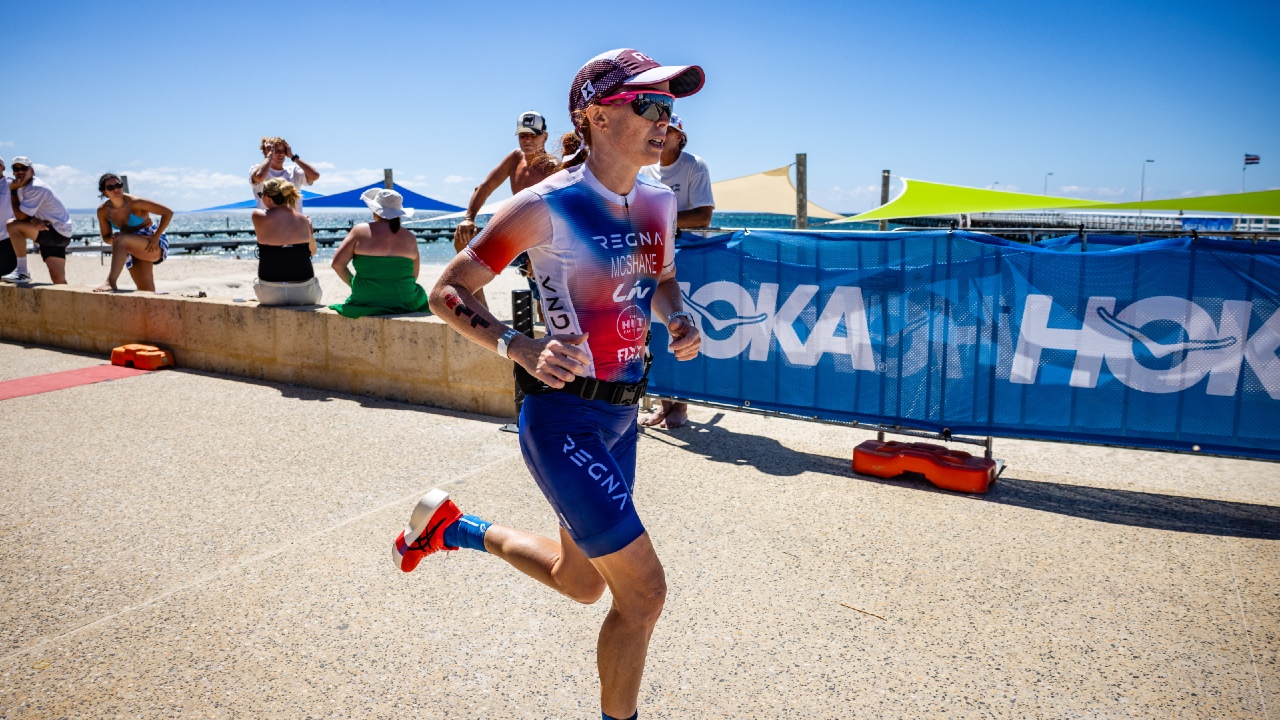


Running drills can improve triathlon performance by developing better running mechanics, coordination, balance, and movement efficiency. These exercises help triathletes practice controlled movements that support smoother running, particularly when transitioning from cycling to running. The run leg of a triathlon presents a unique challenge because athletes begin running after swimming and cycling. Tired legs, reduced coordination, and changes in posture can make maintaining efficient running technique more difficult. Running drills provide an opportunity to practice important movement patterns without completing another demanding workout. They can also prepare muscles and joints for faster running during training sessions. When performed consistently, running drills may improve movement quality and help triathletes maintain better technique as fatigue develops. However, they work best alongside endurance training, strength exercises, and appropriate recovery.
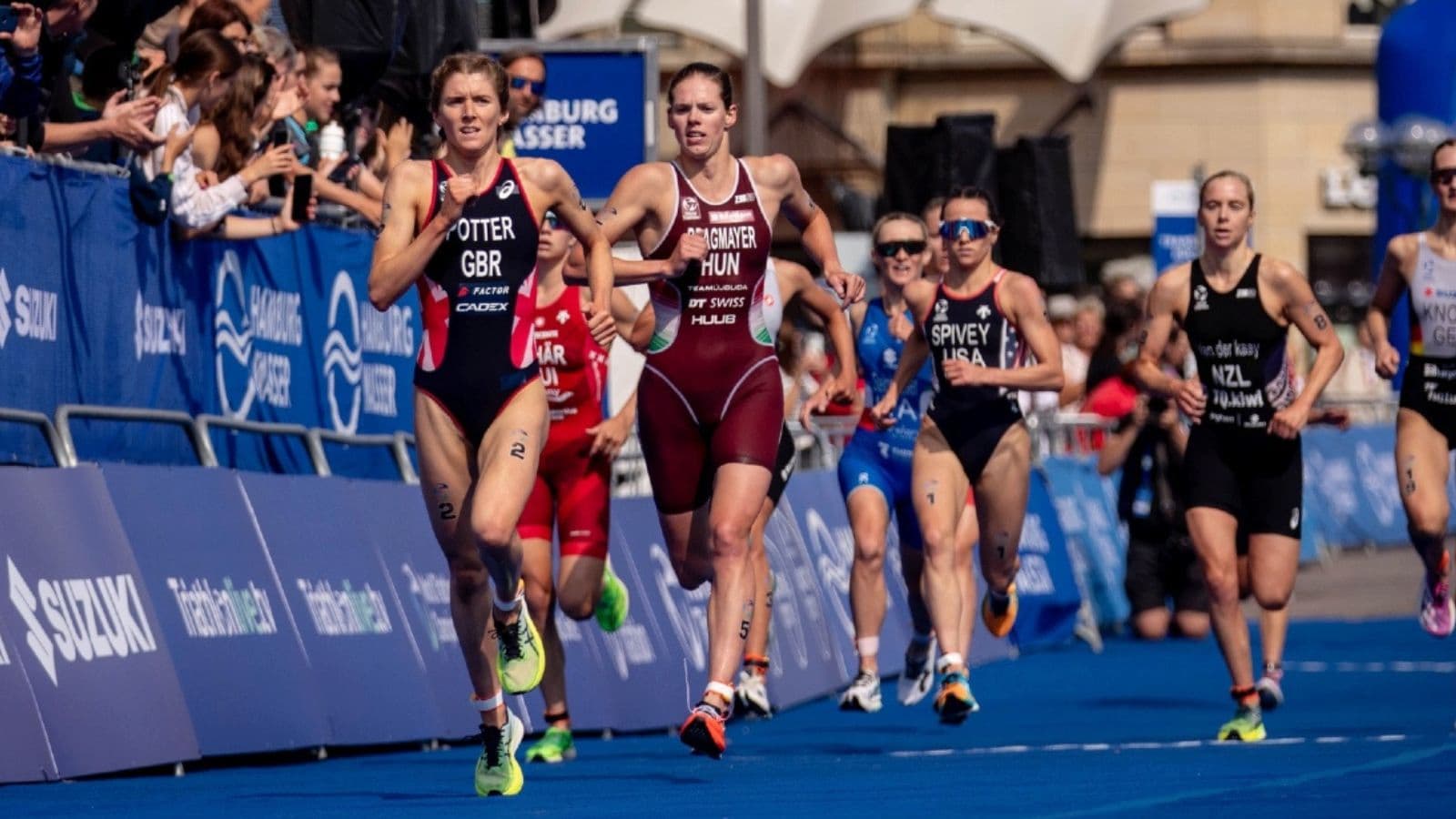
In Short
- Running drills improve coordination and movement awareness.
- High knees encourage active leg movement.
- Butt kicks develop controlled leg recovery.
- Skipping drills improve rhythm and coordination.
- Short strides help practice faster running.
- Good posture supports efficient movement.
- Drills can prepare athletes for harder workouts.
- Consistency matters more than drill complexity.
Why Running Drills Matter in Triathlon?
Running efficiently after cycling requires coordination between the arms, legs, and core. Fatigue can change stride patterns and make running feel less natural. Drills help athletes practice individual movements before combining them during normal running.
Key benefits include:
- Improved movement coordination.
- Better balance and posture.
- Greater awareness of foot placement.
- More controlled arm movement.
- Improved preparation for faster running.
Understanding what are the running drills that every triathlete should do helps athletes select exercises that address their individual technique needs.
High Knees for Running Coordination
High knees encourage active hip movement and coordinated arm action. They can help triathletes practice maintaining an upright posture while moving their legs quickly.
How to perform:
- Stand tall with relaxed shoulders.
- Lift alternating knees comfortably.
- Coordinate opposite arm and leg movements.
- Keep your steps light and controlled.
- Continue for 15 to 20 meters.
Avoid leaning backward or forcing the knees excessively high. Athletes interested in how does hip extension affect speed and efficiency in triathlon running should also consider how hip movement contributes to a complete running stride.
Butt Kicks for Leg Recovery
Butt kicks help athletes practice bending the knee and recovering the lower leg during running. The exercise should involve controlled movement rather than aggressively kicking the heels backward.
How to perform:
- Begin with a gentle forward movement.
- Bend each knee to bring the heel upward.
- Maintain a tall posture.
- Keep your arms moving naturally.
- Continue for 15 to 20 meters.
Focus on rhythm rather than maximum speed. These movements can complement training focused on how to improve your run technique for triathlon.
Skipping Drills for Rhythm and Balance
Skipping exercises combine coordination, balance, and controlled ground contact. A skips are particularly useful for practicing alternating knee lifts with a rhythmic skipping action.
How to perform:
- Stand upright.
- Lift one knee while making a small skip.
- Coordinate the opposite arm.
- Land gently.
- Alternate legs while moving forward.
Begin slowly before increasing the rhythm. Skipping drills can help athletes develop the movement awareness associated with how to become an efficient triathlon runner.
Arm Swing Drills for Better Running Form
Arm movement helps coordinate the upper and lower body during running. Excessive sideways movement can create unnecessary rotation, while stiff shoulders may make running feel less comfortable.
Practice:
- Keeping shoulders relaxed.
- Bending elbows naturally.
- Moving arms mainly forward and backward.
- Avoiding excessive movement across the chest.
- Matching arm rhythm to leg movement.
Understanding how do arm swings improve triathlon running form can help athletes identify inefficient upper body habits.
Strides for Speed and Efficiency
Strides are short, controlled accelerations that allow runners to practice moving faster without completing a full interval workout. They are particularly useful after an easy run or as part of a warmup.
A simple approach includes:
- Accelerating smoothly over 10 to 15 seconds.
- Reaching a fast but relaxed running speed.
- Maintaining controlled posture.
- Slowing down gradually.
- Recovering fully before repeating.
Start with three or four repetitions. Athletes exploring how to improve your triathlon running form can use strides to practice maintaining technique at different speeds.
Running Drills After Cycling
Running after cycling often feels awkward because the muscles have been working through a different movement pattern. Short, controlled drills can help athletes become more aware of their running mechanics, although they do not replace regular brick training.
Try:
- A few minutes of easy jogging.
- Gentle high knees.
- Short skipping drills.
- Controlled strides when sufficiently recovered.
Drills should not create additional fatigue before an important run session. Understanding how should you pace the bike to run better in a triathlon is equally important because excessive cycling effort can compromise running performance.
How Often Should Triathletes Practice Running Drills?
Most triathletes can begin with one or two short drill sessions each week. A typical routine takes approximately 5 to 10 minutes and can be included after an easy warmup.
| Drill | Suggested volume |
|---|---|
| High knees | 2 × 15 meters |
| Butt kicks | 2 × 15 meters |
| A-skips | 2 × 15 meters |
| Arm swing practice | 2 × 20 seconds |
| Strides | 3 × 15 seconds |
Adjust the routine according to experience, mobility, and training demands. Athletes should remember that how to avoid running injuries as mileage increases in a triathlon involves sensible training progression and recovery, not simply performing more drills.
Common Mistakes
- Performing drills too quickly.
- Using exaggerated movements.
- Ignoring posture and balance.
- Practicing when excessively fatigued.
- Adding too many exercises.
- Expecting immediate improvements.
- Using drills instead of endurance training.
Practical Tips
- Warm up before starting drills.
- Practice on flat, stable ground.
- Begin with simple exercises.
- Focus on movement quality.
- Keep sessions short.
- Use occasional video feedback.
- Progress gradually.
Developing what are the most important running skills for triathletes can help athletes understand where running drills fit within their wider training.
Actionable Takeaways
- Practice running drills once or twice weekly.
- Focus on coordination, posture, and control.
- Include high knees, skipping, and strides.
- Avoid turning drills into exhausting workouts.
- Combine drills with consistent running training.