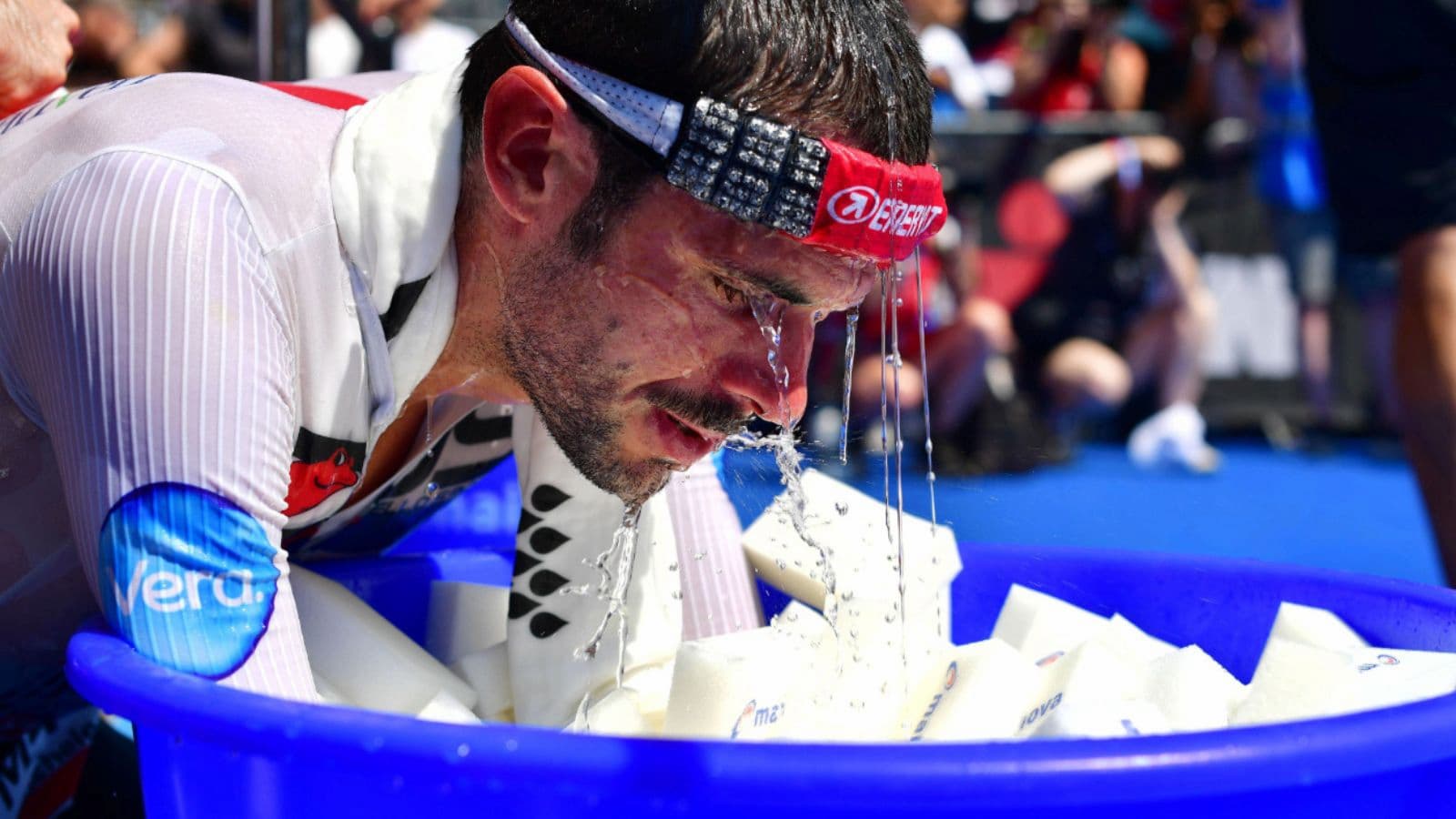


Extreme weather can turn a familiar triathlon bike course into a very different challenge. Heat increases cardiovascular and hydration demands, cold can make it difficult to stay comfortable and operate the bike, while rain and strong winds can reduce grip, visibility, stability, and speed. The best preparation starts before race week. Train in a reasonable range of conditions, understand how your body responds, practice drinking and fueling, and learn how your bike handles in wind and rain. On race day, adjust your expectations rather than trying to force the same speed you would achieve in ideal conditions. Weather preparation is ultimately about maintaining control. A slightly slower but well managed bike leg can put you in a much better position for the run than aggressively chasing your normal pace in extreme conditions.
Understand How Weather Changes the Bike Leg
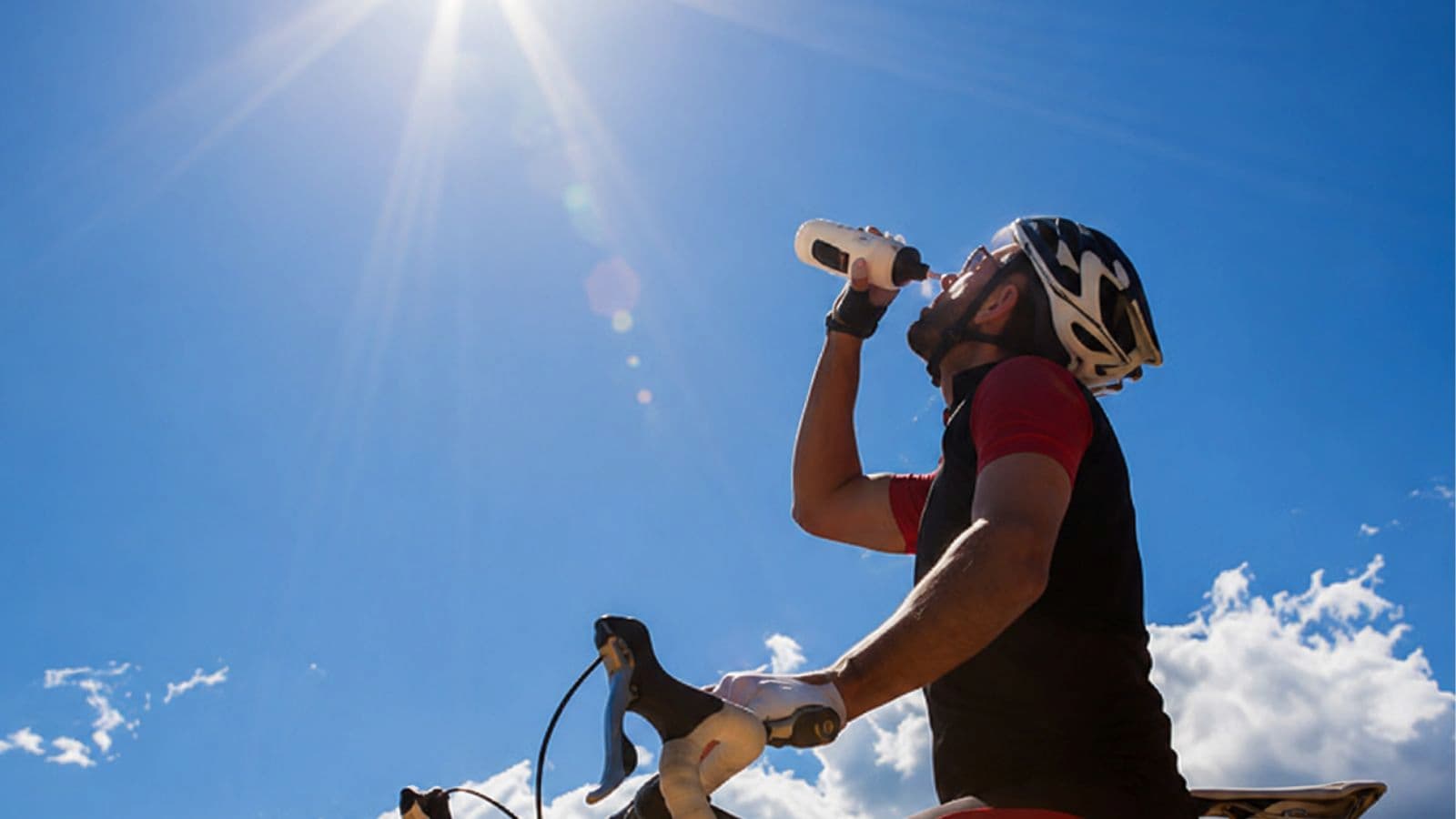
Weather affects more than comfort. It can change the physiological and technical demands of cycling. Extreme heat may increase heart rate and fluid requirements. Cold conditions can make muscles feel stiff and hands less responsive. Rain reduces visibility and may reduce available grip, while strong crosswinds can make the bike harder to control. Conditions can also combine. A race might begin cold and wet before becoming warmer, or strong winds may accompany heavy rain.
Your race plan therefore needs enough flexibility to respond to what actually happens rather than what the forecast originally predicted.
Train in Different Conditions Before Race Day
You do not need to deliberately ride in dangerous weather, but completing some training in realistic conditions can improve confidence.
Controlled exposure can teach you:
- How your clothing performs.
- How much you drink in warmer conditions.
- How the bike handles in wind.
- How braking changes in rain.
- How your effort changes with temperature.
- Which equipment choices actually work.
Indoor training is useful when outdoor conditions are unsafe, but it cannot reproduce every handling challenge. When conditions are safe enough for outdoor riding, experience can make race day much less intimidating.
Prepare for Extreme Heat
Heat can increase cardiovascular strain even when your cycling power or speed remains unchanged. Adjust effort when necessary and remember that overheating on the bike can affect your ability to run afterward.
When preparing for a hot event:
- Train in warmer conditions gradually when appropriate.
- Practice your race hydration strategy.
- Wear suitable lightweight clothing.
- Use available aid stations.
- Start the bike conservatively.
- Pay attention to worsening physical symptoms.
Hydration should be practiced rather than improvised. How much should you drink per hour when cycling in hot weather can help you understand how drinking needs vary rather than relying on one fixed amount for every athlete.
Do Not Overdrink in Hot Weather
More fluid is not automatically better. Drinking far beyond your needs can create its own problems, so avoid treating hydration as a competition to consume as much water as possible. Your requirements depend on factors such as sweat rate, temperature, intensity, body size, race duration, and individual tolerance. Use training to understand your approximate needs and practice the same drinking system you intend to use during the race.
How to beat dehydration during an ironman triathlon provides useful context for athletes preparing for long races in demanding conditions.
Adjust Pacing When It Is Hot
One of the biggest mistakes in hot weather is refusing to modify your race expectations. Your planned power, heart rate, or speed was probably developed under particular training conditions. Extreme heat may make the same output substantially harder.
Use several signals together:
- Perceived effort.
- Heart rate.
- Power when available.
- Breathing.
- How your body is responding.
If your heart rate is unusually high for the planned effort, forcing the original target may create excessive fatigue. Understanding how can heart rate zones improve triathlon cycling speed and fitness can help you interpret effort rather than blindly following speed.
Remember that the bike leg is not the finish line. Protecting yourself from excessive heat stress can make a major difference once you start running.
Prepare for Cold Conditions
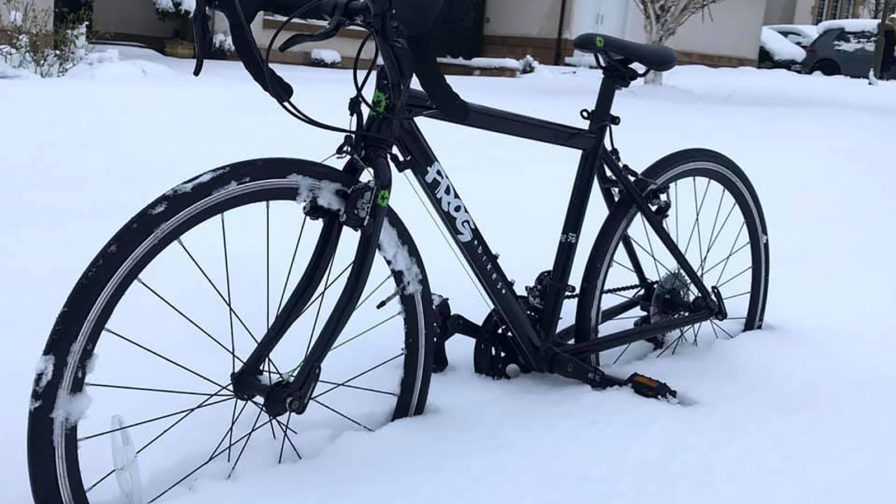
Cold weather creates different problems. You may leave the swim already feeling chilled, especially if air temperature is low. Wind created by cycling can make conditions feel colder, particularly when your body and clothing are still wet. The objective is not to feel warm while standing still. You need enough protection to remain functional once you are moving at cycling speed.
Training principles from how cold is too cold to cycle outdoors can help you recognize when cold moves beyond discomfort and begins affecting safe riding.
Protect Your Hands and Control
Cold hands can make shifting, braking, opening nutrition, and handling bottles more difficult. This matters because bike control depends on being able to operate equipment reliably.
If cold conditions are expected, test your gloves and other clothing during training. Make sure you can still:
- Reach the brakes.
- Change gears.
- Access nutrition.
- Handle bottles.
- Maintain a secure grip.
Do not discover on race morning that thick gloves make your controls difficult to operate.
Prepare for Rain
Rain affects visibility, braking, cornering, and confidence. The safest response is usually smoother riding rather than simply trying to maintain dry weather speed.
In wet conditions:
- Brake earlier.
- Increase space around other riders.
- Reduce corner entry speed.
- Avoid abrupt steering.
- Look farther ahead.
- Be cautious on painted markings and other potentially slippery surfaces.
Keep your body relaxed and avoid sudden corrections. The techniques in how to cycle safely in the rain are worth practicing before a wet race so braking and cornering adjustments feel familiar.
Check Tires and Brakes Before a Wet Race
Equipment condition becomes particularly important when grip and stopping distances are already affected by weather. Before racing, inspect your tires for damage or excessive wear and make sure your brakes are functioning correctly. Check wheels, drivetrain, handlebars, bottle cages, and other essential components at the same time. Avoid making unfamiliar equipment changes immediately before the race unless necessary. A consistent inspection routine based on what you should check on your bike before every ride can identify many problems before you reach the start line.
Manage Strong Headwinds
Headwinds can dramatically reduce speed even when you are producing your planned effort. Do not chase your normal average speed. Trying to force the speed you expected in calm conditions can push effort too high and damage your run.
Instead:
- Maintain controlled effort.
- Use an aerodynamic position when safe.
- Choose appropriate gearing.
- Accept the slower speed.
- Continue fueling and drinking.
Speed is an outcome of both effort and conditions. It should not become the only measure of whether you are riding well.
Be Ready for Crosswinds
Crosswinds can be more technically demanding than headwinds because they affect bike stability. Strong gusts may be especially noticeable on exposed roads, bridges, gaps between buildings, or when passing sheltered areas. Keep a secure but relaxed grip and leave additional space around other riders. Avoid sudden changes of direction and be prepared for gusts when moving from sheltered to exposed sections.
Practicing the principles in how to ride in headwinds and crosswinds on a bike can make these situations more predictable.
Consider Wheel Choice for Windy Conditions
Deep aerodynamic wheels may offer advantages in suitable conditions, but handling should be part of your equipment decision. A wheel setup that feels manageable for an experienced rider may be uncomfortable for someone with less experience in strong crosswinds.
Consider:
- Your body size.
- Handling experience.
- Expected wind.
- Course exposure.
- Wheel depth.
- Your confidence with the equipment.
Do not select equipment solely because it appears fastest under ideal conditions. The setup you can control confidently may be the better race choice.
Adjust Your Aerodynamic Position
Staying aerodynamic can reduce energy lost to wind, particularly during a headwind, but control always comes first.
Move out of the aero position when necessary for:
- Technical corners.
- Strong gusts.
- Poor visibility.
- Wet descents.
- Congested sections.
- Rough surfaces.
You can return to your normal position when conditions become stable. Good racing involves changing position according to the road rather than forcing one posture everywhere.
Fuel Even When Weather Changes Your Appetite
Extreme weather can distract you from eating. In heat, appetite may decrease. In cold conditions, you may not feel as thirsty even though you still need fluids. Strong wind can also make handling food more difficult. Practice a simple nutrition routine that is easy to follow while riding. If your race is long, develop the habit during training rather than waiting until race day. How to fuel for a 2 hour cycling ride in a triathlon provides a useful starting point for practicing carbohydrate and fluid intake on the bike.
Study the Course With Weather in Mind
A weather forecast becomes more useful when combined with course knowledge.
Identify:
- Exposed sections.
- Long descents.
- Technical corners.
- Areas likely to hold water.
- Long climbs.
- Aid stations.
- Sections where wind direction may matter.
A strong headwind on a flat exposed section requires a different approach from a crosswind on a technical descent. Knowing where these challenges occur can prevent surprise and help you pace more intelligently.
Protect the Run Leg
Every decision on the bike affects what happens afterward. Riding too hard into a headwind, overheating, becoming dehydrated, or repeatedly accelerating after corners can leave you struggling once you reach T2. Think of the bike as part of the complete race. The approach described in how can you bike smarter to improve your triathlon run is particularly important in extreme weather because conserving effort may matter more than chasing your expected bike split.
Common Mistakes
- Refusing to adjust planned speed for the weather.
- Drinking excessively simply because conditions are hot.
- Ignoring wind when choosing equipment.
- Braking too late on wet roads.
- Wearing untested cold weather clothing.
- Riding too close to other athletes in difficult conditions.
- Prioritizing race time over safe bike control.
Practical Tips
- Check the forecast several times before racing.
- Train safely in different conditions.
- Practice your hot weather hydration strategy.
- Test cold weather clothing before race day.
- Brake earlier when roads are wet.
- Adjust effort before extreme weather creates excessive fatigue.
Actionable Takeaways
Extreme weather should change how you approach a triathlon bike leg. Heat may require more conservative pacing and careful hydration, while cold demands appropriate clothing and enough hand function to operate the bike safely. Rain requires smoother braking and cornering, while wind may require changes in pacing, position, and equipment choices. Most importantly, abandon the idea that you must achieve the same speed in every environment. Power, heart rate, perceived effort, handling, and safety are often more informative than average speed when conditions become extreme. A successful bike leg is one that gets you through difficult weather safely, efficiently, and with enough energy to run well afterward.