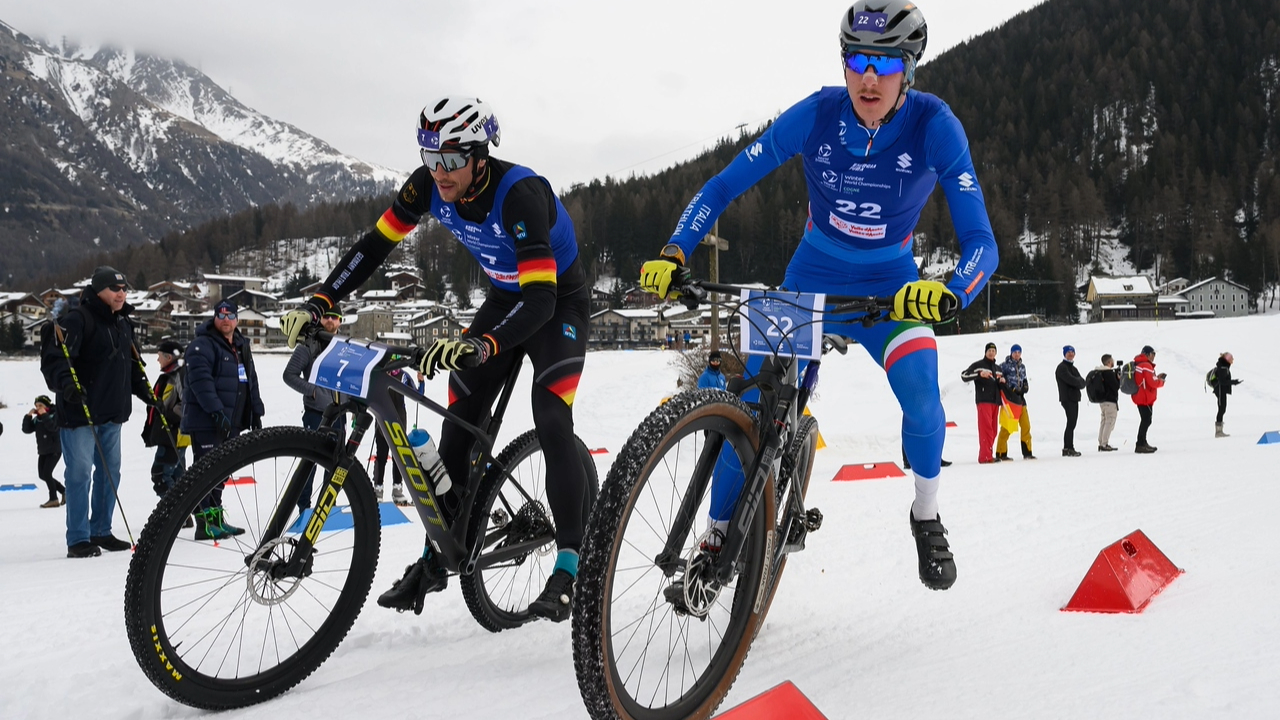


Cold weather doesn’t have to bring your triathlon cycling to a halt. Many triathletes continue training throughout autumn and winter, using outdoor rides to build endurance and maintain fitness before the race season begins. However, as temperatures drop, cycling becomes more challenging and requires careful preparation. Cold air affects your muscles, breathing, hydration and bike handling, while snow, ice and strong winds can significantly increase the risk of accidents. Although there is no universal temperature at which cycling becomes unsafe, weather conditions, clothing, wind chill and road surfaces all play an important role. Understanding how cold weather affects both you and your bike allows you to make informed decisions about when to ride outdoors and when an indoor session may be the safer option.
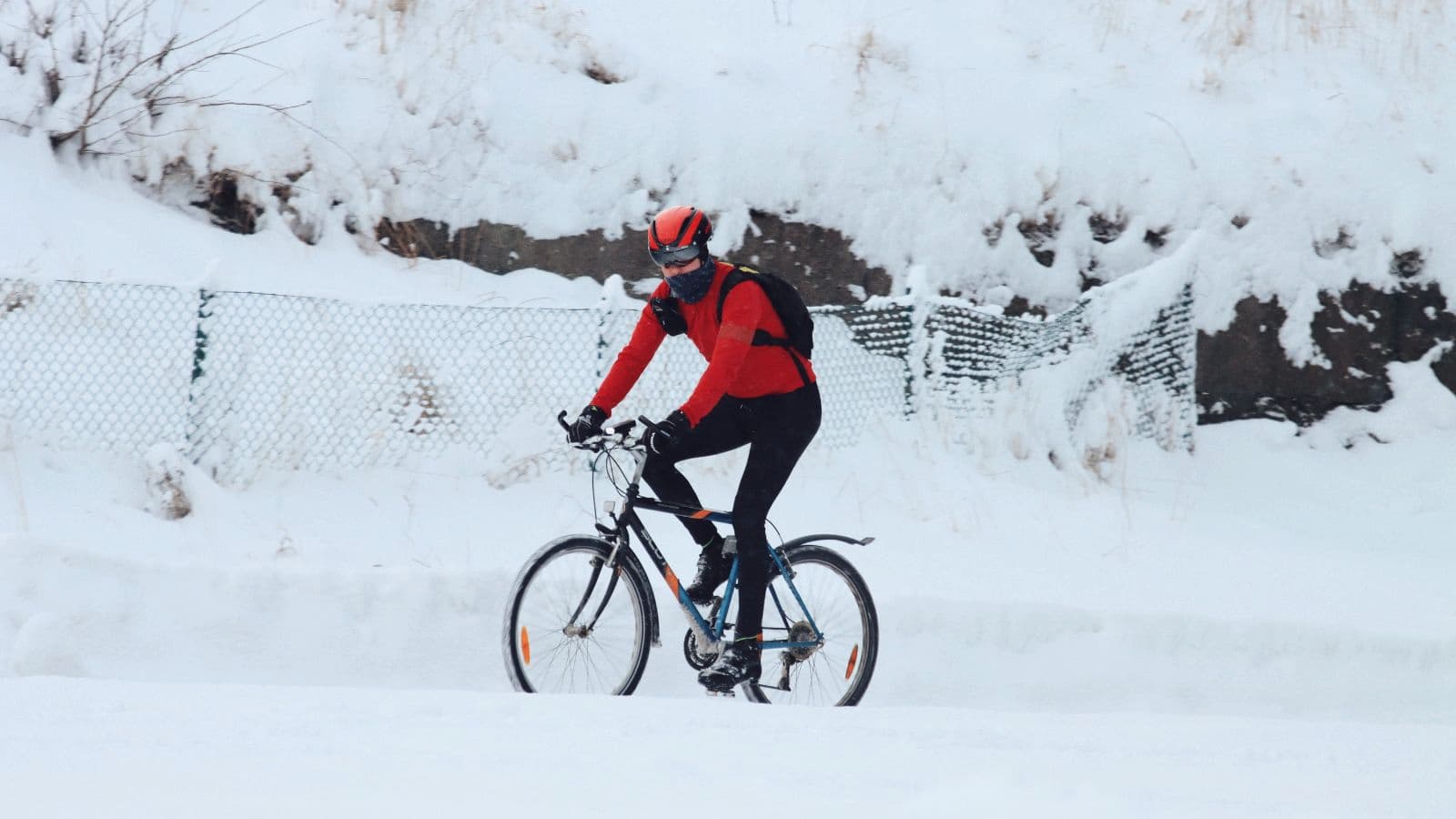
There Isn’t a Universal Temperature Limit
The temperature that’s safe for cycling depends on several factors, including:
- Wind speed.
- Humidity.
- Road conditions.
- Ride duration.
- Clothing.
- Individual cold tolerance.
Many experienced cyclists comfortably ride below freezing, while others may prefer indoor training whenever temperatures approach 5°C. The key is assessing the overall conditions rather than focusing solely on the thermometer.
Wind Chill Can Make It Feel Much Colder
Moving through cold air dramatically increases heat loss.
Strong winds can make:
- 5°C feel close to freezing.
- 0°C feel well below zero.
- Exposed skin lose heat rapidly.
Always check the “feels like” temperature before heading out, especially for longer rides.
Ice Is More Dangerous Than Cold Air
Cold temperatures alone don’t usually cause crashes. Hidden ice is a much greater concern.
Be particularly cautious around:
- Bridges.
- Shaded roads.
- Junctions.
- Wet patches.
- Country lanes.
- Early morning routes.
If widespread ice is present, it’s often safer to postpone your outdoor ride.
Dress in Layers
Layering allows you to regulate body temperature throughout your ride.
A good winter clothing system includes:
- Moisture-wicking base layer.
- Thermal jersey.
- Windproof or waterproof jacket.
- Insulated tights or leg warmers.
Avoid overdressing, as excessive sweating can leave you feeling colder later in the ride.
Protect Your Hands and Feet
Cold hands reduce braking performance and bike control. Cold feet become uncomfortable long before your core temperature drops. Triathletes must understand how winter riding can improve bike handling skills outdoors and improve performance.
Wear:
- Insulated gloves.
- Thermal socks.
- Overshoes.
- Shoe covers when necessary.
Warm extremities help you maintain better control of the bike throughout your ride.
Warm Up Gradually
Cold muscles take longer to reach optimal performance.
Begin every ride with:
- Easy pedalling.
- Gentle cadence.
- Gradual effort increases.
- Smooth gear changes.
Avoid hard intervals immediately after leaving home.
Check Your Bike Before Winter Rides
Cold, wet conditions place additional stress on your equipment.
Before setting off, inspect:
- Tyre pressure.
- Brakes.
- Lights.
- Chain lubrication.
- Tyres.
Regular maintenance becomes even more important during winter. Before every ride, what you should check on your bike before every ride explains the essential inspections that help prevent mechanical issues.
Lower Tyre Pressure Slightly
A modest reduction in tyre pressure can improve grip on cold, damp roads.
However:
- Stay within manufacturer recommendations.
- Avoid excessively low pressure.
- Adjust according to rider weight and tyre width.
Improved grip increases confidence on winter roads.
Slow Down on Descents
Cold tyres and damp roads reduce available traction.
When descending:
- Brake earlier.
- Corner smoothly.
- Avoid sudden steering.
- Leave extra stopping distance.
If you’re riding on wet winter roads, how to cycle safely in the rain explains many of the same handling techniques that improve safety in cold conditions.
Stay Visible
Winter often means:
- Shorter daylight hours.
- Fog.
- Rain.
- Low sun.
Improve your visibility by using:
- Bright clothing.
- Front and rear lights.
- Reflective accessories.
Being seen is just as important as seeing the road ahead.
Fuel Your Body Properly
Cold weather increases your energy demands.
Even if you don’t feel thirsty:
- Eat regularly.
- Drink consistently.
- Replace electrolytes when needed.
- Carry enough nutrition for longer rides.
Proper fuelling helps maintain body temperature and supports endurance. For recovery guidance, what you should eat after a hard cycling workout explains how nutrition supports adaptation after demanding rides.
Don’t Ignore Hydration
Many cyclists drink less during winter because they sweat less noticeably.
However, dehydration still affects:
- Performance.
- Concentration.
- Recovery.
- Temperature regulation.
Carry water even on shorter rides and drink regularly throughout your session. Understanding how much should you drink per hour when cycling in hot weather provides hydration principles that can be adjusted for cooler conditions.
Watch for Warning Signs of Cold Stress
Your body will usually tell you when conditions are becoming unsafe.
Stop your ride and seek warmth if you experience:
- Uncontrollable shivering.
- Numb fingers or toes.
- Loss of coordination.
- Slurred speech.
- Confusion.
- Extreme fatigue.
These symptoms may indicate the early stages of hypothermia or cold-related illness and shouldn’t be ignored.
Adjust Your Training Expectations
Cold weather isn’t the ideal time to chase personal bests.
Instead, focus on:
- Building aerobic endurance.
- Improving bike handling.
- Maintaining fitness.
- Practising consistent pacing.
If strong winds or freezing temperatures slow your average speed, don’t worry. Training quality matters far more than the number on your bike computer. Developing efficient riding habits throughout winter also supports long-term progress. How to become a more efficient cyclist explains how technique and consistency improve cycling performance.
Keep Your Bike Clean After Winter Rides
Road salt, grit and moisture can quickly damage your bike.
After every cold-weather ride:
- Wipe down the frame.
- Clean the drivetrain.
- Dry the chain thoroughly.
- Reapply lubricant.
- Inspect brake pads and tyres.
Regular maintenance reduces corrosion and helps your bike perform reliably throughout winter.
Know When to Ride Indoors
Sometimes the safest decision is to stay inside.
Consider replacing your outdoor ride with an indoor trainer session when:
- Roads are icy.
- Heavy snow is falling.
- Winds are dangerously strong.
- Visibility is extremely poor.
- Temperatures combined with wind chill create unsafe conditions.
Missing one outdoor session is far better than risking injury from a preventable crash.
Build Confidence Gradually
If you’re new to winter cycling, start with shorter rides before attempting longer training sessions.
Choose:
- Familiar routes.
- Quiet roads.
- Daylight hours.
- Predictable weather.
As your confidence grows, you’ll become more comfortable handling different winter conditions while maintaining safe riding habits.
Common Mistakes
- Underestimating wind chill.
- Wearing too many or too few layers.
- Ignoring icy road conditions.
- Forgetting lights during daytime rides.
- Riding with cold, numb hands.
- Skipping bike maintenance after wet rides.
- Failing to eat and drink enough.
- Continuing to ride despite signs of excessive cold stress.
Practical Tips
- Check both temperature and wind chill before every ride.
- Dress in layers that can be adjusted during your ride.
- Wear insulated gloves and overshoes.
- Lower tyre pressure slightly for improved grip when appropriate.
- Slow down on descents and corners.
- Carry extra food for longer rides.
- Clean and lubricate your bike after winter training.
- Move your session indoors if roads become icy.
Actionable Takeaways
There is no universal temperature that’s too cold for cycling outdoors. Safe winter riding depends on several factors, including wind chill, road conditions, clothing and your own experience. By dressing appropriately, adjusting your riding style and monitoring changing weather conditions, you can continue training safely throughout much of the winter.
However, safety should always come first. Ice, poor visibility and extreme wind chill often pose a greater risk than cold air alone. Knowing when to choose an indoor trainer instead of heading outside is part of becoming a smarter and more resilient triathlete.