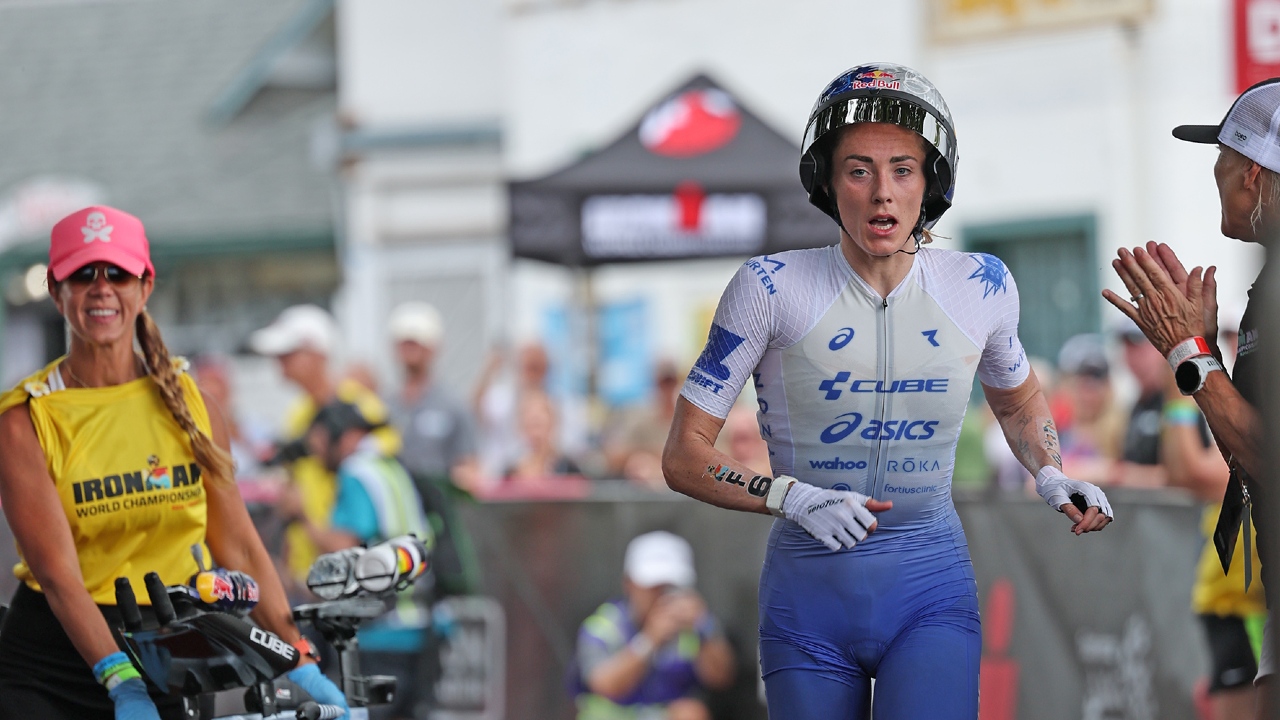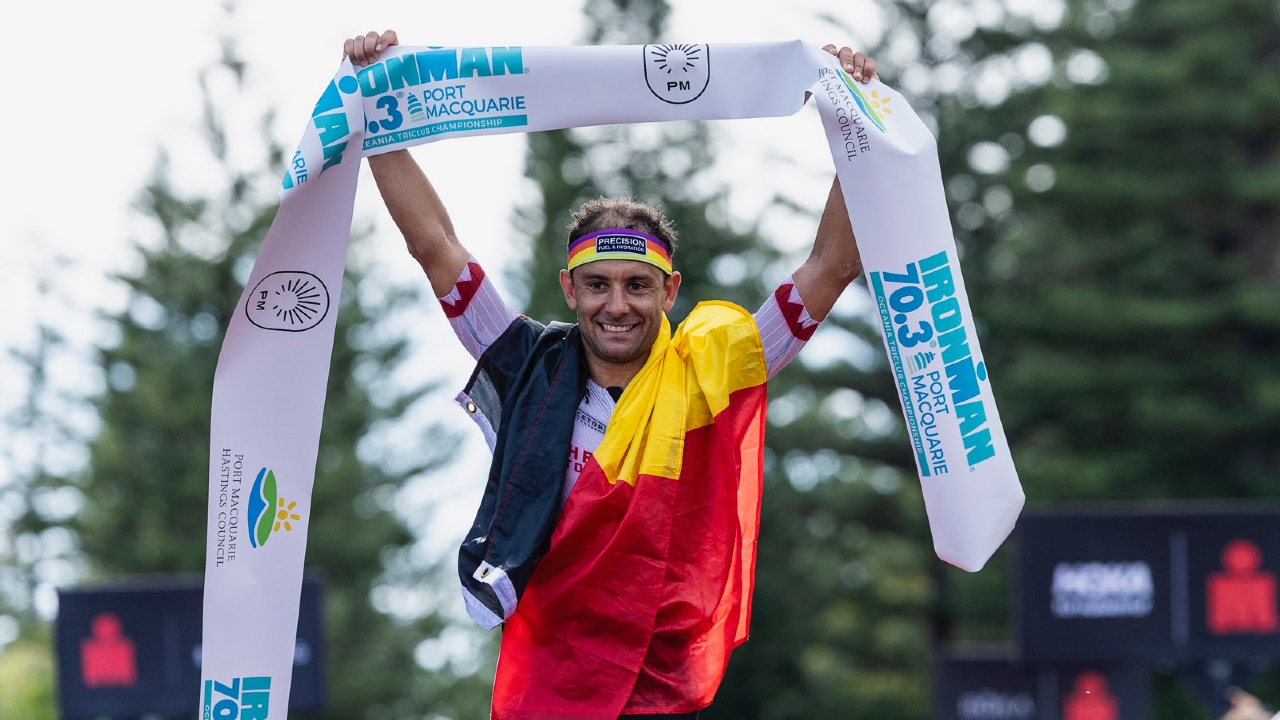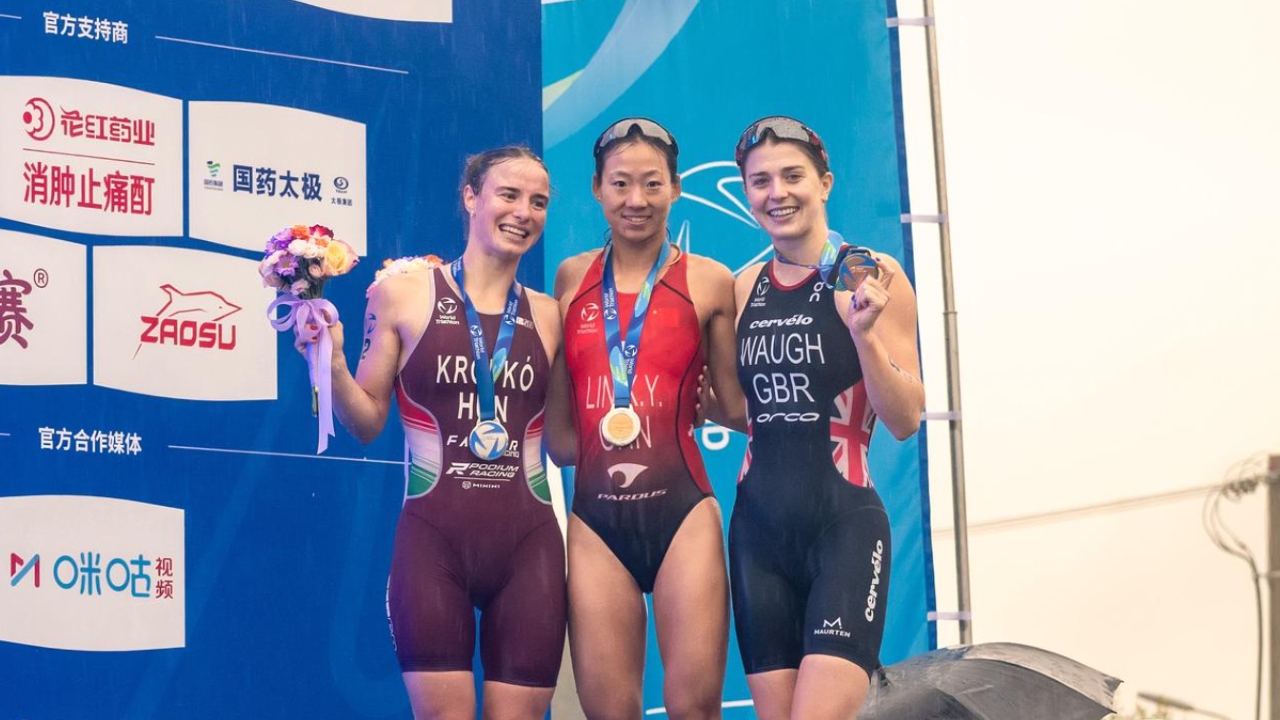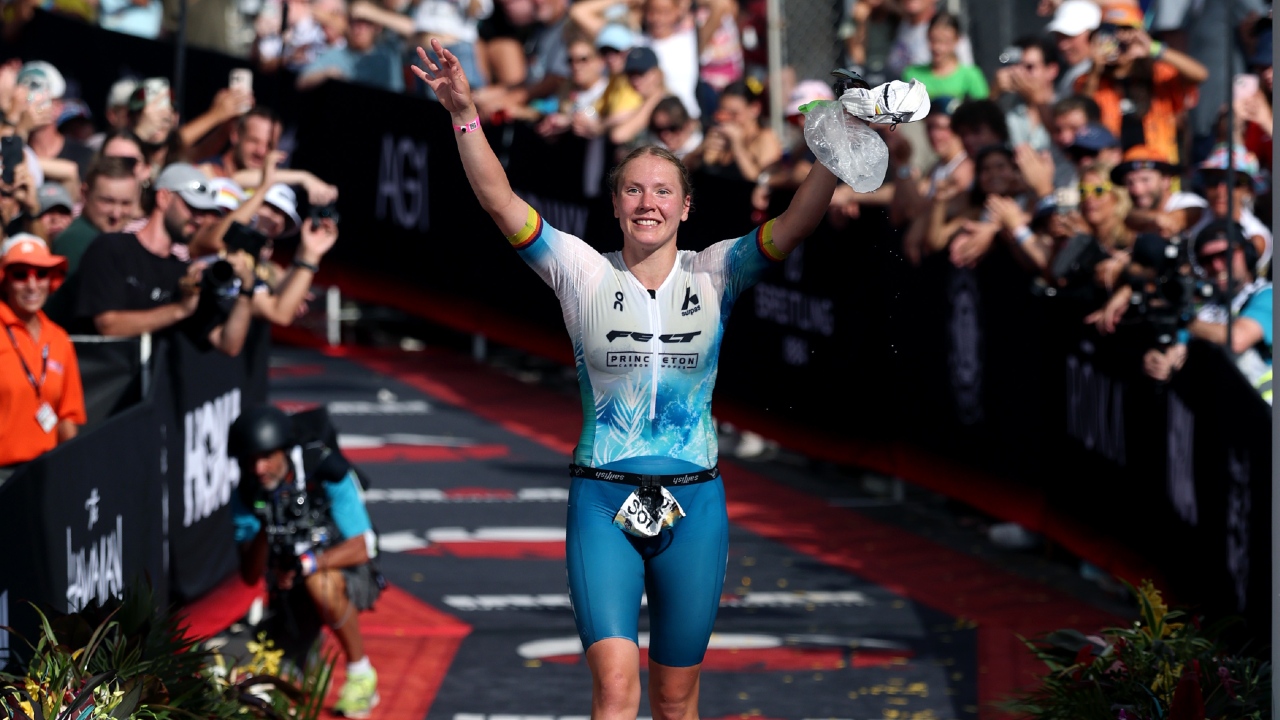


Many first-time triathletes wonder whether they’re truly ready to race. It’s a common concern, especially when you see experienced athletes completing long training sessions or sharing impressive race results. The truth is that being ready for a triathlon doesn’t mean you’re the fastest swimmer, strongest cyclist or quickest runner. It means you’ve prepared well enough to complete the event safely, confidently and enjoyably. Whether you’re training for a sprint triathlon or a longer-distance race, there are several signs that indicate you’re ready to stand on the start line with confidence.

In Short
- You can comfortably complete each discipline.
- Your training has been consistent.
- You’ve practised transitions.
- Your nutrition plan has been tested.
- Your equipment is ready.
You Can Complete All Three Disciplines
You don’t need to be an expert in swimming, cycling or running.
However, you should be able to:
- Swim the required distance.
- Ride the bike course comfortably.
- Run after cycling.
- Finish each discipline safely.
Completing the distances in training, even at an easy pace, is one of the strongest indicators that you’re ready. If you’re still unsure about race distances, triathlon distances explained: sprint, olympic, 70.3 and ironman provides a useful overview of what each event involves.
You’ve Trained Consistently
One outstanding workout doesn’t prepare you for race day. Instead, readiness comes from weeks of regular training.
Consistency allows you to improve:
- Endurance.
- Strength.
- Technique.
- Recovery.
- Confidence.
Following how to train for your first triathlon step-by-step plan helps ensure your preparation progresses steadily.
You Can Swim Comfortably in Open Water
If your event includes an open-water swim, practising outside the pool is extremely valuable.
Open water introduces:
- Waves.
- Limited visibility.
- Other competitors.
- Different water temperatures.
Building experience through how to transition from pool swimming to open water for triathlon makes race morning far less intimidating.
You’ve Practised Brick Workouts
Running immediately after cycling feels unfamiliar if you’ve never experienced it.
Including brick sessions helps your body adapt to:
- Heavy legs.
- Changing movement patterns.
- Transition pacing.
- Race-specific fatigue.
Understanding what is a brick workout in triathlon prepares you for one of the biggest surprises beginners encounter.
Your Nutrition Plan Has Been Tested
Race day isn’t the time to experiment with new foods or drinks.
Before racing, you should know:
- What you’ll eat beforehand.
- When you’ll drink.
- How you’ll fuel during the event.
- Which products suit your stomach.
Practicing with how to fuel for a triathlon complete guide helps remove unnecessary uncertainty on race day.
You Understand Race-Day Pacing
Starting too fast is one of the most common beginner mistakes. Rather than racing at maximum effort from the gun, aim for a pace you can maintain throughout the event. Learning how to pace a triathlon properly improves your chances of finishing strongly instead of fading during the run.
Your Equipment Is Ready
You don’t need the most expensive equipment, but everything should function properly.
Before race day, check:
- Bike.
- Helmet.
- Running shoes.
- Race clothing.
- Nutrition.
- Repair kit.
Using triathlon race day checklist helps ensure nothing important is forgotten.
You’re Comfortable with Transitions
Transitions are often overlooked during training.
Practise:
- Setting up transition.
- Removing your helmet correctly.
- Mounting your bike safely.
- Changing shoes efficiently.
Knowing what is a triathlon transition area makes race day feel much more familiar.
You Feel More Excited Than Afraid
It’s perfectly normal to feel nervous before your first triathlon. However, if you’ve prepared well, those nerves are often balanced by excitement.
Confidence grows when you know you’ve:
- Followed your training plan.
- Completed key workouts.
- Practised your nutrition.
- Organised your equipment.
A little nervous energy is completely normal and often helps you stay focused.
You Can Adapt if Things Don’t Go Perfectly
No triathlon unfolds exactly as planned.
You may encounter:
- Choppy water.
- Wind.
- Rain.
- Minor mechanical issues.
- Missed nutrition.
- Slower transitions.
Being ready means staying calm and adapting rather than panicking when small problems arise. Developing how can mental strategies improve triathlon performance helps you stay composed when races become unpredictable.
You’ve Completed at Least One Race Simulation
One of the best confidence builders is practising race conditions before race day.
Your simulation doesn’t need to be the full race distance, but it should include:
- Swimming.
- Cycling.
- Running.
- Nutrition.
- Transitions.
This helps identify any final adjustments while making race day feel familiar.
Recovery Feels Manageable
A good sign you’re ready is recovering well from your training.
If you’re consistently:
- Sleeping well.
- Recovering between sessions.
- Completing workouts comfortably.
- Feeling motivated.
you’re probably managing your training load appropriately. On the other hand, constant fatigue, soreness or declining motivation may suggest additional recovery is needed before racing.
Don’t Chase Perfection
Many beginners believe they need to complete every training session perfectly before entering a race.
In reality:
- Missing one workout won’t ruin your preparation.
- You don’t need perfect fitness.
- You don’t need expensive equipment.
- You don’t need years of experience.
Consistency over several weeks matters far more than perfection.
Trust Your Preparation
By race week, your hard work has already been completed.
Instead of worrying about becoming fitter, focus on:
- Sleeping well.
- Eating normally.
- Staying hydrated.
- Organising equipment.
- Visualising your race.
Confidence comes from trusting the training you’ve already completed.
Common Mistakes
- Comparing yourself with experienced triathletes.
- Trying to complete extra training during race week.
- Ignoring transition practice.
- Testing new nutrition on race day.
- Starting the race too quickly.
- Forgetting to prepare equipment.
- Expecting everything to feel easy.
- Doubting your preparation unnecessarily.
Practical Tips
- Complete all three disciplines comfortably before racing.
- Practise at least one brick workout.
- Test your race nutrition in training.
- Organise your equipment several days before the event.
- Learn basic transition routines.
- Pace yourself conservatively.
- Accept pre-race nerves as normal.
- Trust your preparation.
Actionable Takeaways
Being ready for a triathlon isn’t about achieving perfect fitness, it’s about preparing consistently and arriving at the start line with confidence in your training. If you can comfortably complete the three disciplines, practice your transitions, test your nutrition and understand your pacing strategy, you’re likely more prepared than you realize.
Remember that every experienced triathlete once stood on the start line of their first race. Focus on finishing safely, enjoying the experience and learning lessons that will make your next event even better.