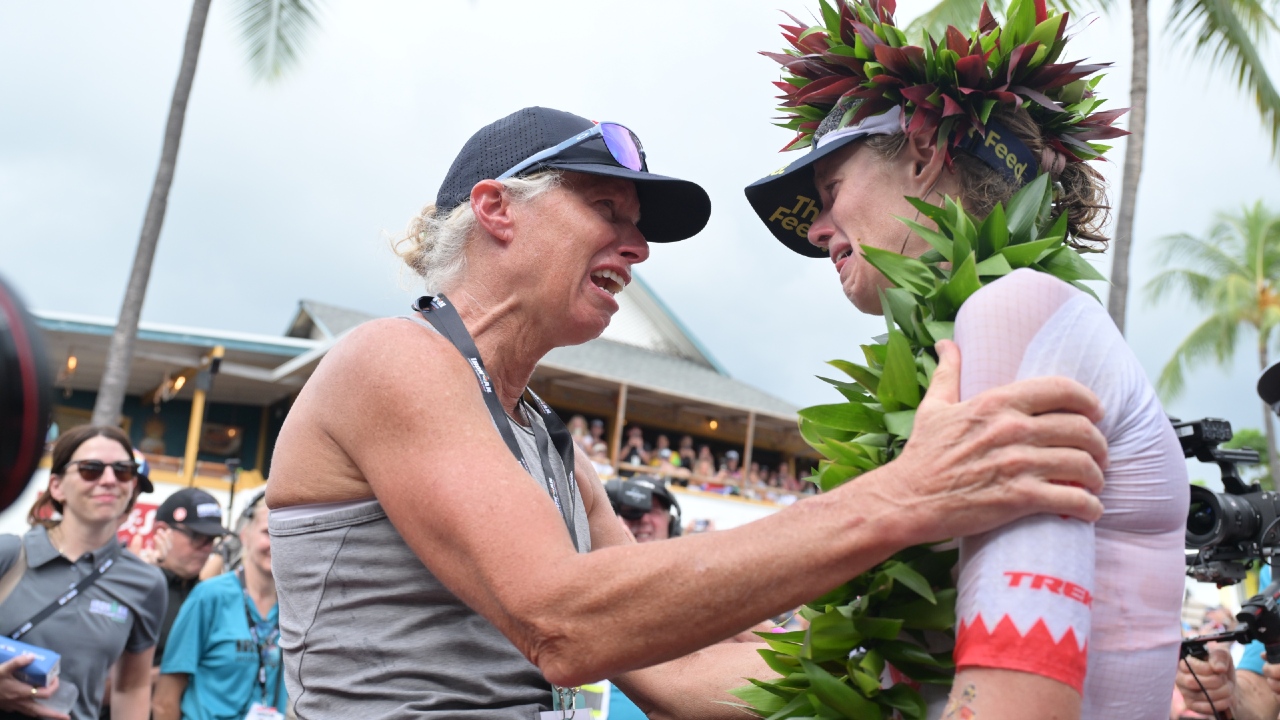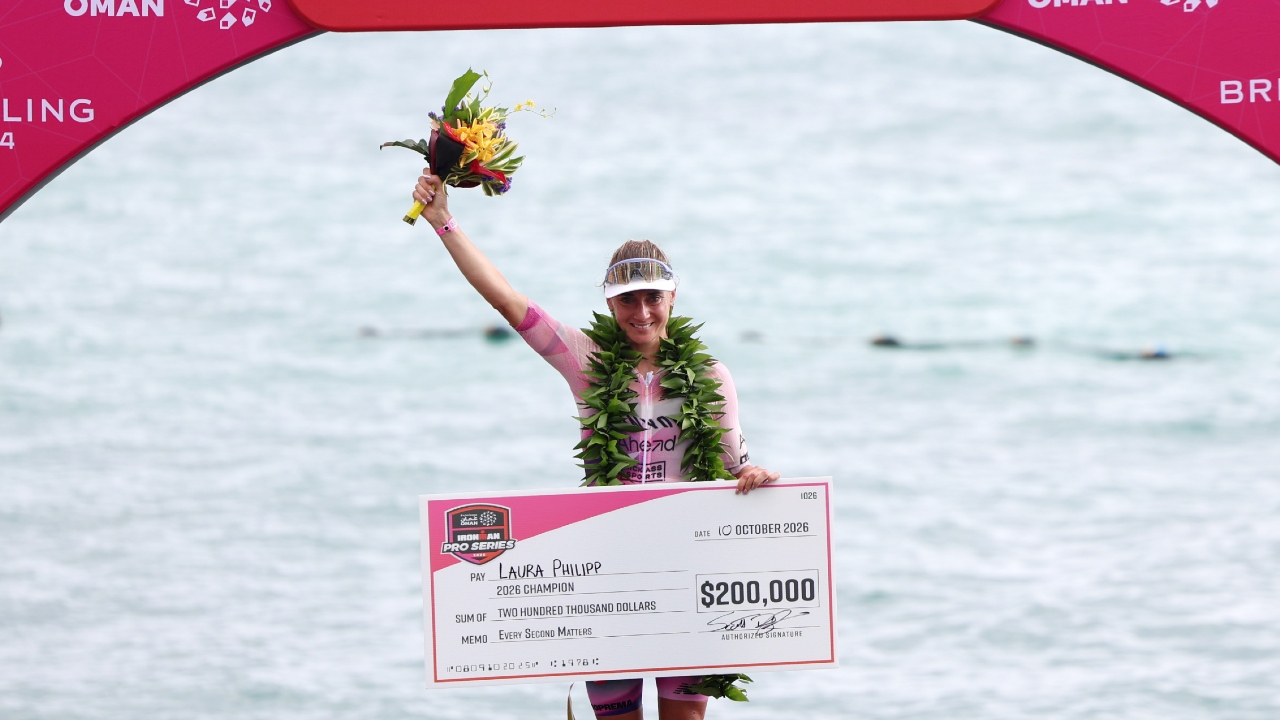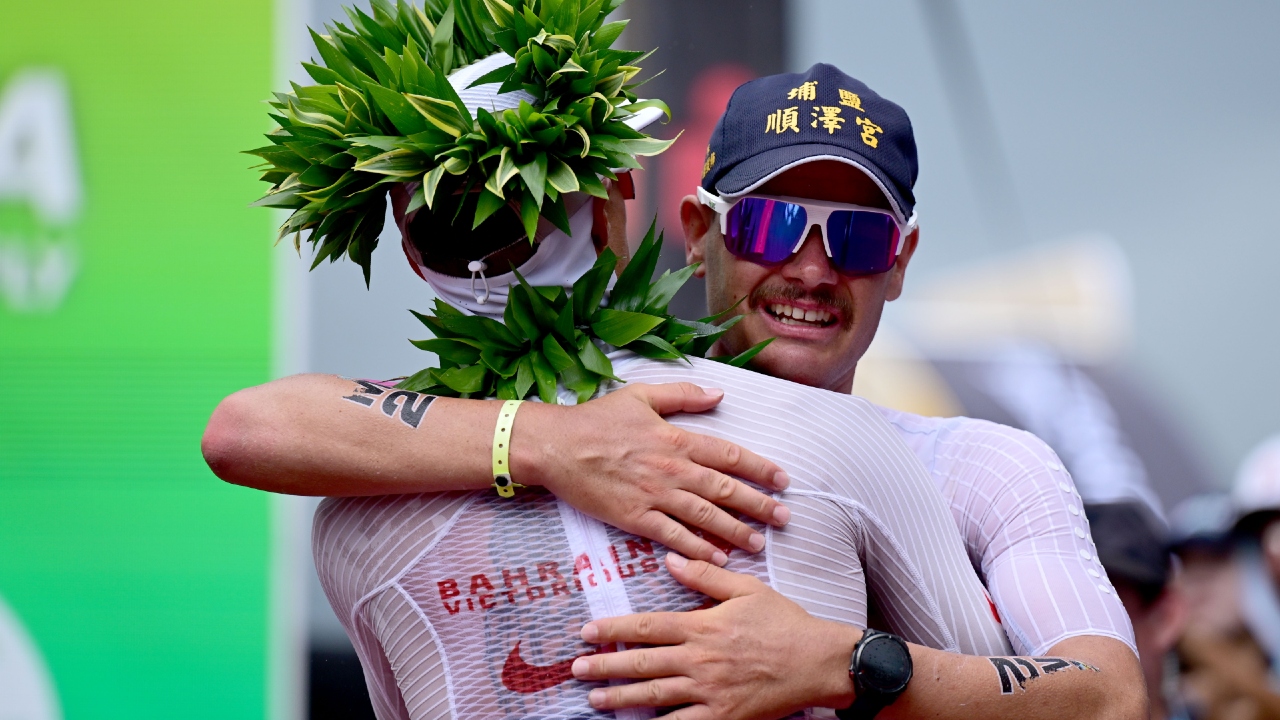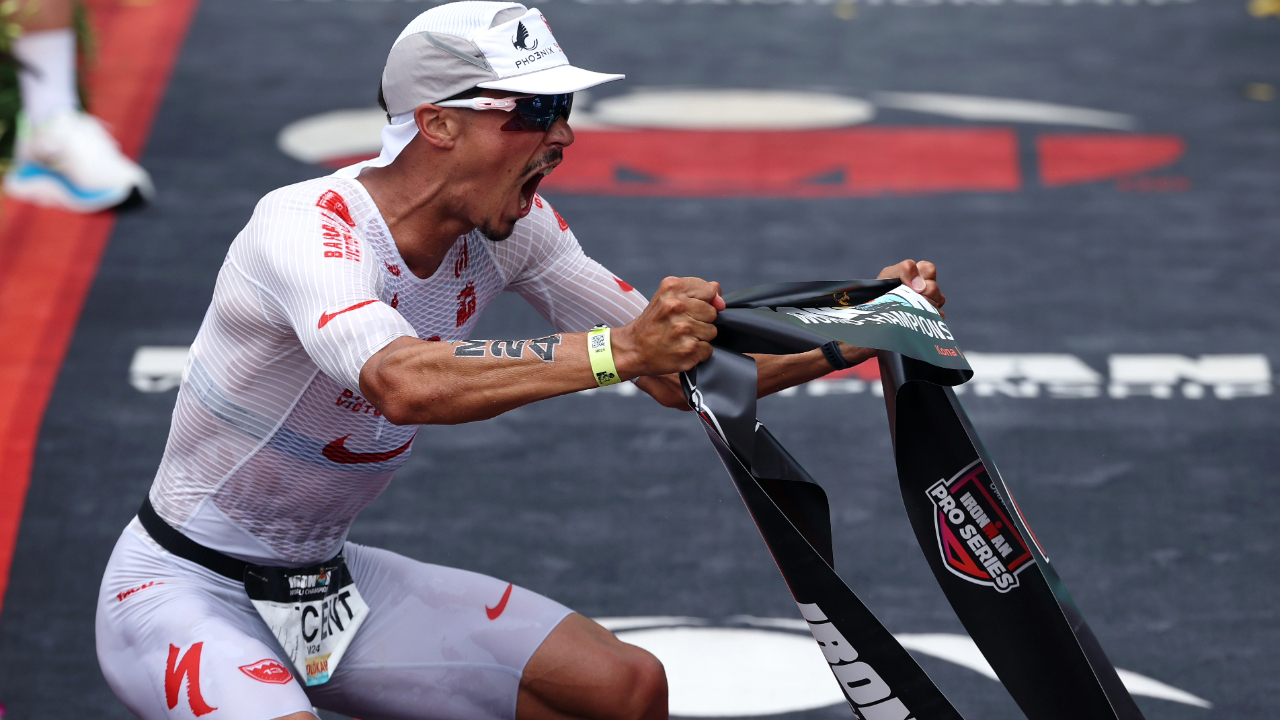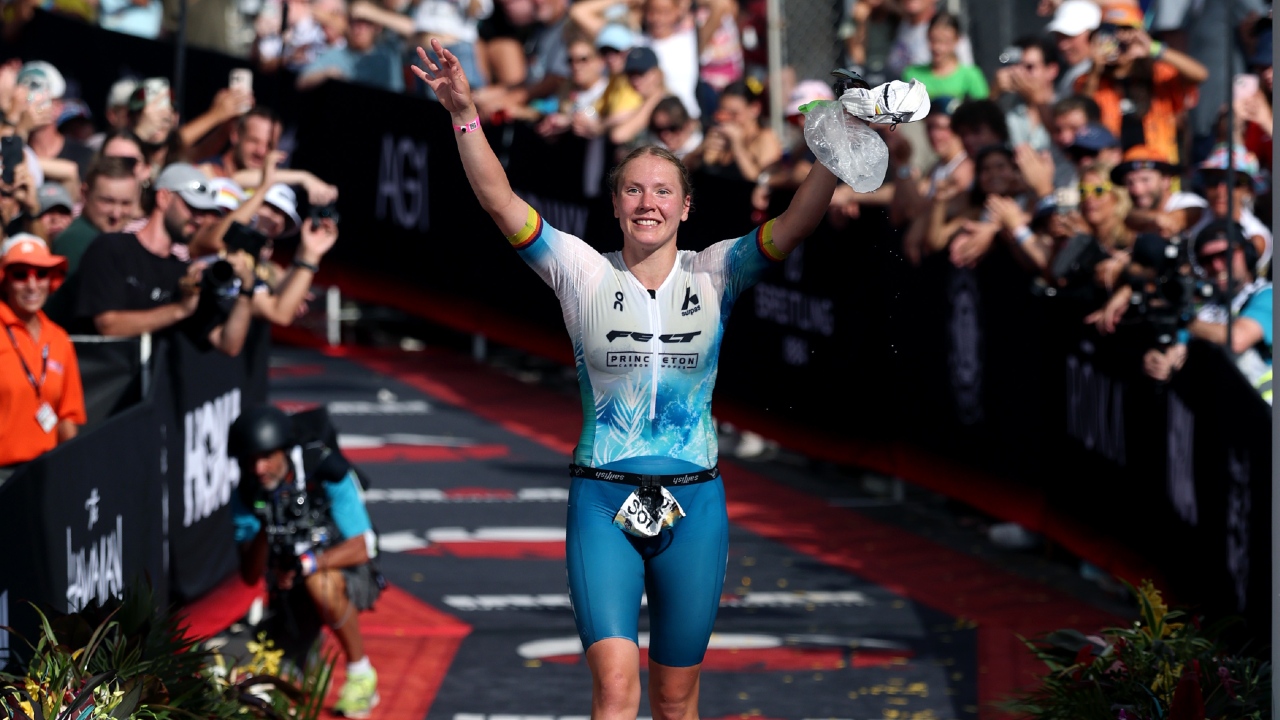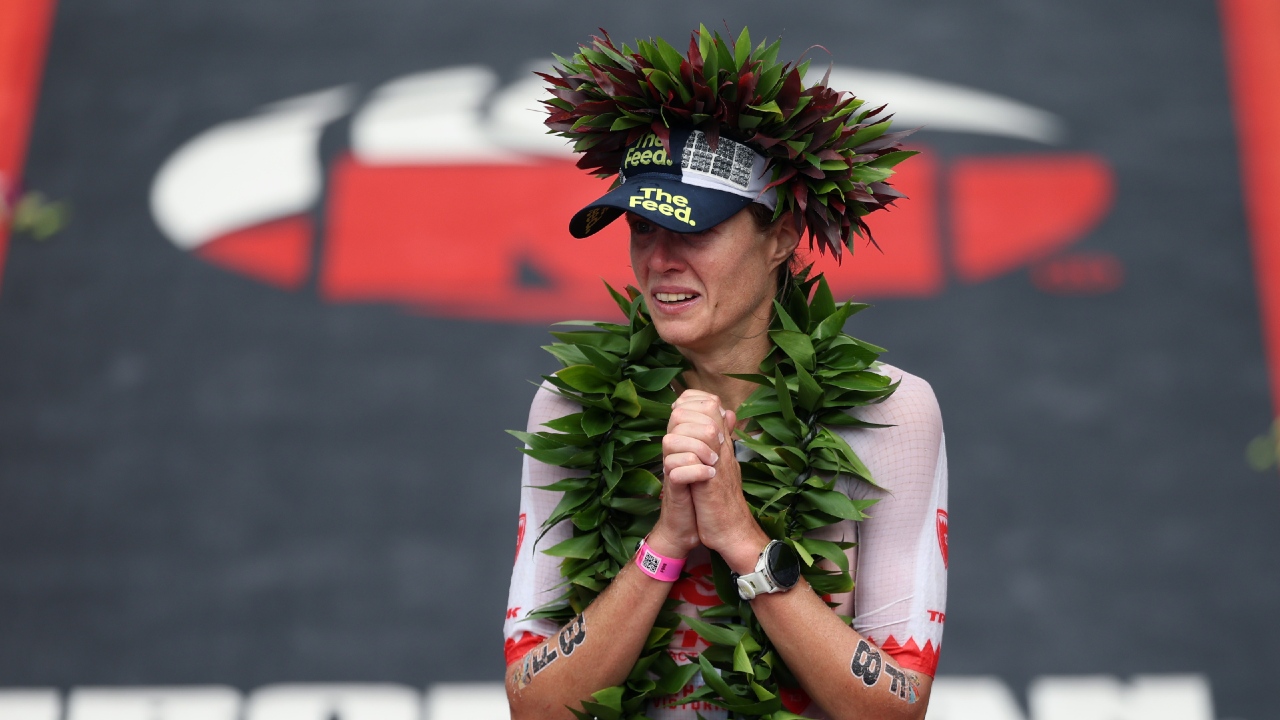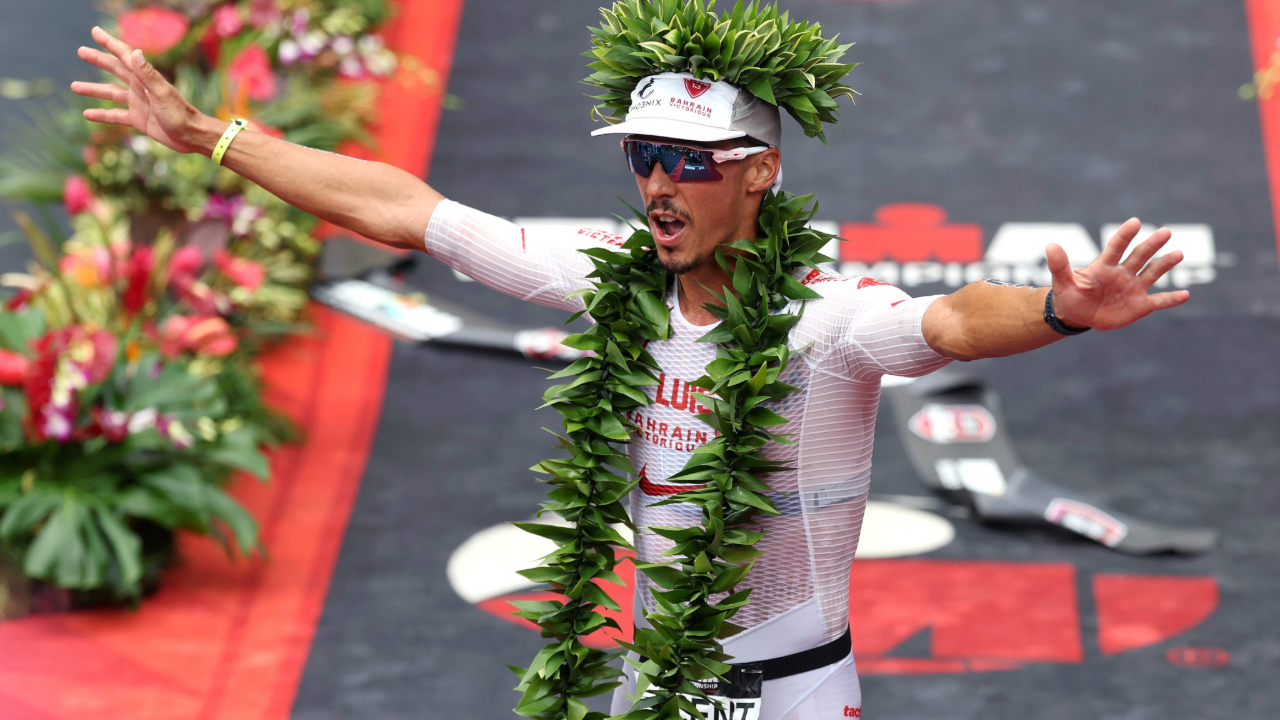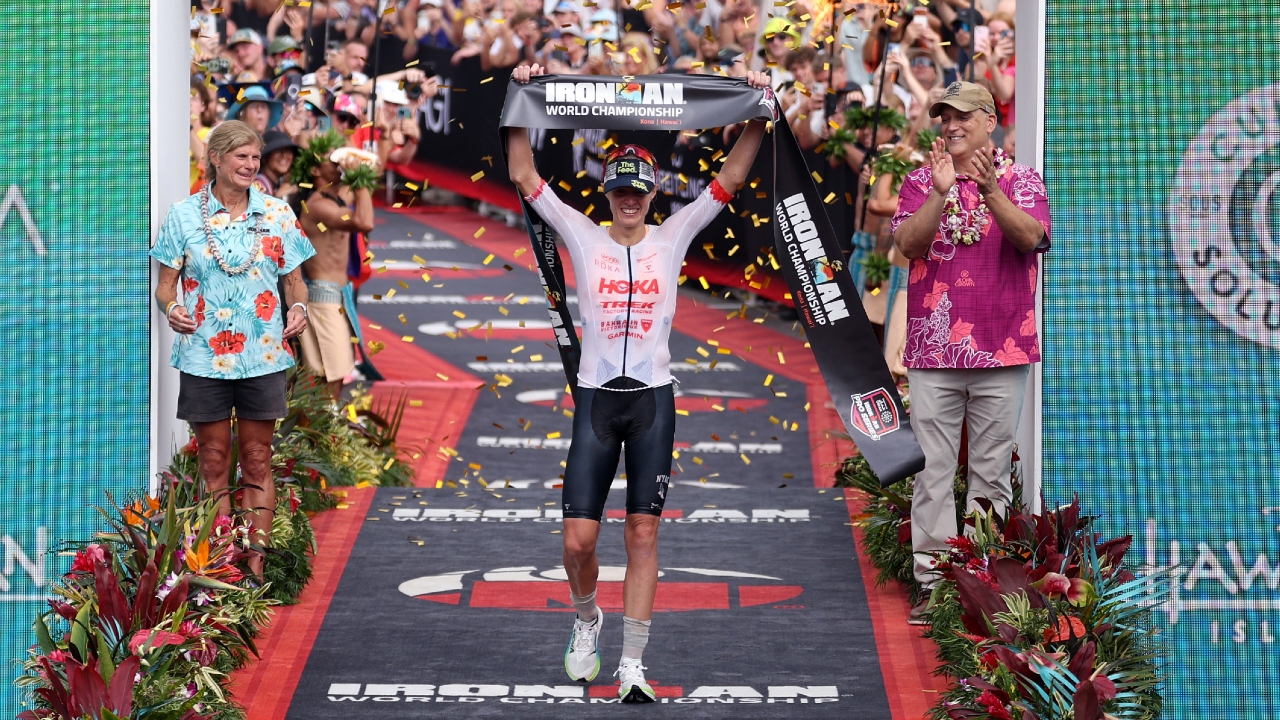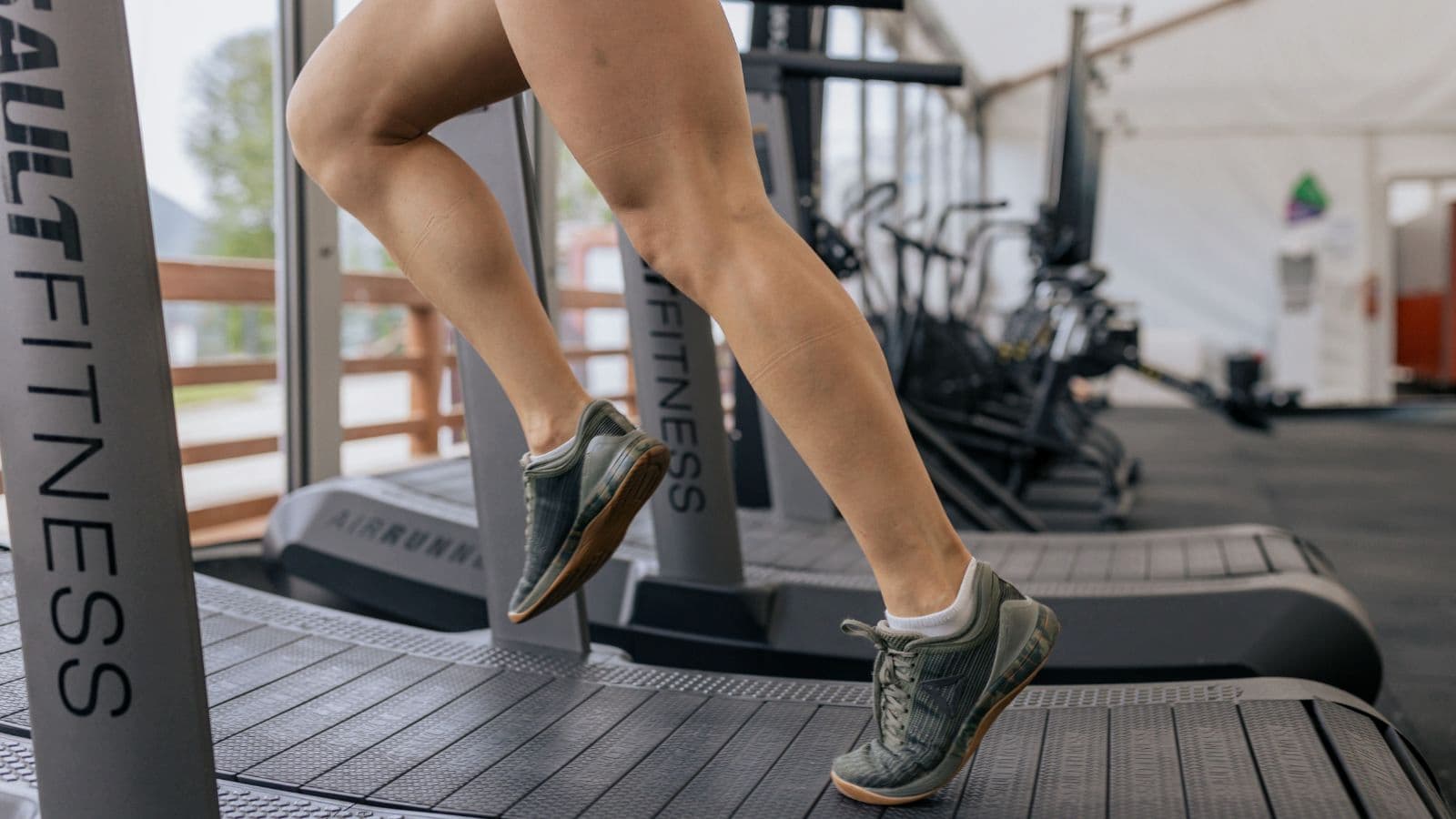


Recovery is no longer viewed as simply taking a day off after a hard workout. Modern triathlon training recognizes recovery as an active process that allows the body to adapt, become stronger, and prepare for future sessions. Elite and age-group triathletes alike are increasingly investing time in recovery strategies because they understand that fitness is built between workouts, not during them. Swimming, cycling, and running all place unique stresses on the body, making recovery just as important as training itself. Modern recovery is about combining evidence-based habits with consistency rather than relying on expensive gadgets or quick fixes.
Recovery Starts Before the Workout Ends
Recovery doesn’t begin when you get home.
It starts during training through:
- Smart pacing
- Proper hydration
- Adequate fueling
- Managing effort
Athletes who understand how do carbs affect fat burning during endurance training know that maintaining energy availability during training can significantly influence post-workout recovery.
Nutrition Is a Foundation
Modern recovery begins with good nutrition.
Following hard sessions, triathletes should focus on:
- Carbohydrates
- Protein
- Fluids
- Electrolytes
Athletes who understand why are carbs important for recovery after a triathlon know that replenishing glycogen stores is essential for preparing the body for the next training session. Recovery nutrition should become a habit rather than an afterthought.
Sleep Is the Ultimate Recovery Tool
No recovery product replaces quality sleep.
Sleep supports:
- Muscle repair
- Hormonal regulation
- Learning
- Immune function
Many elite triathletes prioritize consistent sleep schedules as carefully as they plan their workouts.
Recovery Is Individual
No two athletes recover in exactly the same way.
Recovery needs vary according to:
- Age
- Training load
- Race distance
- Lifestyle
- Stress levels
Athletes who understand how should older triathletes stay motivated and train with intensity know that recovery often requires greater attention as training experience and age increase.
Easy Days Have a Purpose
Recovery doesn’t always mean complete rest.
Easy sessions can:
- Promote circulation
- Reduce stiffness
- Maintain movement
- Encourage adaptation
The key is keeping easy days genuinely easy.
Monitoring Fatigue Matters
Modern recovery involves paying attention to both objective and subjective indicators.
Useful signs include:
- Energy levels
- Mood
- Sleep quality
- Muscle soreness
- Training performance
Athletes who understand are triathletes relying too much on training data know that numbers should support decision-making, not replace personal awareness.
Strength Training Supports Recovery
Strength work isn’t just about becoming stronger.
Well-designed strength training may:
- Improve durability
- Reduce injury risk
- Support movement quality
Balanced athletes often recover more consistently over long training blocks.
Mobility Keeps You Moving Well
Modern recovery often includes regular mobility work.
This may involve:
- Dynamic stretching
- Foam rolling
- Mobility drills
- Gentle movement
Maintaining mobility can help athletes feel more comfortable across all three disciplines.
Hydration Doesn’t End After Training
Sweat losses continue to influence recovery long after a workout ends.
Replacing fluids helps support:
- Recovery
- Temperature regulation
- Normal physiological function
Athletes should continue drinking regularly throughout the day rather than only immediately after exercise.
Recovery Supports Consistency
The purpose of recovery isn’t simply feeling better. It’s allowing athletes to train consistently over weeks and months. Athletes who understand how many run workouts do triathletes need each week know that sustainable progress comes from balancing workload with adequate recovery.
Mental Recovery Is Often Overlooked
Triathlon places demands on the mind as well as the body.
Mental recovery may involve:
- Time away from structured training
- Social activities
- Relaxation
- Hobbies outside sport
This helps prevent burnout during long training seasons.
Recovery Between Disciplines
Triathletes often complete:
- Swim sessions
- Bike workouts
- Runs
- Strength sessions
Managing recovery between these disciplines is essential for maintaining quality throughout the week. Athletes who understand how do elite triathletes run fast after cycling know that arriving fresh enough to perform quality sessions often matters more than accumulating excessive training volume.
Cold Water and Compression Are Optional
Many athletes use:
- Ice baths
- Compression garments
- Recovery boots
These methods may help some individuals feel better, but they should complement—not replace—the fundamentals of:
- Sleep
- Nutrition
- Hydration
- Appropriate training loads
Recovery Is Built Into the Training Plan
Recovery weeks are now a standard part of many modern triathlon plans.
Reducing workload periodically allows:
- Fatigue to decrease
- Adaptation to occur
- Motivation to return
Without planned recovery, long-term progress often stalls.
Stress Outside Training Counts Too
Recovery is affected by more than exercise.
Factors such as:
- Work
- Family responsibilities
- Travel
- Poor sleep
all influence the body’s ability to adapt. Athletes who understand how to adapt to a triathlon training plan while traveling know that successful recovery requires considering the whole lifestyle, not just training sessions.
Don’t Chase Every Recovery Trend
Recovery technology continues to evolve. However, expensive devices rarely outperform consistent habits.
Before investing in new recovery tools, athletes should first ensure they consistently:
- Sleep well
- Eat appropriately
- Hydrate adequately
- Manage training load
These fundamentals remain the most effective recovery strategies.
Recovery Helps Prevent Injury
Poor recovery can increase the likelihood of:
- Overuse injuries
- Persistent fatigue
- Reduced training quality
Athletes who understand if their treadmill is accurate during triathlon training know that recovery plays a major role in maintaining both performance and durability throughout the season.
Recovery Is Continuous
Modern recovery isn’t something athletes think about once a week. It is part of every training day including rebuilding fitness to perform well. Small habits repeated consistently often produce greater long-term benefits than occasional intensive recovery sessions.
Common Recovery Mistakes
Many triathletes:
- Skip post-workout nutrition
- Underestimate sleep
- Train too hard on easy days
- Ignore mental fatigue
- Depend on recovery gadgets
- Neglect hydration
- Avoid recovery weeks
- Mistake rest for lost fitness
These habits can limit adaptation and increase injury risk.
What Modern Recovery Looks Like?
Effective recovery for triathletes includes:
- Prioritizing sleep
- Refueling with carbohydrates and protein
- Staying hydrated
- Managing overall stress
- Scheduling recovery weeks
- Monitoring fatigue
- Including mobility work
- Training consistently without excessive fatigue
Modern recovery is not about finding a miracle solution. It is about consistently applying simple, evidence-based habits that allow the body and mind to recover from training, adapt positively, and remain healthy throughout the season.