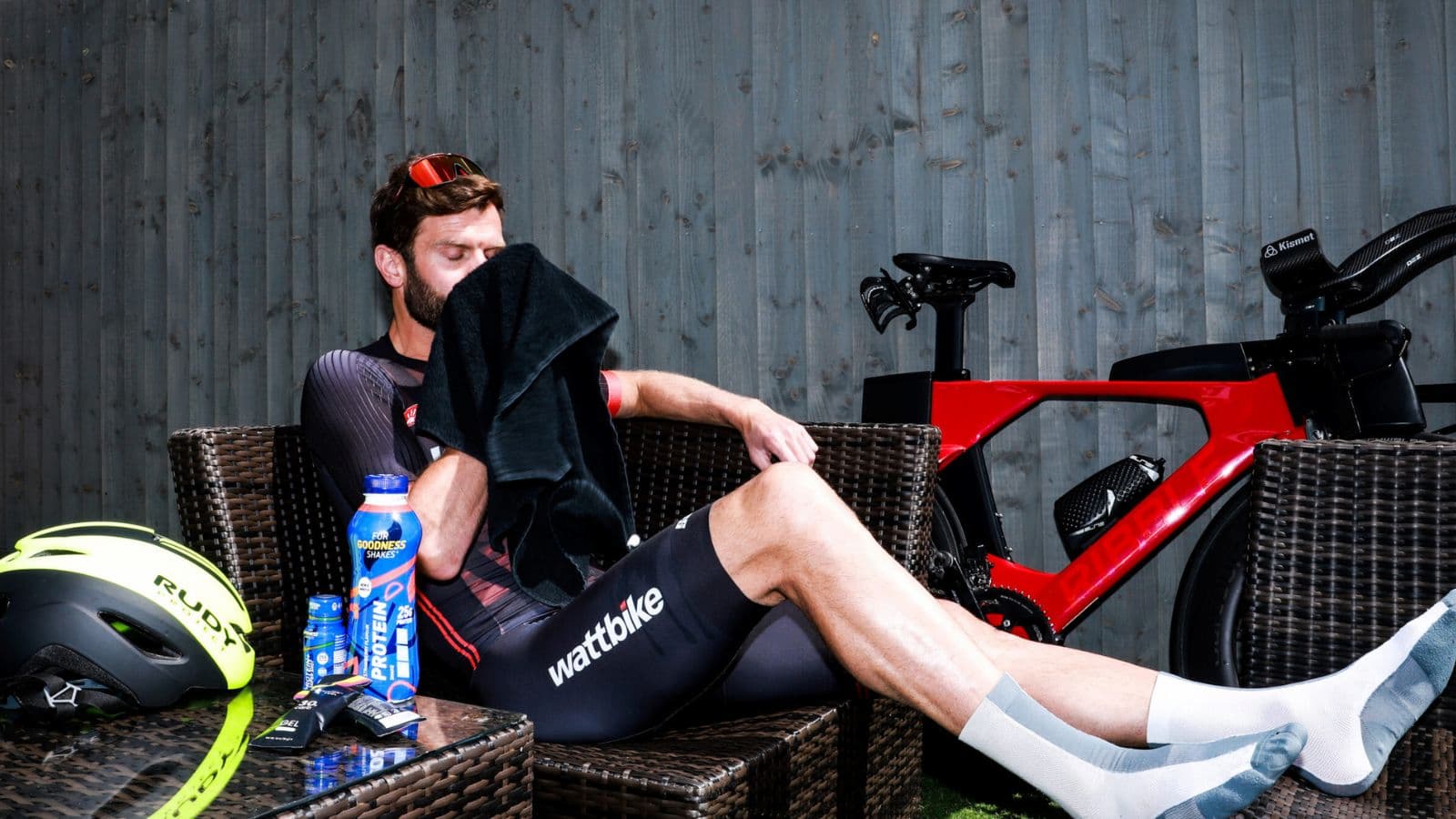


Crossing the finish line of an Ironman is a huge achievement, but recovery doesn’t begin when you collect your medal, it starts the moment the race ends. Completing a 3.8km swim, 180km bike ride, and marathon places enormous stress on your muscles, joints, energy stores, and nervous system. While it’s tempting to jump back into training quickly, proper recovery is essential for rebuilding fitness and reducing the risk of illness or injury.
Recovering well doesn’t mean doing nothing for weeks. Instead, it involves gradually helping your body repair, restore energy, and prepare for future training. Here’s how triathletes can recover more effectively after an Ironman.
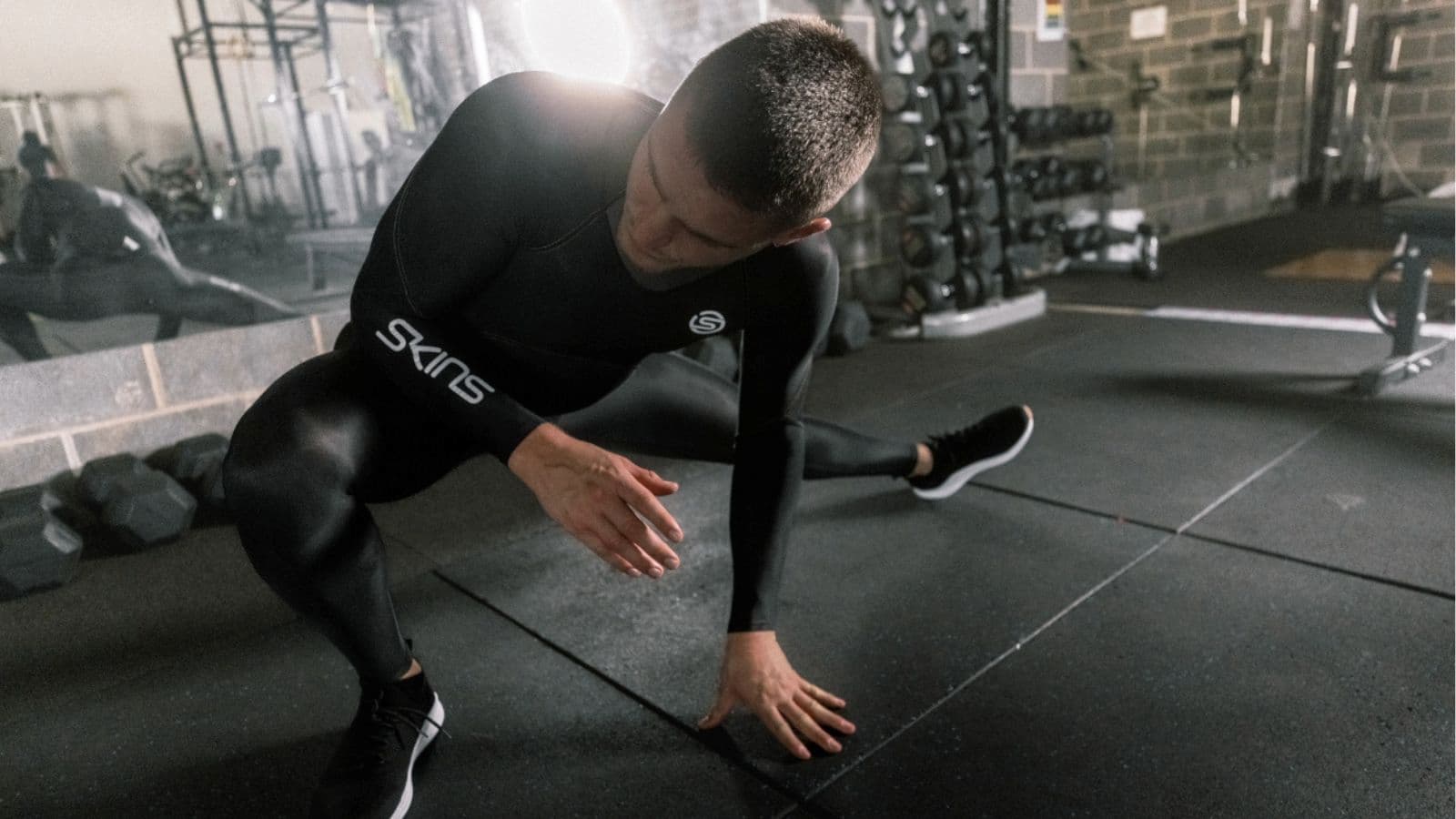
Start Recovery Immediately
The first hour after finishing is one of the most important.
Focus on:
- Rehydrating
- Eating carbohydrates
- Consuming protein
- Walking gently if comfortable
Athletes who understand what does modern recovery look like for triathletes know that recovery begins as soon as the race ends, not the following day.
Replace Lost Fluids
Even with a good race-day hydration plan, most Ironman athletes finish dehydrated. Continue drinking fluids gradually while replacing electrolytes lost through sweat. Avoid drinking excessive amounts in a short period, steady rehydration is generally more effective.
Refuel With Carbohydrates and Protein
Your glycogen stores are likely to be heavily depleted.
A recovery meal should include:
- Carbohydrates
- Protein
- Fluids
- Micronutrient-rich foods
Athletes who understand why are carbs important for recovery after a triathlon know that replenishing energy stores supports muscle repair and prepares the body for future training.
Prioritise Sleep
Sleep is one of the most powerful recovery tools available.
Following an Ironman, aim for:
- Consistent bedtimes
- Extra sleep where possible
- Short naps if needed
Quality sleep supports muscle repair, immune function, and hormonal recovery.
Keep Moving Gently
Complete rest isn’t always necessary.
Light activities such as:
- Walking
- Gentle mobility
- Easy swimming
can promote circulation without placing additional stress on the body.
The goal is movement, not training.
Avoid Returning Too Soon
Many triathletes feel surprisingly good a few days after the race. However, muscles, tendons, and connective tissues often require much longer to recover. Athletes who understand how can triathletes manage tendonitis without derailing training know that returning too quickly can increase the likelihood of overuse injuries.
Listen to Your Body
Recovery isn’t identical for every athlete.
Pay attention to:
- Fatigue
- Muscle soreness
- Motivation
- Sleep quality
These signals help determine when you’re ready to increase activity again.
Gentle Swimming Can Help
Easy swimming provides low-impact movement while encouraging circulation.
Keep sessions:
- Relaxed
- Short
- Technique-focused
This is not the time for hard interval training.
Eat Well for Several Days
Recovery nutrition extends beyond race day.
Continue eating:
- Quality carbohydrates
- Lean protein
- Fruit
- Vegetables
- Healthy fats
Supporting your body consistently helps optimise the recovery process.
Give Your Mind a Break
Ironman preparation requires months of commitment. After the race, allow yourself time away from structured goals if needed. Athletes who understand how can triathletes cope with a loss of identity after race season know that mental recovery is just as important as physical recovery.
Delay High-Intensity Sessions
Avoid:
- VO₂ max intervals
- Long brick workouts
- Hard hill sessions
- Heavy training blocks
Your body is still repairing microscopic muscle damage long after soreness disappears.
Monitor Your Energy Levels
Recovery isn’t measured only by muscle soreness.
Notice:
- Daily energy
- Appetite
- Mood
- Training enthusiasm
Persistent fatigue may indicate that more recovery is needed.
Reflect on the Race
Once you’ve recovered mentally, review your race objectively.
Consider:
- Nutrition
- Pacing
- Equipment
- Preparation
Athletes who understand how to train like an olympic triathlete know that learning from each race is part of becoming a better endurance athlete.
Resume Training Gradually
When you return to training:
- Begin with easy sessions
- Rebuild volume progressively
- Delay intense efforts
Allow your body time to readapt before chasing new goals.
Continue Hydrating
Fluid needs remain elevated during the recovery period. Drink consistently throughout the following days while paying attention to thirst and urine colour. Athletes who understand hydration strategy know that good hydration supports both performance and recovery.
Accept That Recovery Takes Time
An Ironman places exceptional demands on the body.
Recovery may take:
- Several days for general soreness
- Several weeks for complete physiological recovery
Patience often leads to stronger long-term performance than rushing back into training.
Plan Your Next Goal Carefully
Many athletes immediately register for another race.
Instead, give yourself time to:
- Recover fully
- Regain motivation
- Set realistic goals
A well-planned next season usually begins with a well-managed recovery.
Common Post-Ironman Recovery Mistakes
Many triathletes:
- Return to hard training too soon
- Neglect nutrition
- Underestimate sleep
- Ignore persistent fatigue
- Skip active recovery
- Forget mental recovery
- Become dehydrated after the race
- Assume soreness is the only sign of recovery
Avoiding these mistakes helps protect long-term health and performance.
Recovering Faster After an Ironman
To optimise recovery:
- Rehydrate gradually after finishing.
- Eat carbohydrate- and protein-rich meals.
- Prioritise sleep every night.
- Include gentle movement.
- Delay high-intensity training.
- Monitor physical and mental fatigue.
- Resume training progressively.
- Be patient with the recovery process.
Recovering from an Ironman isn’t about finding one miracle recovery technique. It’s about consistently supporting your body with good nutrition, hydration, sleep, and sensible movement while giving yourself the time needed to adapt. Athletes who recover well are often better prepared for the next training cycle and more likely to enjoy long-term success in triathlon.