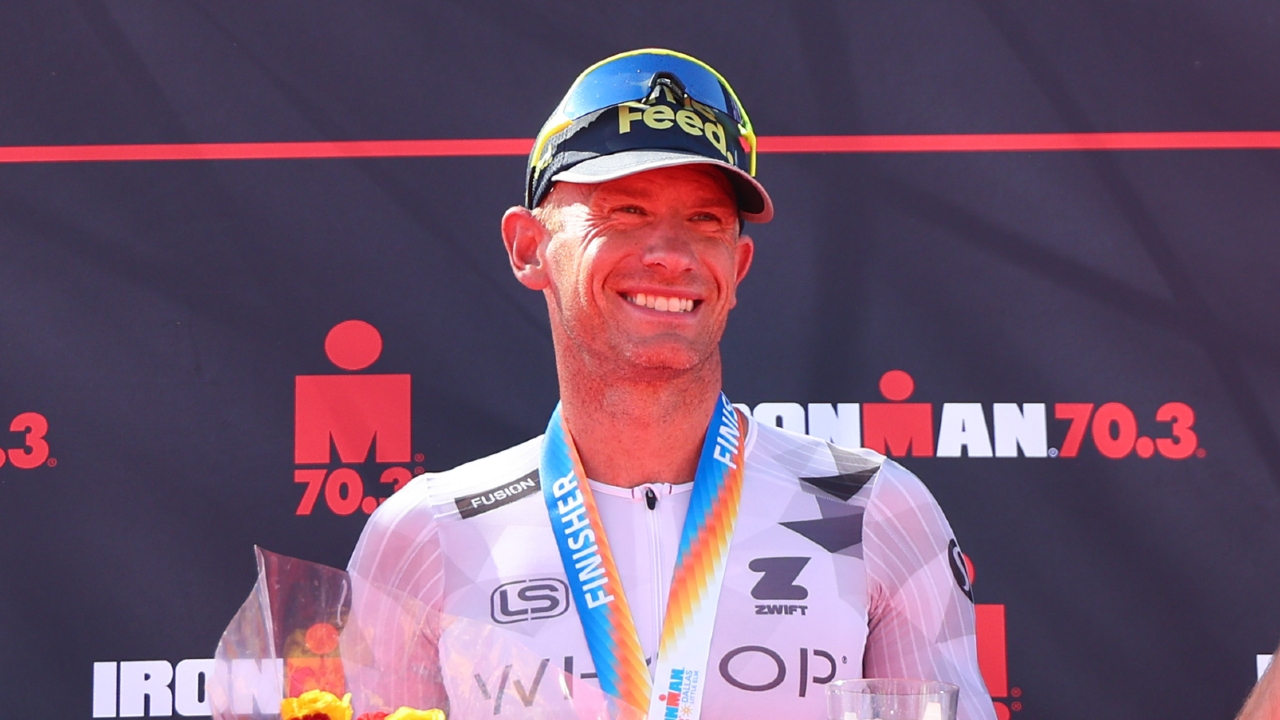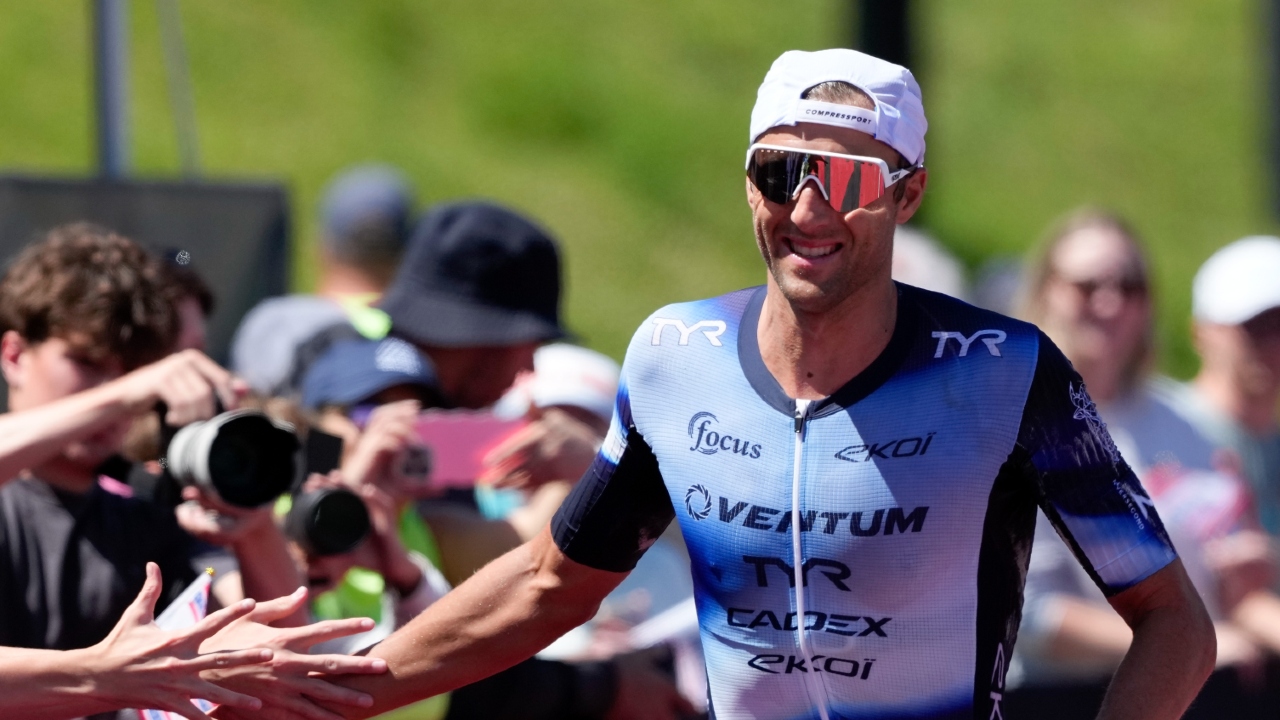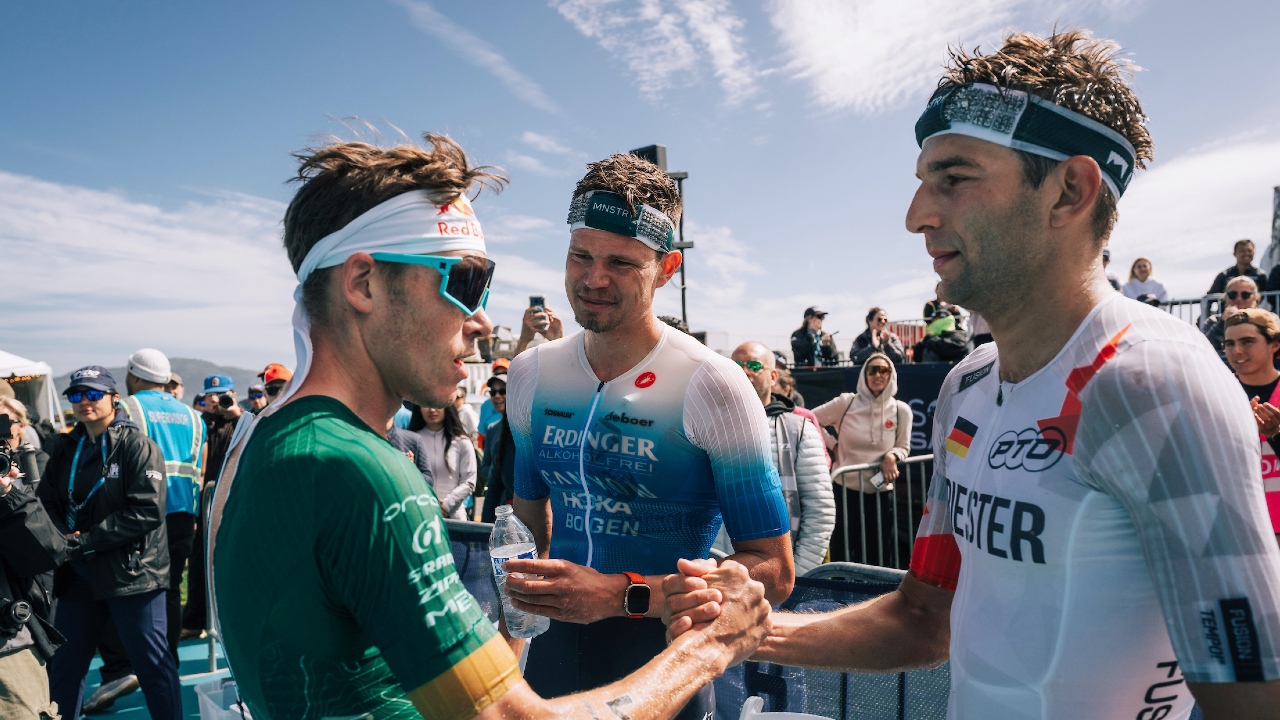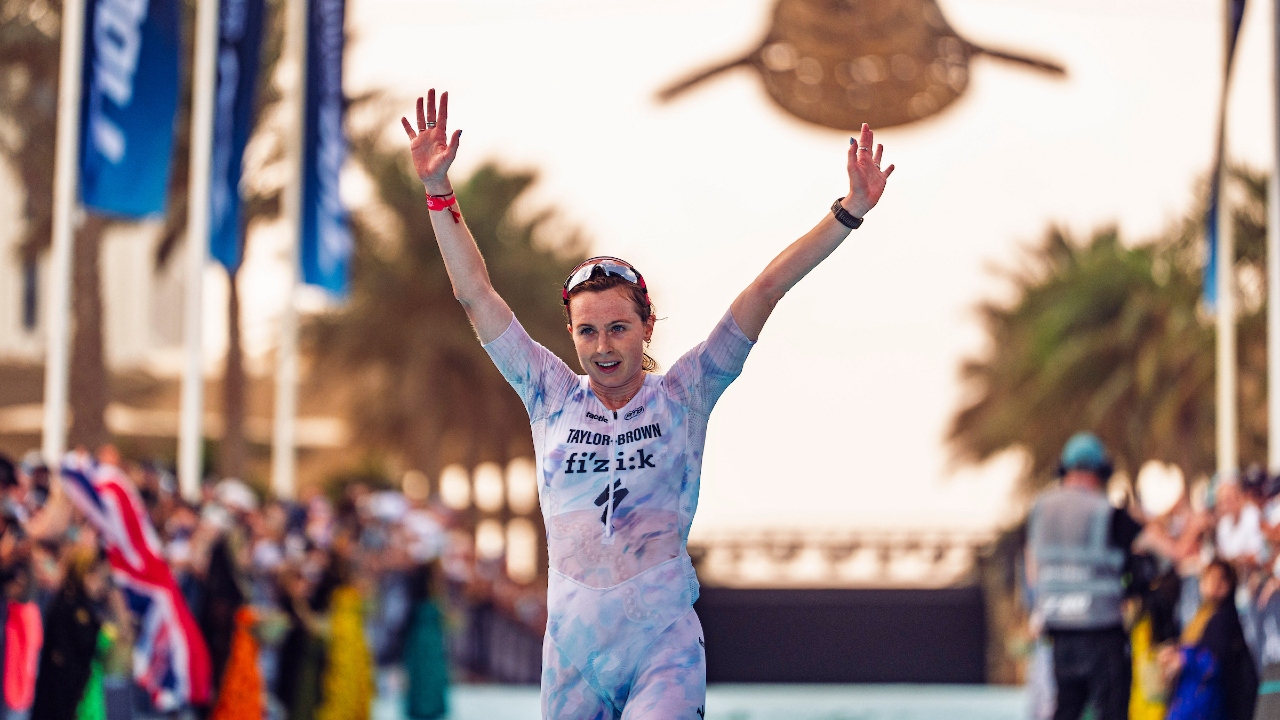


Ironman triathletes should prioritize longer, controlled endurance training while including a smaller amount of harder exercise. Completing a 2.4 mile swim, 112 mile bike ride, and 26.2 mile run requires sustained aerobic fitness, efficient pacing, and the ability to manage fatigue for many hours. Training longer develops the endurance needed to complete the distance. Harder workouts improve aerobic capacity, muscular endurance, and the ability to maintain race pace without excessive effort. However, increasing both training volume and intensity simultaneously can lead to excessive fatigue, poor recovery, and inconsistent performance. More training is not automatically better training. The right balance depends on experience, available training time, recovery capacity, and race goals. Beginners generally benefit from building consistent endurance before adding substantial intensity.
In Short
- Longer training is the foundation of Ironman preparation.
- Hard workouts improve fitness but require more recovery.
- Most training should remain at an easy aerobic intensity.
- Long bike rides and runs develop race-specific endurance.
- Intensity should support endurance, not replace it.
- Recovery determines how much training you can absorb.
- Training consistency matters more than occasional extreme sessions.
Longer Training Builds Ironman Endurance
Ironman racing requires the ability to sustain moderate effort over an extended period. Long aerobic sessions develop the cardiovascular and muscular endurance needed to maintain performance.
Important benefits include:
- Improved aerobic endurance.
- Greater muscular fatigue resistance.
- Better pacing awareness.
- Opportunities to practice race nutrition.
- Increased confidence over longer distances.
Understanding how to train for an ironman triathlon (step-by-step guide) helps athletes organize endurance training around realistic race demands. Long sessions should progress gradually rather than increase dramatically each week.
Harder Training Improves Fitness
Higher intensity workouts provide a different training stimulus from long aerobic sessions. Intervals, tempo efforts, and controlled threshold training can improve the ability to sustain faster speeds.
Useful sessions include:
- Short cycling intervals.
- Controlled tempo runs.
- Swim intervals with consistent technique.
- Sustained efforts near race intensity.
Understanding what is lactate threshold in triathlon can help athletes select appropriate training intensities. Hard sessions should have a specific purpose rather than simply making workouts more exhausting.
Balance Training Volume and Intensity
Most Ironman training should be completed at an intensity that allows sustainable weekly volume. A common approach emphasizes easy aerobic training with a smaller proportion of moderate and hard sessions.
| Training type | Main purpose |
|---|---|
| Easy endurance | Build aerobic capacity |
| Long sessions | Develop race durability |
| Tempo training | Improve sustained effort |
| Intervals | Develop higher intensity fitness |
| Recovery sessions | Manage training fatigue |
Understanding what is zone 2 training in triathlon can help athletes recognize the role of comfortable aerobic work. The ideal intensity distribution varies, so fixed percentages should not replace individual training needs.
Prioritize Long Bike Sessions
Cycling represents the largest portion of most Ironman race days. Long rides prepare athletes to maintain a steady effort while fueling consistently.
Focus on:
- Gradually increasing ride duration.
- Maintaining sustainable power.
- Practicing carbohydrate intake.
- Staying comfortable in the riding position.
- Avoiding unnecessary surges.
Understanding how to pace and fuel the bike leg in a triathlon helps connect training decisions with race execution. A controlled bike leg also improves the chances of running effectively afterward.
Build Running Endurance Carefully
Long runs prepare the legs for prolonged impact and fatigue. However, running creates substantial mechanical stress, making excessive mileage particularly risky.
Useful strategies include:
- Increasing volume gradually.
- Keeping most runs comfortable.
- Avoiding frequent exhausting long runs.
- Scheduling recovery after demanding sessions.
- Practicing running after cycling.
Understanding how to increase triathlon running volume without getting injured can help athletes develop durability without unnecessary training stress. Ironman preparation does not require repeatedly completing marathon distance in training.
Use Intensity When Training Time Is Limited
Athletes with limited schedules may benefit from carefully selected harder workouts. However, intensity cannot fully replace the adaptations developed through prolonged endurance sessions.
A practical approach includes:
- Protecting one long bike session.
- Maintaining a consistent long run.
- Including regular swimming.
- Adding one or two purposeful harder workouts.
- Keeping recovery days genuinely easy.
Understanding how should you adjust triathlon training when time is limited can help athletes prioritize the most valuable sessions. Consistency across several months matters more than maximizing every individual workout.
Manage Fatigue and Recovery
Training improvements occur when the body adapts to appropriate stress and receives sufficient recovery.
Warning signs of excessive training include:
- Persistent fatigue.
- Declining workout performance.
- Poor sleep.
- Unusual irritability.
- Lingering muscle soreness.
- Reduced motivation.
Understanding how to prevent burnout while training for an ironman can help athletes identify when training demands exceed recovery capacity.
Reducing volume or intensity temporarily can protect long-term progress.
Make Training Specific to Race Day
As race day approaches, workouts should increasingly reflect Ironman demands. This includes steady pacing, race nutrition, and maintaining technique under fatigue.
Useful sessions include:
- Long rides at controlled effort.
- Short brick runs after cycling.
- Open water swimming practice.
- Race fueling rehearsals.
- Sustained efforts near planned race intensity.
Understanding how should you pace the bike to run better in a triathlon can help athletes avoid spending too much energy before the marathon. Race specific training should build confidence without requiring repeated full distance simulations.
Progress Training Through the Season
Training priorities should change as the race approaches.
| Training phase | Main priority |
|---|---|
| Early preparation | Consistency and aerobic endurance |
| Base training | Gradually increasing volume |
| Build phase | Longer sessions and controlled intensity |
| Race preparation | Specific pacing and fueling |
| Taper | Reduce fatigue while maintaining fitness |
Understanding what is tapering before a triathlon helps athletes arrive at the start line rested rather than exhausted.
The final weeks should focus on preserving fitness and reducing accumulated fatigue.
Common Mistakes
- Increasing volume and intensity together.
- Racing every long workout.
- Skipping recovery days.
- Adding unnecessary intervals.
- Neglecting nutrition practice.
- Running excessively long distances.
- Ignoring persistent fatigue.
Practical Tips
- Build consistent aerobic training first.
- Increase long sessions gradually.
- Keep harder workouts purposeful.
- Prioritize bike endurance.
- Protect recovery after demanding sessions.
- Practice race nutrition regularly.
- Adjust training when fatigue accumulates.
Actionable Takeaways
- Prioritize endurance over excessive intensity.
- Include controlled harder workouts.
- Build volume gradually.
- Protect recovery.
- Practice race-specific pacing.
- Focus on consistent training.