

VO2 max is one of the most well-known performance metrics in endurance sports. It represents the maximum amount of oxygen your body can use during intense exercise and is often considered an indicator of aerobic fitness. For runners and triathletes, a higher VO2 max generally means the body can deliver and use more oxygen to produce energy during sustained efforts. However, while VO2 max is important, it is only one part of the performance equation. Running economy, lactate threshold, pacing, and consistency all play equally significant roles. Understanding what VO2 max measures, and what it doesn’t, can help triathletes use it more effectively within their training.

What Does VO2 Max Mean?
VO2 max stands for “maximal oxygen uptake.” It measures the maximum amount of oxygen your body can utilize during exercise.
The test reflects how efficiently:
- Your lungs absorb oxygen
- Your heart pumps blood
- Your muscles use oxygen
The higher your aerobic capacity, the greater your potential for sustained endurance performance.
Why VO2 Max Matters?
Running relies heavily on aerobic energy production.
A higher VO2 max generally allows runners to:
- Sustain faster speeds
- Recover more efficiently
- Perform longer efforts
- Tolerate harder training
However, it doesn’t automatically guarantee faster race times. Athletes who understand how to train like an olympic triathlete know that elite performance comes from combining aerobic fitness with excellent technique, recovery, and consistency.
VO2 Max Is Only Part of Performance
Two athletes can have identical VO2 max values yet perform very differently.
Performance also depends on:
- Running economy
- Lactate threshold
- Pacing
- Experience
- Mental resilience
VO2 max represents potential, not the complete picture.
How Is VO2 Max Measured?
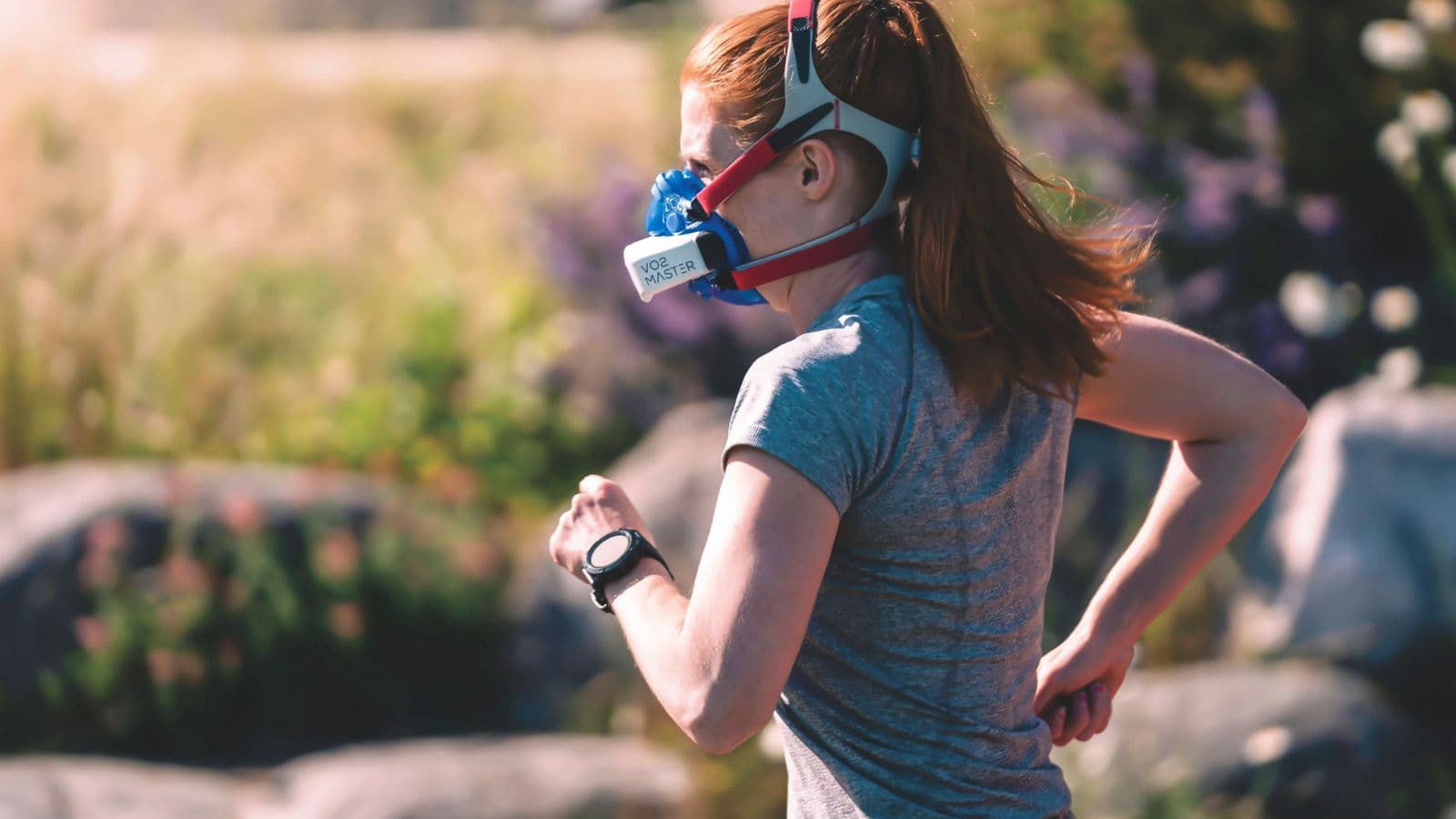
The most accurate assessment is performed during a laboratory exercise test.
Athletes typically run on a treadmill while:
- Wearing a breathing mask
- Exercising at increasing intensity
- Measuring oxygen consumption
Many GPS watches estimate VO2 max, although these estimates are less precise than laboratory testing.
Can You Improve VO2 Max?
Yes.
VO2 max often improves through:
- Consistent endurance training
- Interval sessions
- Progressive overload
- Long-term aerobic development
Improvements tend to become smaller as athletes become more highly trained.
Interval Training Can Help
Higher-intensity intervals challenge the cardiovascular system and may stimulate improvements in aerobic capacity.
Examples include:
- Three to five-minute intervals
- Hill repeats
- Structured VO2 max sessions
These workouts should be balanced with easier training to avoid excessive fatigue.
Easy Running Still Builds Aerobic Fitness
Not every run should be intense. Most endurance athletes spend a significant proportion of their training at comfortable aerobic intensities. Athletes who understand how to beat fatigue in the first mile of running know that consistent aerobic training often produces greater long-term improvements than constantly chasing hard efforts.
Running Economy May Be Even More Important
Running economy refers to how efficiently you use oxygen while running.
A runner with:
- Good technique
- Efficient mechanics
- Strong posture
may outperform someone with a higher VO2 max but poorer efficiency. Athletes who understand how does hip extension affect speed and efficiency in triathlon running know that efficient movement helps maximize every litre of oxygen consumed.
VO2 Max Changes With Training
VO2 max is not fixed.
It may increase with:
- Regular endurance training
- Improved fitness
- Consistent progression
It may also decline during prolonged periods of inactivity. Regular training helps maintain aerobic capacity over time.
Genetics Also Play a Role
Some people naturally have higher VO2 max values than others.
Genetics influence:
- Heart size
- Lung capacity
- Muscle characteristics
However, nearly everyone can improve their own aerobic fitness through appropriate training.
Recovery Supports Improvement
Fitness develops after training sessions, not during them. Athletes who understand what does modern recovery look like for triathletes know that sleep, nutrition, and recovery allow the body to adapt to training and improve aerobic performance. Without recovery, progress often stalls.
Higher VO2 Max Doesn’t Replace Smart Pacing
Some runners rely too heavily on fitness numbers.
Successful racing still requires:
- Good pacing
- Appropriate effort
- Energy management
Athletes who understand how many run workouts do triathletes need each week know that structured training and intelligent workload management remain essential regardless of fitness metrics.
Don’t Become Obsessed With the Number
VO2 max estimates can fluctuate because of:
- Fatigue
- Weather
- Device accuracy
- Training status
Athletes who understand are triathletes relying too much on training data know that performance should never be judged by one metric alone. Use VO2 max as a guide rather than a definition of your ability.
Strength Training Supports Running Performance
Although strength training doesn’t directly increase VO2 max, it can improve:
- Running economy
- Power production
- Injury resilience
These adaptations help runners make better use of their aerobic fitness.
Consistency Produces the Biggest Gains
The largest improvements usually come from:
- Regular training
- Progressive overload
- Patience
- Long-term commitment
There are no shortcuts to developing aerobic capacity. Athletes who understand how should older triathletes stay motivated and train with intensity know that sustainable training habits often matter more than occasional exceptional workouts.
Use VO2 Max Alongside Other Measures
Rather than focusing on VO2 max alone, consider combining it with:
- Training consistency
- Race performances
- Recovery quality
- Perceived effort
Together, these indicators provide a much clearer picture of progress.
Common VO2 Max Misconceptions
Many runners:
- Believe higher VO2 max guarantees faster racing
- Ignore running economy
- Focus only on intervals
- Chase watch estimates obsessively
- Neglect recovery
- Compare numbers with other athletes
- Expect rapid improvements
- Forget that consistency matters most
Avoiding these misconceptions leads to smarter training.
How to Improve VO2 Max Safely?
Triathletes can support aerobic development by:
- Building a strong aerobic base
- Including structured interval training
- Running consistently
- Prioritizing recovery
- Improving running economy
- Strength training regularly
- Progressing gradually
- Using VO2 max as one performance indicator rather than the only goal
VO2 max is a valuable measure of aerobic fitness, but it is only one piece of endurance performance. The fastest runners combine strong aerobic capacity with efficient technique, intelligent pacing, quality recovery, and years of consistent training. Rather than chasing a single number, focus on becoming a more complete endurance athlete.