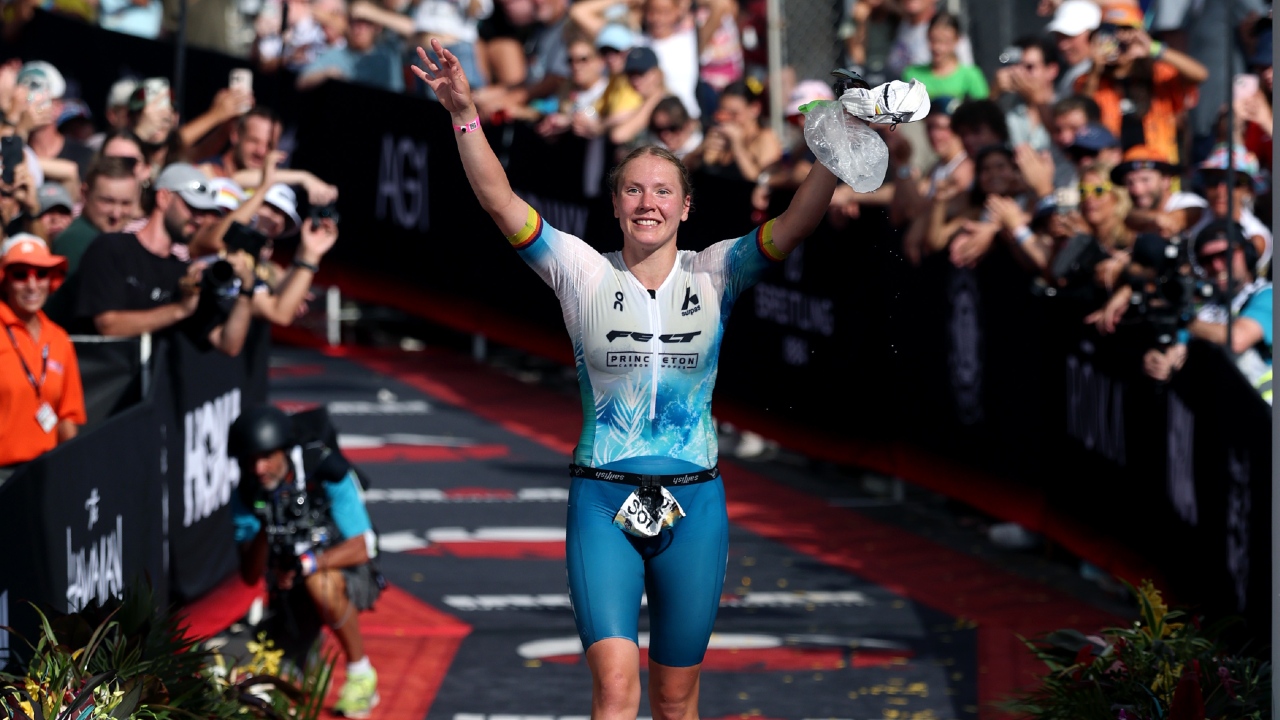


A runner’s high is a positive mental state that can develop during or after sustained running. Triathletes may experience it during an easy training run, a brick session, the later stages of a long race, or even after finishing a demanding workout. The feeling is usually described as calmness, improved mood, mental clarity, greater enjoyment, or a temporary reduction in perceived discomfort. Some athletes describe reaching a point where their stride settles, breathing feels controlled, and running suddenly feels easier than it did earlier. For triathletes, the sensation is especially interesting because the run often begins after significant swimming and cycling fatigue. How the bike leg is paced, how well an athlete has fueled, and how developed their aerobic fitness is can all influence how the run feels.
In Short
- Runner’s high can occur during or after sustained aerobic exercise.
- It may involve calmness, improved mood, or reduced perceived discomfort.
- Endocannabinoids appear to contribute to the effect.
- Endorphins may also play a role, but they do not explain everything.
- Triathletes may experience the sensation during training or racing.
- Not every athlete experiences runner’s high.
- A workout can still be effective without it.
The Runner’s High Experience in Triathlon
Runner’s high does not necessarily feel like sudden euphoria. For many triathletes, it is much more subtle.
You may notice:
- Your breathing becomes more settled.
- Your stride starts feeling smoother.
- Your mood improves.
- Discomfort becomes easier to tolerate.
- You stop focusing constantly on pace.
- Your attention shifts toward rhythm and movement.
- Running begins to feel mentally easier.
During a triathlon, this can sometimes happen after the difficult opening minutes of the run leg. The transition from cycling to running often feels awkward because the muscles, posture, and movement pattern are changing. Once the body settles, the run can begin to feel considerably more natural. Improving techniques to become an efficient triathlon runner can make that adjustment easier because better running economy reduces the amount of unnecessary effort spent maintaining pace.
The Brain Chemistry Behind the Feeling
Runner’s high was once largely explained by endorphins. Endorphins are chemicals produced by the body that are involved in pain regulation and other responses to exercise.
These naturally produced molecules interact with the body’s endocannabinoid system and may influence:
- Mood.
- Anxiety.
- Pain perception.
- Relaxation.
- Reward.
Runner’s high is still unlikely to come from one chemical alone. The overall experience probably reflects a combination of brain chemistry, exercise intensity, expectations, fitness, environment, and psychological state.
Aerobic Fitness Makes Running More Comfortable
A triathlete with a strong aerobic base can usually maintain a given running pace with less relative effort than an athlete with weaker endurance. This does not guarantee a runner’s high. However, sustained running is more likely to feel controlled when the required pace sits comfortably within your aerobic capacity. Building an aerobic base for running a triathlon therefore does more than support race performance. It also improves your ability to maintain longer periods of steady running without constantly fighting fatigue.
Easy runs, longer controlled sessions, consistent training, and sensible progression all contribute.
Why the Start of a Triathlon Run Often Feels Bad?
The first few minutes after T2 can feel uncomfortable even when you are fit. Your legs have just spent a long period cycling through a relatively limited movement pattern. Running suddenly requires different muscle recruitment, posture, impact forces, and coordination.
Common early run sensations include:
- Heavy legs.
- Short stride.
- Fast breathing.
- Poor rhythm.
- Tight hips.
- Difficulty judging pace.
These sensations often improve after several minutes. Learning how can you bike smarter to improve your triathlon run can make the transition easier because excessive bike intensity often makes the first part of the run unnecessarily difficult. A runner’s high is unlikely to matter if the athlete leaves T2 already deeply fatigued from poor pacing.
Bike Pacing Can Shape the Run Experience
The run leg does not begin at T2. How you ride the bike can determine how much energy remains for running. A triathlete who rides well above a sustainable intensity may start the run with elevated fatigue, depleted carbohydrate stores, and greater muscular stress. That can make every kilometer feel difficult.
Understanding how can you reduce fatigue during the triathlon run leg involves looking beyond running fitness alone. Bike pacing, fueling, hydration, and race intensity all contribute to how the run feels.
Pace Matters More Than Chasing a Feeling
Runner’s high should never dictate race pace. Some athletes feel good early in the run and immediately increase speed. That can be a costly mistake, especially in longer events. Learning why is your starting pace important for long distance running is particularly relevant in triathlon because an overly aggressive first few kilometers can turn a strong run into a difficult final section.
Start under control.
Allow your:
- Breathing
- Legs
- Stride

to settle before deciding whether the pace should increase.
Easy Running Can Create the Right Conditions
Many athletes associate runner’s high with sustained moderate exercise rather than repeated maximal efforts. Easy aerobic running can provide enough duration for the body and mind to settle into a consistent rhythm. This does not mean every easy run will feel effortless. Understanding what is zone 2 running in a triathlon can help athletes separate controlled aerobic training from harder sessions where physical discomfort and intensity are much greater.
Easy running serves an important training purpose even when it does not produce a noticeably positive mental state.
Brick Sessions Change the Experience
Running after cycling is different from starting a run fresh. Brick workouts expose triathletes to the movement transition they will experience on race day.
A simple brick might include:
- A steady bike ride.
- A quick transition.
- A short controlled run.
- Easy pacing during the first few minutes.
- Gradual settling into normal running form.
The purpose is not to make every brick extremely hard. The goal is to teach the body how to move efficiently when cycling fatigue is already present.
Training Intensity Changes How Running Feels
Intervals, threshold workouts, hill repetitions, and race pace sessions intentionally create more stress. During these workouts, you may spend much more attention on breathing, technique, pacing, or simply completing the required effort. Understanding easy run vs tempo vs interval what each does helps prevent the mistake of expecting every workout to feel smooth and enjoyable. Some sessions build aerobic endurance. Others develop speed, threshold, or tolerance to harder efforts.
Each has a different purpose.
Fueling Can Influence Mood and Perceived Effort
Low energy availability can make running feel considerably harder. If carbohydrate intake has been inadequate on the bike, the run may become progressively more difficult.
Poor fueling can contribute to:
- Falling pace.
- Heavy legs.
- Reduced concentration.
- Irritability.
- Greater perceived effort.
- Difficulty maintaining race strategy.
A runner’s high cannot compensate for poor fueling.
Athletes preparing for longer events should treat nutrition as part of run performance rather than something separate from it.
Fatigue Can Mask Positive Exercise Effects
Accumulated training fatigue can change how even easy running feels.
Warning signs can include:
- Persistent heavy legs.
- Declining motivation.
- Poor sleep.
- Higher perceived effort.
- Falling performance.
- Difficulty completing normal sessions.
Training harder is not always the answer. Recognizing what training errors slow down running progress in a triathlon can help athletes identify excessive intensity, poor recovery, or inappropriate mileage before fatigue becomes a larger problem. A runner’s high should never be used as a test of whether you are recovered.
Running Form and Rhythm
A smooth running rhythm can contribute to the feeling that running has become easier. When posture, cadence, and foot placement settle naturally, less attention may be required to maintain movement. For triathletes, this can be particularly noticeable after the initial stiffness of running off the bike begins to disappear. Improving your triathlon running form can help reduce wasted movement, although athletes should avoid trying to consciously control every part of their stride.
Good form should become increasingly automatic.
Long Course Triathlon and Mental State
Long distance racing creates extended periods where athletes must manage physical discomfort without allowing it to dominate decision making.
A positive mental shift during the run can be helpful.
You may suddenly feel:
- More confident.
- More focused.
- Less concerned about discomfort.
- Better able to maintain rhythm.
- More engaged with the race.
This does not remove the need for good pacing.
Long course triathlon rewards patience, and an athlete who feels excellent at one point may still face significant fatigue later.
Visualization and Positive Mental States
Mental preparation can influence how athletes respond when a race becomes uncomfortable. Visualization does not directly create runner’s high, but it can help you recognize difficult moments as expected parts of the event rather than signs that everything is going wrong. Practicing how can visualization help triathletes perform better can make it easier to stay calm when the run initially feels awkward or fatigue begins to increase.
A controlled mental response can help athletes continue making good pacing and fueling decisions.
Runner’s High Is Not a Performance Metric
There is no need to experience runner’s high to become a faster triathlete.
Judge training according to:
- Consistency.
- Pace at a given effort.
- Heart rate response.
- Recovery.
- Endurance.
- Race specific performance.
- Ability to complete planned sessions.
Mood is useful information, but it should not determine whether a workout was successful.
Common Mistakes
- Chasing runner’s high by extending workouts.
- Starting the triathlon run too quickly.
- Riding too hard before the run.
- Confusing reduced discomfort with unlimited energy.
- Expecting every easy run to feel effortless.
- Ignoring fueling during long races.
- Using runner’s high as a measure of fitness.
Practical Tips
- Control the bike effort before the run.
- Start the run conservatively.
- Build aerobic fitness consistently.
- Practice regular brick sessions.
- Fuel appropriately during longer events.
- Avoid chasing a particular mental feeling.
- Judge training over weeks rather than one session.
Actionable Takeaways
Runner’s high is a positive mental state that some triathletes experience during or after sustained running. It may include better mood, relaxation, mental clarity, and a temporary reduction in perceived discomfort. Bike pacing, fueling, aerobic fitness, fatigue, race intensity, and how quickly you settle into the run after T2 can all change how the run feels.
Do not chase runner’s high as a training goal. Focus on pacing, endurance, efficient running, sensible bike effort, and consistent recovery. If a positive mental state appears along the way, treat it as a useful experience rather than proof that you should suddenly run harder or longer.