

Nutrition before a ride can make the difference between feeling strong throughout your session and running out of energy halfway through. Whether you’re preparing for a short training ride, a long endurance session, or the bike leg of a triathlon, what you eat beforehand helps determine how much fuel your body has available. The ideal pre-ride meal depends on the duration and intensity of the ride, as well as how much time you have before setting off. The goal is to start with full energy stores, avoid stomach discomfort, and arrive ready to perform. Here is how triathletes can fuel effectively before cycling.
Why Pre-Ride Nutrition Matters?
Cycling relies heavily on stored carbohydrates (glycogen), especially during moderate and high-intensity efforts.
Eating before a ride helps:
- Replenish glycogen stores
- Maintain energy levels
- Delay fatigue
- Support consistent performance
Athletes who understand why are carbs important for recovery after a triathlon know that carbohydrates are just as important before exercise as they are afterwards.
Eat According to Ride Duration
Your nutrition should match the session ahead.
Generally:
- Short easy rides require less fuel.
- Long endurance rides require more carbohydrates.
- High-intensity workouts usually benefit from additional pre-ride fueling.
Avoid eating large meals before very easy recovery rides unless needed for overall daily nutrition.
Eat Two to Four Hours Before Longer Rides
If time allows, aim for a balanced meal containing:
- Carbohydrates
- Moderate protein
- Small amounts of healthy fats
- Easily digested foods
Examples include:
- Oats with fruit
- Rice with eggs
- Toast with peanut butter and banana
- Yogurt with granola
This provides sustained energy while allowing time for digestion.
Have a Small Snack If You’re Short on Time
If you’re riding within an hour, choose foods that digest quickly.
Good options include:
- Banana
- Energy bar
- Toast with honey
- Applesauce
- Small bowl of cereal
Athletes who understand how do carbs affect fat burning during endurance training know that consuming carbohydrates before training doesn’t stop fat adaptation, it helps support the work you’re about to perform.
Prioritize Carbohydrates
Carbohydrates are usually the primary fuel before cycling.
Good choices include:
- Oats
- Rice
- Potatoes
- Wholegrain bread
- Fruit
These foods help top up glycogen stores before the ride begins.
Avoid Foods That Upset Your Stomach
Race day is not the time to experiment.
Limit foods that commonly cause digestive discomfort, such as:
- Very spicy meals
- Greasy foods
- Excessive fibre
- Large amounts of fried food
Practice your pre-ride nutrition during training first.
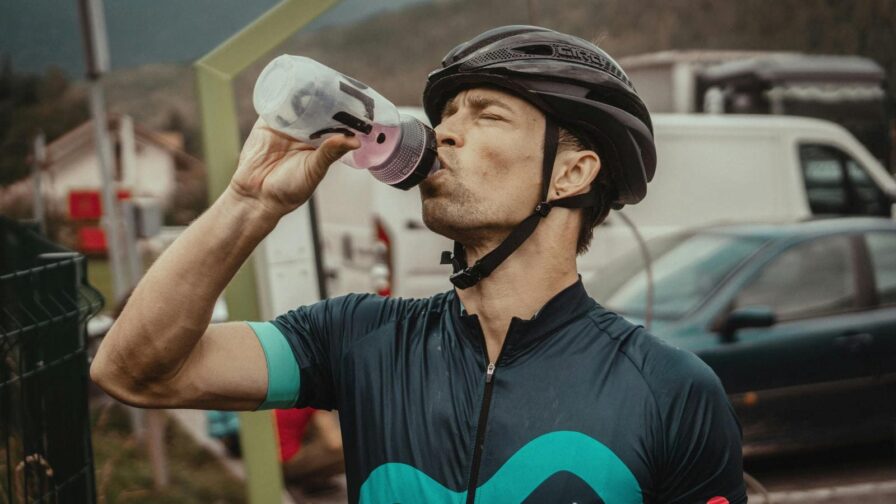
Stay Hydrated Before You Roll Out
Nutrition isn’t only about food.
Drink fluids regularly during the hours before riding.
Hydration supports:
- Temperature regulation
- Cardiovascular function
- Performance
Don’t wait until you’re already thirsty.
Don’t Skip Breakfast Before Morning Rides
Many triathletes train early. For longer or harder morning sessions, even a small amount of carbohydrate can improve energy availability. Athletes who understand how can working professionals train for a 70.3 triathlon know that fitting nutrition around busy schedules is an important part of successful training.
Practice Your Race-Day Nutrition
Every athlete tolerates foods differently.
Use long training rides to practice:
- Meal timing
- Portion sizes
- Hydration
- Carbohydrate choices
This reduces surprises during competition.
Consider the Weather
Hot conditions increase fluid requirements. Cold weather may reduce thirst but hydration remains important. Athletes who understand how can winter riding improve triathlon bike handling skills know that environmental conditions influence both riding performance and nutritional needs.
Don’t Overeat
A very large meal immediately before riding can cause:
- Bloating
- Stomach discomfort
- Sluggishness
Aim to feel comfortably satisfied rather than overly full.
Fueling Supports Better Bike Sessions
Proper nutrition allows athletes to:
- Maintain target power
- Complete intervals effectively
- Recover more quickly afterwards
Athletes who understand how to improve your bike speed for a half ironman know that quality training sessions begin with adequate preparation.
Individual Preferences Matter
Some athletes prefer:
- Solid meals
Others perform better with:
- Liquid nutrition
- Smoothies
- Smaller snacks
Experiment during training to discover what works best for you.
Remember Recovery Starts Before the Ride Ends
Good pre-ride nutrition also supports post-ride recovery. Beginning a session with adequate energy stores often reduces excessive glycogen depletion. Athletes who understand what does modern recovery look like for triathletes know that preparation and recovery are closely connected.
Listen to Your Body
No nutrition strategy works for everyone.
Pay attention to:
- Hunger
- Energy levels
- Digestive comfort
- Training quality
Small adjustments over time often produce the best long-term results.
Don’t Depend on Caffeine Alone
Caffeine may enhance performance for some athletes, but it should not replace proper nutrition. A cup of coffee cannot substitute for adequate carbohydrate intake before a demanding ride. Use caffeine strategically rather than relying on it as your only source of energy.
Be Consistent
One perfect pre-ride meal won’t transform performance.
Consistent nutrition habits across weeks and months support:
- Better training
- Improved recovery
- Stronger race-day performances
Athletes who understand how to train like an olympic triathlete know that elite performance is built on consistent daily habits rather than occasional perfect sessions.
Common Pre-Ride Nutrition Mistakes
Many triathletes:
- Skip breakfast before long rides
- Eat too much immediately before training
- Underestimate hydration
- Try unfamiliar foods on race day
- Consume too little carbohydrate
- Ignore ride duration when planning meals
- Depend entirely on caffeine
- Forget to practice race nutrition
Avoiding these mistakes helps ensure every ride starts with the best possible preparation.
What to Eat Before Cycling?
To prepare effectively for a ride:
- Eat a carbohydrate-rich meal two to four hours beforehand.
- Choose an easily digested snack if riding within an hour.
- Stay hydrated throughout the day.
- Practice race nutrition during training.
- Match food intake to ride duration and intensity.
- Avoid unfamiliar foods before important sessions.
- Prioritize comfort and consistency.
- Adjust your strategy based on personal experience.
Pre-ride nutrition doesn’t need to be complicated. The best approach is one that provides enough energy, feels comfortable in your stomach, and can be repeated consistently. By developing good fueling habits before every ride, triathletes can improve training quality, recover more effectively, and perform better on race day.