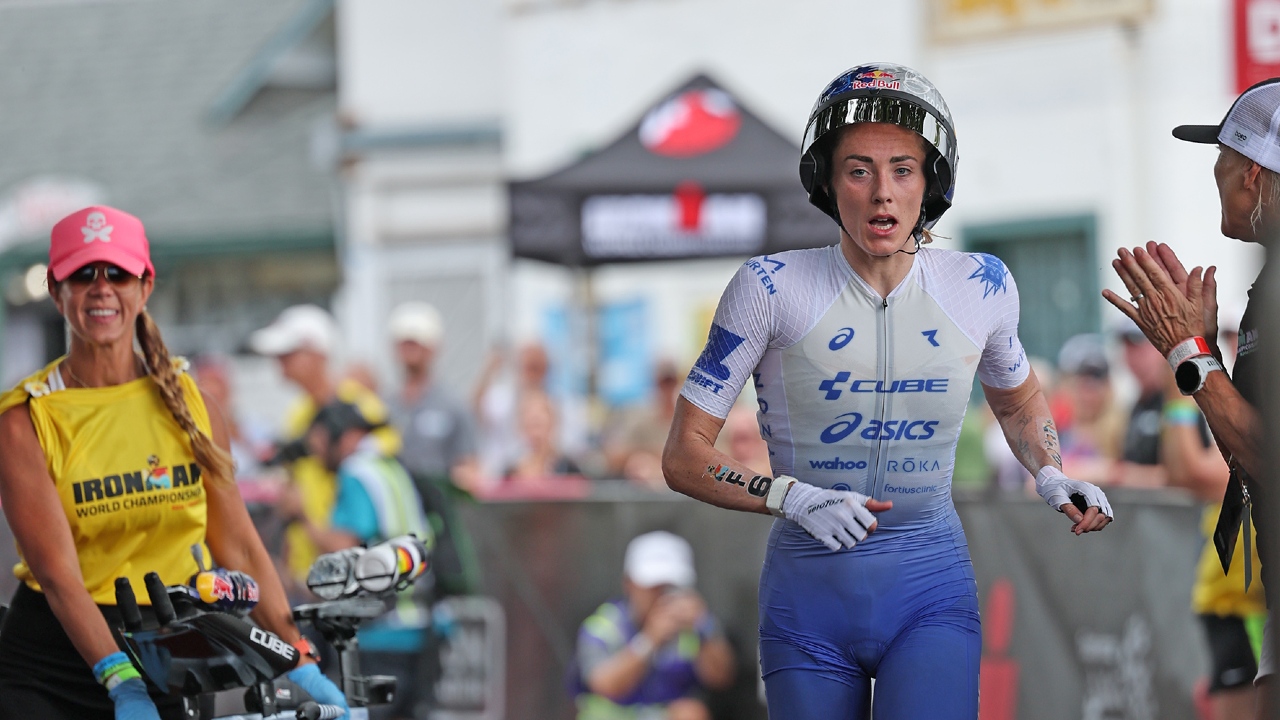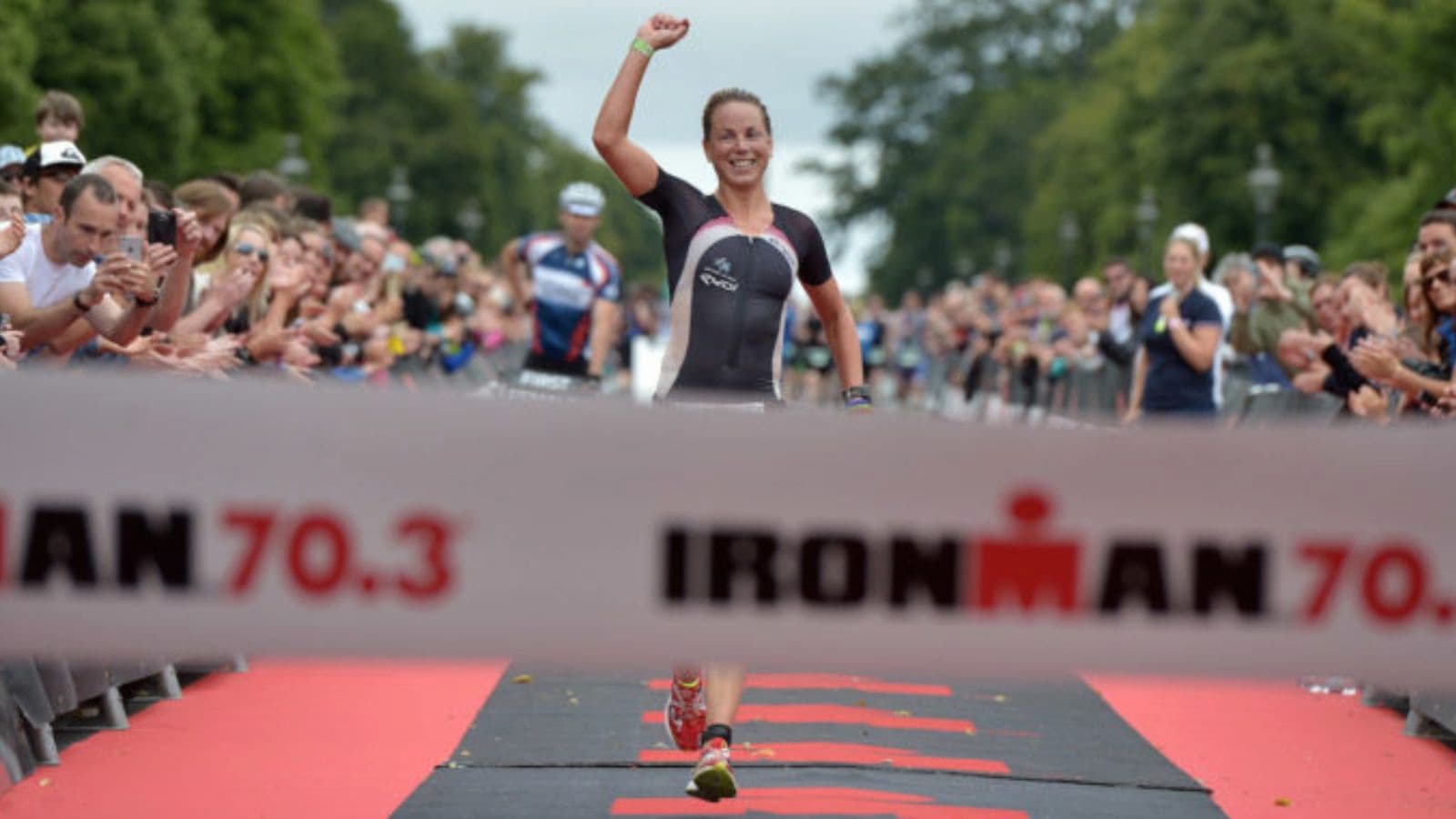


The bike leg is the longest portion of a Half Ironman, making it one of the biggest opportunities to improve your overall race time. Riding faster isn’t simply about producing more power, it’s about becoming more efficient, improving endurance, pacing intelligently, and arriving at T2 with enough energy to run well. Many triathletes spend months trying to increase their average speed by riding harder, but the biggest gains often come from consistent training, better technique, improved aerodynamics, and smarter race execution. Whether you’re aiming for your first 70.3 or chasing a personal best, these strategies can help you become a faster and more efficient cyclist.
Build a Strong Aerobic Base
Half Ironman racing demands sustained endurance rather than short bursts of power.
Most training should focus on:
- Steady aerobic riding
- Consistent weekly mileage
- Progressive endurance
Athletes who understand how can working professionals train for a 70.3 triathlon know that long-term consistency is the foundation of successful Half Ironman preparation.
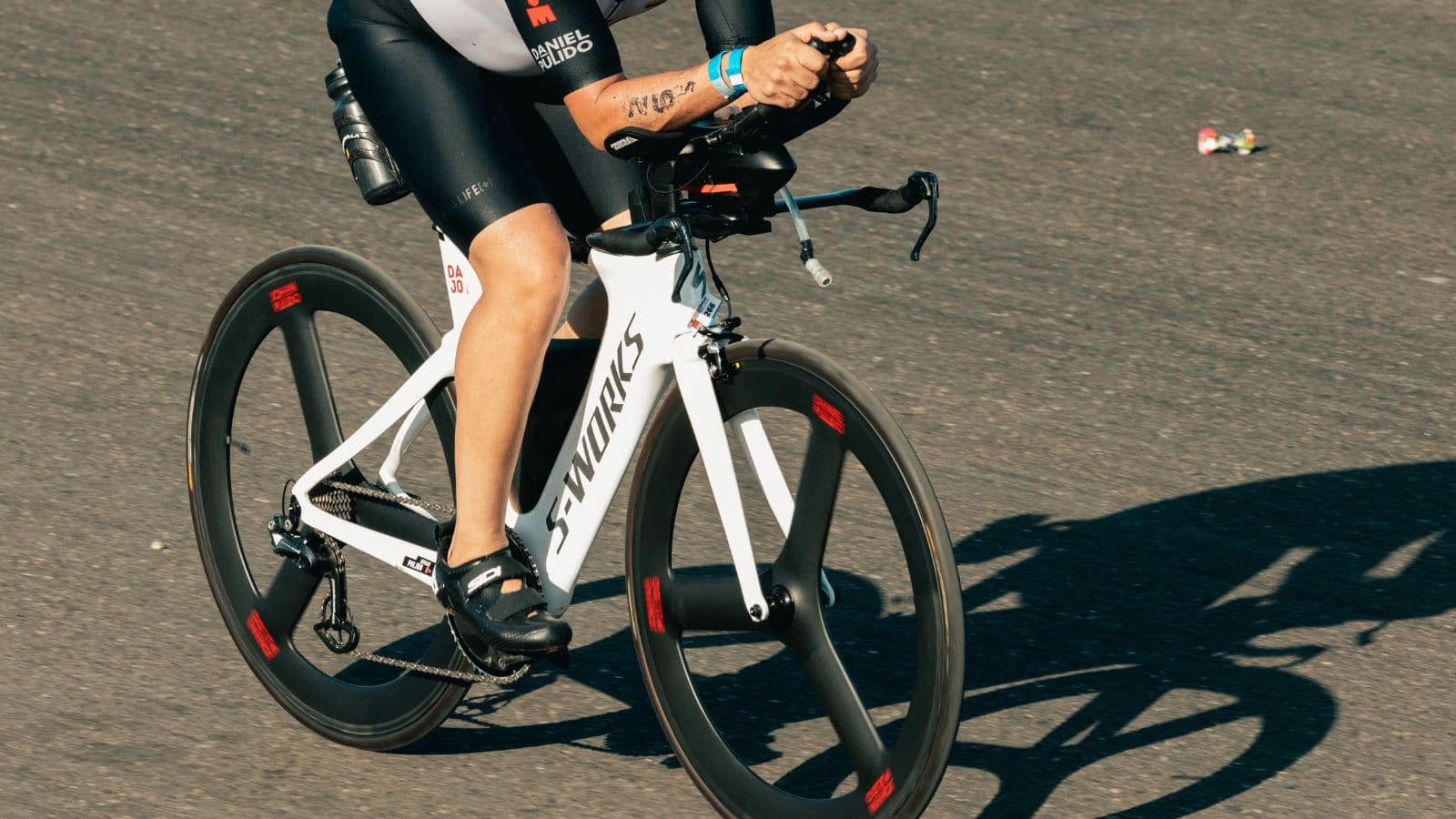
Spend More Time in the Aero Position
Being aerodynamic allows you to ride faster without increasing effort.
Practice:
- Holding your aero position comfortably
- Relaxing your shoulders
- Maintaining a stable core
The longer you can remain comfortably aero, the greater the potential time savings over 90km.
Improve Functional Threshold Power (FTP)
Increasing FTP raises the power you can sustain during long races.
Training sessions may include:
- Threshold intervals
- Sweet spot efforts
- Progressive sustained efforts
These workouts help improve sustainable cycling speed without relying on short, high-intensity bursts.
Practice Race Pace Frequently
Many triathletes either ride too easily or too hard during training.
Include sessions where you ride:
- At planned Half Ironman intensity
- For extended durations
- While maintaining steady power or effort
Learning your race pace makes pacing much easier on race day.
Develop Better Bike Handling
Riding efficiently isn’t only about power.
Improving:
- Cornering
- Descending
- Braking
- Line selection
helps maintain momentum throughout the course. Athletes who understand what cycling drills help triathletes improve bike technique know that technical skills often translate into free speed.
Strengthen Your Cycling Position
A comfortable position allows you to stay aerodynamic longer.
Focus on:
- Core strength
- Hip mobility
- Lower back endurance
Small improvements in comfort often produce significant gains during long races.
Fuel the Bike Properly
Many athletes lose speed simply because they underfuel.
Practice consuming:
- Carbohydrates
- Fluids
- Electrolytes
during long rides.
Athletes who understand why are carbs important for recovery after a triathlon know that nutrition influences both performance and recovery.
Include Long Endurance Rides
Regular long rides prepare you for:
- Sustained effort
- Nutrition practice
- Pacing
- Mental endurance
These sessions build confidence alongside physical fitness.
Improve Pedalling Efficiency
Smooth pedalling helps reduce wasted energy.
Practice:
- Even power application
- Stable cadence
- Relaxed upper body
Efficiency becomes increasingly important over the 90km bike leg.
Don’t Ignore Strength Training
Strength training can improve:
- Force production
- Stability
- Injury resistance
A stronger athlete often transfers power to the pedals more effectively.
Practice Riding Into Wind
Wind is common during Half Ironman races.
Rather than avoiding it, learn to:
- Stay aerodynamic
- Pace by effort
- Maintain relaxed positioning
Athletes who understand how can winter riding improve triathlon bike handling skills know that training in varied conditions builds both technical skill and confidence.
Learn to Pace Conservatively
One of the biggest mistakes is riding the first half too aggressively.
Instead:
- Start controlled
- Maintain steady effort
- Save energy for the run
The fastest overall race often comes from disciplined pacing.
Train the Bike-to-Run Transition
Cycling speed only matters if you can still run well.
Include brick workouts that teach your body to:
- Run efficiently after cycling
- Control early run pacing
- Adapt to fatigued legs
Athletes who understand how do elite triathletes run fast after cycling know that bike performance should always support a strong run.
Optimize Equipment
Before spending money on expensive upgrades, ensure:
- Proper bike fit
- Correct tyre pressure
- Well-maintained drivetrain
- Comfortable riding position
Small adjustments often provide meaningful performance improvements.
Recover Between Hard Sessions
Improvement occurs during recovery.
Prioritize:
- Sleep
- Nutrition
- Recovery rides
- Easy training days
Athletes who understand what does modern recovery look like for triathletes know that consistent recovery supports consistent performance gains.
Stay Consistent Year-Round
Speed doesn’t come from one exceptional training block.
It develops through months of:
- Regular riding
- Gradual progression
- Smart recovery
Athletes who understand olympic distance triathlon training know that consistent execution is more valuable than occasional extreme training.
Use Data Wisely
Power meters and GPS devices can guide training effectively. However, avoid becoming completely dependent on numbers. Athletes who understand are triathletes relying too much on training data know that combining objective data with perceived effort often leads to better decision-making.
Be Patient With Progress
Cycling speed improves gradually.
Focus on:
- Weekly consistency
- Progressive overload
- Quality sessions
Small improvements accumulated over months often produce significant race-day gains.
Common Mistakes That Limit Bike Speed
Many triathletes:
- Ride every session too hard
- Neglect long endurance rides
- Ignore aerodynamics
- Underfuel training
- Skip brick sessions
- Overlook bike handling skills
- Recover poorly
- Chase speed instead of sustainable power
Avoiding these mistakes can produce substantial improvements.
How to Ride Faster in a Half Ironman?
To improve bike speed, focus on:
- Building aerobic endurance
- Increasing sustainable power
- Practising race pace
- Improving aerodynamics
- Refining bike handling
- Fueling consistently
- Completing brick sessions
- Recovering effectively
The fastest Half Ironman cyclists aren’t always the strongest riders—they’re often the ones who combine endurance, smart pacing, efficient technique, and excellent preparation. By improving these areas consistently, you’ll not only ride faster but also arrive at the run ready to perform your best.