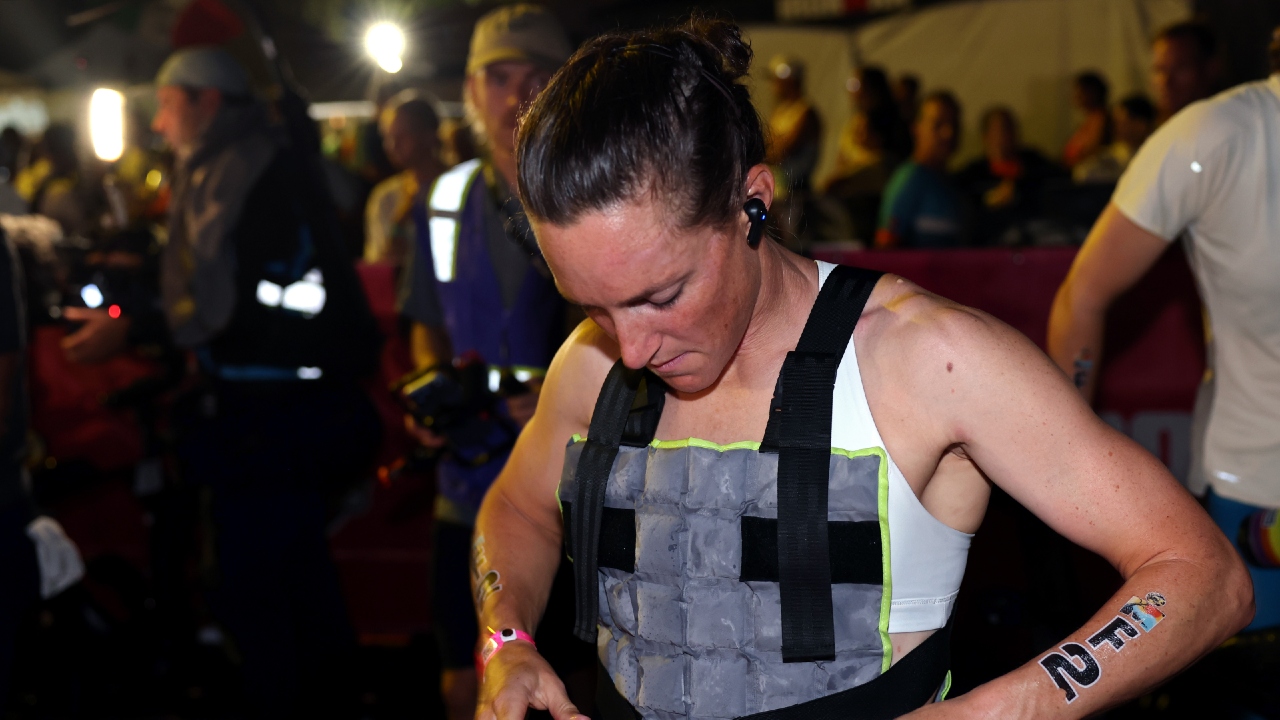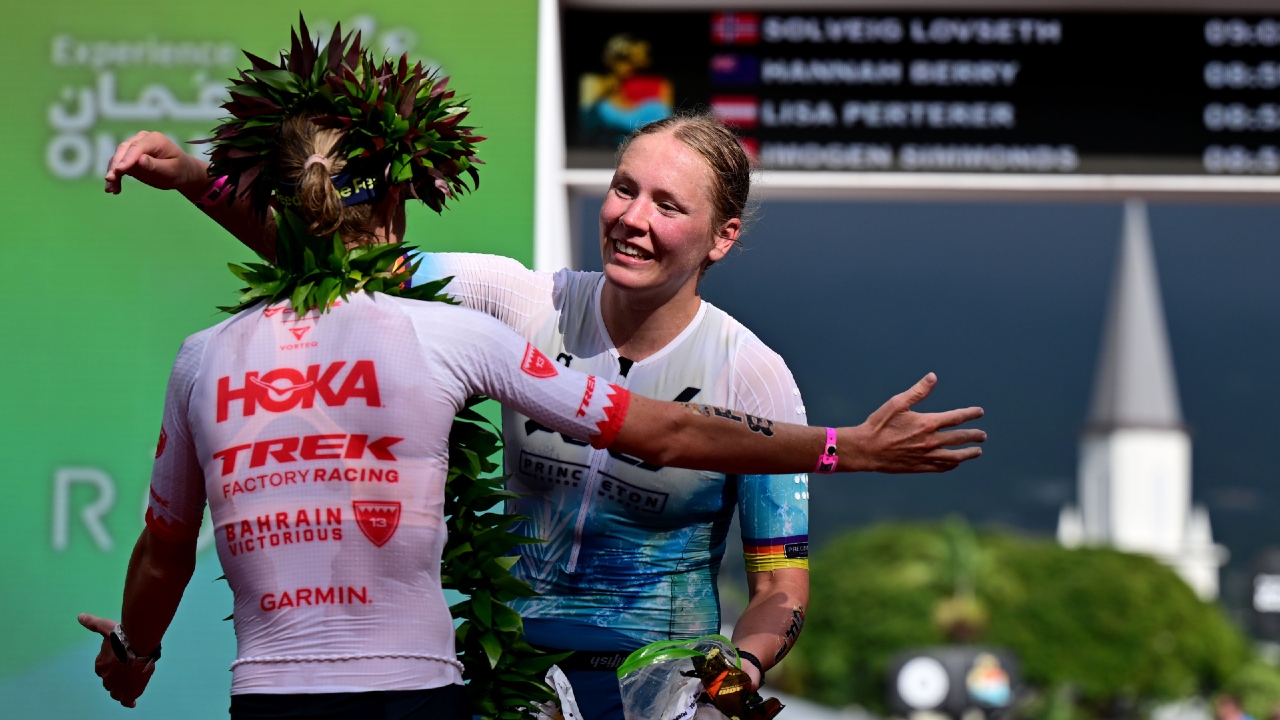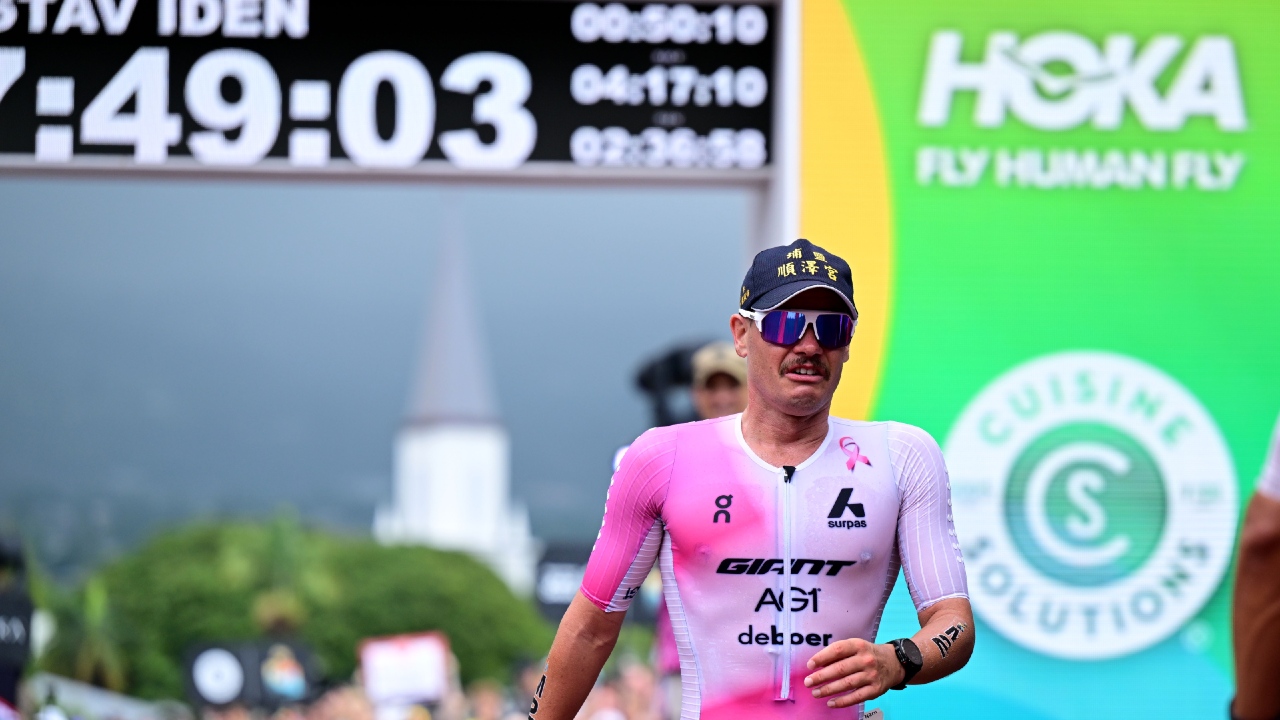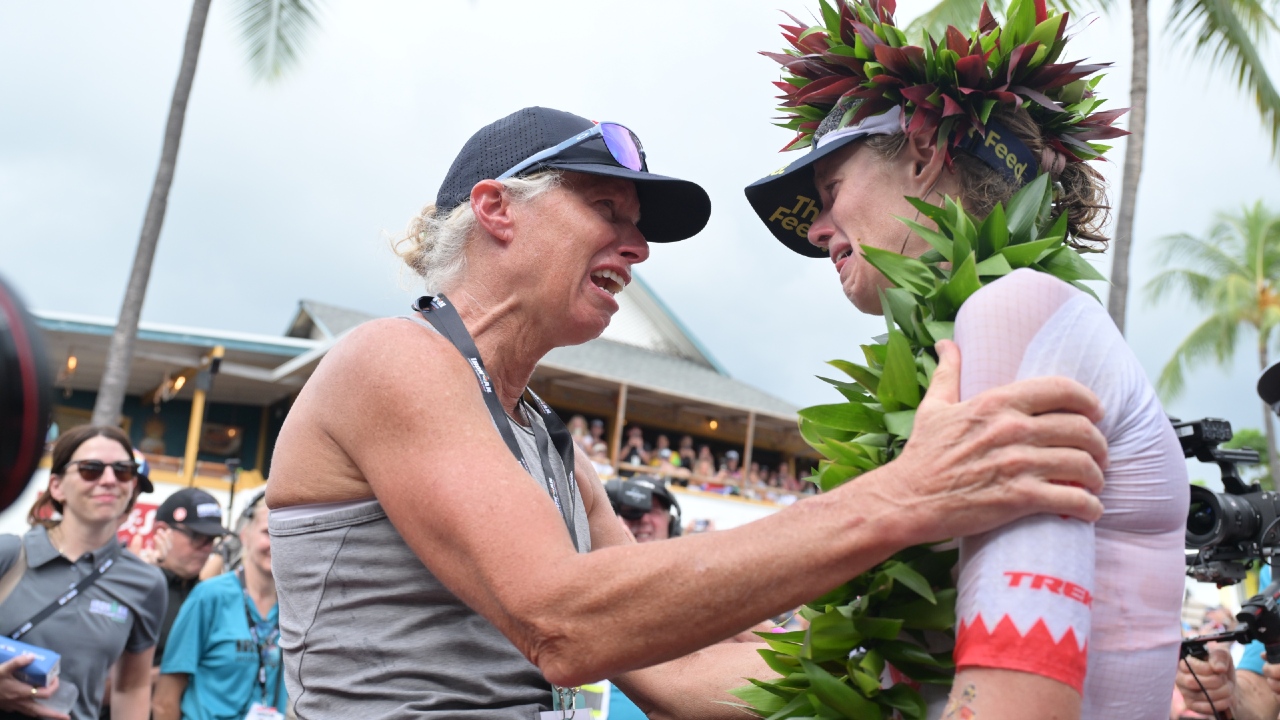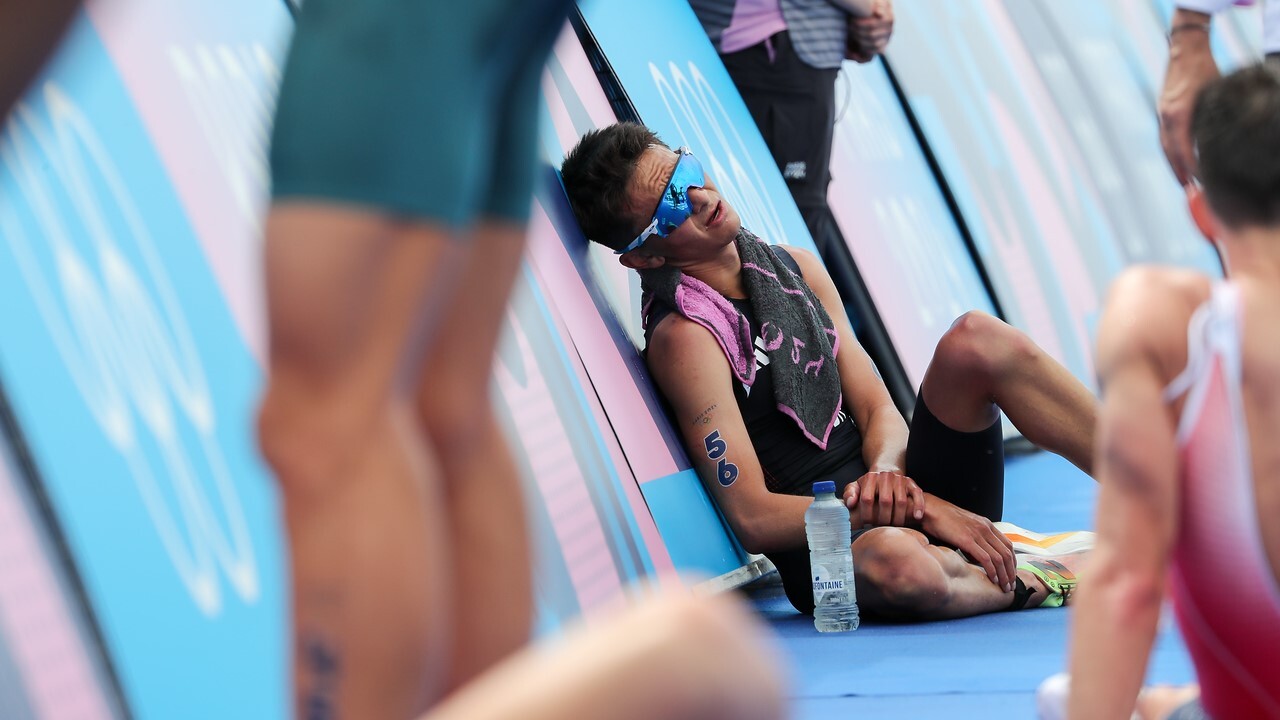


The first week after an Ironman should be treated as recovery time, not another training week. Even if you feel surprisingly good a few days after finishing, your body can still be dealing with muscle damage, depleted energy stores, inflammation, disrupted sleep, and general fatigue. Recovery starts immediately after the finish, but it continues well beyond the first meal and night’s sleep. Eating enough, replacing fluids appropriately, sleeping well, and reducing training stress are more useful during this period than trying to maintain fitness. Some athletes become restless when they stop structured training. However, a few easy days will not erase months of preparation, while returning to demanding exercise too quickly can prolong soreness and fatigue. Your exact recovery will depend on race duration, training history, race intensity, previous injuries, travel, sleep, and how your body responded on race day. Use the first week to observe how you feel rather than forcing yourself to follow a rigid return date.

In Short
- Prioritize recovery immediately after finishing.
- Eat carbohydrates and protein after the race.
- Replace fluids according to your needs.
- Expect muscle soreness and fatigue.
- Sleep as much as your schedule allows.
- Avoid hard training during the first week.
- Gentle walking can help you stay mobile.
- Swimming or easy cycling may feel comfortable later.
- Do not rush back because soreness disappears.
- Persistent or unusual symptoms need attention.
What Happens to Your Body After an Ironman?
An Ironman combines prolonged swimming, cycling, and running, creating considerable physical stress.
After finishing, you may experience:
- Muscle soreness.
- Stiffness.
- Low energy.
- Increased hunger.
- Poor appetite.
- Sleep disruption.
- General fatigue.
The run often creates substantial muscular stress, particularly late in the race when fatigue is highest. Understanding how can you reduce fatigue during the triathlon run leg can help with future race preparation, but once the race is finished, recovery becomes the priority.
What Should You Do Immediately After Finishing?
Start with basic needs.
Try to:
- Keep moving gently for a short period.
- Change into dry clothing.
- Begin drinking according to thirst and fluid needs.
- Eat when your stomach allows.
- Stay warm if conditions are cool.
Some athletes struggle to eat immediately after finishing. If solid food is difficult, fluids containing carbohydrate and protein may be easier initially.
Do not force huge amounts of food or water at once.
Prioritize Carbohydrates and Protein
Your body has used substantial carbohydrate during the race. Carbohydrate helps restore glycogen, while protein provides amino acids needed for tissue repair.
Post race foods might include:
- Rice.
- Potatoes.
- Pasta.
- Bread.
- Fruit.
- Yogurt.
- Eggs.
- Lean meat or suitable alternatives.
Your broader what should triathletes eat for better training and recovery strategy should also apply after the event. One recovery meal helps, but regular balanced meals across the following days matter more.
Rehydrate Without Overdrinking
Fluid replacement is important, especially after a hot race. However, drinking excessive quantities of plain water is not a better recovery strategy.
Your needs depend on:
- Sweat losses.
- Race conditions.
- Fluids consumed during the event.
- Body size.
- Individual sweat rate.
Drink gradually and allow thirst to help guide intake. Athletes who race in hot conditions can use the principles in how to beat dehydration during an ironman triathlon to understand why hydration needs vary considerably between individuals and environments.
Sleep Is One of Your Best Recovery Tools
You may expect to sleep deeply after an Ironman, but some athletes experience restless sleep after racing. Race excitement, travel, muscle soreness, caffeine, and an elevated stress response can all interfere with sleep.
During the following week:
- Give yourself more time in bed.
- Keep evenings relaxed.
- Nap if useful and practical.
- Avoid unnecessary early workouts.
- Maintain a regular sleep routine.
One poor night is not a disaster. Look at sleep across the whole recovery week rather than obsessing over one night’s data.
Expect Delayed Muscle Soreness
You might feel worse one or two days after the race than you did the morning immediately afterward. Delayed muscle soreness can become more noticeable after the initial post race period.
Common areas include:
- Quadriceps.
- Calves.
- Hamstrings.
- Hips.
- Lower back.
Normal soreness should gradually improve. Sharp pain, major swelling, inability to bear weight, or symptoms that continue worsening deserve medical assessment rather than being dismissed as ordinary Ironman soreness.
Should You Exercise During the First Few Days?
You do not need to complete structured training. Gentle movement can be useful if it feels comfortable.
Options include:
- Short walks.
- Easy mobility.
- Gentle everyday movement.
Avoid turning active recovery into another workout. If your body is asking for rest, take it. The recovery principle behind why are slower training sessions important for triathlon cycling applies here too: harder training is not always more productive.
When Can You Swim Again?
Easy swimming may be one of the first sports some triathletes feel comfortable returning to because it has relatively little impact. A short relaxed swim later in the week may be reasonable if you feel well.
Keep it:
- Easy.
- Short.
- Technique focused.
- Free from hard intervals.
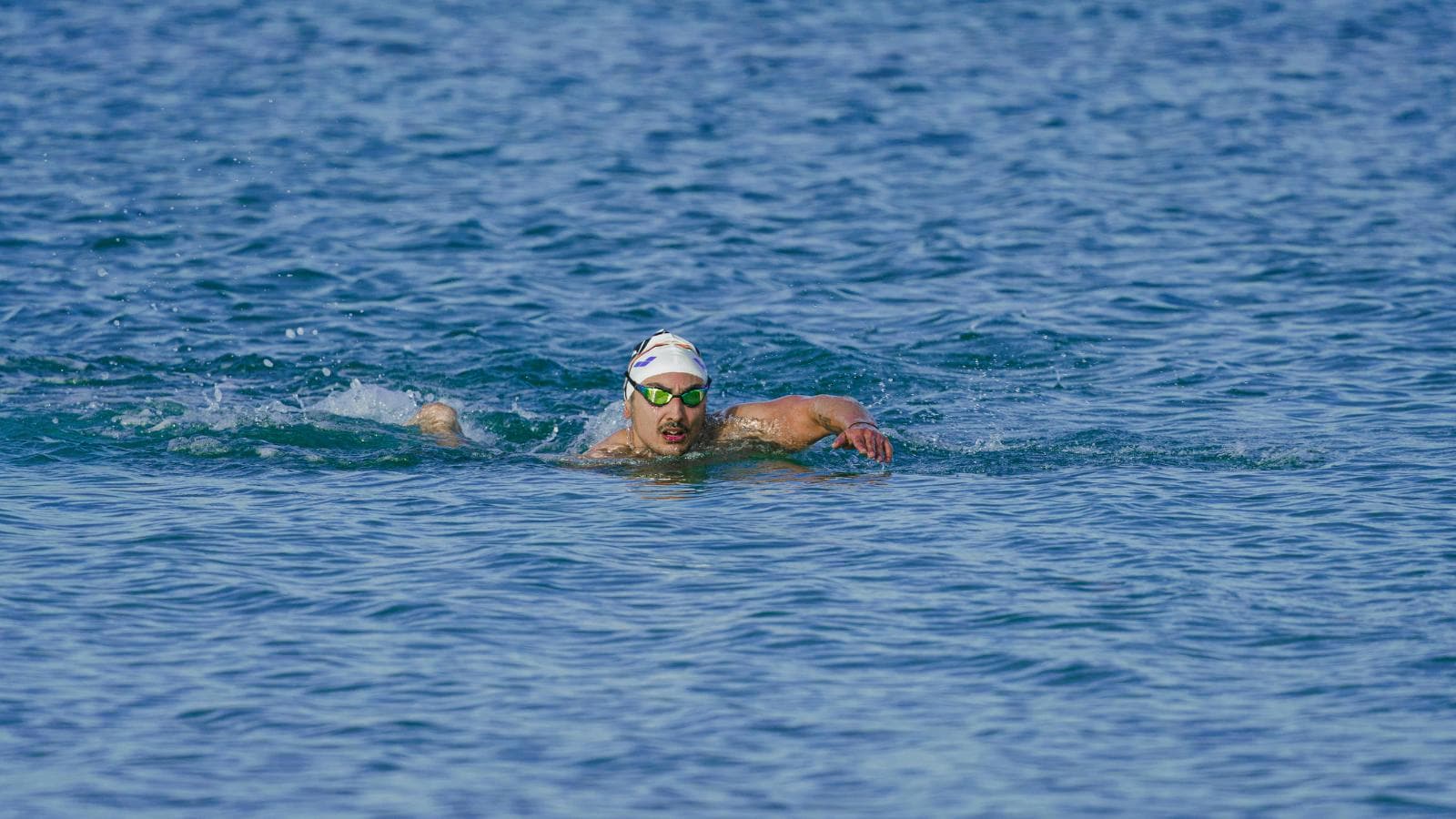
If swimming feels tiring rather than restorative, stop and give yourself more recovery time.
When Can You Cycle Again?
Some athletes return to very easy cycling later in the first week. The goal should be circulation and comfortable movement, not fitness.
Choose:
- Low resistance.
- Easy cadence.
- Flat terrain.
- Short duration.
Indoor cycling can be useful because effort is easy to control. Do not use ftp in triathlon cycling as a reason to test your power numbers a few days after an Ironman. Fitness testing can wait.
Running Usually Needs More Caution
Running creates greater impact than swimming or easy cycling and may feel uncomfortable while muscles are still recovering. There is little reason to rush back.
If you still have:
- Significant soreness.
- Altered walking.
- Joint pain.
- Heavy fatigue.
- Localized pain.
delay running. The same principles used in how to avoid running injuries as mileage increases in a triathlon apply when returning after a race: training load should increase only when your body is ready to tolerate it.
Do Not Judge Recovery Only by Soreness
Muscle soreness is easy to notice, but it is not the only sign of recovery.
You may have little soreness while still experiencing:
- Poor sleep.
- Low motivation.
- Unusual fatigue.
- Elevated resting heart rate.
- Reduced appetite.
- General heaviness.
Feeling capable of exercising is different from being ready for normal training. Avoid using one good morning as proof that recovery is complete.
Pay Attention to Your Mental Recovery
An Ironman can create a large emotional build up.
After months of preparation and race day focus, some athletes feel:
- Excited.
- Relieved.
- Flat.
- Unmotivated.
- Restless.
These responses can vary. You do not need to set another race goal immediately. Taking a mental break from structured training can be as useful as physical rest, especially after a long preparation block.
Recovery Tools Are Optional
Massage, compression clothing, cold water, and other recovery methods may feel useful, but none replaces basic recovery habits.
Prioritize:
- Sleep.
- Food.
- Fluid.
- Rest.
- Time.
If you use cold water, understand what you are trying to achieve rather than assuming it automatically accelerates every part of recovery. Does cold water immersion help in triathlon recovery can help explain where it may fit and its limitations.
Do Not Try to Maintain Peak Fitness
A common post Ironman concern is losing fitness. That fear can encourage athletes to resume training before they are ready. The first week is not the time to protect race fitness. Your goal is to absorb the stress of the event and allow recovery. When structured training eventually returns, rebuilding should be gradual rather than immediately returning to pre race volume.
Watch for Symptoms That Need Medical Attention
Some post race symptoms should not simply be treated as normal fatigue.
Seek appropriate medical care for concerning symptoms such as:
- Chest pain.
- Fainting.
- Severe shortness of breath.
- Persistent vomiting.
- Confusion.
- Very dark urine.
- Severe swelling.
- Significant localized pain.
- Symptoms that worsen rather than improve.
The decision making principles in when should you stop during a triathlon remain relevant after the finish because completing the race does not mean every subsequent symptom should be ignored.
When Should Normal Training Resume?
There is no universal day when every athlete should restart.
Return depends on:
- Race effort.
- Recovery progress.
- Training experience.
- Injury status.
- Sleep.
- Motivation.
The first week should generally remain focused on recovery. When you eventually resume structured training, start below your previous workload and increase gradually. Athletes planning another long distance event should resist immediately applying how to race two consecutive ironman in one season until they have first assessed how well they recovered from the initial race.
Common Mistakes
- Running again because soreness disappears quickly.
- Scheduling hard workouts during the first week.
- Drinking excessive water.
- Undereating because appetite is reduced.
- Testing cycling power too early.
- Treating active recovery as training.
- Ignoring persistent pain.
- Comparing recovery with another athlete.
- Worrying excessively about losing fitness.
Practical Tips
- Clear your schedule where possible.
- Keep meals simple and nutritious.
- Drink according to your recovery needs.
- Prioritize several nights of good sleep.
- Walk gently if it feels comfortable.
- Keep any swimming or cycling very easy.
- Delay running if your legs remain sore.
- Avoid performance tests.
- Monitor unusual or worsening symptoms.
- Return to structured training gradually.
Actionable Takeaways
- Make recovery your only training goal for the first week.
- Prioritize sleep, nutrition, hydration, and gentle movement.
- Do not use reduced soreness as your only return signal.
- Resume structured training gradually.
The principles in how can you maintain fitness while tapering for an ironman also reinforce an important lesson: short periods of reduced training do not immediately erase endurance fitness.