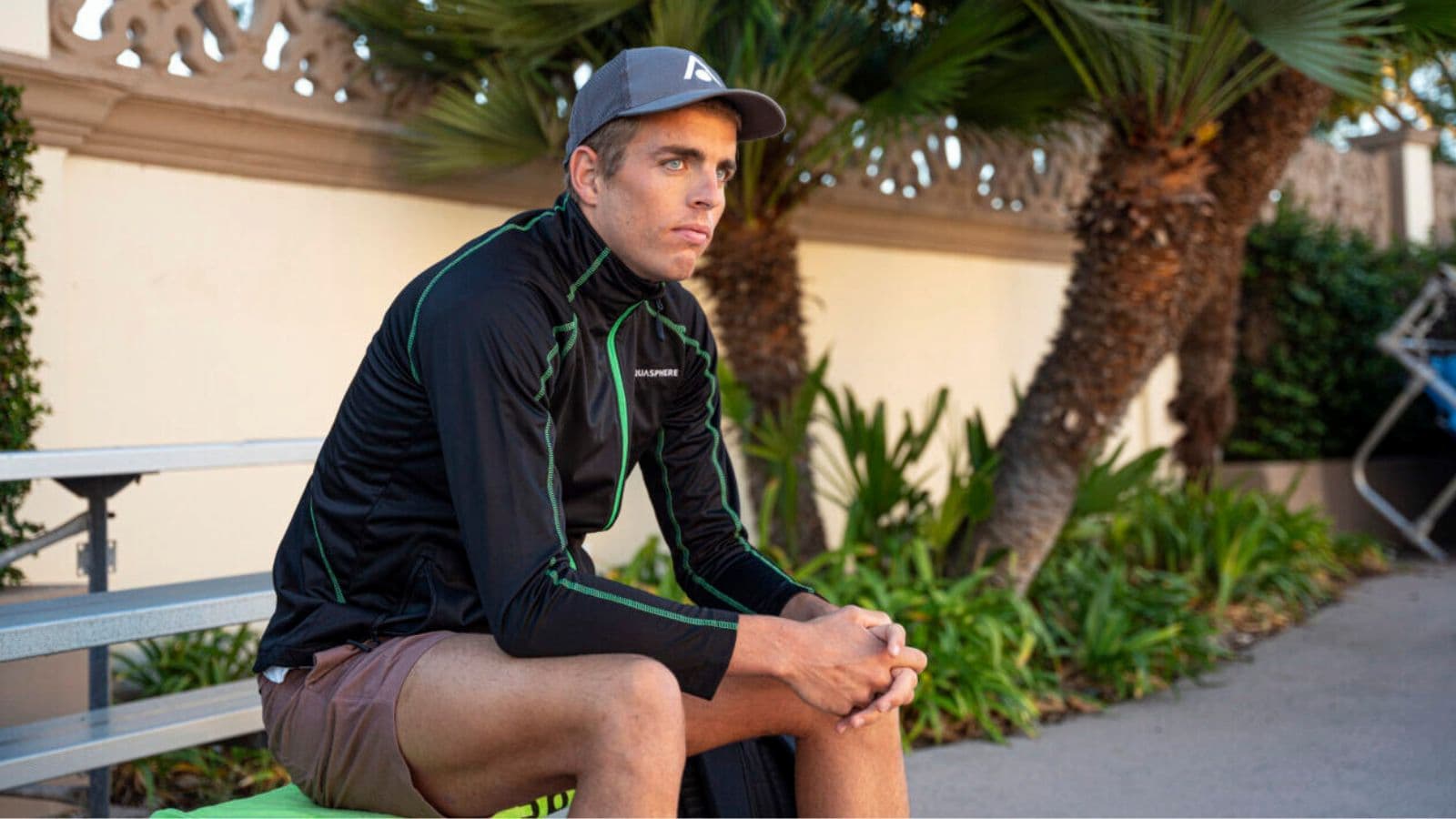


When triathlon training feels stuck, review your recent workouts, recovery habits, training intensity, and overall consistency before making major changes. A training plateau does not always mean you need to train harder. Sometimes, reducing fatigue, improving workout structure, or allowing more time for adaptation can help restore progress. Triathletes often experience periods when swimming times remain unchanged, cycling power stops improving, or running feels harder than expected. These experiences can be frustrating, particularly when training regularly but seeing little improvement. However, endurance development is rarely continuous. Fitness improvements depend on appropriate training stress, adequate recovery, and consistent practice over time. Temporary performance fluctuations are normal.

The most effective response is to identify what may be limiting progress rather than immediately adding more workouts. Understanding the difference between a genuine training plateau and normal fatigue can help triathletes make smarter decisions.
In Short
- Review training before increasing intensity.
- Check whether fatigue is affecting performance.
- Evaluate progress across all three disciplines.
- Avoid repeating identical workouts indefinitely.
- Prioritize sleep, nutrition, and recovery.
- Make small, purposeful training adjustments.
- Set realistic short term goals.
- Allow enough time for improvements to develop.
Recognizing a Triathlon Training Plateau
A training plateau occurs when measurable improvements slow or stop over an extended period despite consistent training. However, a few disappointing workouts do not necessarily indicate a plateau.
Common signs include:
- Swimming pace remaining unchanged.
- Cycling power failing to improve.
- Running speed stagnating.
- Workouts feeling unusually difficult.
- Reduced motivation.
- Difficulty completing familiar sessions.
Before changing your program, compare several weeks of training rather than relying on one performance. Understanding are triathletes relying too much on training data can help athletes avoid judging progress through isolated numbers.
Check Whether Fatigue Is Hiding Your Fitness
Accumulated fatigue can temporarily reduce performance even when training is producing useful adaptations. Triathletes may mistake this tiredness for a lack of improvement. Understanding how can you reduce triathlon fatigue and run stronger can help athletes recognize how fatigue across different disciplines influences performance.
Warning signs include:
- Persistent tiredness.
- Poor sleep.
- Unusually heavy legs.
- Declining workout quality.
- Reduced enthusiasm.
- Difficulty recovering between sessions.
Consider several easier training days when fatigue is clearly elevated.
Persistent or worsening symptoms deserve professional assessment.
Review Your Training Structure
Repeating the same workouts at identical intensities may eventually provide insufficient stimulus for further improvement. However, constantly changing sessions can also make progress difficult to measure. Understanding what small training changes can improve triathlon performance can help athletes identify manageable adjustments.
Possible changes include:
- Adding a specific technique session.
- Adjusting interval duration.
- Improving workout recovery.
- Changing the distribution of easy and hard sessions.
- Reviewing weekly training volume.
Introduce one meaningful change at a time.
Avoid Making Every Workout Hard
A common response to slow progress is increasing workout intensity. Unfortunately, excessive demanding sessions may create fatigue without providing sufficient recovery. Understanding why are slower training sessions important for triathletes can help athletes recognize the value of comfortable endurance training. A balanced program includes easier aerobic sessions alongside appropriately scheduled demanding workouts. More intensity is not automatically better.
Identify Your Weakest Discipline
Triathlon performance depends on swimming, cycling, and running together. Progress may slow because one discipline requires more attention than the others.
For example:
| Discipline | Possible limitation | Practical adjustment |
|---|---|---|
| Swimming | Inefficient technique | Add focused technique practice |
| Cycling | Limited sustained power | Review structured bike workouts |
| Running | Excessive fatigue | Adjust intensity and recovery |
| Overall performance | Poor pacing | Practice race specific effort |
Understanding what matters more in triathlon: fitness or technique can help athletes decide whether physical conditioning or movement efficiency deserves greater attention. Avoid increasing training volume across all three sports simultaneously.
Improve Recovery Before Adding More Training
Training creates the stimulus for improvement, but recovery allows adaptations to develop. Insufficient sleep, inadequate fueling, and excessive workload may limit progress. Understanding what strategies should triathletes follow for a better recovery can help athletes develop more sustainable habits.
Prioritize:
- Consistent sleep.
- Adequate daily energy intake.
- Carbohydrates to support demanding training.
- Sufficient protein.
- Appropriate rest days.
- Reduced training during illness.
Recovery should be planned rather than treated as an afterthought.
Check Your Nutrition and Energy Availability
Triathletes sometimes increase training without increasing food intake sufficiently. Inadequate energy availability can contribute to fatigue, impaired recovery, and declining performance. Understanding how do carbs affect fat burning during endurance training can help athletes recognize the role of carbohydrate availability during exercise. Eat enough to support your total training workload. Persistent fatigue, recurrent illness, unexplained weight changes, or other concerning symptoms warrant assessment by a qualified healthcare professional or sports dietitian.
Rebuild Motivation With Smaller Goals
Training plateaus can affect confidence, particularly when athletes focus exclusively on race times or power numbers. Smaller process goals can restore direction.
Examples include:
- Completing three consistent swim sessions.
- Improving comfort in the aero position.
- Maintaining controlled pacing.
- Following a realistic recovery routine.
- Practicing one technical skill each week.
Understanding what mindset helps triathletes perform at their best can help athletes develop more constructive responses to setbacks. Celebrate progress in consistency, confidence, and execution.
Adjust Training After Missed Workouts
Missing sessions does not automatically mean losing fitness. Trying to replace every missed workout can create excessive fatigue and disrupt the rest of the training week. Understanding how can triathletes stay on track after missing a workout can help athletes return to training without unnecessary pressure. Resume your normal schedule when appropriate rather than doubling sessions to compensate.
Know When to Change Your Training Plan
A training plan should provide structure without becoming inflexible.
Consider adjusting your program when:
- Fatigue remains elevated.
- Workouts repeatedly exceed your current ability.
- Recovery becomes inadequate.
- Personal responsibilities change.
- Your race goals shift.
- Progress remains limited over several weeks.
Understanding how to overcome an early-season setback in triathlon training can help athletes approach temporary interruptions constructively. Small adjustments are often more useful than completely abandoning a training program.
Example of a Plateau Reset Week
A lighter week may help an athlete experiencing accumulated fatigue.
| Day | Training focus |
|---|---|
| Monday | Complete rest |
| Tuesday | Easy swim technique |
| Wednesday | Comfortable bike ride |
| Thursday | Short easy run |
| Friday | Rest or gentle mobility |
| Saturday | Moderate endurance ride |
| Sunday | Comfortable swim or run |
This is an illustrative schedule, not a universal prescription.
Adjust duration and intensity according to experience and recovery needs.
Common Mistakes
- Increasing intensity immediately.
- Ignoring persistent fatigue.
- Comparing progress with other athletes.
- Changing every workout simultaneously.
- Skipping recovery days.
- Underfueling training.
- Expecting improvement every week.
- Abandoning a plan after one poor session.
Practical Tips
- Review several weeks of training.
- Track fatigue alongside performance.
- Identify your main limitation.
- Adjust one training variable at a time.
- Maintain comfortable aerobic sessions.
- Prioritize sleep and nutrition.
- Set achievable process goals.
- Seek coaching guidance when necessary.
Actionable Takeaways
- Identify the cause before changing training.
- Reduce accumulated fatigue.
- Make small, purposeful adjustments.
- Measure progress over several weeks.
- Prioritize consistency and recovery.