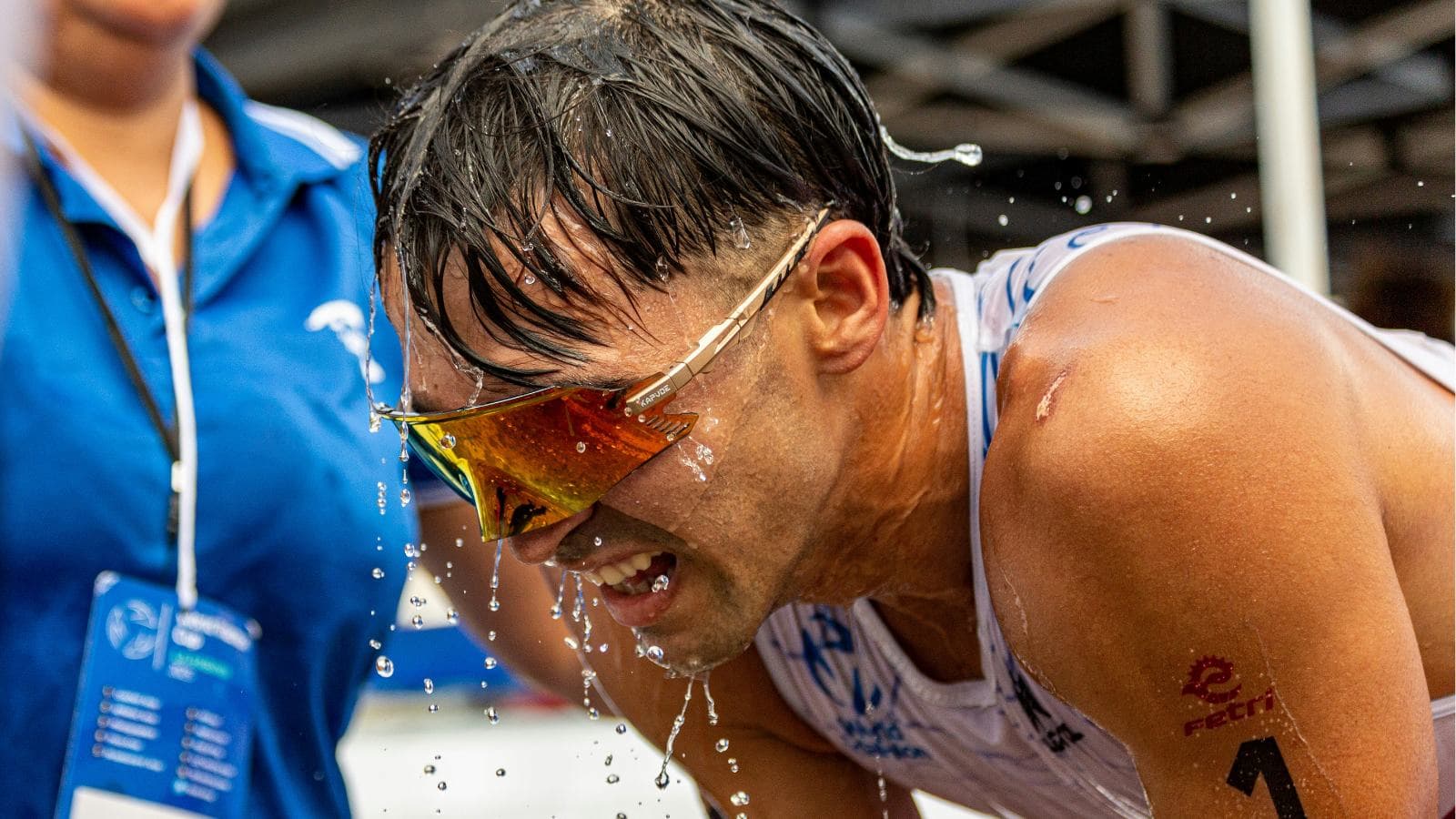


Finishing a triathlon often leaves athletes thinking about one thing first: hydration. After spending hours swimming, cycling, and running, it’s normal to feel thirsty and eager to replace lost fluids. However, many triathletes unknowingly make rehydration mistakes that can delay recovery, impair performance in subsequent training sessions, and even create health risks. Proper post-race hydration is not simply about drinking as much water as possible. Effective rehydration involves restoring:
- Fluid balance
- Electrolytes
- Energy stores
- Recovery processes
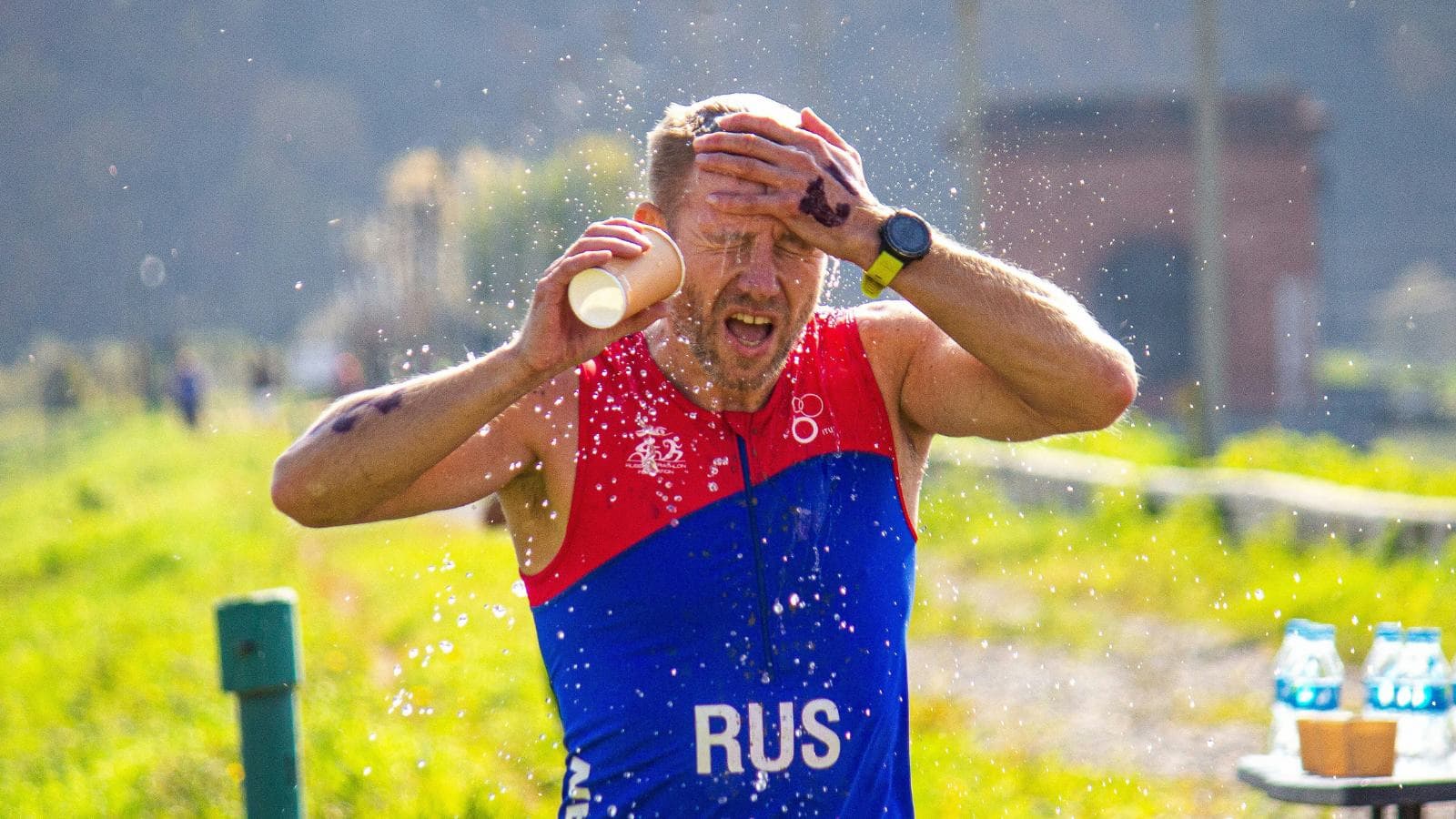
The hours immediately after a race play a major role in determining how quickly the body returns to normal function. The goal is not just replacing sweat losses. The goal is helping the body recover efficiently so training and racing can continue successfully. This becomes especially important after longer events discussed in heat training strategies, where athletes may lose significant amounts of fluid and electrolytes over several hours of racing.
Mistake #1: Drinking Only Water
One of the most common post-triathlon mistakes is consuming large amounts of plain water without replacing electrolytes.
Sweat contains:
- Sodium
- Potassium
- Chloride
- Magnesium
When athletes replace only water, they may dilute electrolyte concentrations further.
This can contribute to:
- Persistent fatigue
- Headaches
- Muscle cramps
- Poor recovery
Athletes who understand how much should you drink per hour on the bike often recognise that electrolyte replacement remains important even after the race has ended.
Effective rehydration involves both fluids and electrolytes.
Mistake #2: Trying to Replace Everything Immediately
Many athletes finish a race and attempt to consume enormous amounts of fluid in a short period.
This approach can cause:
- Stomach discomfort
- Bloating
- Nausea
- Frequent urination
The body absorbs fluids more effectively when intake is spread over several hours. Rather than forcing hydration immediately, aim for a gradual return to normal fluid balance.
Recovery is a process, not a race.
Mistake #3: Ignoring Sodium Replacement
Sodium is the primary electrolyte lost through sweat. Athletes who fail to replace sodium may experience:
- Ongoing thirst
- Poor fluid retention
- Delayed recovery
Sodium helps the body:
- Retain fluids
- Restore balance
- Support muscle function
Athletes improving through how to fuel properly during a triathlon often discover that hydration and sodium intake work together rather than independently.
Rehydration without sodium is often incomplete.
Mistake #4: Forgetting About Food
Many triathletes think hydration only involves beverages. In reality, food contributes significantly to recovery.
Recovery meals often provide:
- Water
- Sodium
- Potassium
- Carbohydrates
Foods such as:
- Fruit
- Soup
- Potatoes
- Rice dishes
- Recovery meals
can support fluid restoration while simultaneously replenishing energy stores. Hydration and nutrition should be viewed as part of the same recovery strategy.
Mistake #5: Not Monitoring Urine Colour
One of the simplest hydration indicators is urine colour.
Dark urine often suggests:
- Dehydration
- Incomplete rehydration
Very clear urine may sometimes indicate excessive fluid intake.
Athletes should aim for:
- Pale yellow urine
- Normal urination frequency
This provides a practical way to assess recovery without becoming obsessed with numbers.
Mistake #6: Ignoring the Weather
Post-race hydration needs vary significantly depending on conditions.
Athletes racing in:
- High heat
- Humidity
- Strong sun
often require more aggressive rehydration than athletes competing in cool temperatures. Those who understand how does water temperature affect triathlon swim performance often appreciate how environmental conditions influence hydration demands throughout the entire race.
The weather continues affecting recovery even after the finish line.
Mistake #7: Underestimating Fluid Losses
Many athletes simply guess how much fluid they lost during the race. In reality, sweat losses can be substantial.
Long-course athletes may lose several litres of fluid depending on:
- Race duration
- Conditions
- Sweat rate
- Intensity
Athletes improving through hydration strategy for triathlon according to weather often become more aware of individual hydration needs and recovery requirements.
Understanding personal sweat patterns can improve post-race recovery considerably.
Mistake #8: Consuming Excess Alcohol Too Soon
Post-race celebrations are common.
However, alcohol immediately after racing may:
- Increase dehydration
- Slow recovery
- Affect sleep quality
- Impair muscle repair
This does not mean athletes can never celebrate. It simply means hydration and recovery should come first. The body is already working hard to restore normal function after a demanding event.
Mistake #9: Neglecting Recovery During Travel
Many triathletes travel home shortly after racing.
This often involves:
- Long car journeys
- Flights
- Airports
- Sitting for extended periods
Travel can complicate hydration because athletes may:
- Forget to drink
- Delay meals
- Ignore recovery needs
Athletes improving through how to beat jet lag before a triathlon race abroad often understand how travel can influence both hydration and recovery.
Recovery should continue well beyond the finish area.
Mistake #10: Focusing Only on the First Hour
The first hour after a race is important, but recovery continues for much longer.
Hydration needs often extend throughout:
- The remainder of race day
- The following morning
- The next recovery period
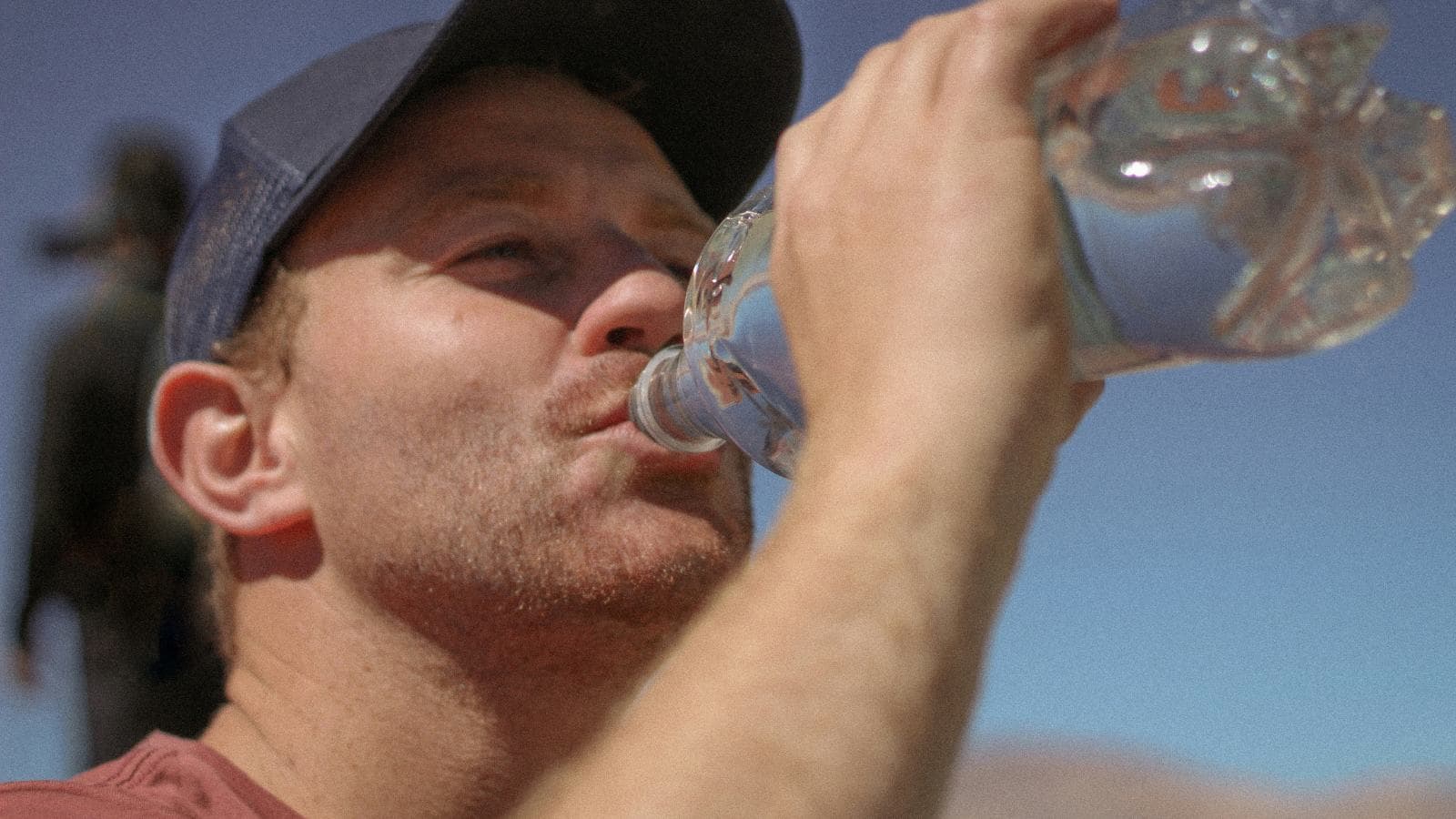
Athletes who stop paying attention after the initial recovery window may remain partially dehydrated longer than expected. Successful recovery is about consistency rather than urgency.
Understand the Link Between Hydration and Muscle Recovery
Hydration supports:
- Nutrient delivery
- Muscle repair
- Circulation
- Temperature regulation
Athletes who remain dehydrated often experience:
- Increased soreness
- Reduced recovery quality
- Prolonged fatigue
Those following strategies to recover faster after a triathlon often discover that hydration is one of the foundations upon which all other recovery strategies depend. Without adequate fluids, many recovery processes become less efficient.
Sleep and Hydration Work Together
Hydration influences sleep quality. Likewise, sleep influences recovery. Athletes who finish races severely dehydrated may experience:
- Restless sleep
- Increased heart rate
- Reduced recovery quality
Those who understand how much sleep do triathletes need to recover often appreciate that hydration and sleep should be treated as complementary recovery tools.
One supports the effectiveness of the other.
Learn Your Individual Sweat Rate
Every triathlete is different. Factors affecting fluid losses include:
- Body size
- Fitness level
- Environment
- Genetics
Some athletes lose considerably more sweat than others. Athletes improving through the recovery nutrition guide after a triathlon often learn the value of understanding their own physiological responses rather than copying another athlete’s strategy.
Personalisation is critical for hydration planning.
Don’t Ignore Signs of Incomplete Rehydration
Common indicators include:
- Persistent thirst
- Headaches
- Fatigue
- Dizziness
- Dark urine
- Elevated heart rate
Recognising these signs early allows athletes to continue supporting recovery before problems worsen. Many athletes mistake incomplete recovery for general post-race fatigue.
Recovery Drinks Are Not Magic
Recovery drinks can be useful. However, they are only one part of the process. Successful rehydration still depends on:
- Overall fluid intake
- Electrolyte replacement
- Proper nutrition
- Sleep
- Time
Athletes should avoid viewing any single product as a complete recovery solution.
Common Rehydration Mistakes After a Triathlon
Many triathletes unintentionally slow recovery through avoidable habits.
Common mistakes include:
- Drinking only water
- Ignoring electrolytes
- Rehydrating too aggressively
- Delaying nutrition
- Consuming alcohol immediately
- Neglecting hydration during travel
- Failing to monitor recovery signs
- Assuming hydration ends after the first hour
Most recovery problems result from a combination of these factors rather than a single mistake.
Practical Ways to Rehydrate Effectively
Triathletes can improve post-race hydration by:
- Replacing electrolytes alongside fluids
- Drinking gradually
- Including sodium-rich foods
- Monitoring urine colour
- Continuing hydration throughout the day
- Prioritising recovery nutrition
- Limiting alcohol initially
- Paying attention to individual sweat losses
The athletes who recover fastest are rarely the athletes who drink the most water. They are usually the athletes who restore fluid balance intelligently while supporting every aspect of recovery.