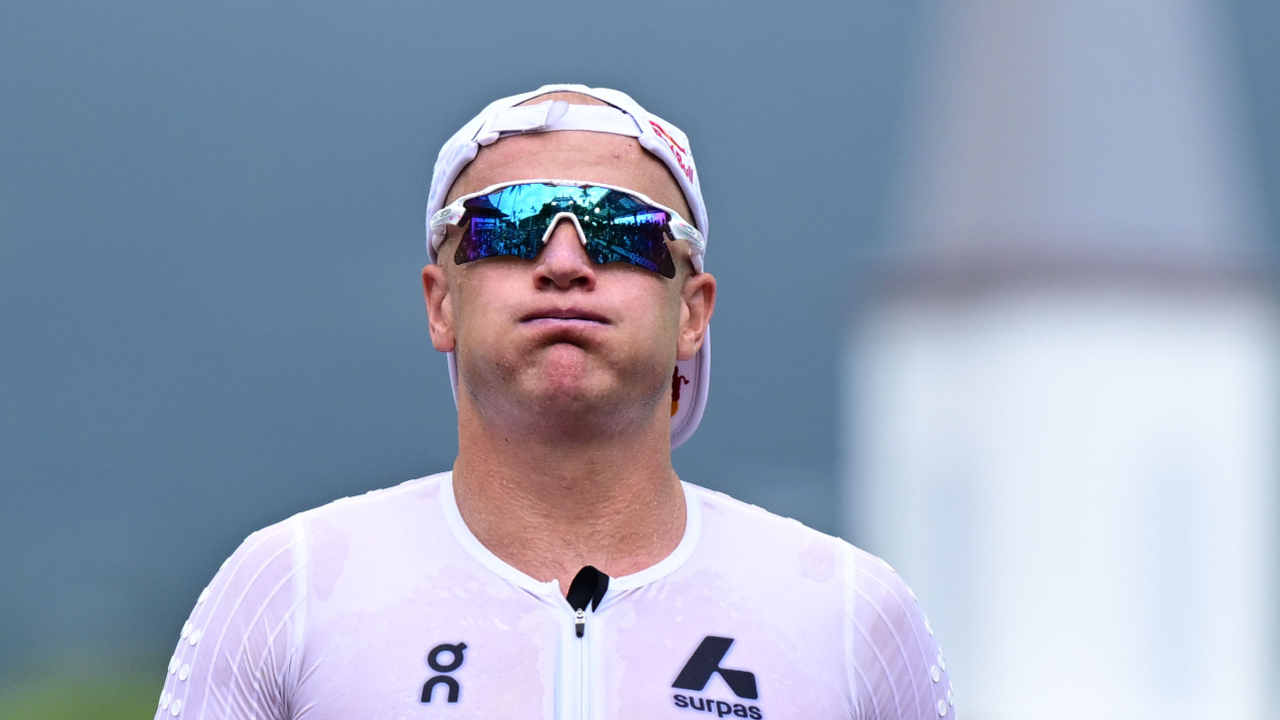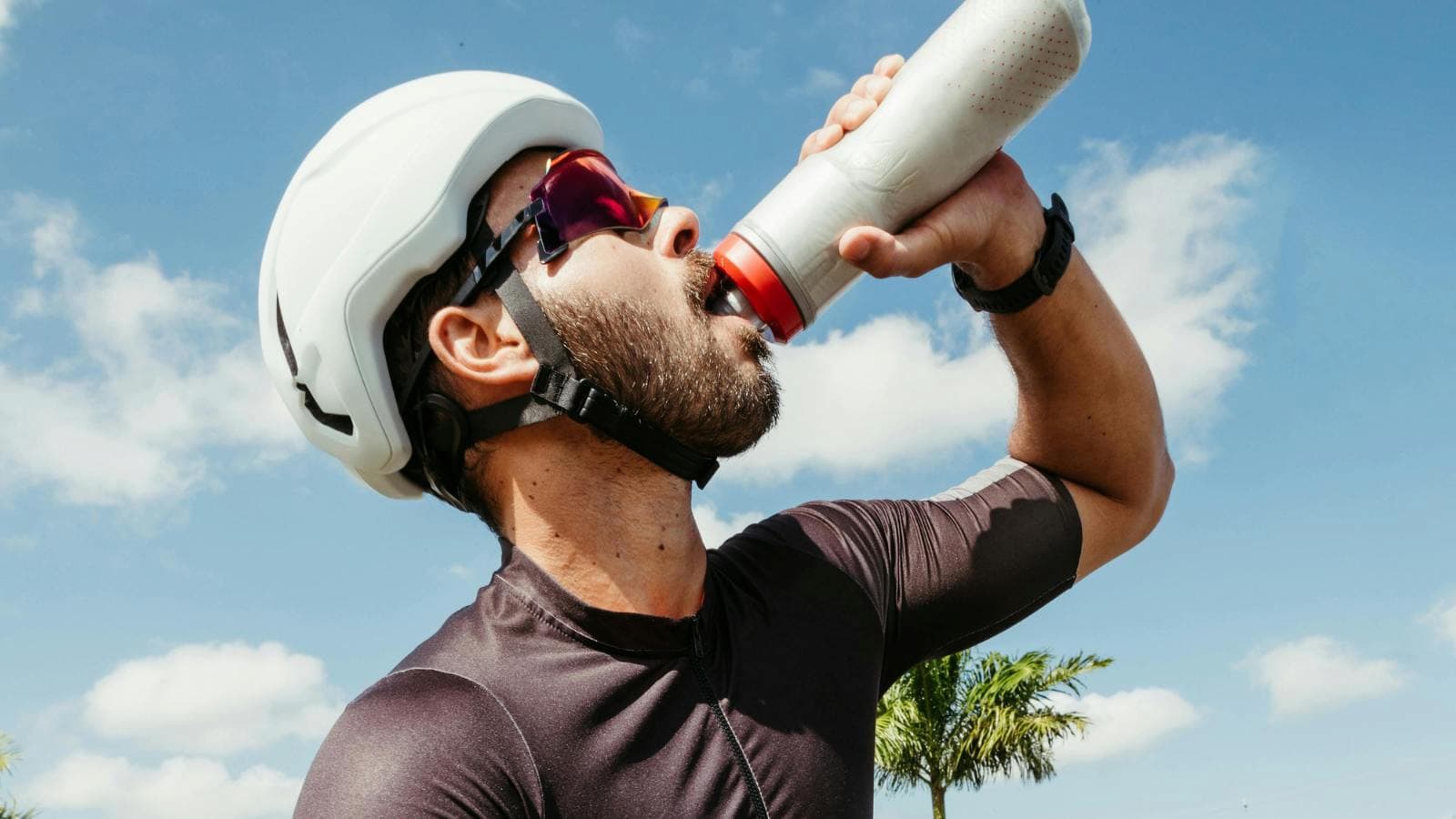


Fueling for an Ironman is one of the biggest challenges athletes face, not just in terms of performance, but also comfort. Gastrointestinal (GI) issues like bloating, cramping, nausea, or stomach distress can derail even the best-prepared race. The key is not simply eating more, it’s building a fueling strategy your body can tolerate under stress.
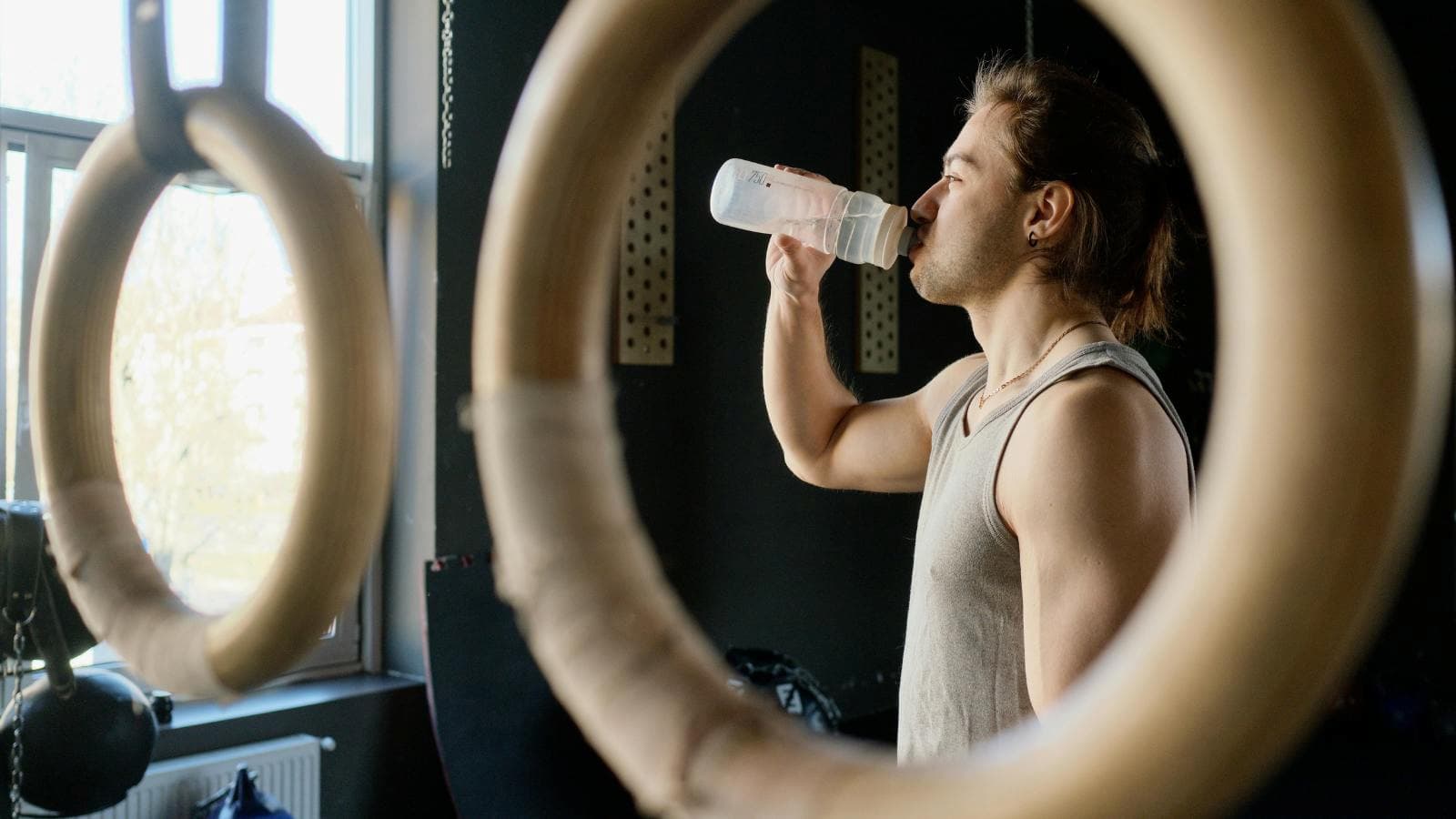
The goal is simple: deliver enough energy to perform without overwhelming your digestive system.
Why GI Issues Happen in Ironman?
GI problems are extremely common in long-distance triathlon. During an Ironman, blood flow is prioritised to working muscles, reducing digestion efficiency.
At the same time, you are:
- Exercising for hours
- Consuming high amounts of carbohydrates
- Dealing with heat and dehydration
This combination makes the gut more sensitive.
Understanding this is the first step to solving the problem, not all issues are about “bad nutrition,” but about how your body handles it under stress.
Start With a Simple Fueling Plan
Avoid Overcomplicating Nutrition
- One of the biggest mistakes is using too many products.
- Mixing gels, drinks, bars, and unfamiliar foods increases the risk of GI distress.
- Keep your fueling strategy simple and consistent.
- Choose a few products you trust and stick with them.
This structured approach is similar to fueling for an ironman triathlon, where consistency plays a major role in performance.
Train Your Gut Like You Train Your Body
What Is Gut Training?
- Your digestive system can adapt to higher carbohydrate intake over time.
- This is called “gut training.”
Practice During Long Sessions
- Use your long rides and runs to test your nutrition.
- Gradually increase carbohydrate intake to build tolerance.
- This is essential for Ironman, where intake can reach 60 to 90g of carbs per hour.
Practicing this during training, just like in pacing and fueling the bike leg in a triathlon, helps your body adapt before race day.
Choose the Right Type of Carbohydrates
Use Easily Digestible Fuel
Simple carbohydrates are easier to absorb during exercise.
These include:
- Energy gels
- Sports drinks
- Chews
Avoid high-fibre or high-fat foods during the race. These slow digestion and increase the risk of discomfort.
Stick to What You Know
- Never try new foods on race day.
- Your gut needs familiarity to function well under stress.
Manage Fluid Intake Carefully
Avoid Overhydration and Dehydration
- Both extremes can cause GI issues.
- Too much fluid dilutes sodium levels, while too little slows digestion.
Drink to Support Fueling
- Fluids help transport carbohydrates.
- Without enough hydration, even good nutrition can fail.
Balancing hydration, similar to principles in what to eat during a triathlon (fueling strategy), is essential for maintaining comfort and performance.
Control Your Race Intensity
Effort Affects Digestion
- Higher intensity reduces blood flow to the gut.
- This makes digestion more difficult.
Start Conservatively
- Going too hard early in the race is a major cause of GI distress.
- A controlled pace allows your body to process fuel effectively.
This is why pacing strategies, like in the most important bike workouts for a 70.3 triathlon, are closely linked to fueling success.
Time Your Fueling Properly
Eat Early and Consistently
- Don’t wait until you feel hungry.
- Start fueling within the first 20 to 30 minutes.
Use Small, Regular Intake
- Taking in smaller amounts frequently is easier to digest.
- Large, infrequent intakes increase the risk of stomach issues.
- Consistency is key to maintaining stable energy and avoiding overload.
Adjust for Race Conditions
Heat Increases GI Risk
- Hot conditions reduce digestion efficiency.
- They also increase dehydration risk.
Modify Your Strategy
In hotter conditions:
- Increase fluid intake slightly
- Reduce concentration of carbs if needed
- Monitor how your body feels
Being adaptable ensures your plan works under different conditions.
Practice Your Race-Day Strategy Exactly
Simulate Race Conditions
- Your training should reflect race-day fueling as closely as possible.
- Use the same products, timing, and intake levels.
Refine What Works
- Track what feels good and what doesn’t.
- Make small adjustments over time.
This process is similar to structured preparation in training for open water swimming in 8 weeks, where repetition builds confidence and control.
Avoid Common GI Triggers
High Fibre Foods
These can cause bloating and discomfort during long efforts.
Excessive Sugar Concentration
Too many carbs without enough fluid can overwhelm digestion.
Unfamiliar Products
Trying something new on race day is one of the biggest mistakes.
Poor Pacing
- Going too hard too early disrupts digestion significantly.
- Avoiding these triggers reduces the likelihood of issues.

Listen to Your Body During the Race
Recognise Early Signs
Signs like bloating or discomfort should not be ignored.
Adjust Immediately
- Slow down slightly or reduce intake temporarily.
- Small adjustments can prevent bigger problems.
- Being aware of your body’s signals is key to managing issues effectively.
Common Mistakes That Cause GI Issues
- Taking in too many carbs too quickly
- Not drinking enough fluids
- Trying new products on race day
- Overpacing early in the race
- Ignoring gut training during preparation
- Avoiding these mistakes makes a huge difference.
Practical Checklist
- Use a simple, consistent fueling plan
- Train your gut during long sessions
- Aim for 60–90g carbs per hour (if trained)
- Balance carbs with hydration
- Start fueling early and consistently
- Adjust for heat and race conditions
What You Should Do?
- Start by developing a fueling strategy during training, not race week.
- Keep your nutrition simple and repeatable.
- Focus on building tolerance gradually rather than forcing high intake.
- Control your pacing to support digestion.
- Stay consistent with both fueling and hydration.
Following structured guidance, like in how to choose a free triathlon training plan for sprint olympic and ironman, helps integrate nutrition into your overall race strategy. Long-term success also comes from understanding recovery and adaptation, as seen in off-season training for triathletes, where building a strong foundation supports performance. Fueling for an Ironman without GI issues is not about perfection, it’s about preparation, consistency, and listening to your body.