
Training indoors for a winter triathlon can be highly effective when structured properly. Indoor training allows triathletes to maintain consistency during cold weather, reduce missed sessions, and control pacing more precisely without dealing with snow, ice, darkness, or unpredictable conditions.
An effective 8-week winter triathlon plan should focus on:
- Aerobic endurance
- Structured intensity
- Recovery management
- Strength training
- Race-specific preparation
- Indoor efficiency
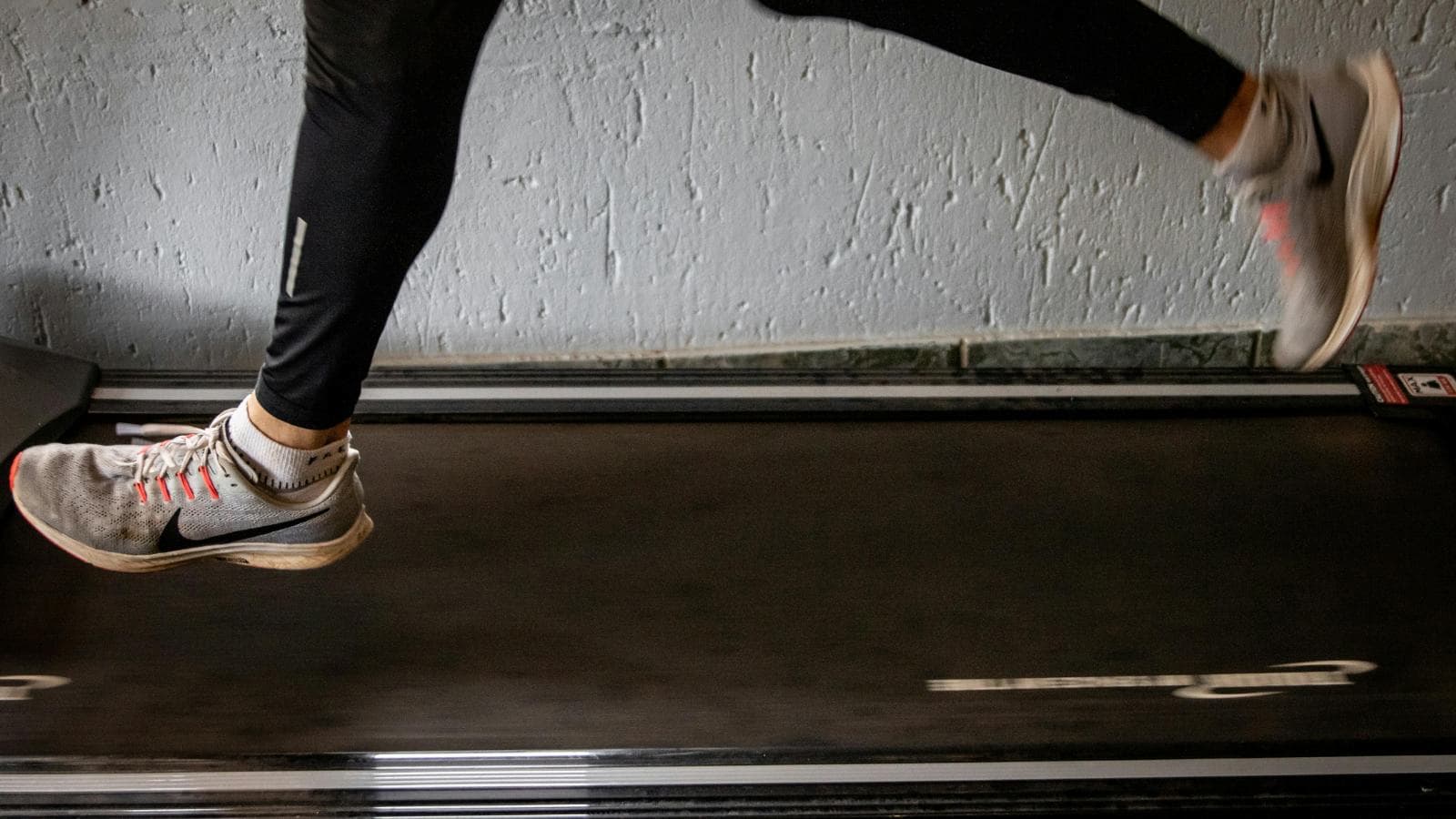
Indoor training is not simply about replacing outdoor sessions with trainer rides and treadmill runs. It requires balancing physical stress carefully because indoor sessions often feel mentally harder and physiologically more intense due to reduced airflow and repetitive movement. The goal is arriving at race day fit, durable, and mentally prepared without accumulating excessive fatigue.
This becomes especially important when preparing for shorter winter-focused formats discussed in training for a winter triathlon where race demands differ from traditional triathlon events.
Week 1 and 2 Should Build Structure First
The opening phase should focus on consistency rather than intensity.
The first two weeks should establish:
- Training routine
- Indoor equipment setup
- Aerobic conditioning
- Recovery rhythm
Many triathletes start winter training too aggressively because indoor sessions feel shorter and controlled.
However, indoor fatigue accumulates quickly due to:
- Reduced cooling
- Limited movement variation
- Mental monotony
- Higher sustained effort
Aerobic sessions should dominate the opening phase to build endurance safely.
Indoor Cycling Should Focus on Controlled Aerobic Work
Indoor trainer sessions are one of the most effective ways to improve cycling fitness during winter.
Useful indoor cycling sessions include:
- Zone 2 endurance rides
- Cadence drills
- Tempo intervals
- Sweet spot efforts
Long steady aerobic riding improves:
- Fat metabolism
- Cardiovascular efficiency
- Pedalling consistency
- Muscular endurance
This is where understanding how to structure triathlon race strategy becomes highly valuable because controlled aerobic riding builds endurance without excessive recovery cost.
Treadmill Running Helps Maintain Consistency
Winter weather often disrupts outdoor running frequency.
Treadmills help triathletes:
- Maintain consistent mileage
- Control pacing
- Reduce weather-related interruptions
- Monitor intensity accurately
Useful treadmill sessions include:
- Easy aerobic runs
- Incline walking
- Tempo intervals
- Progression runs
Incline settings can also simulate outdoor resistance slightly while improving muscular recruitment. However, treadmill running should still feel controlled rather than constantly aggressive.
Indoor Swimming Should Prioritise Technique
Swimming indoors during winter provides a good opportunity to improve:
- Stroke efficiency
- Breathing control
- Pacing awareness
- Pull mechanics
Winter swim sessions work well when structured around:
- Technique drills
- Aerobic intervals
- Controlled pacing
- Consistent frequency
Many triathletes improve more during winter because pool consistency becomes easier without open-water distractions. Athletes focusing on swim mechanics often benefit from sessions discussed in improving every swim stroke effortlessly.
Strength Training Is Essential During Winter
Winter training is an excellent time to improve strength and durability.
Strength training helps:
- Reduce injury risk
- Improve posture
- Increase stability
- Enhance force production
- Improve fatigue resistance
Important areas include:
- Glutes
- Core
- Hamstrings
- Calves
- Hip stabilisers
Indoor-focused winter blocks often allow more consistent gym work because travel and outdoor riding time decrease. This becomes increasingly valuable during preparation explained in reduced injury risk with increase in triathlon volume.
Indoor Sessions Often Feel Harder Than Outdoor Training
Many athletes underestimate indoor training stress.
Indoor riding and running commonly produce:
- Higher sweat rates
- Elevated heart rate
- Greater mental fatigue
- Reduced cooling efficiency
Using strong fan airflow is extremely important during indoor sessions because overheating increases fatigue rapidly. Hydration also becomes more important indoors because sweat loss often exceeds outdoor conditions.
Recovery Needs Attention During Indoor Blocks
Indoor training allows highly consistent training volume, but consistency can also create accumulated fatigue quickly.
Important recovery priorities include:
- Sleep quality
- Easy recovery days
- Nutrition
- Hydration
- Mobility work
Many triathletes make the mistake of treating every indoor session like a race effort. Easy sessions must still remain easy enough to support adaptation and recovery.
Weeks 3 to 5 Should Increase Specificity
Once consistency is established, training can become slightly more race-focused.
This phase may include:
- Longer trainer rides
- Brick workouts
- Threshold intervals
- Progressive runs
- Structured swim sets
The goal is improving:
- Aerobic durability
- Sustainable pacing
- Fatigue resistance
- Indoor tolerance
Brick sessions become especially useful because they help athletes adapt to transitioning from cycling fatigue into running rhythm. Athletes practising brick workouts every triathlete should try often improve race-specific endurance significantly.
Brick Workouts Matter Indoors Too
Indoor brick workouts can be extremely effective because transitions happen quickly.
Examples include:
- 60-minute trainer ride + 20-minute treadmill run
- Tempo bike intervals followed by easy run
- Aerobic endurance ride followed by progression run
These sessions improve:
- Neuromuscular adaptation
- Transition pacing
- Running mechanics under fatigue
- Mental resilience
Brick sessions should feel controlled rather than destructive.
Nutrition Practice Should Start Early
Indoor training is a good opportunity to practise:
- Hydration timing
- Carbohydrate intake
- Electrolyte replacement
- Race fueling strategy
Many triathletes neglect nutrition during indoor sessions because they are training at home. However, race fueling should be rehearsed repeatedly before competition.
This becomes increasingly important during preparation like how to fuel properly for triathlon according to weather.
Weeks 6 and 7 Should Include Race-Specific Sessions
The final heavy phase should include:
- Race-pace efforts
- Controlled threshold sessions
- Longer endurance bricks
- Sustained aerobic work
The goal is building confidence at realistic race intensity without creating excessive exhaustion. Sessions should remain specific but manageable.
Indoor training allows highly precise pacing, which becomes useful for race simulation.
Week 8 Should Taper Training Load
The final week should reduce:
- Training volume
- Overall fatigue
- Session duration
while maintaining:
- Movement quality
- Sharpness
- Confidence
The taper allows:
- Recovery
- Glycogen restoration
- Nervous system freshness
- Muscular repair
Many athletes make the mistake of adding extra hard sessions during the taper because reduced workload creates nervous energy. This is where understanding how to use lactate threshold for smarter training becomes especially important.
Mobility Helps Reduce Indoor Training Stiffness
Indoor sessions create repetitive movement patterns with limited variation.
This often increases stiffness in:
- Hip flexors
- Lower back
- Calves
- Thoracic spine
Useful mobility work includes:
- Dynamic stretching
- Hip mobility drills
- Thoracic rotation
- Glute activation
Short mobility sessions improve recovery and help maintain movement quality during heavy indoor blocks.
Mental Consistency Matters During Winter
Indoor winter training can become mentally repetitive.
Useful strategies include:
- Structured workouts
- Training playlists
- Virtual riding platforms
- Session variety
- Small performance goals
Mental consistency often determines whether athletes maintain winter training momentum successfully.
Common Indoor Winter Training Mistakes
Many triathletes reduce progress through avoidable habits.
Common mistakes include:
- Training too hard indoors
- Ignoring hydration
- Skipping strength work
- Neglecting recovery
- Poor fan cooling
- Excessive treadmill intensity
- Lack of session structure
Indoor training works best when controlled and sustainable.
Practical 8-Week Indoor Winter Triathlon Tips
Triathletes can improve winter preparation by:
- Building aerobic consistency first
- Using structured trainer sessions
- Running aerobically on treadmills
- Practising brick workouts
- Strength training consistently
- Prioritising recovery
- Improving swim technique
- Tapering properly before racing
The best winter training blocks balance consistency, recovery, and race-specific preparation carefully.