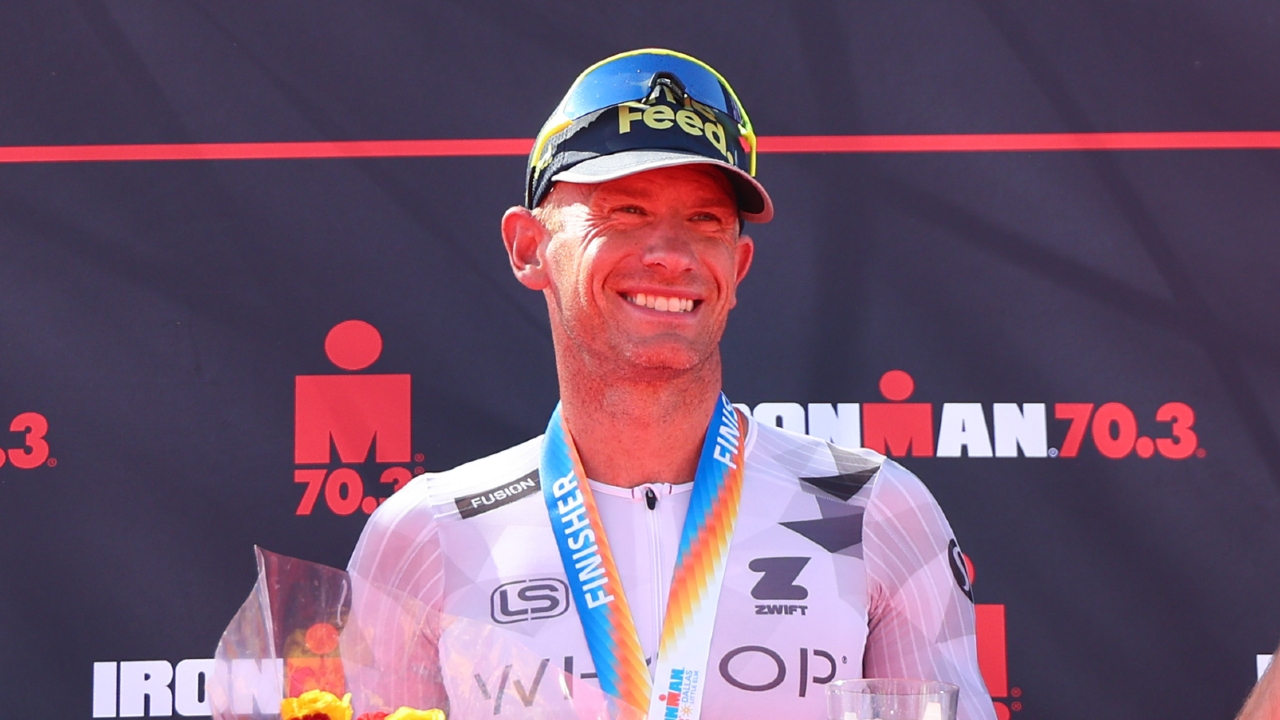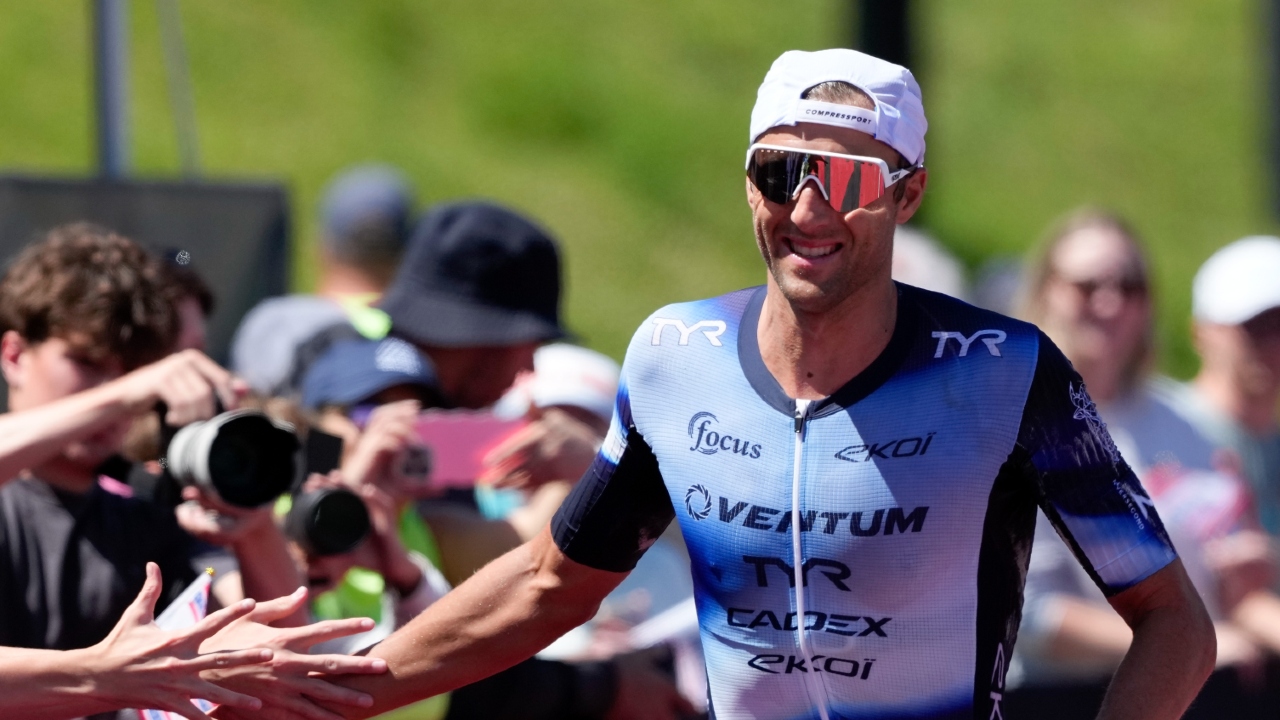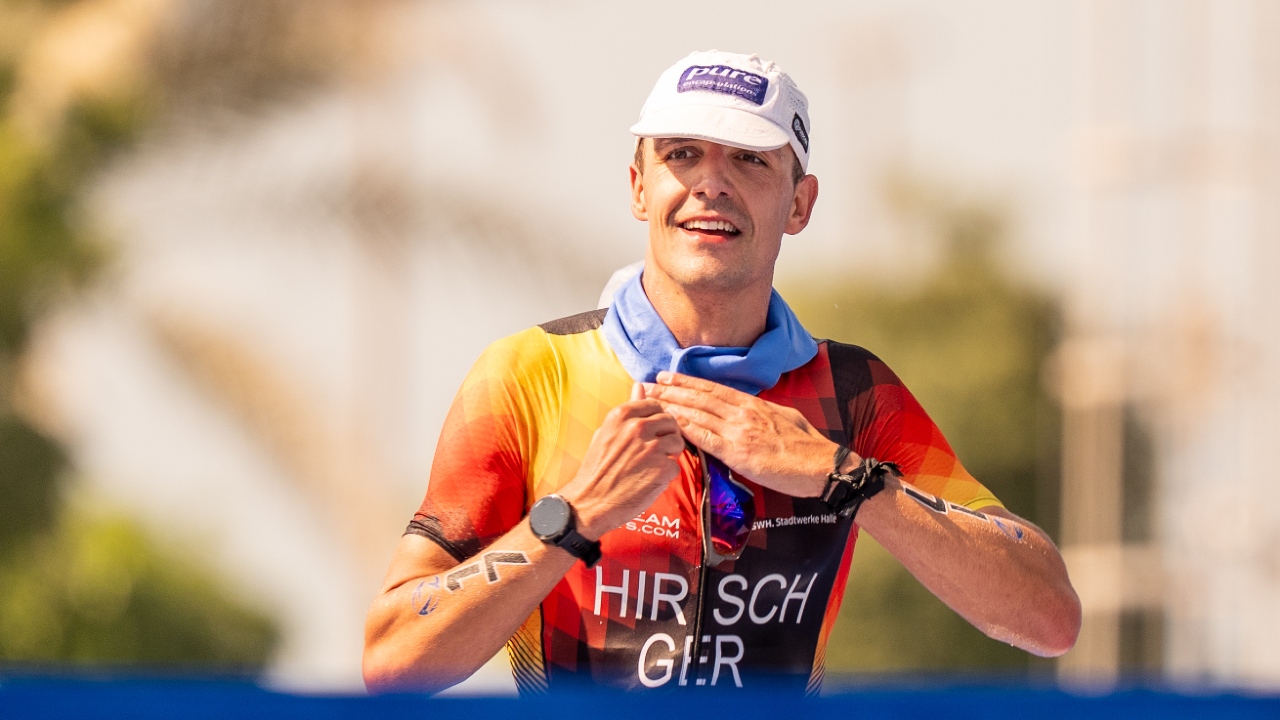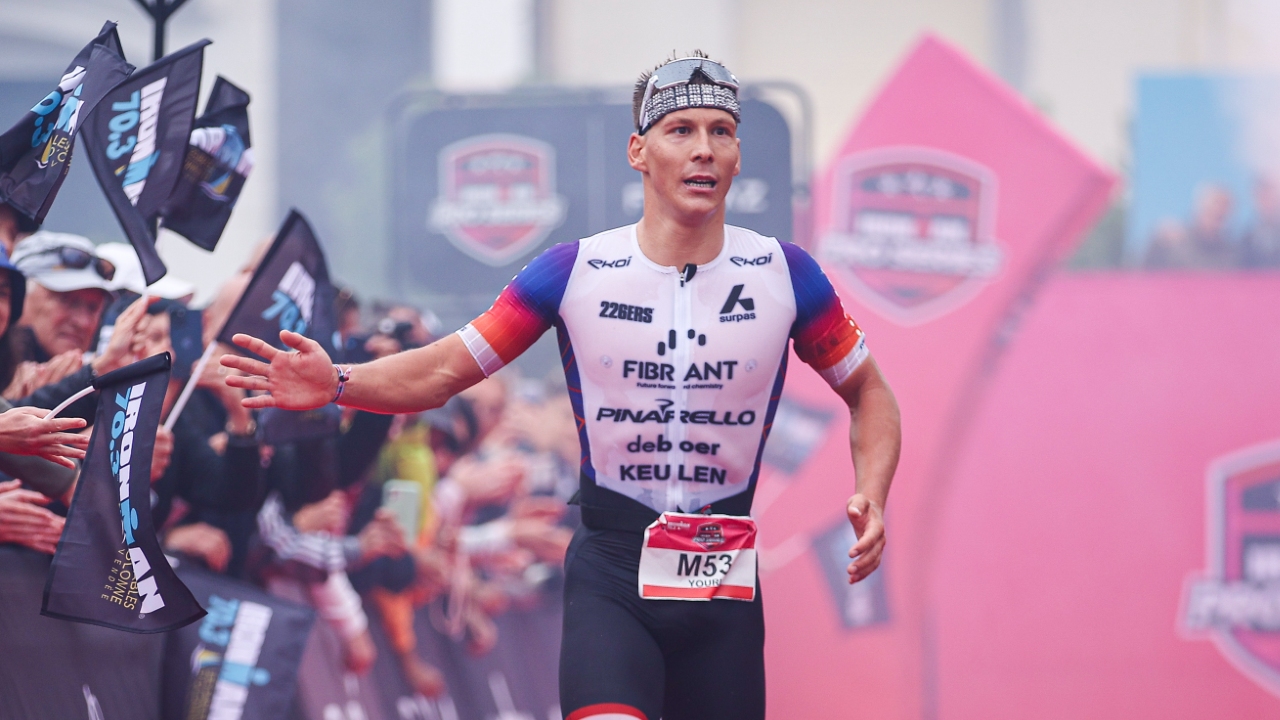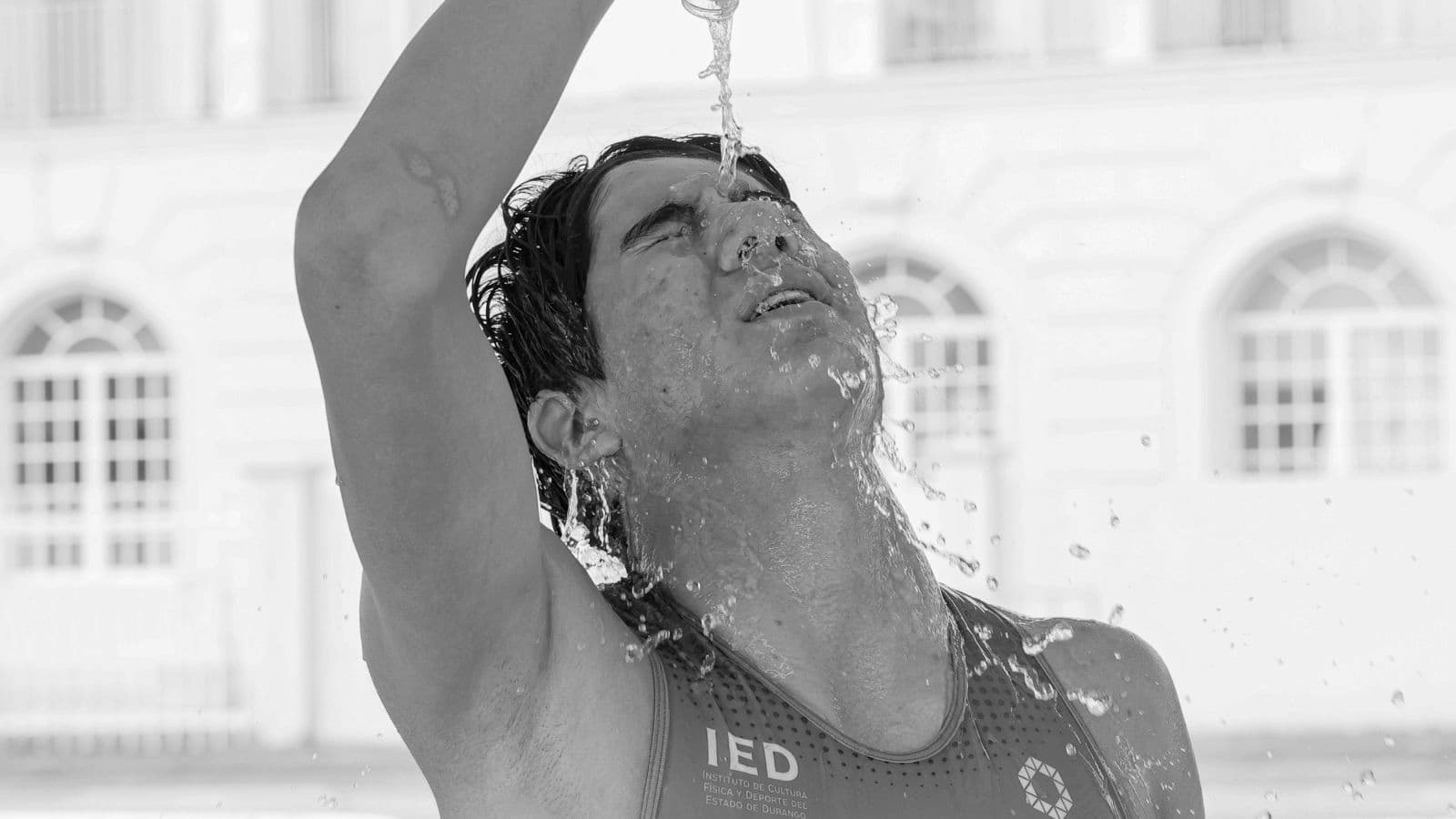


Underfueling during the day can harm triathlon performance by reducing energy availability, increasing fatigue, and compromising recovery. Triathletes need sufficient nutrition throughout the day to support the combined demands of swimming, cycling, and running. Underfueling does not always mean eating too few calories overall. Long gaps between meals and insufficient nutrition around workouts can create temporary energy deficits, even when total daily calorie intake appears adequate. Repeated periods of insufficient energy intake may affect training quality, hormonal function, immune health, and muscular recovery. These effects can occur in both male and female athletes. Distributing meals and snacks around training sessions helps maintain energy availability and supports consistent performance. Athletes should consider when they eat as well as how much they eat.
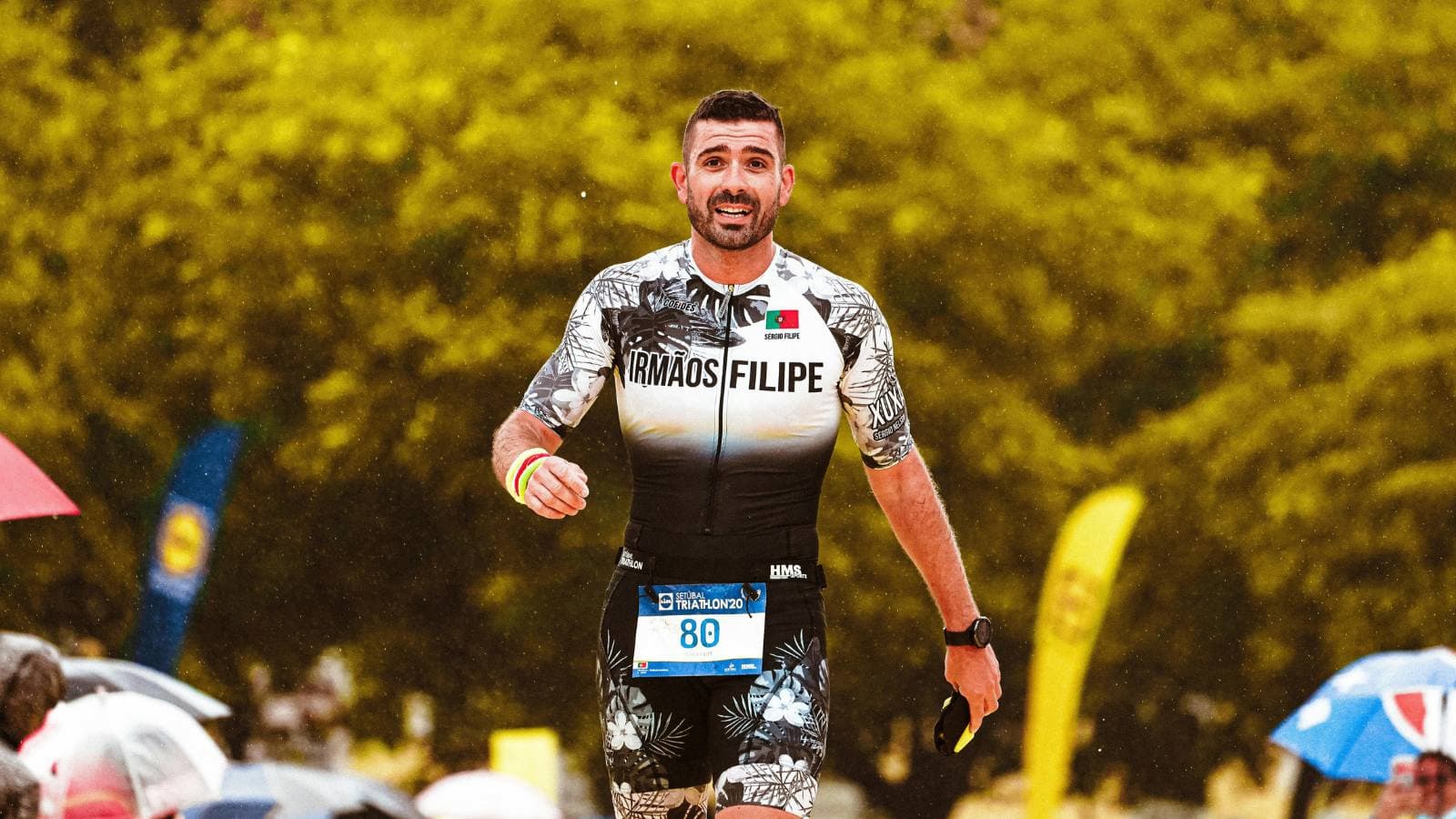
In Short
- Underfueling can reduce endurance and training quality.
- Meeting daily calorie requirements does not guarantee optimal fueling throughout the day.
- Long gaps between meals may contribute to energy deficits.
- Insufficient carbohydrate intake can increase fatigue.
- Persistent underfueling can affect hormonal and bone health.
- Regular meals and snacks support training and recovery.
Understand Energy Deficits Throughout the Day
A within-day energy deficit occurs when energy expenditure exceeds energy intake over a particular period.
Triathletes may experience this when they:
- Complete morning workouts without adequate nutrition.
- Delay eating after training.
- Skip meals because of work commitments.
- Complete multiple workouts without refueling.
- Eat most of their daily calories in the evening.
Learning how to combine swim, bike and run training effectively can help athletes organize their training schedule around opportunities to eat and recover. Temporary energy deficits are normal, but repeated or prolonged deficits may become problematic.
Reduced Endurance and Training Quality
Carbohydrates provide an important energy source during endurance exercise, particularly at higher intensities.
Insufficient carbohydrate intake can contribute to:
- Reduced cycling power.
- Slower running pace.
- Increased perceived effort.
- Difficulty completing intervals.
- Poor concentration during training.
Athletes exploring how to pace and fuel the bike leg in a triathlon should also consider their nutritional intake before starting the session.
Adequate fueling helps athletes maintain their intended training intensity rather than struggling through workouts with depleted energy reserves.
Slower Muscle Recovery
The body requires energy, carbohydrates, and protein to recover from exercise. Delaying nutrition after demanding workouts can make it harder to restore glycogen stores, particularly when another session is scheduled later that day. Understanding how can you train for a triathlon without neglecting recovery helps athletes recognize the importance of nutrition alongside rest.
After training, prioritize:
- Carbohydrates to replenish energy stores.
- Protein to support muscle repair.
- Fluids to replace sweat losses.
- A balanced meal or substantial snack.
Increased Risk of Low Energy Availability
Persistent underfueling can contribute to low energy availability, which occurs when insufficient energy remains to support normal physiological functions after exercise. Prolonged or severe low energy availability can contribute to Relative Energy Deficiency in Sport (REDs).
Potential consequences include:
- Reduced bone strength.
- Hormonal disturbances.
- Menstrual irregularities.
- Increased susceptibility to illness.
- Impaired recovery.
- Declining athletic performance.
Athletes learning how to reduce injury risk when increasing triathlon volume should consider whether their nutritional intake increases alongside training demands. REDs can affect athletes of any gender or body size.
Recognize the Signs of Underfueling
Underfueling is not always accompanied by noticeable hunger or weight loss.
Common warning signs include:
- Persistent fatigue.
- Frequent illness.
- Unexplained performance decline.
- Difficulty concentrating.
- Poor recovery between workouts.
- Recurrent injuries.
- Menstrual changes or reduced libido.
Understanding how to prevent burnout while training for an ironman can help athletes recognize when declining performance requires changes to training and nutrition. Persistent symptoms should be assessed by a healthcare professional or sports dietitian.
Distribute Energy Intake Throughout the Day
Eating regularly helps reduce prolonged periods of insufficient energy intake.
An example fueling schedule for a triathlete completing two daily workouts includes:
| Time | Fueling strategy |
|---|---|
| Before morning training | Carbohydrate rich snack |
| After morning training | Balanced breakfast |
| Midmorning | Nutritious snack |
| Afternoon | Balanced lunch |
| Before evening training | Carbohydrate rich snack |
| After evening training | Recovery meal |
| Evening | Additional snack if needed |
When planning how to build a weekly triathlon plan, include sufficient time for meals and snacks between workouts. Adjust portion sizes according to training duration, intensity, and individual energy requirements.
Fuel Before and During Training
Starting demanding sessions with insufficient energy can compromise workout quality. For longer endurance sessions, consuming carbohydrates during exercise can help maintain performance. Athletes reviewing what is zone 2 training in triathlon should remember that comfortable aerobic sessions still require adequate overall nutrition.
General carbohydrate guidelines include:
- Under 60 minutes: additional carbohydrates are often unnecessary if adequately fueled beforehand.
- One to two and a half hours: approximately 30 to 60 grams per hour.
- Beyond two and a half hours: up to 90 grams per hour when practiced and tolerated.
Adjust Nutrition to Training Demands
Energy requirements vary between rest days, easy sessions, and demanding training days. Athletes applying how should triathletes balance easy and hard training should adjust their nutritional intake accordingly. Increase carbohydrate intake around longer or harder workouts while maintaining adequate daily protein, dietary fats, and micronutrients. Recovery days also require sufficient energy to support adaptation.
Build Sustainable Fueling Habits
Consistent nutrition is more effective than repeatedly compensating for missed meals later in the day. Exploring what small training changes can improve triathlon performance can help athletes incorporate practical nutritional habits into their routines. Prepare portable snacks, schedule meals around workouts, and avoid relying solely on hunger to determine when to eat.
Common Mistakes
- Regularly skipping breakfast.
- Delaying meals after training.
- Restricting carbohydrates unnecessarily.
- Ignoring persistent fatigue.
- Underestimating daily energy requirements.
- Relying on large evening meals to compensate.
Practical Tips
- Eat regular meals and snacks.
- Fuel before demanding workouts.
- Carry portable carbohydrate sources.
- Refuel between training sessions.
- Increase food intake as training volume rises.
- Seek professional advice for persistent symptoms.
Actionable Takeaways
- Match energy intake to training demands.
- Avoid prolonged gaps between meals.
- Prioritize nutrition around workouts.
- Recognize early signs of underfueling.