
Triathlon performance depends heavily on how effectively the body manages energy. During swimming, cycling, and running, athletes rely on carbohydrates as a primary fuel source, particularly during higher-intensity efforts. In recent years, glucose monitoring has become increasingly popular among endurance athletes. Continuous glucose monitors (CGMs), once primarily used for diabetes management, are now being used by some triathletes to better understand how nutrition affects:
- Training performance
- Recovery
- Energy levels
- Fueling strategies
- Race-day execution
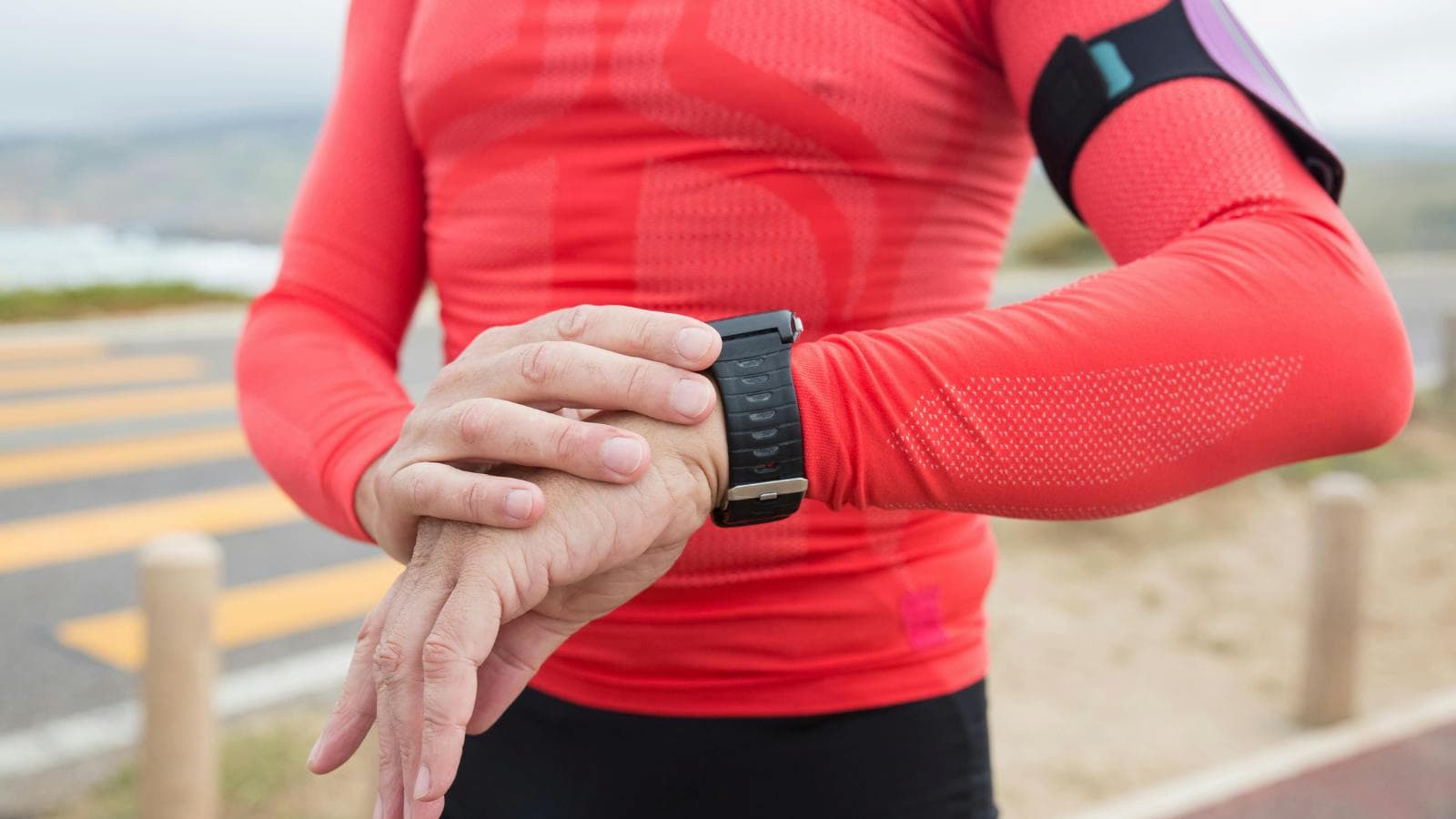
While glucose monitoring is not essential for successful triathlon performance, it can provide valuable insights into how the body responds to different foods, training loads, and recovery habits. The goal is not chasing perfect glucose numbers. The goal is understanding how nutrition influences performance and making smarter decisions based on individual responses. This becomes particularly important during longer events discussed in ironman vs 70.3 vs olympic triathlon, where energy management can significantly influence overall race outcomes.
What Is Glucose Monitoring?
Glucose monitoring tracks the amount of glucose circulating in the bloodstream throughout the day.
Continuous glucose monitors typically provide:
- Real-time glucose readings
- Trend data
- Daily glucose patterns
- Responses to meals
- Responses to exercise
For triathletes, this information can reveal how different nutritional choices affect:
- Energy availability
- Workout quality
- Recovery efficiency
Rather than relying entirely on guesswork, athletes can see how their body responds to specific behaviors.
Understanding Energy Availability
One of the biggest benefits of glucose monitoring is improved awareness of energy availability.
Triathlon training often includes:
- Early morning sessions
- Double workout days
- Long endurance rides
- High-volume training weeks
Without adequate fueling, athletes may experience:
- Low energy
- Poor recovery
- Reduced performance
- Increased fatigue
Athletes improving through how to fuel properly during a triathlon often discover that energy management becomes just as important as fitness development itself. Glucose data may help identify periods where fueling is insufficient to support training demands.
Glucose Monitoring and Training Performance
During exercise, glucose serves as a major fuel source.
When glucose availability becomes limited, athletes may notice:
- Reduced power output
- Lower running pace
- Mental fatigue
- Increased perceived effort
Monitoring glucose trends can help athletes understand:
- How pre-workout meals affect performance
- Which fueling strategies work best
- When energy levels begin declining
This information can support better workout execution over time.
Supporting Long Bike Sessions
Long rides are often where fueling mistakes become most apparent.
Cyclists frequently underestimate:
- Carbohydrate requirements
- Fluid needs
- Energy expenditure
Athletes who understand carb loading in a triathlon often pair hydration strategies with more effective carbohydrate intake. Glucose monitoring may help identify whether fueling plans are supporting stable energy availability throughout longer sessions.
Improving Recovery Nutrition
Recovery begins immediately after training.
The body needs:
- Carbohydrates
- Protein
- Fluids
- Electrolytes
to restore energy reserves and repair damaged tissue. Glucose monitoring can help athletes evaluate how effectively post-workout meals replenish energy stores. Athletes improving through how to recover faster after a triathlon often recognise that recovery nutrition plays a major role in long-term performance development.
Preventing Underfueling
Many endurance athletes unintentionally underfuel.
This is especially common during:
- Weight-loss phases
- High-volume training blocks
- Busy work periods
Chronic underfueling may contribute to:
- Fatigue
- Poor adaptation
- Reduced recovery
- Increased injury risk
Glucose monitoring may reveal patterns that suggest insufficient energy intake throughout the day. For some athletes, this awareness becomes more valuable than any single performance metric.
Understanding Individual Responses
One athlete may respond very differently to a meal than another. Foods that create stable energy levels for one person may produce different responses in someone else.
Glucose monitoring allows athletes to observe:
- Individual variability
- Meal timing effects
- Fueling responses
- Daily energy patterns
This personalised information can help refine nutritional strategies.
Race-Day Fueling Insights
Race nutrition is often one of the biggest challenges in triathlon.
Athletes must balance:
- Carbohydrate intake
- Hydration
- Gastrointestinal comfort
- Energy availability
Athletes improving through what to eat after a hard workout often realise that pacing and fueling work together. Glucose monitoring may help athletes practise race-day nutrition during training and better understand how their body responds to:
- Gels
- Sports drinks
- Energy bars
- Liquid carbohydrates
Glucose Stability and Recovery
Large fluctuations in glucose are not always problematic.
However, consistent nutritional habits often support:
- Better recovery
- More stable energy
- Improved workout quality
Athletes who regularly train at high volumes benefit from maintaining consistent fueling patterns throughout the week rather than focusing only on key sessions.
Sleep and Glucose Regulation
Sleep affects nearly every aspect of recovery.
Poor sleep may influence:
- Hormonal balance
- Appetite regulation
- Glucose management
- Recovery quality
Athletes improving through how much sleep does triathletes need to recover often notice improvements in both recovery and daily energy management. Glucose monitoring can sometimes highlight the relationship between sleep quality and energy regulation.
Avoid Becoming Obsessed With Data
One potential downside of glucose monitoring is excessive focus on numbers.
Athletes may become overly concerned about:
- Minor fluctuations
- Individual readings
- Daily variability
The purpose of glucose monitoring is learning. It should support decision-making rather than create additional stress. Training quality, recovery, and overall wellbeing remain more important than chasing perfect glucose graphs.
Glucose Monitoring Does Not Replace Fundamentals
Even the best glucose data cannot compensate for:
- Poor sleep
- Inadequate training
- Poor hydration
- Inconsistent nutrition
The fundamentals still matter most. Athletes improving through how to become an efficient triathlete often focus on consistent habits first and use data as a supporting tool rather than a primary solution.
Supporting High-Volume Training Blocks
As training volume increases, carbohydrate demands increase as well.
Athletes preparing for:
- 70.3 races
- Ironman events
- Long-course training camps
often require significantly more fuel than they realise. Athletes improving through aerobic endurance workouts frequently discover that endurance development depends heavily on maintaining adequate energy availability throughout demanding training periods.
Glucose monitoring may provide additional insight into how well fueling strategies support those demands.
Mental Performance Matters Too
Glucose influences more than physical performance.
Stable energy availability may support:
- Focus
- Decision-making
- Motivation
- Mental resilience
During long races and challenging training blocks, maintaining cognitive performance can be just as important as maintaining physical performance.
Athletes improving through mental strategies that can improve triathlon performance often appreciate the connection between energy availability and mental sharpness.
Not Every Triathlete Needs a CGM
While glucose monitoring can provide useful information, it is not necessary for successful triathlon performance.
Many elite athletes have achieved exceptional results through:
- Structured training
- Good nutrition
- Effective recovery
- Consistent habits
without using glucose monitoring technology.
The value of a CGM depends on:
- Individual goals
- Curiosity
- Training demands
- Nutritional challenges
For some athletes it offers valuable insights. For others, traditional nutrition practices may already provide everything needed.
Common Mistakes When Using Glucose Monitoring
Many athletes misunderstand the purpose of glucose data.
Common mistakes include:
- Obsessing over individual readings
- Ignoring overall nutrition quality
- Making drastic dietary changes
- Comparing data with other athletes
- Treating glucose as the only performance metric
- Ignoring recovery fundamentals
The most useful approach is viewing glucose data as one piece of a larger performance puzzle.
Practical Ways Glucose Monitoring Can Help Triathletes
Triathletes may use glucose monitoring to:
- Evaluate fueling strategies
- Improve recovery nutrition
- Identify underfueling
- Support long rides and runs
- Optimise race-day nutrition
- Understand individual food responses
- Improve energy management
- Support high-volume training
When used appropriately, glucose monitoring can provide valuable insights into how nutrition affects both training and recovery throughout a triathlon season.