

Cycling time trials can improve triathlon performance by teaching athletes to maintain a consistent effort, manage power output, and ride efficiently against the clock. These skills are particularly useful in non drafting triathlons, where cyclists must control their own pace. Unlike traditional road races, individual time trials focus on completing a set distance as efficiently as possible. Riders must balance speed, aerodynamics, and endurance without relying on a group for shelter. For triathletes, this type of training closely resembles the demands of the bike leg. However, riding fast is only part of the challenge because athletes must still have enough energy to run after cycling. Including occasional time trials in a training plan can help athletes understand their capabilities, improve race preparation, and identify weaknesses. The key is using these efforts strategically rather than treating every training ride as a maximum effort test.
In Short
- Time trials develop sustained cycling effort.
- They improve pacing awareness.
- Aerodynamic positioning becomes more important.
- Riders learn to manage power output.
- Time trials help assess cycling fitness.
- Controlled efforts support race preparation.
- Excessive intensity can affect recovery.
- Triathletes must preserve energy for running.
Understanding Cycling Time Trials
A cycling time trial is an event or training session where riders complete a specified distance or course against the clock. Unlike mass start road racing, individual time trials generally involve riders starting separately.
Performance depends on several factors:
- Sustainable power output.
- Aerodynamic efficiency.
- Pacing.
- Course conditions.
- Equipment setup.
- Mental concentration.
Understanding what is ftp in triathlon cycling can help athletes recognize how cycling power relates to sustained performance. Time trials provide a useful opportunity to practice riding independently at a controlled intensity.
Improve Pacing During the Bike Leg
One of the biggest benefits of time trial training is learning how to distribute effort. Starting too aggressively may produce a fast opening section but increase fatigue later.
Effective pacing involves:
- Beginning at a sustainable intensity.
- Avoiding unnecessary power spikes.
- Adjusting effort on climbs.
- Maintaining concentration.
- Finishing without excessive slowing.
Understanding how to pace and fuel the bike leg in a triathlon can help athletes develop realistic race strategies. For triathlon, the best bike effort is not necessarily the fastest effort possible in isolation.
Develop Sustained Cycling Power
Time trials require riders to maintain relatively high power for a continuous period. This makes them useful for developing awareness of sustained cycling intensity.
Potential training benefits include:
- Improved pacing discipline.
- Greater tolerance for sustained effort.
- Better power management.
- Increased confidence during demanding bike sessions.
Understanding how to improve lactate threshold for triathlon cycling can help athletes develop the ability to sustain harder efforts. However, time trials alone do not replace a balanced cycling program containing easy endurance rides and structured workouts.
Improve Aerodynamic Efficiency
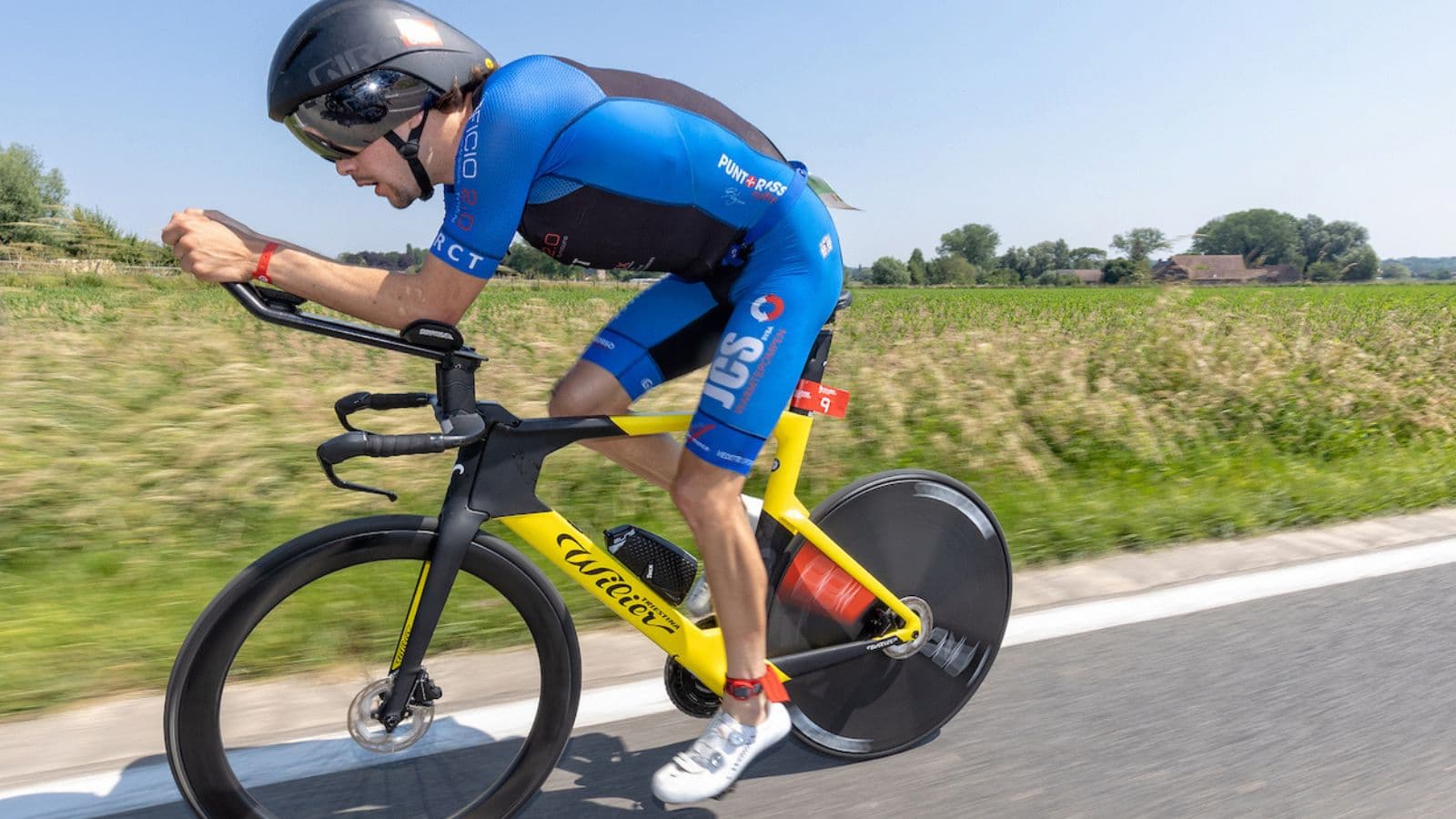
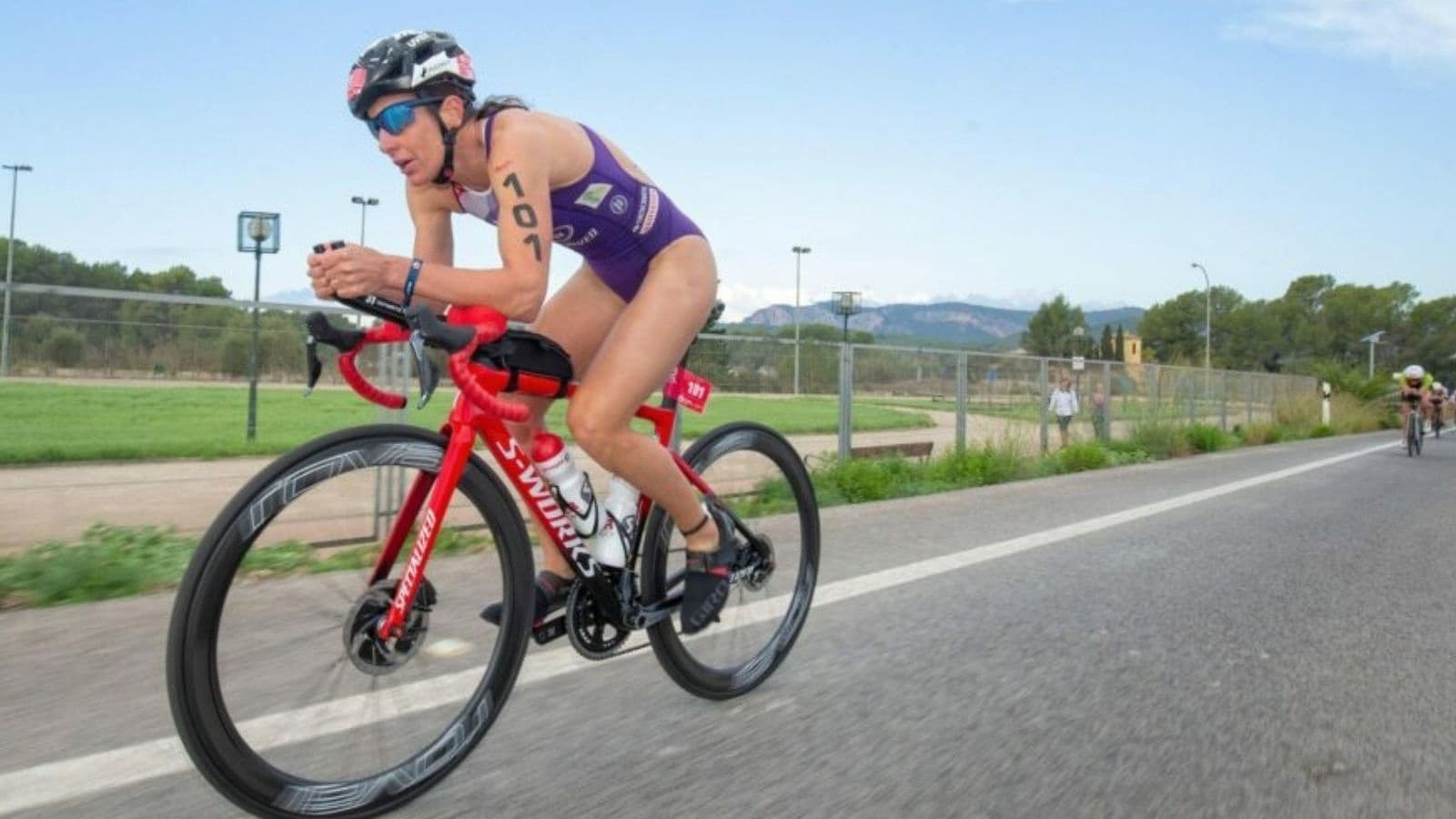
Aerodynamics plays an important role in cycling performance, particularly at higher speeds. Time trials encourage riders to maintain a position that reduces air resistance while allowing effective power production.
Useful areas to assess include:
- Torso position.
- Head placement.
- Elbow positioning.
- Saddle comfort.
- Ability to maintain the position.
- Breathing comfort.
An aerodynamic position is only useful if the athlete can sustain it safely. Excessive discomfort or restricted movement may reduce overall performance.
Understand Your Cycling Fitness
Repeated time trials can help athletes monitor progress. Using a similar course and comparable conditions allows riders to assess changes in performance.
Useful measurements include:
- Completion time.
- Average power.
- Heart rate.
- Perceived effort.
- Pacing consistency.
- Ability to maintain position.
Understanding how can heart rate zones improve triathlon cycling speed and fitness can help athletes interpret cardiovascular responses alongside power data. Wind, temperature, traffic, and course conditions can affect results, so avoid judging progress from finishing time alone.
Practice Riding Without Drafting
Many triathlon formats require athletes to maintain specified distances from other competitors. Time trials provide an opportunity to practice riding independently.
This helps athletes develop:
- Confidence maintaining their own pace.
- Consistent effort without group assistance.
- Better concentration.
- Independent pacing decisions.
- Awareness of wind resistance.
Understanding how to ride in headwinds and crosswinds on a bike can help triathletes manage changing conditions.
Always follow the drafting rules that apply to your specific event.
Prepare for Running After Cycling
Triathlon performance depends on how well athletes manage the transition from cycling to running. An all out time trial may produce an impressive bike result but leave the legs excessively fatigued. Triathletes should learn to finish cycling with enough energy for the run.
Useful strategies include:
- Practicing controlled bike efforts.
- Avoiding repeated hard accelerations.
- Maintaining suitable cadence.
- Fueling appropriately.
- Completing occasional short transition runs.
Understanding how to avoid dead legs after the bike can help athletes prepare for the physical demands of transitioning between disciplines. The goal is to improve overall triathlon performance rather than cycling speed alone.
Choose the Right Time Trial Distance
Different time trial durations develop different skills.
| Time trial duration | Main training purpose |
|---|---|
| 10–15 minutes | Short sustained effort and pacing |
| 20 minutes | Hard sustained effort and fitness assessment |
| 30–40 minutes | Longer pacing practice |
| 60 minutes | Sustained endurance and concentration |
These durations are examples rather than compulsory workouts. Beginners should start with shorter controlled efforts before attempting demanding time trials. Understanding which cycling workouts help you ride faster in an ironman can help long distance triathletes select sessions appropriate for their racing goals.
Include Time Trials in Training
Time trials should complement regular cycling workouts rather than dominate the training schedule.
A practical approach includes:
- Starting with one controlled effort.
- Selecting a safe course.
- Warming up thoroughly.
- Maintaining consistent pacing.
- Recording useful performance information.
- Allowing adequate recovery afterward.
Some athletes may use a time trial every few weeks to monitor progress. Others may benefit from less frequent testing, particularly during demanding training blocks. Understanding how to build a weekly triathlon plan can help athletes balance cycling intensity with swimming, running, and recovery.
Avoid Excessive Time Trial Training
Repeated maximum effort sessions can increase fatigue and interfere with other training.
Possible warning signs include:
- Declining workout quality.
- Persistent muscle soreness.
- Poor sleep.
- Reduced motivation.
- Difficulty completing easy sessions.
- Unusual fatigue during running.
Understanding how to prevent burnout while training for an ironman can help athletes recognize why recovery matters during demanding training periods. Time trials should provide useful training information without creating unnecessary exhaustion.
Common Mistakes
- Starting too fast.
- Ignoring aerodynamic comfort.
- Riding every time trial at maximum effort.
- Comparing results across different conditions.
- Neglecting nutrition.
- Ignoring recovery.
- Forgetting the run after cycling.
Practical Tips
- Choose a safe, consistent course.
- Warm up before hard efforts.
- Practice steady pacing.
- Monitor power or perceived effort.
- Maintain a comfortable aerodynamic position.
- Record training results.
- Allow recovery between demanding sessions.
- Keep overall triathlon performance in mind.
Actionable Takeaways
- Use time trials to practice pacing.
- Improve sustained cycling effort.
- Develop comfortable aerodynamic positioning.
- Monitor fitness under comparable conditions.
- Save enough energy for the run.