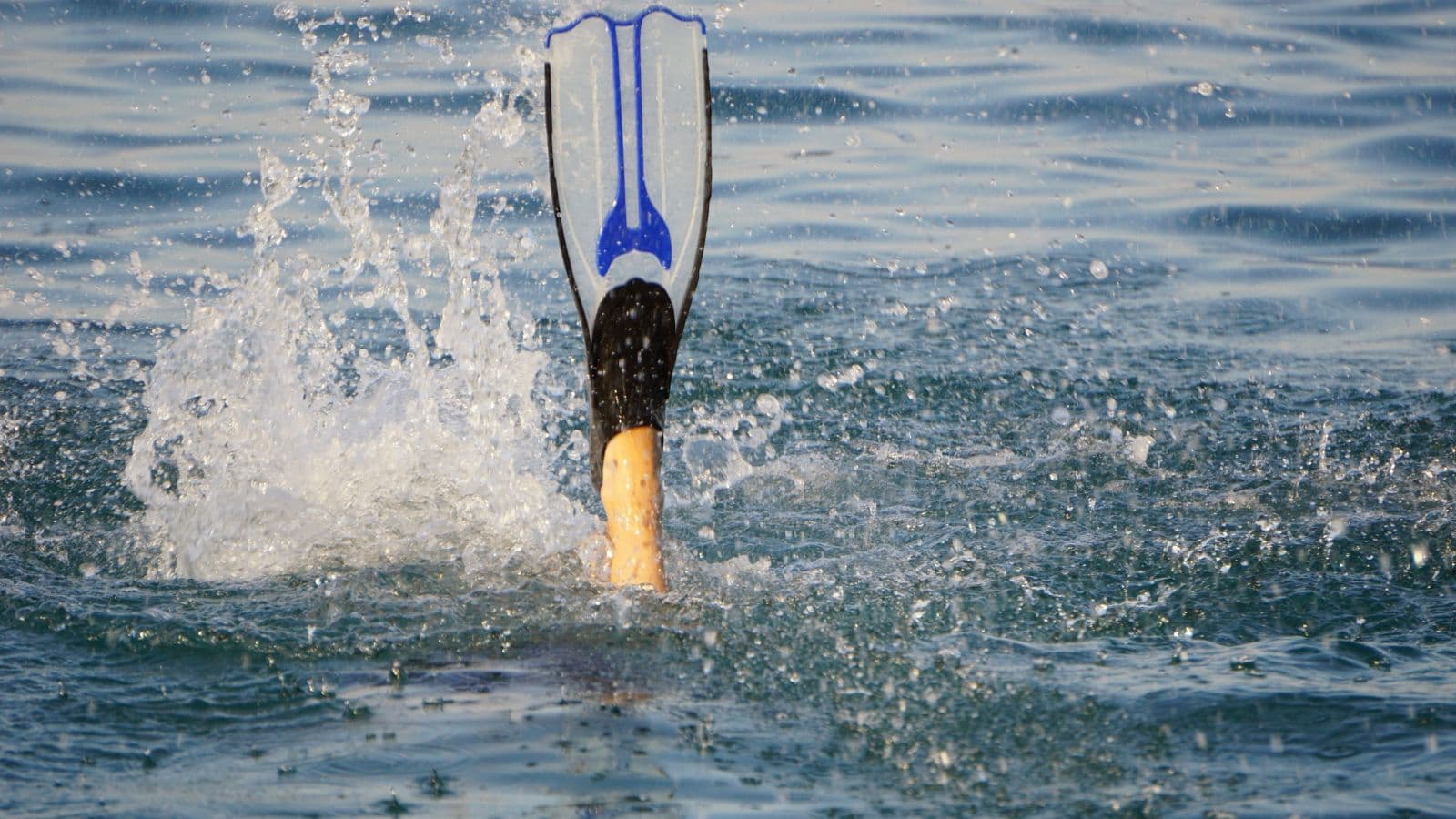


Triathletes should use swim fins during training as a technique tool rather than a replacement for regular swimming. Fins can improve body position, increase propulsion, and help swimmers focus on specific movements without struggling to maintain speed. Swim fins are particularly useful for beginners who have difficulty keeping their legs near the surface. They can also help experienced swimmers practice drills, improve ankle flexibility, and develop better coordination. However, swimming with fins feels different from swimming without them. Excessive use can create dependence on additional propulsion and hide weaknesses in technique. The best approach is to include short, purposeful fin sets alongside regular freestyle swimming. This allows triathletes to benefit from fins while developing the skills needed for open water racing.
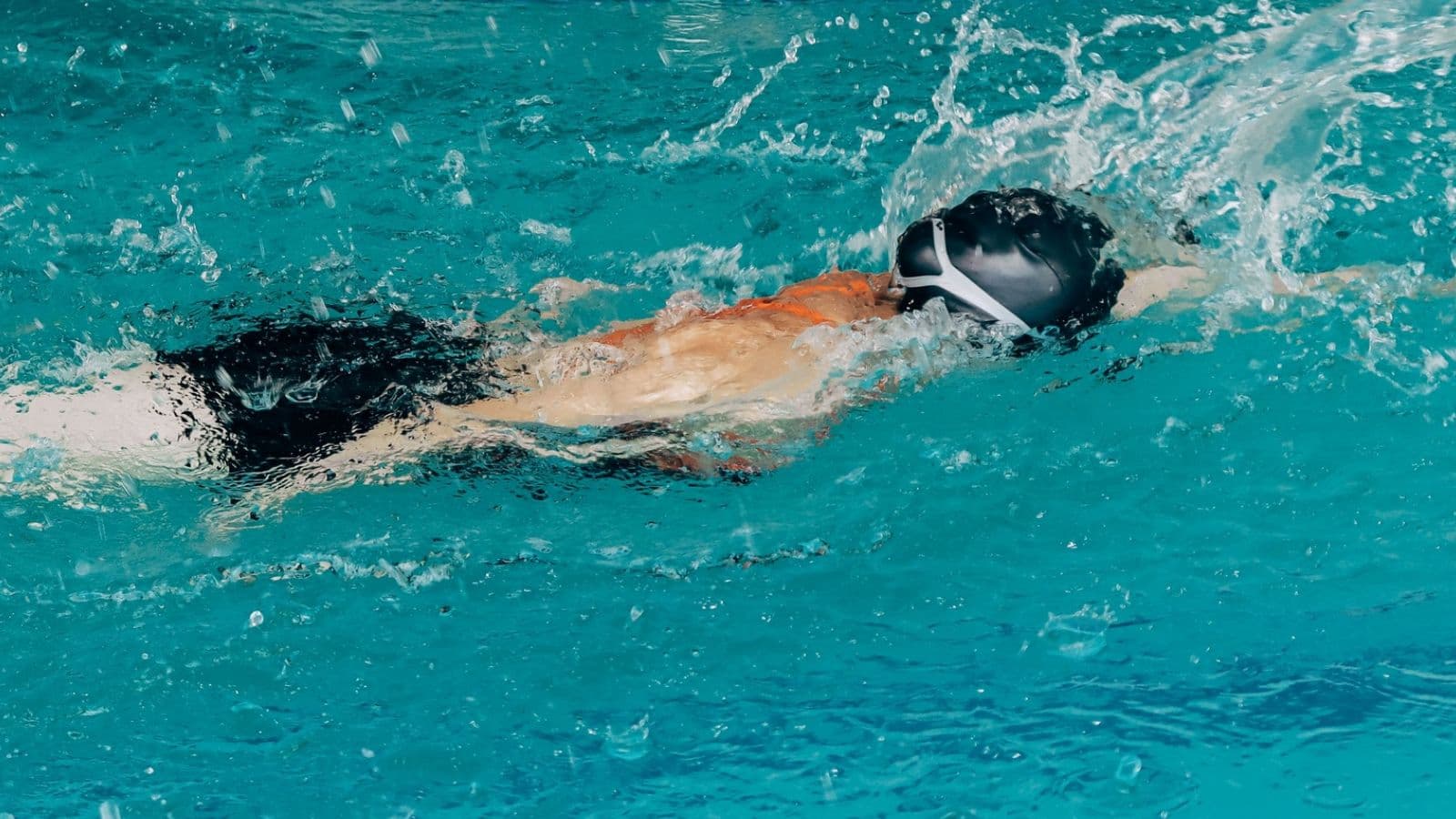
In Short
- Swim fins can improve body position and kicking awareness.
- Short fins are generally suitable for freestyle training.
- Fins make technique drills easier to perform.
- They can help swimmers practice ankle movement.
- Excessive use can hide technical weaknesses.
- Most swim training should still be completed without fins.
- Beginners should introduce fins gradually.
Benefits of Swim Fins for Triathletes
Swim fins increase the surface area of the feet, creating additional propulsion with each kick. This allows swimmers to move faster while concentrating on technique.
Main benefits include:
- Improved awareness of body alignment.
- Better kicking coordination.
- Easier practice of technical drills.
- Greater awareness of ankle movement.
- Reduced difficulty maintaining momentum.
Understanding how to improve your triathlon swim helps athletes identify which swimming skills need the most attention. Fins are most effective when used to address a specific technique problem.
Improve Body Position in the Water
Poor body position increases drag and makes swimming more tiring. Triathletes whose legs sink often compensate by kicking harder or lifting their heads. Fins provide additional propulsion that can help keep the lower body closer to the surface.
Focus on:
- Keeping the head relaxed.
- Maintaining a neutral spine.
- Rotating smoothly through each stroke.
- Avoiding excessive knee bending.
- Keeping the kick controlled.
Understanding why is level body positioning important for triathlon swimming can help swimmers recognize how alignment affects efficiency.
The aim is to reproduce better body position without fins afterward.
Develop a More Effective Kick
An effective freestyle kick should support balance and body rotation without wasting energy. Fins help swimmers feel the movement of a kick originating from the hips rather than excessive knee bending.
Useful cues include:
- Keep the kick compact.
- Maintain relaxed ankles.
- Avoid large knee movements.
- Use steady, controlled kicking.
- Keep the legs close to the body’s centerline.
Understanding what causes sinky legs in swimming and how can triathletes correct them can help athletes identify whether kicking technique contributes to poor alignment. Ironman swimmers generally benefit from an economical kick rather than maximum kicking power.
Improve Swimming Technique With Fins
Fins make several technical drills easier because they provide enough propulsion to maintain forward movement. This allows swimmers to concentrate on arm movements, rotation, and coordination.
Effective drills include:
| Drill | Main benefit |
|---|---|
| Side kicking | Body alignment and rotation |
| Six kick switch | Timing and coordination |
| Single arm freestyle | Stroke control |
| Streamline kicking | Body position |
| Controlled freestyle | Smooth stroke rhythm |
Understanding pool drills to improve triathlon swim technique can help swimmers select drills that address their weaknesses. Perform drills slowly enough to maintain correct movement rather than chasing speed.
Support Freestyle Efficiency
Fins can help swimmers maintain momentum while practicing their catch and pull. However, additional propulsion can make an inefficient stroke feel smoother than it actually is.
To avoid this:
- Alternate fin swimming with normal freestyle.
- Maintain consistent stroke technique.
- Avoid rushing the recovery phase.
- Focus on controlled body rotation.
- Check whether improvements remain without fins.
Understanding how do triathletes improve freestyle efficiency in open water can help connect pool technique with race performance. Fins should support technical development rather than disguise problems.
Choose the Right Swim Fins
Short training fins are generally the most practical option for triathletes. They encourage a relatively natural kicking rhythm and are easier to incorporate into freestyle drills.
| Fin type | Best use |
|---|---|
| Short fins | Freestyle technique and kicking |
| Long fins | Slower kicking drills and propulsion |
| Flexible fins | Comfortable technique practice |
| Stiffer fins | Greater resistance for suitable swimmers |
Choose fins that fit securely without squeezing the feet. Avoid stiff or oversized fins if they cause ankle, calf, or foot discomfort. Understanding what swim drills improve front crawl technique can help determine whether fins are useful for a particular session.
Include Fins Without Becoming Dependent
Fins should occupy a limited portion of most triathlon swim workouts. There is no universal percentage, but beginners can start with approximately 5 to 10 minutes of fin work within a normal session.
An example workout includes:
- 200 meters easy freestyle without fins.
- 4 × 50 meters side kicking with fins.
- 4 × 50 meters controlled freestyle with fins.
- 4 × 100 meters freestyle without fins.
- 100 meters easy recovery swimming.
Adjust distances to your swimming ability. Understanding when should triathletes isolate swim technique skills can help athletes decide when focused fin drills are more useful than continuous swimming.
Avoid Overloading the Ankles and Calves
Fins increase resistance against the feet and lower legs. Using them for too long or kicking aggressively can cause discomfort, particularly when swimmers are unfamiliar with the movement.
Reduce or stop fin work if you experience:
- Achilles tendon discomfort.
- Calf cramping.
- Foot pain.
- Ankle irritation.
- Persistent muscle soreness.
Understanding what causes foot cramps while swimming in a triathlon can help athletes recognize common contributors to swimming discomfort.
Begin with short sets and gradually increase duration only when comfortable.
Prepare for Swimming Without Fins
Triathlon races are completed without training fins, so athletes must develop independent swimming efficiency. Use fins to practice movement patterns, then remove them and repeat the same technique. For example, complete 50 meters with fins followed by 50 meters without fins. Compare your body position, stroke rhythm, and kicking effort. Understanding how can you improve your swim stamina for a triathlon can help athletes balance technique drills with continuous endurance swimming. Race preparation should include regular swimming without equipment, particularly in open water.
Common Mistakes
- Using fins for every swim session.
- Choosing fins that are too stiff.
- Kicking excessively hard.
- Ignoring ankle discomfort.
- Swimming faster without focusing on technique.
- Avoiding regular freestyle without fins.
Practical Tips
- Start with short training fins.
- Introduce fins gradually.
- Use them for specific drills.
- Keep kicking controlled.
- Alternate swimming with and without fins.
- Stop if ankle or calf pain develops.
- Prioritize technique over speed.
Actionable Takeaways
- Use fins to improve technique.
- Keep fin sets short and purposeful.
- Choose comfortable training fins.
- Practice the same skills without fins.
- Maintain regular race-specific swimming.