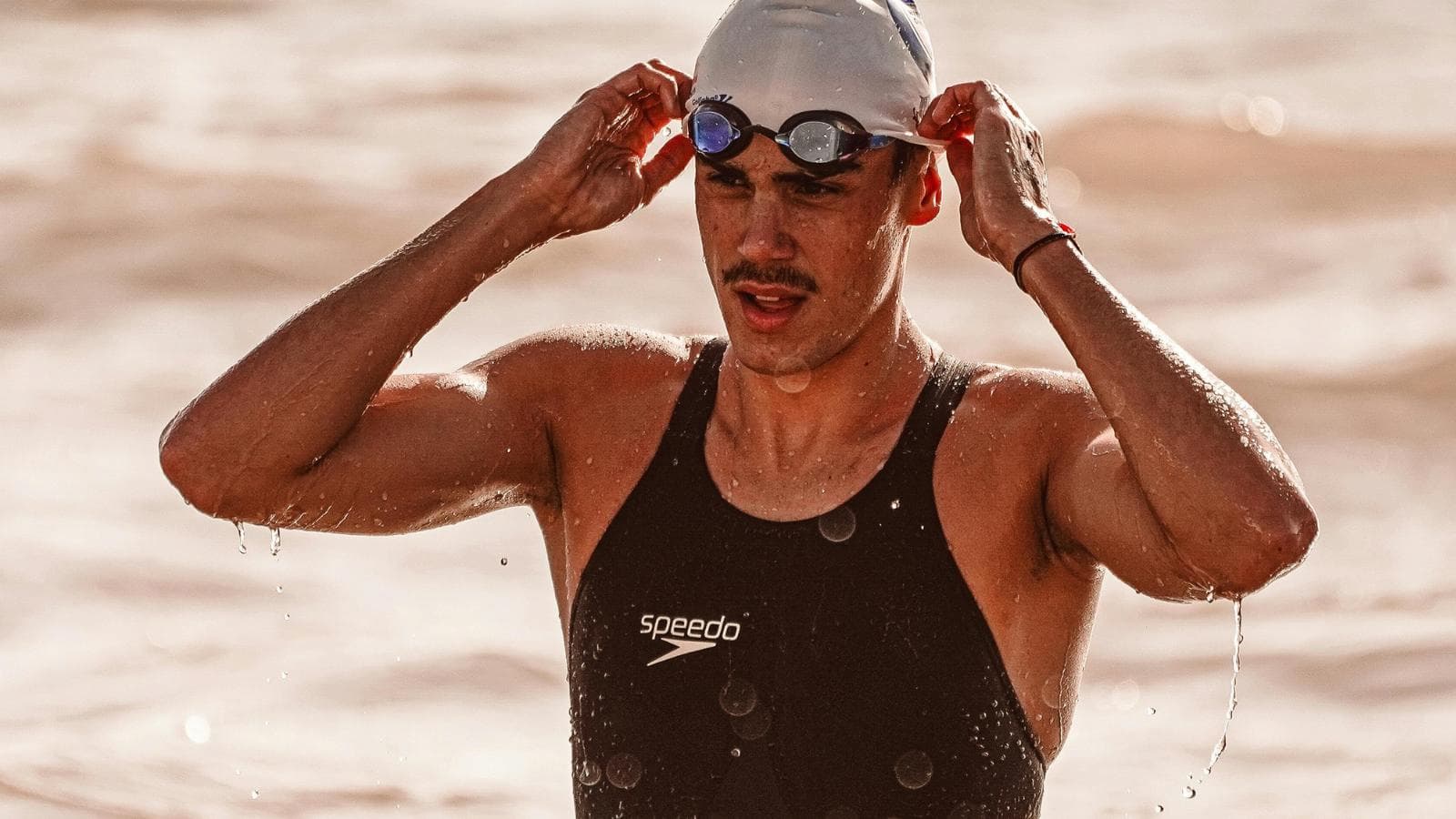


Breathing problems are one of the biggest reasons triathletes struggle in open water swimming. Many athletes who feel comfortable in the pool suddenly experience shortness of breath, panic, or loss of rhythm once they enter open water. This can lead to anxiety, poor pacing, and wasted energy before the race has even properly begun.
The good news is that breathing issues in open water are extremely common and usually manageable with the right preparation and technique. Improving your breathing is less about fitness alone and more about learning how to stay relaxed, controlled, and efficient under different conditions.
Why Open Water Breathing Feels Different?
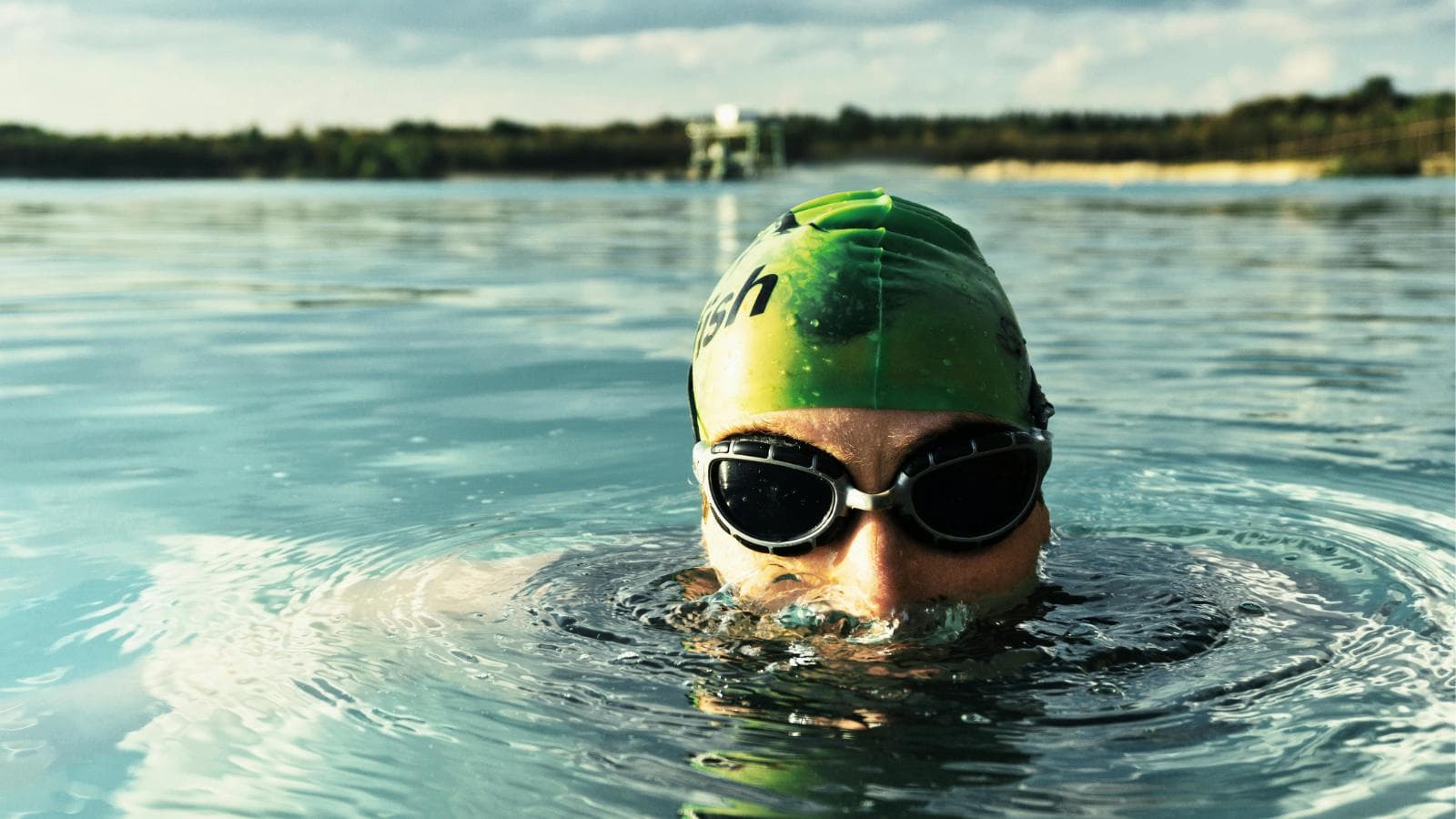
Swimming in open water places different physical and psychological demands on the body compared to pool swimming. There are no lane lines, walls, or predictable conditions. Waves, cold water, crowds, and limited visibility all increase stress levels, which directly affects breathing.
Many athletes instinctively begin breathing too quickly or too shallowly once anxiety rises. This creates tension and makes swimming feel even harder. Managing this response is essential for maintaining rhythm and efficiency, similar to pacing principles discussed in reducing injury risk when increasing triathlon volume, where staying controlled early prevents fatigue later.
Why Panic Happens in Open Water?
Panic usually begins when breathing rhythm breaks down. Once breathing becomes rushed or irregular, heart rate rises and tension increases rapidly.
Common triggers include:
- Cold water shock
- Crowded swim starts
- Poor sighting rhythm
- Lack of open water experience
- Swimming too hard too early
The key is understanding that these reactions are normal and trainable.
Start the Swim More Conservatively
One of the biggest mistakes triathletes make is starting too aggressively. Adrenaline and race excitement often cause athletes to sprint early, immediately pushing breathing beyond control.
Instead:
- Begin slightly easier than you think necessary
- Focus on long, steady strokes
- Allow breathing rhythm to settle gradually
A calmer start helps your body adjust to the conditions and reduces panic risk significantly. This controlled approach is also important in pacing and fueling a bike leg, where early restraint improves overall performance.
Exhale Fully Underwater
Many swimmers struggle because they do not exhale properly underwater. Instead, they hold tension and partially hold their breath between breaths.
This creates carbon dioxide buildup, making you feel breathless even when oxygen is available.
Focus on:
- Steady exhalation underwater
- Relaxed breathing rhythm
- Avoiding breath-holding between strokes
A complete exhale makes inhaling easier and helps maintain calmness.
Relax Your Upper Body and Neck
Tension in the shoulders and neck restricts breathing and disrupts stroke rhythm. Open water anxiety often causes swimmers to tighten their upper body without realising it.
Try to:
- Keep shoulders relaxed
- Maintain a loose neck position
- Avoid lifting your head excessively while breathing
Relaxation improves both breathing efficiency and swimming economy.
Practice Bilateral Breathing Carefully
Bilateral breathing, breathing on both sides, can help improve balance and adaptability in open water. It also helps when waves or sun exposure make breathing on one side difficult.
However, forcing bilateral breathing unnaturally can increase stress for some athletes. The goal is adaptability, not perfection.
Improve Your Sighting Technique
Poor sighting often disrupts breathing rhythm because swimmers lift their head too high or too frequently.
Efficient sighting involves:
- Quick forward glances
- Minimal head lift
- Returning smoothly to normal stroke rhythm
This reduces disruption and conserves energy. Sighting technique is a major skill in open water, similar to concepts discussed in sighting properly in open water swimming, where efficient navigation improves both breathing and pacing.
Get Comfortable Swimming Around Others
Crowded race starts often trigger breathing problems because swimmers feel trapped or overwhelmed.
Practicing group swimming helps you adapt to:
- Physical contact
- Water turbulence
- Reduced personal space
Exposure reduces anxiety and makes race conditions feel more manageable over time.
Use Open Water Practice Sessions Regularly
Pool fitness alone does not fully prepare athletes for open water breathing challenges.
Regular open water sessions help you adapt to:
- Cold water
- Waves
- Reduced visibility
- Different breathing timing
The more familiar these conditions become, the less stressful they feel on race day.
Control Your Effort Level
Swimming slightly below maximum effort is often faster overall because it keeps breathing controlled and sustainable.
Once breathing becomes frantic, stroke efficiency declines and fatigue rises quickly. Staying controlled allows smoother swimming and better energy management. This balance between effort and efficiency is especially important in how to acclimate to cold water in open water swimming, where overexertion early affects later performance.
Focus on Rhythm Instead of Speed
Breathing problems often improve when swimmers stop focusing on pace and start focusing on rhythm.
Think about:
- Smooth strokes
- Consistent breathing timing
- Relaxed movement through the water
A stable rhythm helps regulate both breathing and effort naturally.
Cold Water Can Affect Breathing
Cold water often causes an involuntary gasp response that temporarily disrupts breathing.
To reduce this effect:
- Enter the water gradually before the start when possible
- Splash water on your face
- Take several calm breaths before swimming hard
Allowing your body time to adjust reduces panic and helps breathing stabilise faster.
Train Your Mental Response
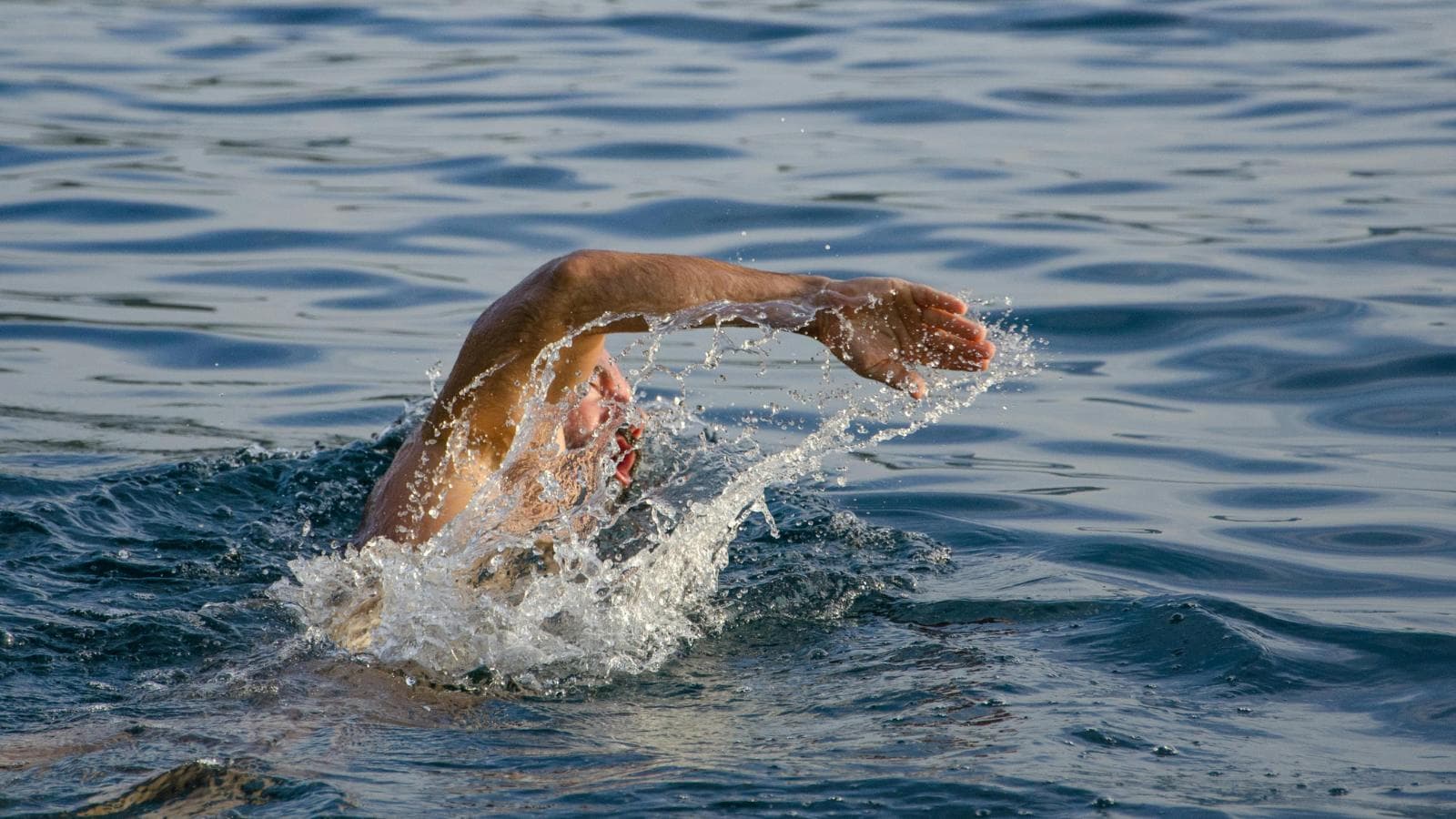
Open water breathing issues are often psychological as much as physical. Learning to stay calm during discomfort is a skill that improves with practice.
Instead of reacting emotionally when breathing feels difficult:
- Slow your effort slightly
- Focus on exhaling
- Regain rhythm before increasing pace again
This prevents small breathing disruptions from becoming panic episodes.
Build Confidence Through Repetition
Confidence comes from repeated successful experiences. Athletes who avoid open water because of anxiety usually struggle longer because the environment remains unfamiliar.
Gradual exposure builds comfort over time and makes breathing feel more natural.
Avoid Common Open Water Breathing Mistakes
- Starting too hard
- Holding your breath underwater
- Lifting your head excessively
- Swimming while tense
- Ignoring sighting technique
Avoiding these mistakes improves both comfort and efficiency significantly.
Practical Tips to Improve Open Water Breathing
- Start swims conservatively
- Exhale fully underwater
- Keep your upper body relaxed
- Practice sighting smoothly
- Spend more time swimming in open water
- Focus on rhythm instead of speed
What You Should Do?
Start by practicing controlled breathing during easier open water sessions rather than only during hard efforts or races. Focus on exhaling properly and maintaining relaxed body position in the water.
Gradually increase exposure to race-like conditions so your breathing becomes more automatic and less reactive to stress. Supporting your swim preparation with structured training, like approaches discussed in improving open water swim transitions in triathlon, helps you stay composed and efficient throughout the race.
Open water breathing improves through familiarity, rhythm, and confidence. The more relaxed and controlled you become, the easier swimming will feel, even in challenging conditions.