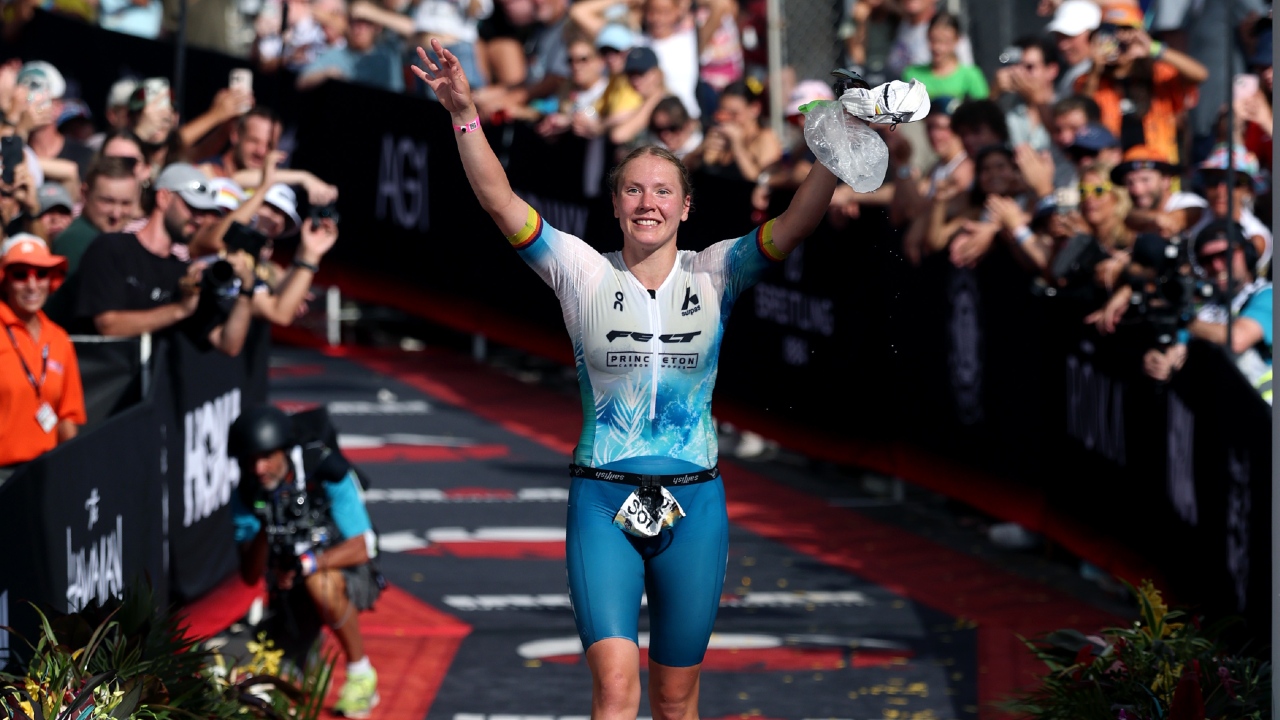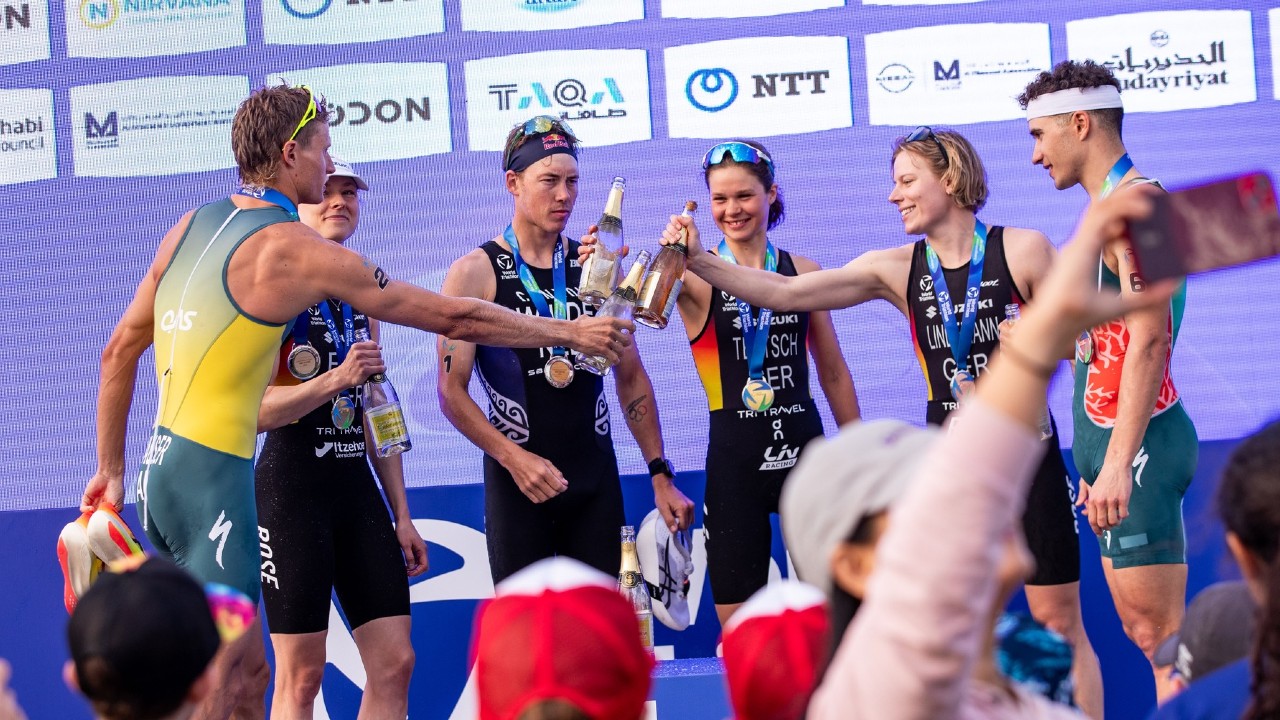


The week before your first triathlon is not the time to squeeze in extra training or make major changes. Your fitness has already been built. Race week is about arriving at the start line healthy, rested and confident. Many first-time triathletes make the mistake of training harder because they feel unprepared. In reality, reducing training while focusing on recovery, nutrition and organization gives you the best chance of enjoying your race. Think of race week as your final opportunity to prepare, not to improve your fitness.

Reduce Your Training Volume
You won’t become fitter during the final week. Instead, reduce your overall training volume while maintaining some short sessions to stay sharp.
Your sessions should be:
- Short.
- Comfortable.
- Race-specific.
- Low in fatigue.
- Confidence-building.
Many athletes follow what is tapering before a triathlon and why does it matter, allowing their body to recover while maintaining fitness.
Keep Swimming, Cycling and Running
Although training volume should decrease, avoid stopping completely.
Include:
- One or two easy swims.
- One or two short bike rides.
- One or two easy runs.
Adding a few short race-pace efforts can help your body stay responsive without creating unnecessary fatigue.
Practise Your Transitions
The week before your race is an ideal time to rehearse T1 and T2.
Practise:
- Wetsuit removal.
- Helmet routine.
- Mount and dismount.
- Shoe changes.
- Running with your bike.
Many beginners gain confidence by following how to train for ironman and 70.3, making race morning feel much more familiar.
Check Your Bike Thoroughly
Don’t leave bike maintenance until race morning.
Inspect:
- Tyres.
- Brakes.
- Gears.
- Chain.
- Bottle cages.
- Wheel security.
If your bike needs servicing, complete it several days before the race so you have time to test everything.
Prepare Your Race Nutrition
Avoid making last-minute nutrition decisions.
Plan:
- Race breakfast.
- Bike nutrition.
- Run nutrition.
- Hydration.
- Electrolytes.
Lay everything out in advance. Many athletes prepare by reviewing what to eat before running in a triathlon, ensuring their fueling strategy supports a strong finish rather than becoming an afterthought.
Don’t Experiment With New Equipment
Race week is not the time for:
- New shoes.
- New wetsuit.
- New saddle.
- New energy gels.
- New bike fit.
Stick with equipment you’ve already tested during training. Familiarity reduces both stress and the likelihood of unexpected problems.
Study the Race Course
Knowing the course helps reduce anxiety.
Review:
- Swim layout.
- Bike profile.
- Run course.
- Aid stations.
- Transition layout.
- Cut-off times if applicable.
Understanding the course allows you to make better pacing decisions before race day. Many beginners also benefit from how to pace a triathlon properly, helping them avoid starting too fast.
Organise Your Transition Bag
Pack your equipment several days before travelling.
Include:
- Race number.
- Timing chip.
- Helmet.
- Shoes.
- Sunglasses.
- Nutrition.
- Water bottles.
- Towel.
- Spare tubes.
- Pump.
Checking everything early prevents unnecessary race morning stress.
Prioritise Sleep
Many athletes sleep poorly the night before their first race because of excitement. Instead of worrying about one night’s sleep, focus on sleeping well throughout the entire week.
Good sleep supports:
- Recovery.
- Immune function.
- Muscle repair.
- Mental focus.
Many triathletes underestimate how much sleep does triathletes need to recover, despite it being one of the simplest ways to improve race readiness.
Stay Hydrated
Begin race day hydrated instead of trying to catch up at the last minute. Drink fluids consistently throughout the week.
Pay attention to:
- Weather forecast.
- Sweat rate.
- Electrolytes.
- Urine colour.
Many athletes improve their preparation through hydration strategy for triathlon by distance and weather, particularly when racing in warmer conditions.
Avoid Cramming Extra Training
It’s common to feel underprepared.
Resist the urge to:
- Ride longer.
- Run harder.
- Swim extra laps.
- Add another brick session.
Extra fatigue provides no benefit during race week. Trust the work you’ve already completed.
Prepare Mentally
Spend a few minutes visualising race day.
Imagine yourself:
- Swimming calmly.
- Riding smoothly.
- Running confidently.
- Moving efficiently through transition.
- Crossing the finish line.
Mental preparation helps reduce anxiety and improve confidence.
Plan Your Race Morning
Know exactly:
- When you’ll wake up.
- When you’ll eat breakfast.
- When you’ll leave.
- When transition opens.
- When your wave starts.
Removing uncertainty makes race morning far less stressful.
Common Race Week Mistakes
Avoid these common errors:
- Training too hard.
- Trying new nutrition.
- Buying new equipment.
- Neglecting sleep.
- Forgetting to check your bike.
- Packing the night before.
- Skipping hydration.
- Ignoring transition practice.
Race week should be calm and organized, not rushed.
Practical Tips
During the final week:
- Reduce training volume.
- Keep moving with short sessions.
- Practise transitions.
- Prepare your nutrition.
- Check your bike.
- Pack early.
- Prioritise recovery.
Many first-time athletes also find progressing from couch to triathlon as a beginner guide helpful because many of the organizational principles apply to every triathlon distance. Finally, race week preparation becomes much easier after understanding how to train for a sprint triathlon, ensuring you’ve already developed the fitness needed before the taper begins.
The Bottom Line
The week before your first triathlon should focus on recovery, organisation and confidence rather than fitness. Short training sessions, careful planning and good recovery habits will leave you far better prepared than trying to squeeze in extra workouts. Arrive at the start line knowing your equipment is ready, your nutrition is planned and your training is complete. Your job during race week is simply to execute the plan you’ve already built.