

A flying mount in triathlon is a technique where an athlete jumps onto their bike while moving forward instead of stopping to sit on the saddle. It is commonly associated with experienced triathletes looking to save time during the transition from swimming to cycling. Triathlon transitions can influence overall race performance, particularly in sprint and Olympic distance events where small time differences matter. However, saving a few seconds is not worth losing control of your bike or risking a crash. A flying mount requires coordination, balance, bike handling skills, and precise timing. Athletes must also understand transition rules, including where they are permitted to mount their bikes. For beginners, a traditional bike mount is usually the safer and more practical choice. Flying mounts should only be considered after developing strong cycling skills and practicing in a controlled environment.
In Short
- A flying mount involves getting onto a moving bike.
- It is mainly used by experienced triathletes.
- The technique may save a few transition seconds.
- Poor execution can cause crashes or injuries.
- Flying mounts require strong balance and coordination.
- Athletes must mount after the designated mount line.
- Beginners should prioritize traditional mounting.
- Practice should take place away from traffic.
Understanding the Flying Mount
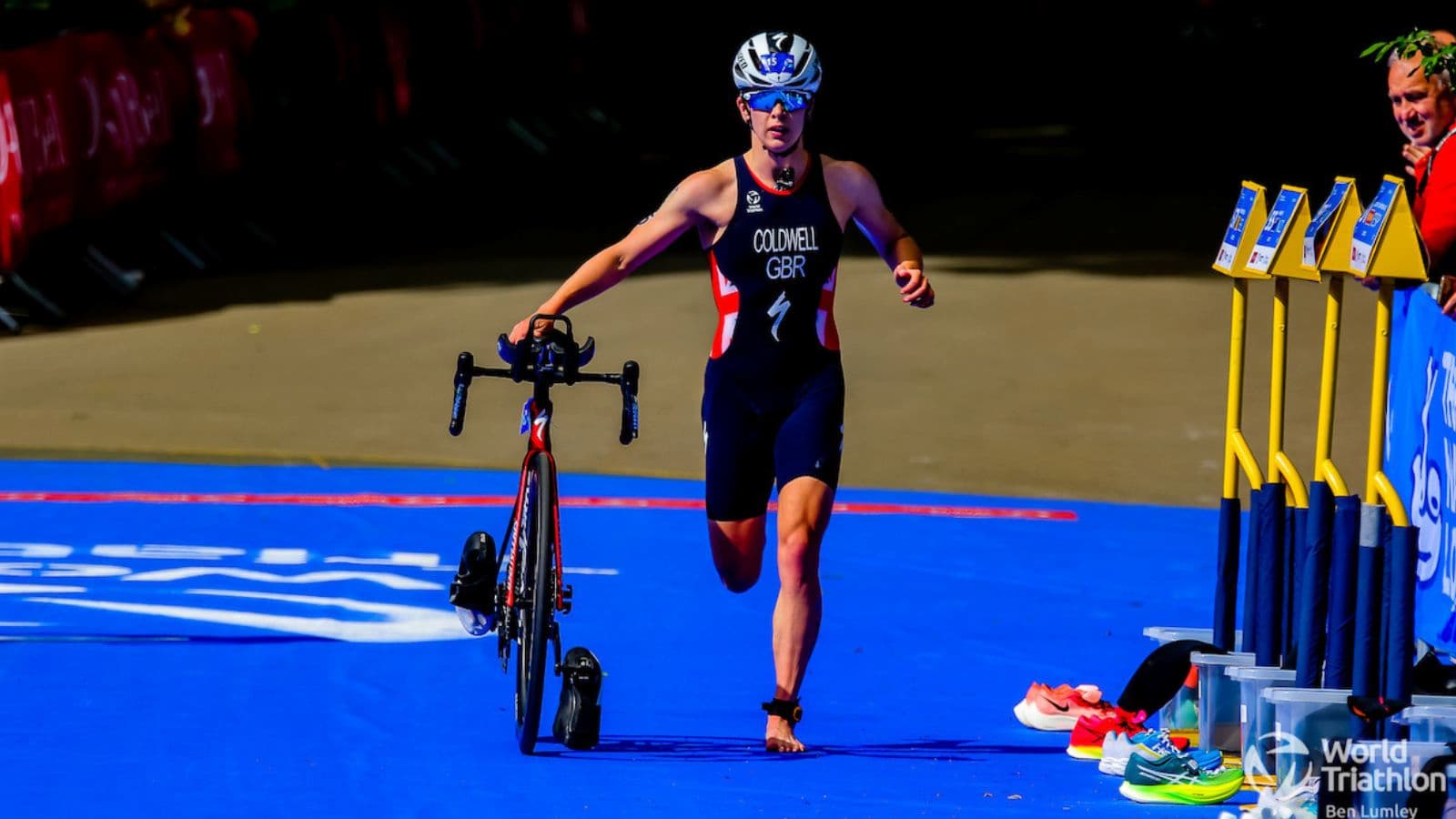
A flying mount allows triathletes to maintain forward movement while getting onto their bikes after leaving transition. Instead of stopping beside the bike, the athlete runs forward, crosses the mount line, and moves onto the saddle while the bike continues rolling.
The technique requires several coordinated movements:
- Running alongside the bike.
- Maintaining control of the handlebars.
- Crossing the designated mount line.
- Moving onto the saddle smoothly.
- Stabilizing the bike before pedaling.
Understanding what is a triathlon transition area helps athletes recognize where mounting is permitted and how transition rules apply.
Flying Mount vs Traditional Bike Mount
The main difference is whether the athlete stops before getting onto the bike.
| Flying mount | Traditional mount |
|---|---|
| Athlete mounts while moving | Athlete stops or slows significantly |
| Requires advanced coordination | Easier for beginners |
| May save a few seconds | Usually more controlled |
| Greater risk if poorly executed | Generally lower risk |
| Requires extensive practice | Requires basic mounting skills |
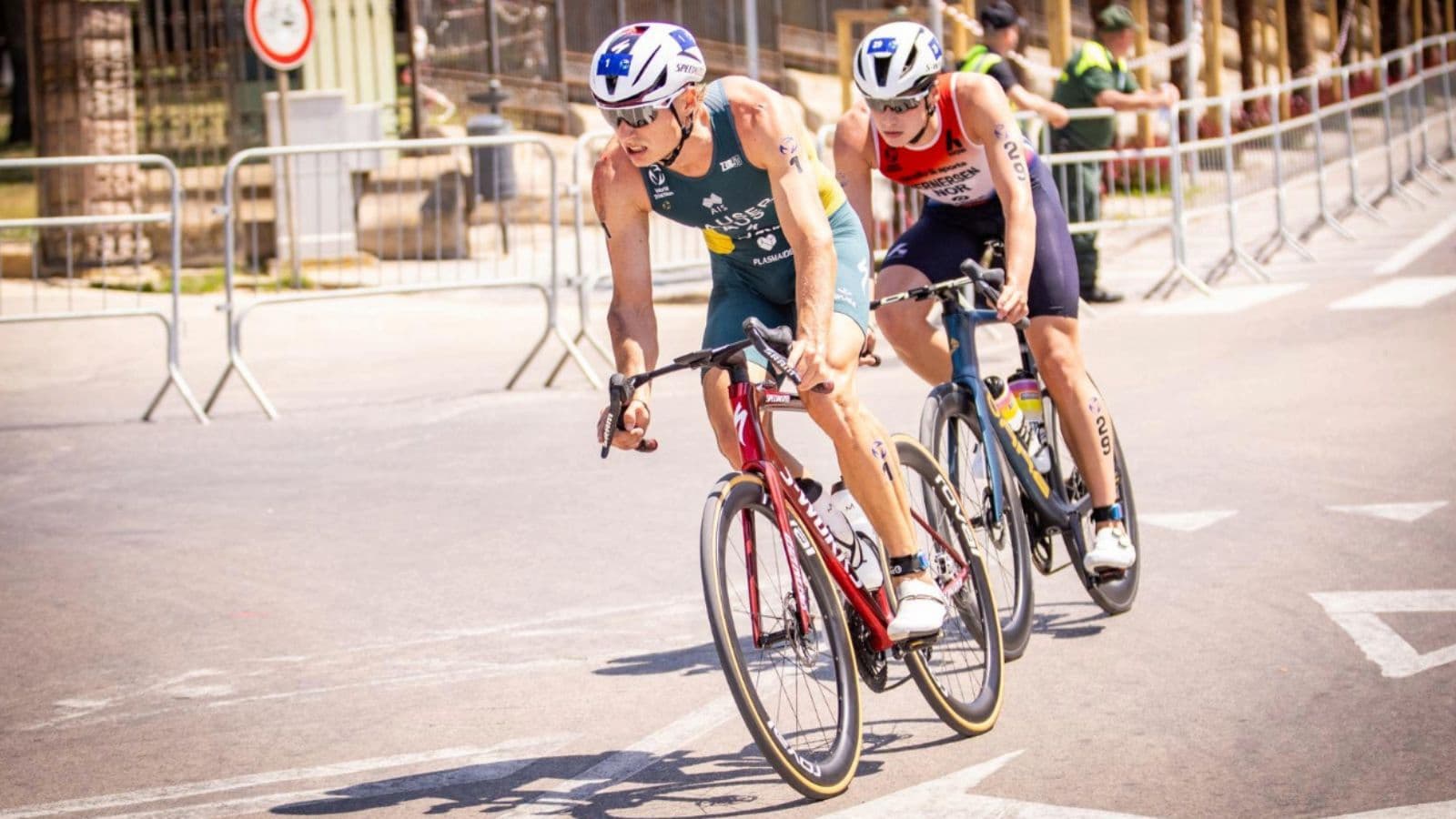
Athletes learning how to mount and dismount your bike smoothly in a race should become comfortable with traditional mounting before attempting advanced techniques. A smooth traditional mount can be faster overall than a poorly executed flying mount.
Potential Benefits of a Flying Mount
The primary advantage is reducing time spent getting onto the bike.
Potential benefits include:
- Maintaining forward momentum.
- Reducing unnecessary stopping.
- Improving transition efficiency.
- Saving a small amount of race time.
However, these advantages depend on the athlete’s skill and race conditions. Learning how can you improve your triathlon transition times can help athletes identify safer ways to become faster without relying on advanced mounting techniques.
Risks of Attempting a Flying Mount
Flying mounts involve greater coordination demands than traditional mounting. A poorly timed movement can cause the athlete to miss the saddle, lose balance, or collide with another competitor.
Common risks include:
- Losing control of the handlebars.
- Missing the saddle.
- Slipping during mounting.
- Colliding with nearby athletes.
- Failing to control the bike after landing.
- Falling onto the road.
Understanding what cycling drills help improve triathlon bike technique can help athletes develop the handling skills needed before considering more advanced movements. Never attempt a flying mount for the first time during a race.
Skills Needed Before Trying a Flying Mount
Athletes should already be confident controlling their bikes at low speeds and during changing conditions.
Important skills include:
- Maintaining balance.
- Steering accurately.
- Controlling speed.
- Mounting and dismounting confidently.
- Handling the bike while walking or running.
- Responding calmly to unexpected movement.
Practicing how to improve bike handling and cornering outdoors can help athletes develop general bike control. However, basic bike handling drills do not automatically make flying mounts safe.
How to Practice Flying Mounts Safely?
Flying mounts should be learned progressively with a qualified coach in a closed, obstacle free environment.
A sensible progression includes:
- Practice walking and jogging beside the bike.
- Develop smooth traditional mounting.
- Improve low speed balance and steering.
- Observe the technique with an experienced coach.
- Attempt advanced mounting only when appropriately supervised.
Athletes should wear helmets and use a suitable practice area away from vehicles and pedestrians. Understanding how to practice bike handling and cornering indoors can also help develop control before progressing to more demanding outdoor skills. Avoid attempting full flying mounts until you can demonstrate reliable control during simpler exercises.
Flying Mount Rules in Triathlon
Triathlon events typically use a designated mount line outside the transition area. Athletes must follow the event’s mounting instructions and cannot get onto their bikes before the permitted point.
Important considerations include:
- Fasten your helmet before removing the bike from its rack.
- Follow the designated transition route.
- Mount only after the permitted line.
- Keep control of the bike around other competitors.
- Follow instructions from race officials.
Learning what should triathletes know about race etiquette helps athletes understand safe and respectful behavior during crowded transitions. Always check the specific event rules because mounting requirements can vary.
Are Flying Mounts Worth It for Beginners?
For most beginners, flying mounts offer limited advantages compared with their potential risks. A controlled traditional mount allows athletes to concentrate on starting the cycling leg safely.
Beginners can improve transition performance by:
- Organizing equipment efficiently.
- Learning the transition layout.
- Practicing helmet fastening.
- Running smoothly with the bike.
- Mounting confidently after the line.
Understanding what race strategy should beginner triathletes follow can help first time competitors prioritize consistent performance over small time savings.
Improve Transitions Without a Flying Mount
Efficient transitions depend on preparation rather than advanced techniques alone. Athletes can save time by practicing the complete transition sequence before race day.
Focus on:
- Knowing where your bike is positioned.
- Preparing equipment in advance.
- Practicing a consistent transition routine.
- Avoiding unnecessary movements.
- Staying calm in crowded areas.
Learning how to transition faster in a triathlon can help athletes identify practical improvements that apply regardless of their mounting technique.
For most age group athletes, these improvements provide a safer starting point.
Common Mistakes
- Attempting a flying mount without practice.
- Mounting before the designated line.
- Losing control of the handlebars.
- Trying the technique in crowded areas.
- Rushing onto the saddle.
- Practicing near traffic.
- Prioritizing speed over safety.
Practical Tips
- Master traditional mounting first.
- Practice bike handling regularly.
- Wear a properly fastened helmet.
- Use a closed practice area.
- Seek coaching before attempting advanced techniques.
- Follow race specific mounting rules.
- Choose the safest technique for your experience.
Actionable Takeaways
- Flying mounts are advanced transition techniques.
- They may save seconds but increase risk.
- Beginners should use controlled traditional mounts.
- Develop bike handling skills before progressing.
- Prioritize safety and consistent transitions.