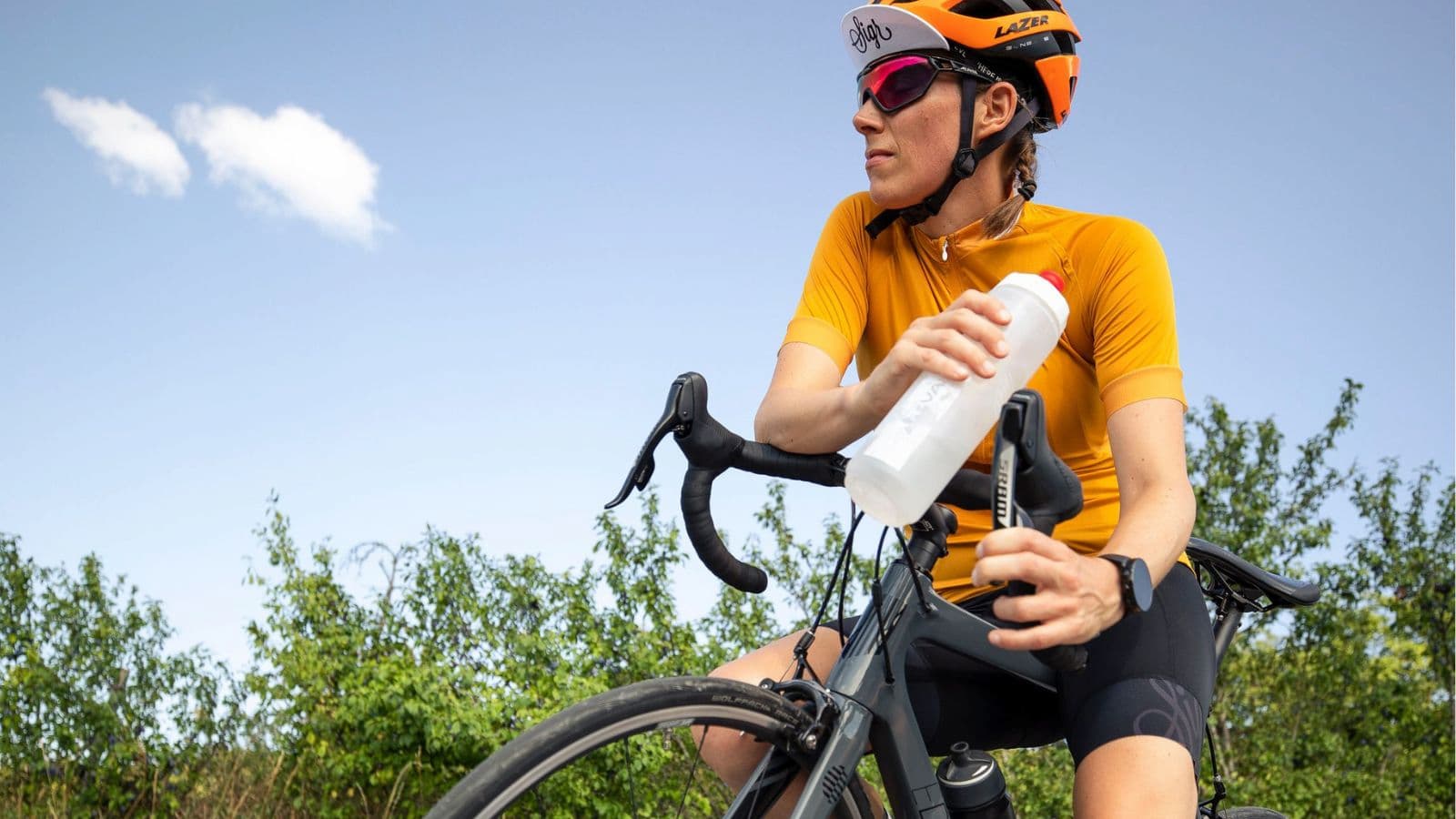


Nutrition is one of the biggest factors separating a strong bike leg from one that ends in fatigue, cramps or a complete energy collapse. Many triathletes spend months improving their fitness but pay little attention to what they eat during long rides, only to struggle on race day because their muscles simply run out of fuel. The good news is that fueling during training can be practiced just like swimming, cycling and running. Developing a consistent nutrition strategy helps maintain energy levels, supports hydration and prepares your digestive system for race conditions. Whether you’re training for your first sprint triathlon or an Ironman, knowing what to eat during long rides is essential for performing at your best.
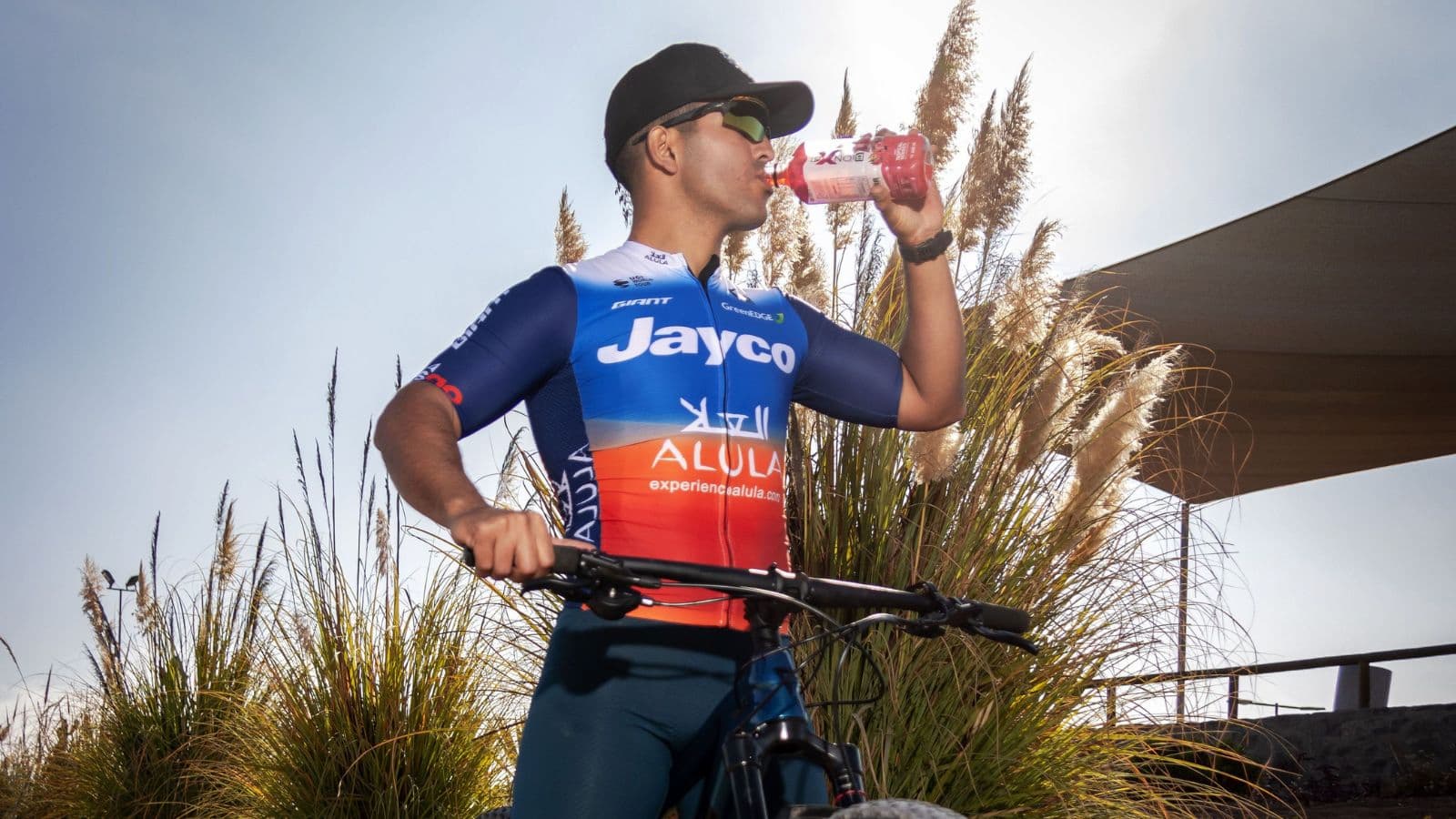
In Short
- Long rides require regular carbohydrate intake to maintain energy.
- Most triathletes benefit from consuming 30–90g of carbohydrates per hour, depending on ride duration and intensity.
- Start fueling early instead of waiting until you feel hungry.
- Hydration and electrolytes are just as important as calories.
- Practise your race nutrition during training to reduce the risk of stomach issues.
- Choose foods that are easy to digest while cycling.
- Adjust your nutrition based on weather, intensity and ride length.
- Never try new nutrition products for the first time on race day.
Why Nutrition Matters During Long Rides?
The bike leg is usually the longest portion of a triathlon, making it the best opportunity to replace the energy you’re using. Unlike the swim, where eating isn’t possible, cycling allows regular access to bottles, gels and food while maintaining a steady effort. Your body stores carbohydrates as glycogen in the muscles and liver. These stores are limited, and once they become depleted, performance drops rapidly. Many athletes recognize this as “bonking,” a condition that causes sudden fatigue, reduced power and difficulty concentrating. Understanding how to avoid bonking in a triathlon starts with building an effective nutrition strategy long before race day.
What Happens If You Don’t Eat Enough?
Failing to fuel adequately affects far more than your cycling performance. As glycogen stores decrease, your body relies increasingly on fat for energy, which cannot support higher exercise intensities as efficiently. The result is slower speeds, declining power output and greater perceived effort. Athletes who underfuel often begin the run already fatigued, making it difficult to maintain their planned pace. Learning how to fuel for a triathlon helps prevent these problems by matching carbohydrate intake to the demands of training and racing.
When Should You Start Eating?
One of the most common beginner mistakes is waiting until hunger appears. During endurance exercise, hunger is a poor indicator of your nutritional needs because digestion slows and appetite often decreases. Instead, aim to consume your first carbohydrates within the first 20 to 30 minutes of starting your ride. Beginning early keeps blood glucose levels more stable and reduces the likelihood of running low on energy later.
How Many Carbohydrates Do You Need?
The amount of carbohydrate required depends on ride duration and intensity.
Rides Under 60 Minutes
Most shorter rides can be completed without consuming carbohydrates during the session, provided you’ve eaten a balanced meal beforehand. Water is usually sufficient unless conditions are particularly hot.
Rides Between One and Two Hours
For moderate endurance rides lasting up to two hours, approximately 30–60g of carbohydrates per hour is appropriate for most athletes. This can come from sports drinks, energy gels, bananas or energy bars.
Rides Longer Than Two and a Half Hours
Long-distance triathlon training typically requires between 60–90g of carbohydrates per hour. Some highly trained athletes successfully consume even more, but this requires gradual gut training. Athletes preparing for longer races should also understand how to fuel for an ironman triathlon, as nutritional demands increase significantly with race duration.
Best Foods to Eat During Long Rides
The ideal nutrition combines convenience, digestibility and consistent carbohydrate delivery. Different athletes tolerate different foods, so experimentation during training is essential.
Energy Gels
Energy gels provide concentrated carbohydrates that are easy to carry and consume. They work particularly well when taken with water and are useful during harder efforts when chewing becomes difficult.
Sports Drinks
Many sports drinks supply both carbohydrates and electrolytes, helping replace fluid and sodium losses simultaneously. They’re especially valuable during hot weather or higher-intensity rides. Developing an effective drinking plan becomes much easier after understanding hydration strategy for triathlon by distance and weather, since fluid requirements change considerably depending on conditions.
Energy Bars
Energy bars offer a slower release of carbohydrates and can help reduce hunger on longer rides. Softer bars are generally easier to chew while riding than dense, high-fibre products.
Bananas
Bananas remain one of the simplest natural fueling options. They provide carbohydrates, potassium and are widely tolerated by most athletes.
Rice Cakes
Homemade rice cakes have become popular among endurance athletes because they provide easily digestible carbohydrates without excessive sweetness. They also offer variety during rides lasting several hours.
Foods to Avoid
- High-fat foods slow digestion and increase the likelihood of stomach discomfort during exercise.
- Fried foods, pastries and greasy snacks are generally poor choices before or during cycling.
- Foods containing large amounts of fibre may increase gastrointestinal distress, particularly during harder rides.
- Save salads, beans and high-fibre cereals for after training rather than during it.
- Trying unfamiliar sports nutrition products immediately before an important ride is another common mistake.
- Always test new foods during training so you understand how your body responds.
Don’t Forget Hydration
- Nutrition and hydration should never be considered separately.
- Even mild dehydration can reduce power output, increase heart rate and make maintaining pace much more difficult.
- Drink regularly throughout the ride instead of waiting until you feel thirsty.
- Most athletes benefit from taking small sips every 10–15 minutes, adjusting intake according to sweat rate and weather conditions.
Understanding how much should you drink per hour on the bike provides a useful starting point, although individual needs vary considerably depending on temperature and exercise intensity.
Electrolytes Matter Too
Sweat removes more than just water. Sodium, potassium and other electrolytes help regulate muscle function, nerve signalling and fluid balance.
During longer rides or hot conditions, replacing sodium becomes increasingly important. Many sports drinks, electrolyte tablets and gels already contain sodium, making them convenient choices for endurance training. Athletes wanting a deeper understanding of hydration should also explore electrolytes for triathletes.
Practise Your Nutrition
Regularly practicing your nutrition strategy allows your gut to become more efficient at absorbing carbohydrates while reducing the likelihood of stomach discomfort. Every long ride is an opportunity to refine your fueling schedule, test different products and identify what works best for you. This process is often called gut training and becomes particularly important before half and full Ironman events.
Common Mistakes
- Many triathletes simply don’t eat enough during long rides, assuming they can rely on breakfast alone.
- Others wait until they’re already feeling tired before taking their first gel, which is usually too late to prevent declining performance.
- Another frequent mistake is consuming too much food at once rather than spreading carbohydrate intake evenly throughout the ride.
- Large amounts of food can overwhelm the stomach and increase the risk of bloating or gastrointestinal discomfort.
- Some athletes also neglect hydration while focusing only on calories.
- Fuel and fluids work together, so both should be planned carefully before every long training session.
Practical Tips
- Carry slightly more nutrition than you expect to need in case your ride takes longer than planned.
- Set a timer on your bike computer or sports watch to remind yourself to eat every 20 to 30 minutes instead of relying on memory.
- Practise opening gels, eating bars and drinking bottles while riding in a safe environment so these tasks become automatic.
- Finally, record what you eat after each long ride so you can identify patterns that improve performance or cause digestive issues.
Actionable Takeaways
Consistent fueling during long rides supports better cycling performance, improves recovery and leaves you in a much stronger position for the run. Start eating early, consume carbohydrates regularly, stay hydrated and replace electrolytes when necessary. Most importantly, remember that nutrition is highly individual. Use every long training ride to practice your strategy, refine portion sizes and discover the foods that allow you to perform confidently on race day.