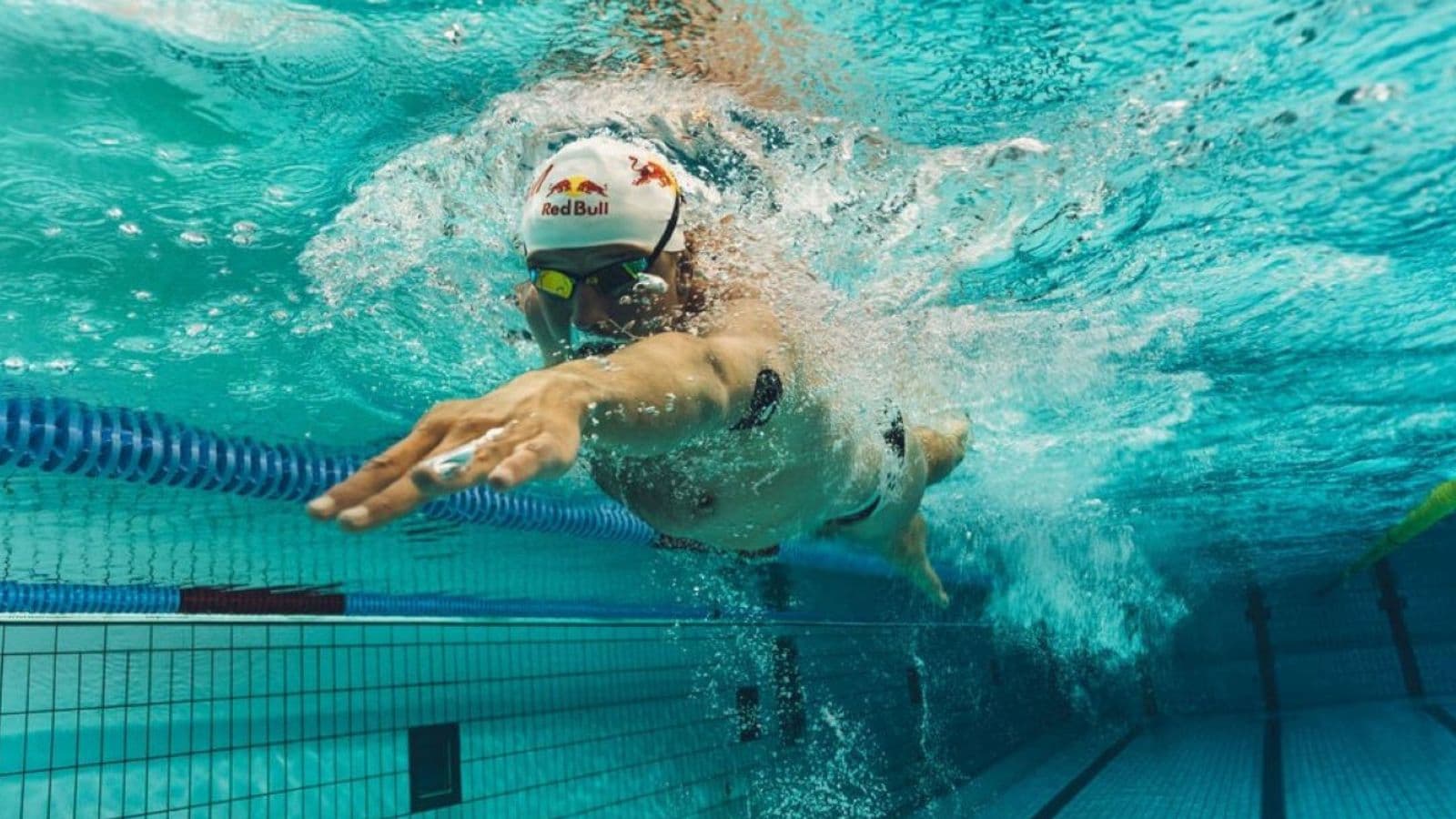


Flip turns are useful for triathlon swim training, but they are not essential for becoming a strong open water swimmer. They help swimmers change direction efficiently at the pool wall, maintain workout rhythm, and develop coordination. However, triathletes can still build excellent swimming fitness using open turns. Unlike competitive pool swimming, most triathlon swim courses do not include walls or opportunities to push off underwater. Athletes must maintain their swimming technique, breathing, and navigation throughout the course without regular breaks. This difference creates an important question for beginners: should they spend time learning flip turns or focus entirely on open water skills? The answer depends on swimming experience, training goals, and available practice time. For most age group triathletes, flip turns are a valuable additional skill rather than a priority.
In Short
- Flip turns are helpful but not mandatory.
- They make pool training more continuous.
- They improve turning coordination.
- Open turns remain suitable for beginners.
- Wall push-offs can affect swim interval times.
- Open water skills deserve greater priority.
- Both turning methods can support swim fitness.
- Flip turns should be learned progressively.
Understanding Flip Turns
A flip turn, also called a tumble turn, involves performing a forward somersault near the pool wall, placing the feet against the wall, and pushing off in the opposite direction. Competitive swimmers commonly use flip turns because they allow a quick change of direction without stopping to touch the wall with their hands.
The basic movement includes:
- Approaching the wall.
- Tucking the chin.
- Rotating forward.
- Placing the feet against the wall.
- Pushing off in a streamlined position.
- Returning to freestyle swimming.
For triathletes, the main benefit is creating smoother pool sessions rather than improving race turns.
Benefits of Flip Turns for Triathletes
More Continuous Swimming
Open turns can introduce a brief pause, especially when swimmers hold the wall to recover. Flip turns encourage swimmers to change direction without a prolonged stop. This can make pool intervals feel more continuous, although the wall push-off still provides assistance that does not exist in open water. Understanding how to increase your triathlon swim speed can help athletes recognize why consistent technique and sustainable effort matter more than turn speed alone.
Better Coordination
Flip turns require swimmers to coordinate body rotation, breath control, and streamlined movement. Learning these movements may improve general water confidence and body awareness. However, flip turns should not be treated as a direct replacement for freestyle technique practice.
Consistent Pool Workouts
Efficient turns can make training intervals easier to repeat consistently. Swimmers who use different turning methods may notice differences in their recorded times because flip turns and push offs affect each length. Understanding what swim workouts improve triathlon performance can help triathletes structure sessions around endurance, pacing, and technique rather than simply chasing faster pool times.
Why Flip Turns Are Less Important in Open Water?
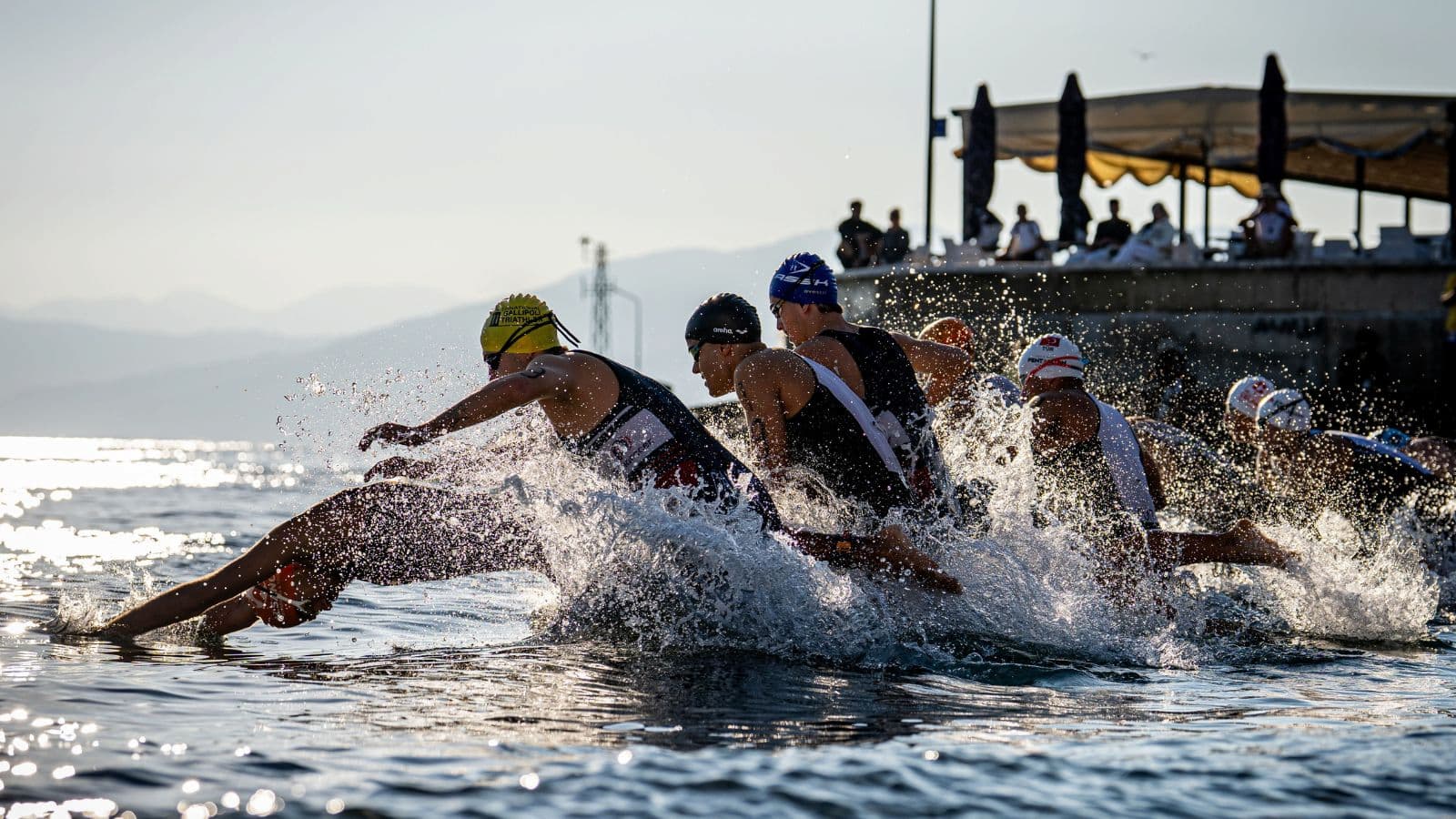
Triathlon swimming differs significantly from pool racing. Open water swimmers must navigate changing conditions, maintain direction, and manage contact with other athletes.
Important open water skills include:
- Sighting.
- Swimming straight.
- Managing waves and currents.
- Breathing comfortably.
- Navigating around buoys.
- Maintaining a sustainable effort.
Understanding why swimming straight matters in open water triathlon can help athletes recognize why navigation often has a greater impact on race performance than pool turning ability. A swimmer with excellent flip turns may still struggle in open water if they have not practiced sighting and navigation.
Flip Turns Versus Open Turns
Both turning methods can support effective triathlon training.
| Flip turns | Open turns |
|---|---|
| Use a forward somersault | Use a hand touch and body rotation |
| Require more coordination | Usually easier for beginners |
| Encourage quick direction changes | Allow a natural opportunity to breathe |
| Common in competitive swimming | Suitable for recreational and triathlon training |
| Require practice to master | Can be learned relatively quickly |
Neither method automatically makes someone a better open water swimmer. The most important consideration is whether the turning technique allows the athlete to complete the intended workout safely and consistently.
Do Flip Turns Improve Breathing Control?
Flip turns require swimmers to manage their breathing around the wall. This may help develop comfort with brief periods without inhaling, but it does not necessarily improve aerobic capacity or breathing efficiency. Some beginners experience breathlessness because they exhale poorly or rush the movement. Understanding how to coordinate breathing with your swim strokes in a triathlon can help athletes establish a comfortable breathing rhythm during freestyle swimming. Avoid repeated breath holding drills or prolonged underwater swimming. These practices can increase the risk of hypoxic blackout, especially when performed without appropriate supervision.
How Beginners Can Learn Flip Turns?
Learning flip turns should begin with simple movements in a supervised pool.
Practice Forward Rotation
Start by learning a controlled forward somersault in the water, away from the wall.
Focus on comfortable rotation rather than speed.
Approach the Wall Slowly
Swim toward the wall at an easy pace and begin the rotation at an appropriate distance.
Avoid rushing or attempting the movement when disoriented.
Place Your Feet Correctly
After rotating, position both feet against the wall with your knees comfortably bent.
Push Off Gently
Push away from the wall in a streamlined position without attempting an excessively long underwater glide.
Return to Freestyle
Resume normal swimming and breathing once you have safely surfaced. Understanding what swim drills improve front crawl technique can help beginners build the body control needed for more advanced pool skills.
A qualified swim coach can provide useful feedback on timing and positioning.
When Triathletes Should Prioritize Other Skills?
Beginners with limited pool time should focus first on the skills that directly influence race performance.
These include:
- Efficient freestyle technique.
- Comfortable breathing.
- Sustainable pacing.
- Sighting.
- Open water confidence.
- Swimming in different conditions.
Understanding how to fix breathing issues during open water swimming can help athletes address problems that may have a greater impact on race comfort and performance. Flip turns can be introduced once these fundamentals are developing consistently.
Using Flip Turns in Structured Training
Triathletes who already know how to flip turn can use them during regular pool sessions.
They are particularly useful for:
- Continuous aerobic swimming.
- Repeated interval sets.
- Technique-focused workouts.
- Longer endurance sessions.
However, remember that strong wall push offs can make pool pace appear faster than unsupported open water swimming. Understanding how to improve your swim stamina for a triathlon can help athletes develop endurance through appropriately structured sessions. Use consistent turning techniques when comparing pool performances across workouts.
Common Mistakes
- Treating flip turns as essential for triathlon success.
- Prioritizing turns over freestyle technique.
- Holding the breath excessively.
- Rotating too close to the wall.
- Pushing off too aggressively.
- Comparing pool times without considering turns.
- Ignoring open water practice.
- Attempting advanced turns without supervision.
Practical Tips
- Learn open turns first if necessary.
- Practice flip turns gradually.
- Keep breathing comfortable.
- Use a qualified coach when possible.
- Maintain consistent turning techniques.
- Focus on smooth transitions.
- Prioritize open water skills.
- Avoid prolonged underwater breath-holding.
Actionable Takeaways
- Flip turns are useful, not essential.
- Open turns can support effective training.
- Freestyle technique remains the priority.
- Pool times are influenced by wall push-offs.
- Practice race-specific open water skills.