

Racing in hot conditions presents one of the biggest challenges in triathlon. Higher temperatures increase cardiovascular strain, accelerate fluid loss, and make pacing significantly more difficult. Even experienced triathletes can struggle if they fail to adapt their strategy to the conditions. The athletes who perform best in the heat aren’t necessarily the fittest, they’re often the ones who prepare properly, pace intelligently, and make smart decisions throughout the race. Here are some of the most common mistakes triathletes make when racing in hot weather and how to avoid them.
Starting Too Fast
Excitement at the start line often leads athletes to ignore the conditions. A pace that feels comfortable during the opening kilometres can become unsustainable once heat stress builds.
Instead:
- Start conservatively.
- Build into your race.
- Let other athletes go if necessary.
Athletes who understand how to train like an olympic triathlete know that disciplined pacing almost always leads to stronger overall performances.
Underestimating Hydration Needs
Many athletes begin the race already slightly dehydrated or fail to drink consistently throughout the bike leg. Hydration should be planned before race day rather than improvised during competition. Athletes who understand hydration strategy for triathlon bike races know that steady fluid intake during the bike often determines how well they perform on the run.
Ignoring Electrolytes
Replacing water alone isn’t always enough. Heavy sweating also results in electrolyte losses, particularly sodium.
For longer races, consider replacing:
- Sodium
- Fluids
- Carbohydrates
as part of an overall fueling strategy.
Waiting Until You’re Thirsty
Thirst is useful, but it often appears after fluid loss has already begun. Instead of reacting to thirst, follow the hydration strategy you’ve practised during training. Small, regular drinks are generally easier to tolerate than consuming large amounts infrequently.
Wearing Too Much Clothing
Some athletes overdress because they fear feeling cold before the swim. However, excessive clothing during the bike or run can trap heat and increase body temperature. Choose lightweight clothing that allows heat to escape efficiently.
Forgetting to Cool Yourself
Cooling strategies can help reduce thermal strain.
When available, consider:
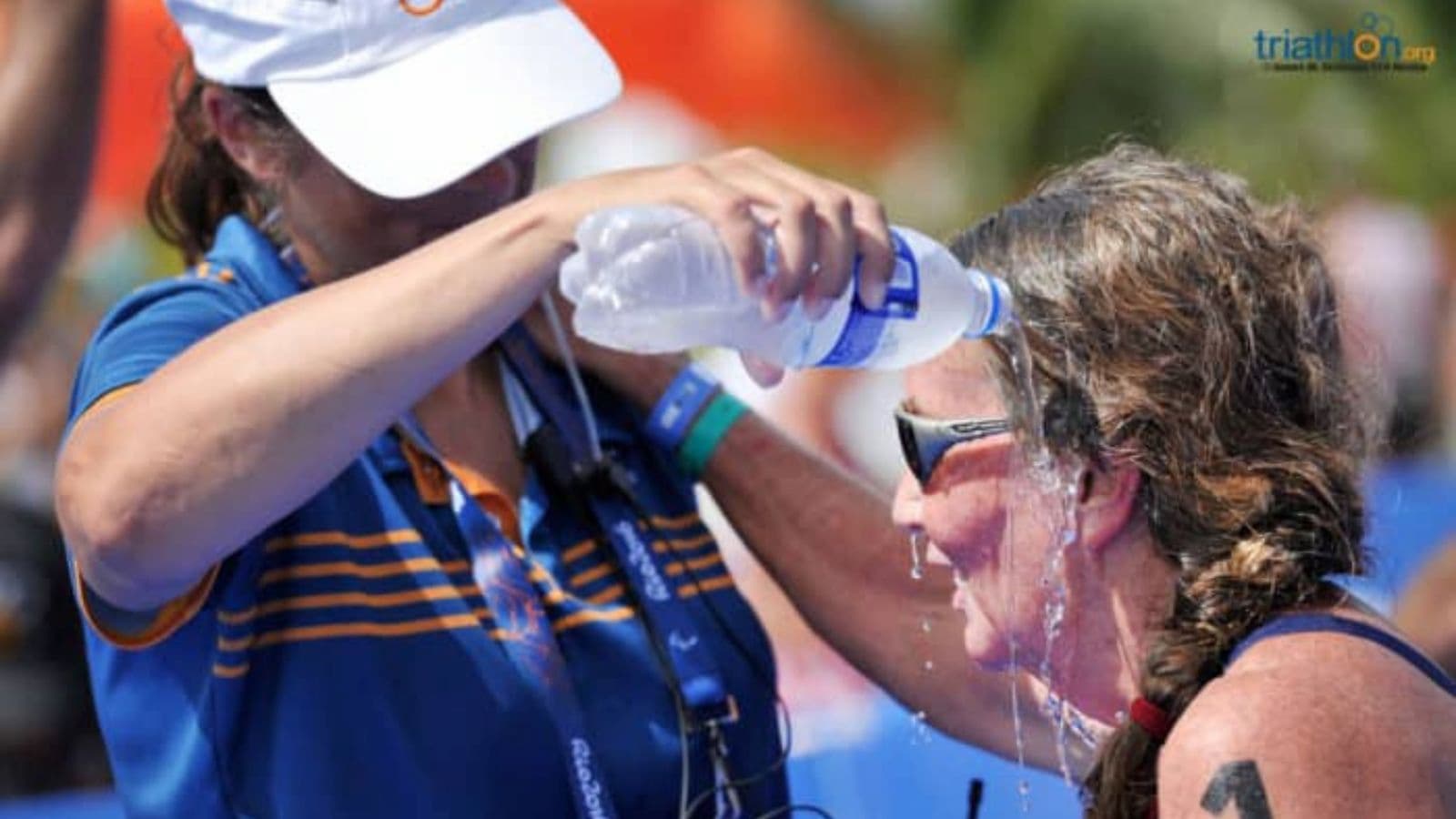
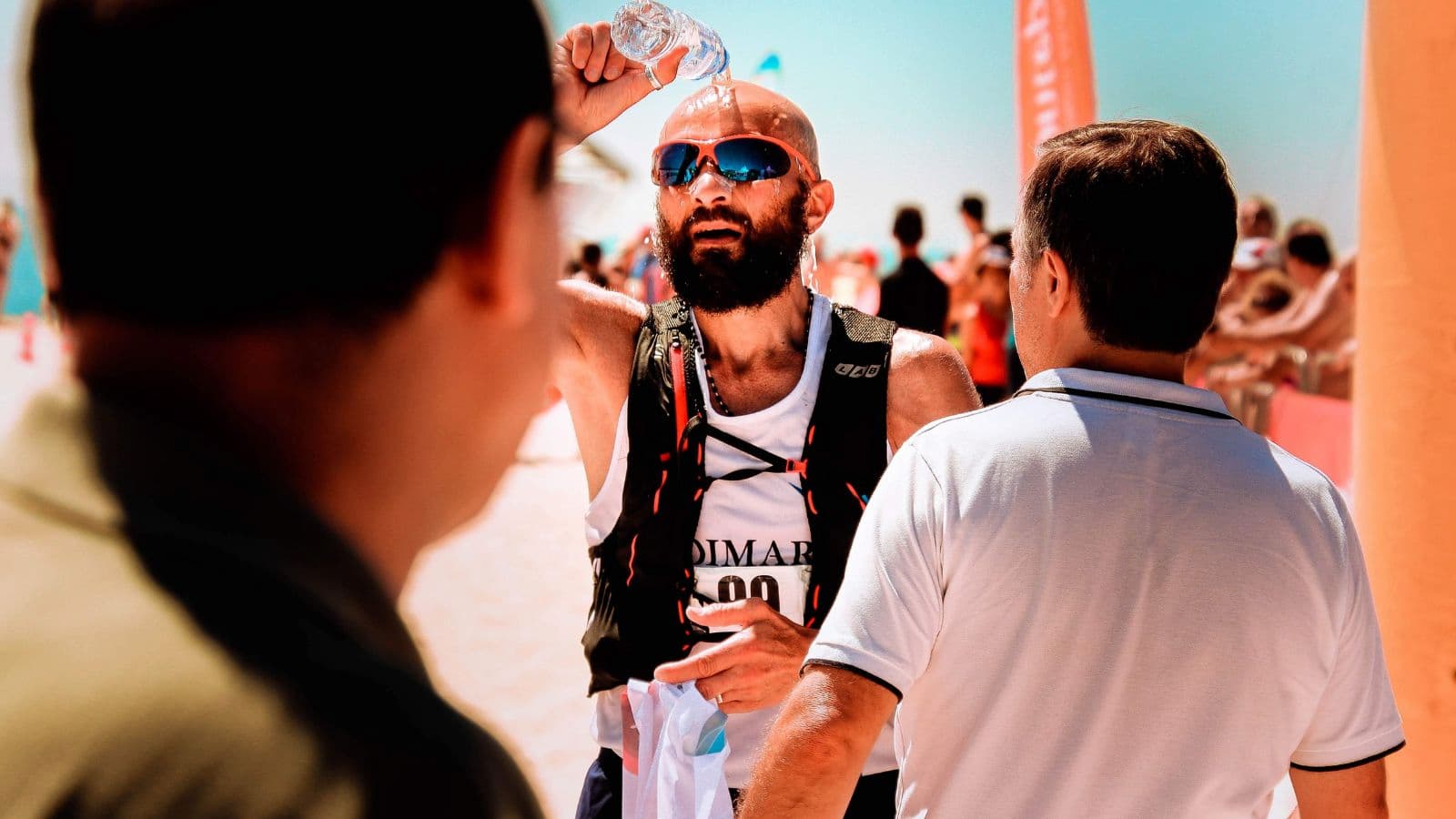
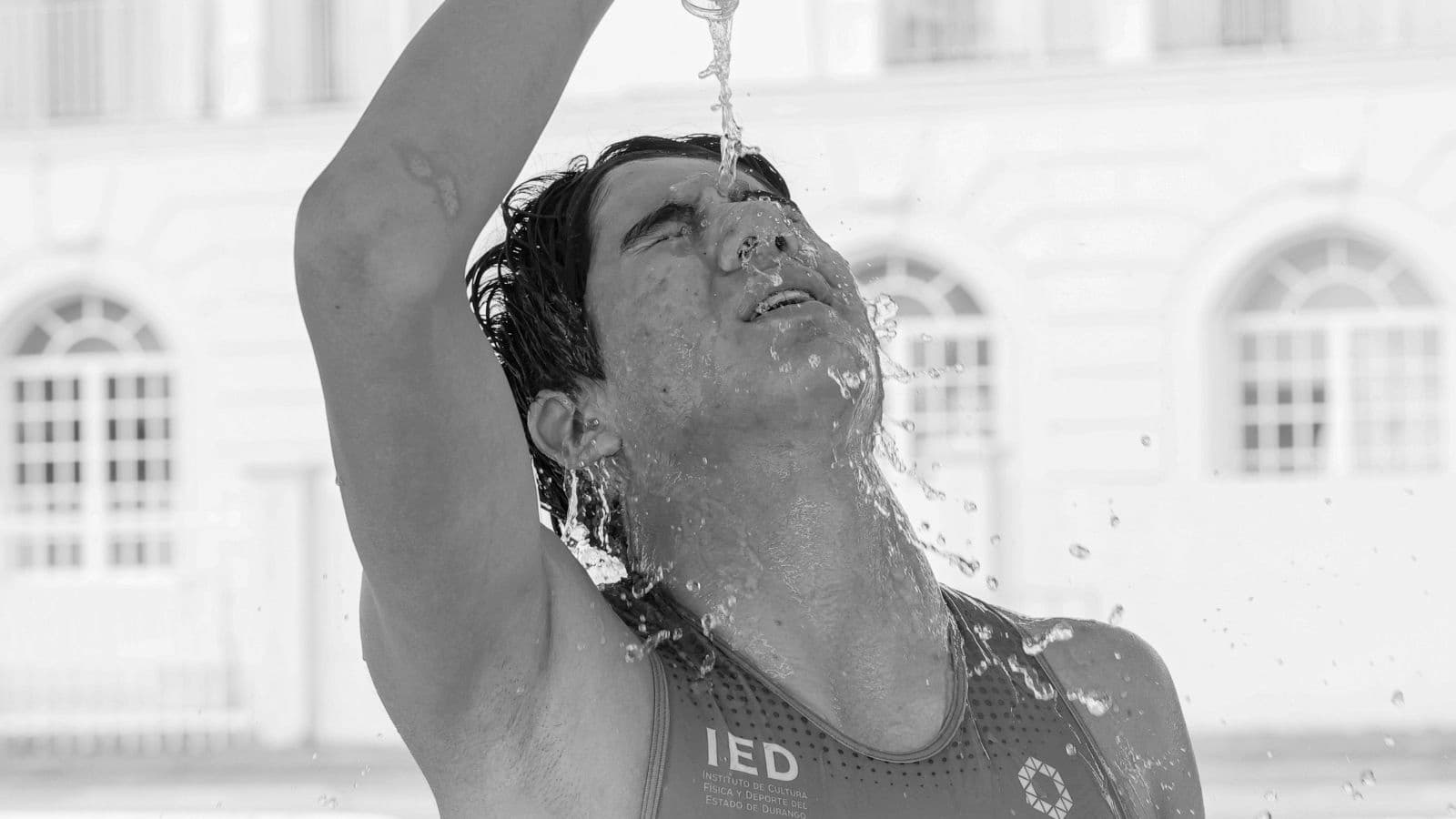
- Pouring water over your head
- Using aid stations effectively
- Staying in shaded areas before the start
Simple cooling measures may improve comfort throughout the race.
Ignoring Nutrition
Heat often suppresses appetite, but your body still requires energy. Athletes who understand how do carbs affect fat burning during endurance training know that carbohydrate intake remains essential even when temperatures are high. Continue following your nutrition plan rather than skipping fuel because you don’t feel hungry.
Not Adjusting Pace
Trying to maintain your normal race pace in extreme heat often leads to overheating.
Instead:
- Pace by effort
- Monitor breathing
- Stay patient
Hot races usually require slower pacing than cool-weather events.
Skipping Heat Acclimation
Preparing in cool conditions alone may leave athletes struggling when race day is hot. Whenever possible, include controlled heat exposure during training. Athletes who understand how can winter riding improve triathlon bike handling skills know that training in varied environmental conditions improves adaptability throughout the season.
Neglecting Recovery Before the Race
Arriving fatigued makes heat much harder to tolerate.
Prioritise:
- Sleep
- Nutrition
- Hydration
- Recovery during race week
A well-rested body manages heat more effectively.
Ignoring Early Warning Signs
Heat illness can develop quickly.
Watch for:
- Dizziness
- Chills
- Confusion
- Headache
- Loss of coordination
If symptoms worsen, slow down and seek medical assistance if necessary.
Using New Products on Race Day
Hot races are not the time to test unfamiliar:
- Drinks
- Electrolytes
- Cooling products
- Nutrition
Everything should be practised beforehand.
Overdrinking
Drinking excessive amounts of plain water can create problems as well. Balance fluid intake with electrolytes and avoid assuming that more water is always better.
Forgetting the Bike Affects the Run
The bike leg is where many athletes either prepare for success or create problems later. Athletes who understand how to improve your bike speed for a half ironman know that pacing and hydration on the bike directly influence running performance, especially in hot weather.
Not Listening to Your Body
Technology is useful, but conditions sometimes require flexibility. If your body feels unusually stressed, adjust accordingly. Athletes who understand how do professional triathletes train their minds for success know that making calm decisions under pressure is a key part of racing well.
Believing Fitness Alone Is Enough
Exceptional fitness cannot completely overcome poor decision-making. Athletes who understand what matters more in triathlon: fitness or technique know that smart execution often matters just as much as physical preparation.
Race strategy becomes increasingly important as temperatures rise.
Failing to Recover Properly Afterwards
Hot races place additional stress on the body.
Recovery should include:
- Fluids
- Electrolytes
- Carbohydrates
- Protein
- Rest
Athletes who understand how can heat training improve performance know that recovery begins immediately after crossing the finish line, regardless of race distance.
Common Heat-Racing Mistakes
Many triathletes:
- Start too aggressively.
- Underestimate hydration needs.
- Ignore electrolyte replacement.
- Pace by normal race speed instead of effort.
- Skip heat acclimation.
- Wear excessive clothing.
- Try new nutrition products.
- Ignore warning signs of heat illness.
Avoiding these mistakes can significantly improve both safety and performance.
Racing Smarter in Hot Conditions
To perform well in the heat:
- Begin the race conservatively.
- Follow a practiced hydration strategy.
- Replace electrolytes alongside fluids.
- Continue consuming carbohydrates.
- Adjust pace according to conditions.
- Use cooling opportunities whenever possible.
- Monitor your body’s warning signs.
- Recover thoroughly after finishing.
Hot-weather racing rewards preparation more than bravery. Triathletes who respect the conditions, adapt their pacing, and consistently manage hydration and nutrition are far more likely to finish strongly than those who simply try to push through the heat. Smart decisions before and during the race can make the difference between surviving the conditions and performing at your best.