
Bike handling and cornering are essential skills for triathletes, yet they are often overlooked in training. While most athletes focus on endurance and power, poor handling can cost time, confidence, and safety on race day. The good news is that even without access to outdoor roads, you can still develop key handling skills indoors. With the right approach, indoor training can improve control, balance, and confidence on the bike.

Why Bike Handling Skills Matter in Triathlon?
Bike handling is not just for technical courses, it affects overall efficiency. Better control allows smoother riding, safer cornering, and improved energy management. Poor handling leads to unnecessary braking, hesitation, and wasted effort. Confidence on the bike also reduces mental fatigue during races. Developing these skills supports overall race performance, especially when combined with structured preparation like training for a 70.3 and half ironman triathlon, where efficient riding is key.
Can You Really Practice Handling Indoors?
While indoor training cannot fully replicate real-world conditions, it can develop foundational skills. Balance, coordination, and control can all be improved in a controlled environment. Indoor drills help you build muscle memory and awareness. These skills transfer directly to outdoor riding when practiced consistently.
The goal is to refine movement patterns that make outdoor handling easier.
Improving Balance and Stability
- Balance is the foundation of bike handling.
- Indoor training allows you to focus on stability without distractions.
- Riding at lower speeds or controlled resistance helps develop control.
- Practicing smooth pedalling improves overall balance.
- Better stability translates into more confident handling outdoors.
Cadence Control for Better Handling
- Cadence plays a significant role in how stable you feel on the bike.
- A steady cadence keeps your movements smooth and controlled.
- Erratic pedalling can make the bike feel unstable.
- Indoor sessions are ideal for refining cadence awareness.
Developing this skill, similar to the principles of optimizing your bike split for race day, helps maintain control under different conditions.
Simulating Cornering Techniques Indoors
- Although you cannot physically corner indoors, you can practice the movements involved.
- Focus on upper body positioning and weight distribution.
- Learn to stay relaxed rather than tense.
- Practice shifting your weight slightly as if entering a turn.
- These small adjustments build familiarity with cornering mechanics.
Body Position and Weight Distribution
- Proper body position is critical for safe and efficient cornering.
- Your weight should be balanced and controlled.
- A stable upper body allows better control of the bike.
- Indoor drills help reinforce correct posture.
- This improves both comfort and performance during real rides.
Developing Smooth Transitions in Movement
- Handling is not just about turning, it is about how smoothly you move.
- Transitions between effort levels and positions should feel controlled.
- Sudden movements reduce stability and increase risk.
- Indoor practice allows you to focus on smooth adjustments.
- This builds confidence in your ability to control the bike.
Strengthening Core for Better Control
- Core strength plays a major role in bike handling.
- A strong core stabilises your body and improves balance.
- It allows better control during cornering and movement.
- Indoor training can include core-focused exercises.
- Combining strength with technique improves overall handling ability.
Mental Focus and Awareness
- Indoor training is an opportunity to build mental awareness.
- Without external distractions, you can focus on technique.
- Pay attention to how your body moves and responds.
- Developing awareness improves reaction time and control.
- This becomes especially useful when applied outdoors.
Using Indoor Trainers Effectively
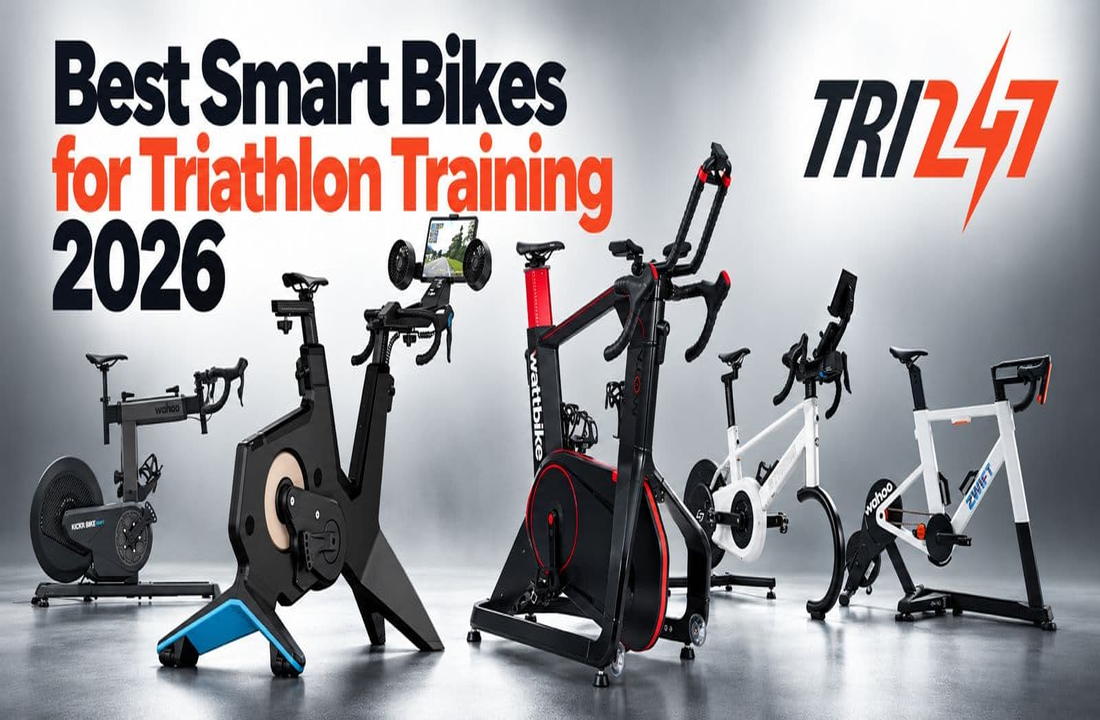
Different types of trainers can influence your practice. Rollers are particularly useful for developing balance and control. Smart trainers allow structured sessions but offer less movement. Both can be used effectively depending on your goals.
Choosing the right setup helps maximise your training benefits.
Limitations of Indoor Practice
- Indoor training cannot replicate real-world cornering fully.
- You do not experience wind, terrain, or road surfaces.
- Handling at speed requires outdoor practice.
- However, indoor training builds the foundation needed for those skills.
- It prepares you to adapt more quickly outdoors.
Transitioning Skills to Outdoor Riding
Indoor practice should complement outdoor training. Once comfortable, apply your skills on real roads. Start with controlled environments before progressing to more complex conditions. Confidence builds gradually through experience.
This progression is similar to how athletes develop open water skills in how to sight properly in open water swimming, where controlled practice leads to real-world confidence.
Building Confidence Over Time
- Confidence in handling comes from repetition and consistency.
- Practicing regularly improves control and reduces hesitation.
- Small improvements lead to significant gains over time.
- Confidence allows you to ride more efficiently and safely.
- This is especially important in races where conditions can vary.
Combining Handling With Overall Training
Bike handling should not be isolated from overall training. It should be integrated into your routine. Balancing technique with endurance and pacing improves performance.
This approach aligns with the most important bike workouts for a 70.3 triathlon, where skill and fitness work together.
Common Mistakes
- Ignoring handling skills limits overall performance.
- Practicing only power and endurance creates imbalance.
- Overthinking movements reduces natural control.
- Skipping outdoor practice limits real-world adaptation.
- Inconsistent practice slows improvement.
Practical Checklist
- Practice balance and stability regularly
- Maintain steady cadence during sessions
- Focus on body position and weight distribution
- Use rollers or trainers effectively
- Combine indoor and outdoor practice
- Build skills gradually over time
What You Should Do?
- Start by incorporating simple handling drills into your indoor sessions.
- Focus on balance, cadence, and smooth movement.
- Gradually build confidence before applying skills outdoors.
- Combine indoor practice with real-world riding for best results.
- Following a structured approach, similar to pacing and fueling the bike leg in a triathlon, helps ensure your training remains effective and purposeful.
- Long-term development also benefits from understanding progression, as seen in off-season training for triathletes, where building foundational skills supports future performance.