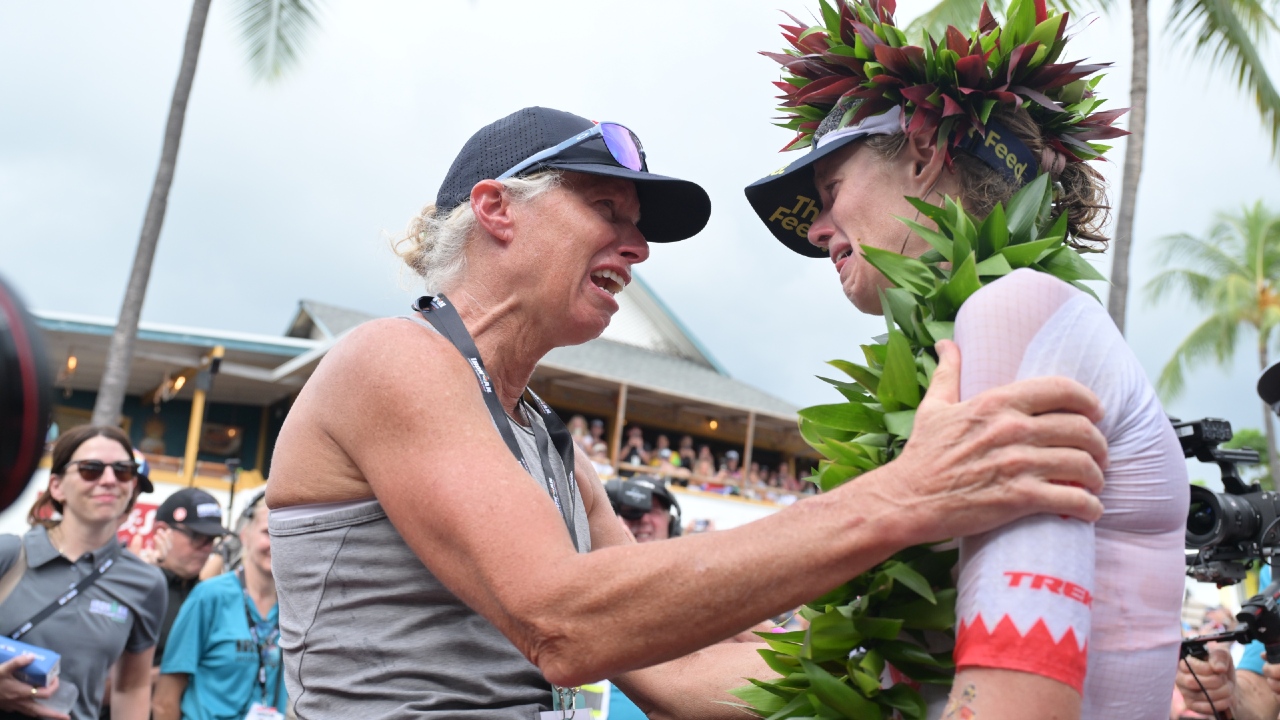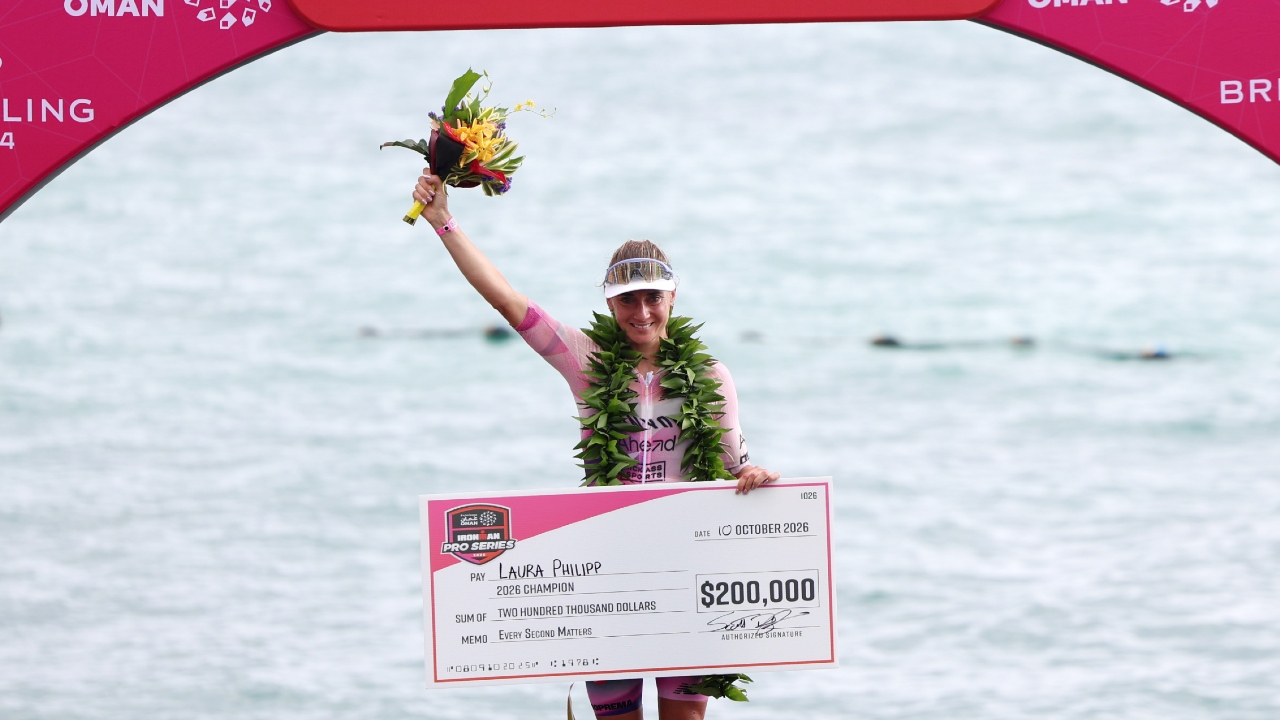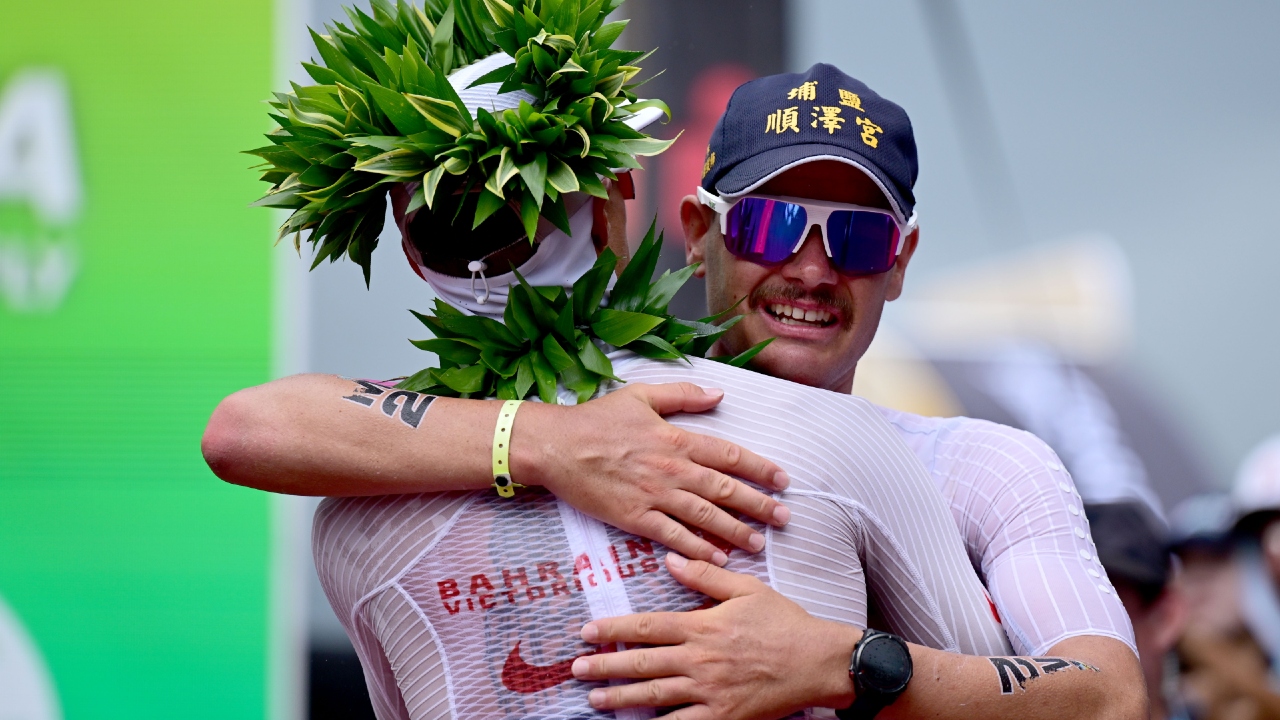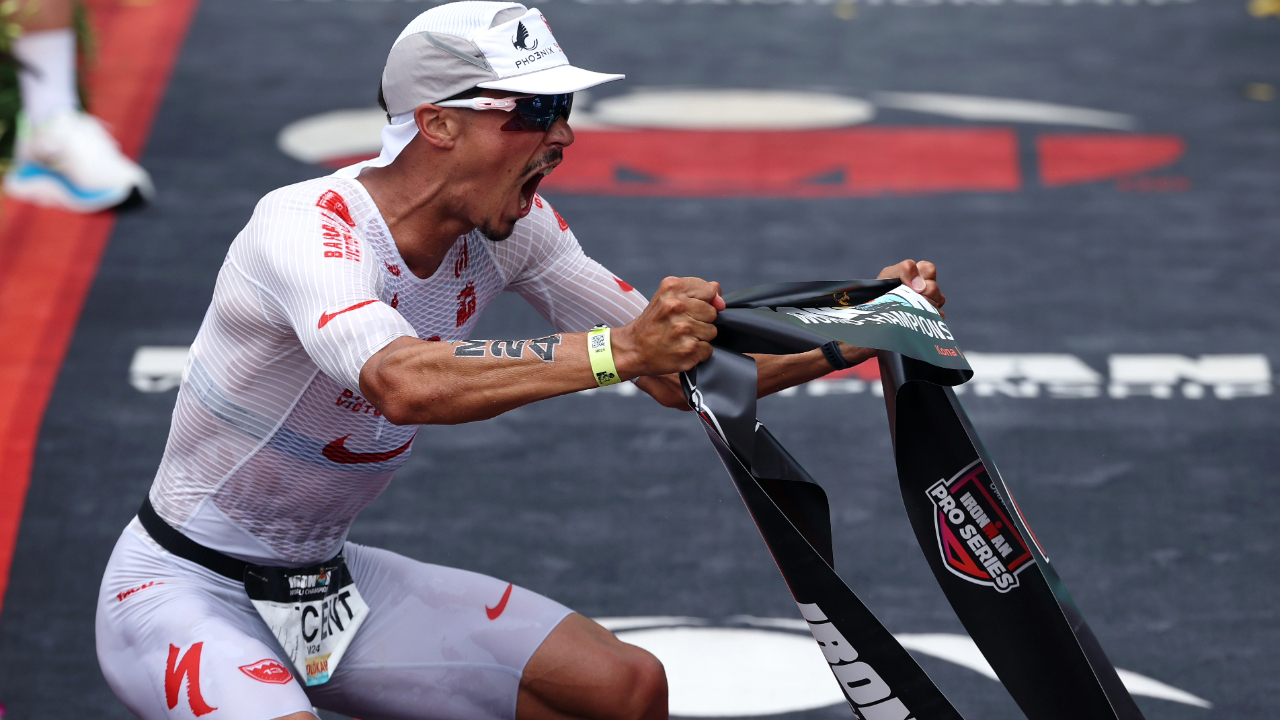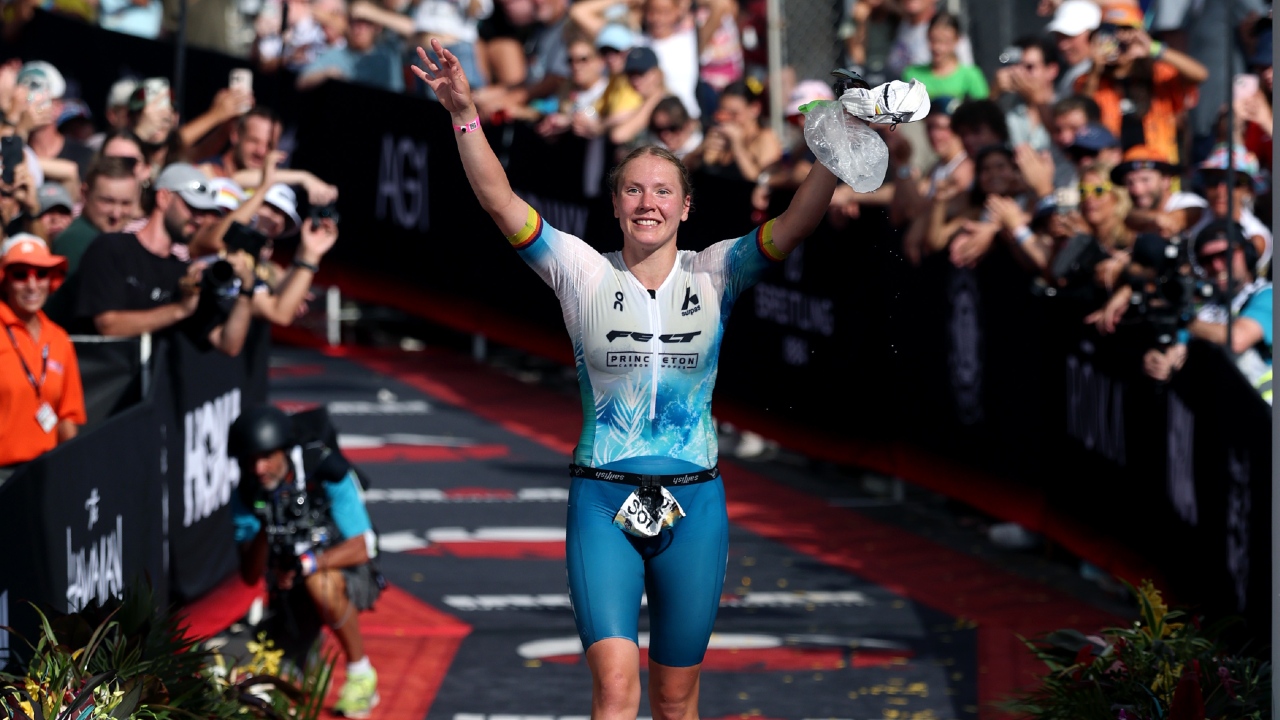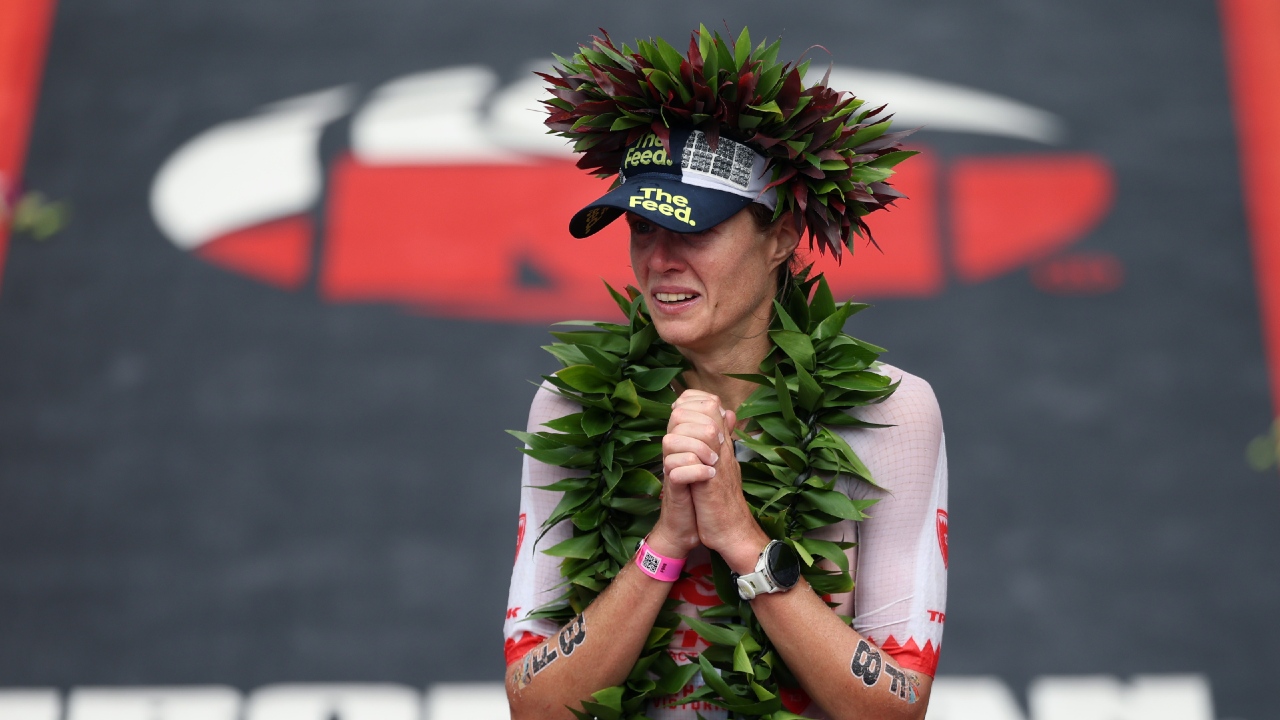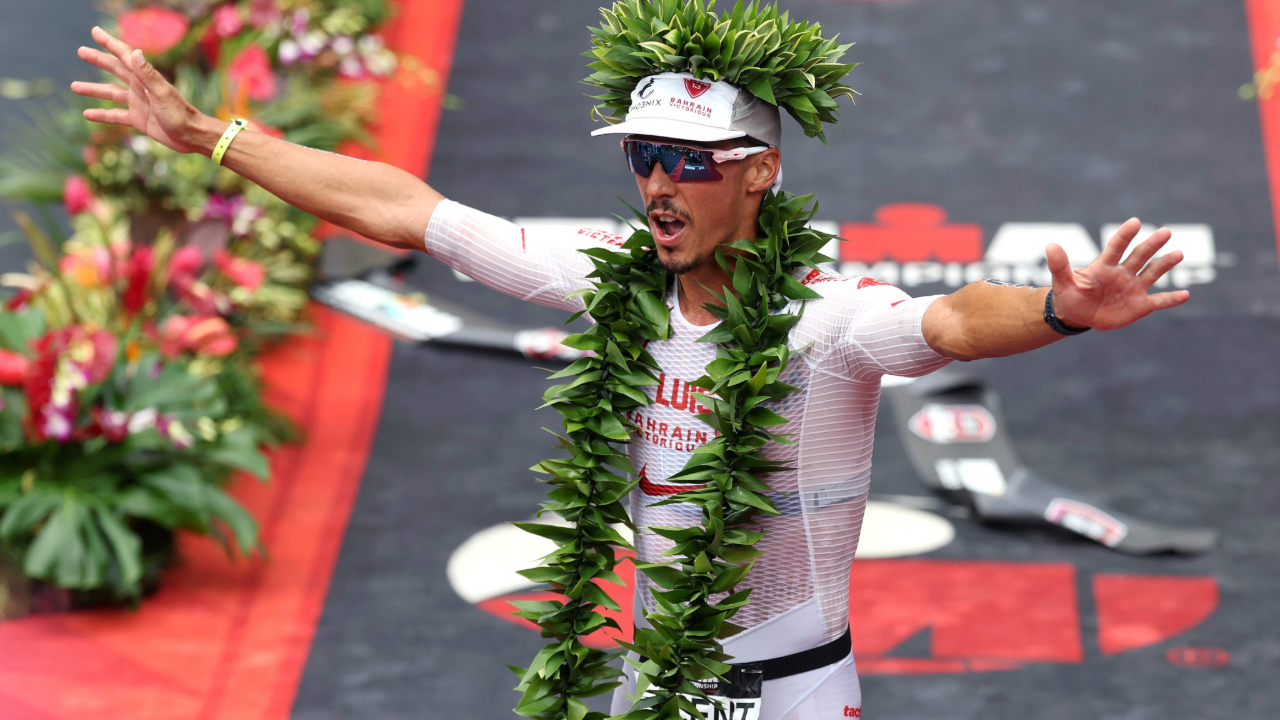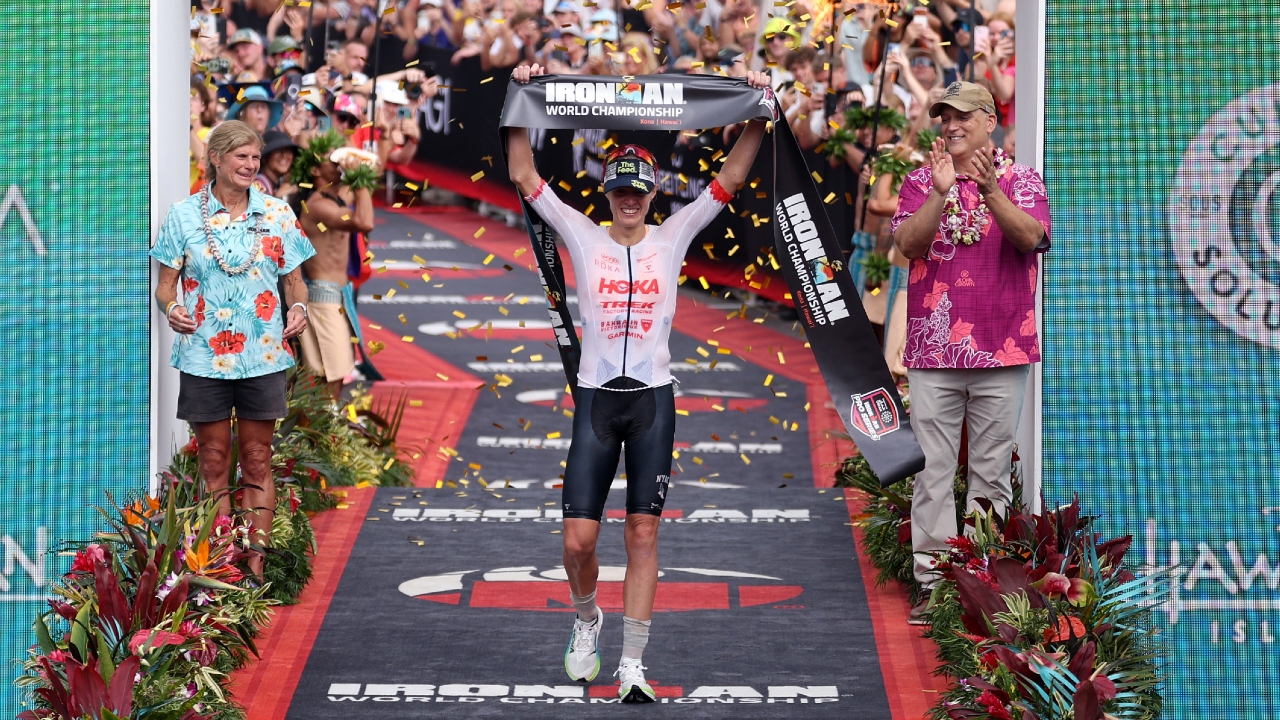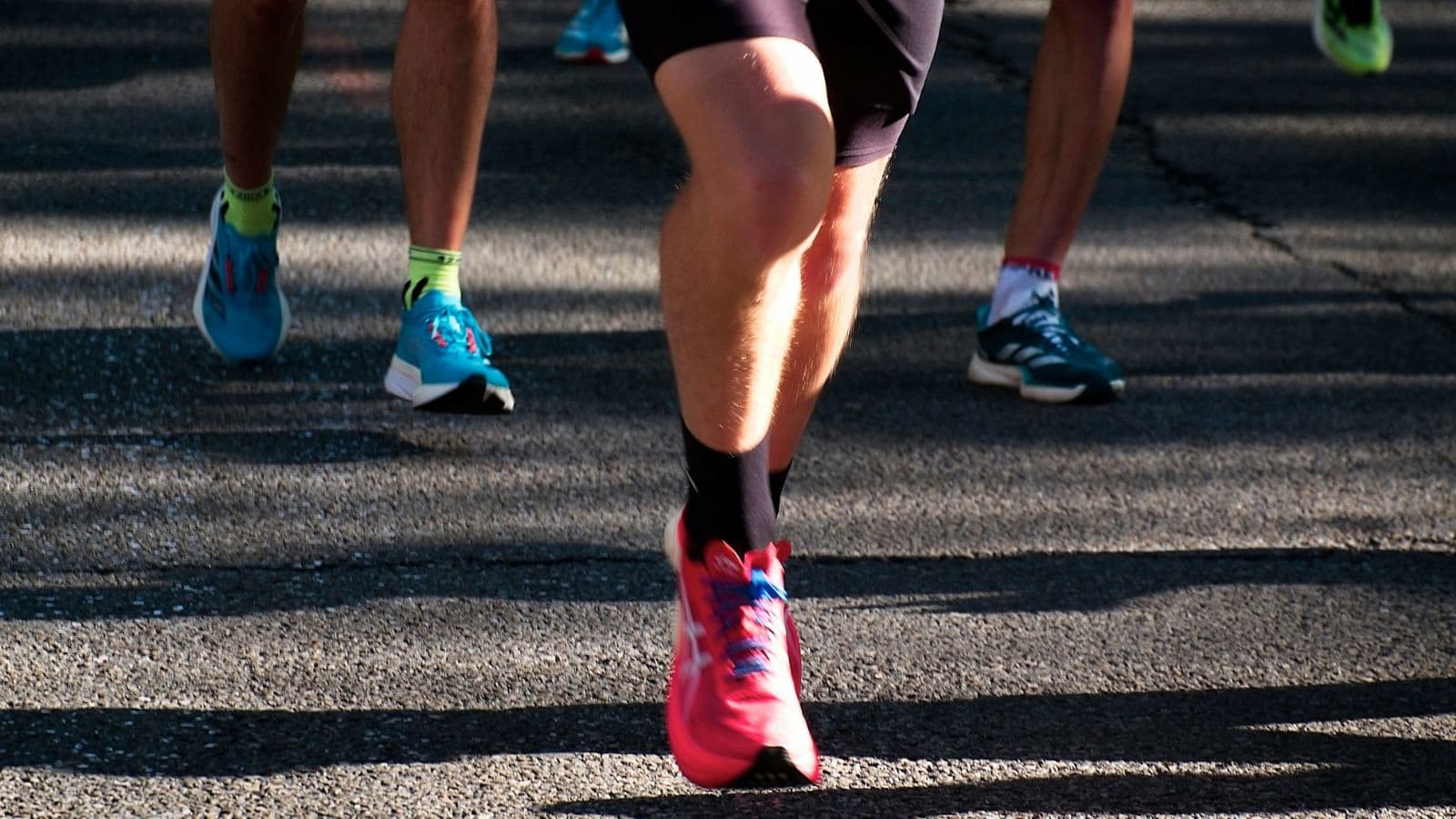


For many triathletes, the first few minutes of the run feel awkward, heavy, and uncomfortable. Legs that felt strong on the bike can suddenly seem unresponsive when transitioning to running. Yet elite triathletes appear to do the impossible, they hop off the bike and immediately run at impressive speeds, often producing some of the fastest run splits of the day. This ability is not simply a result of superior fitness. Elite triathletes develop specific physiological adaptations, technical skills, pacing strategies, and race-day habits that allow them to run efficiently after cycling. Understanding how they achieve this can help athletes of all levels improve their own bike-to-run performance.
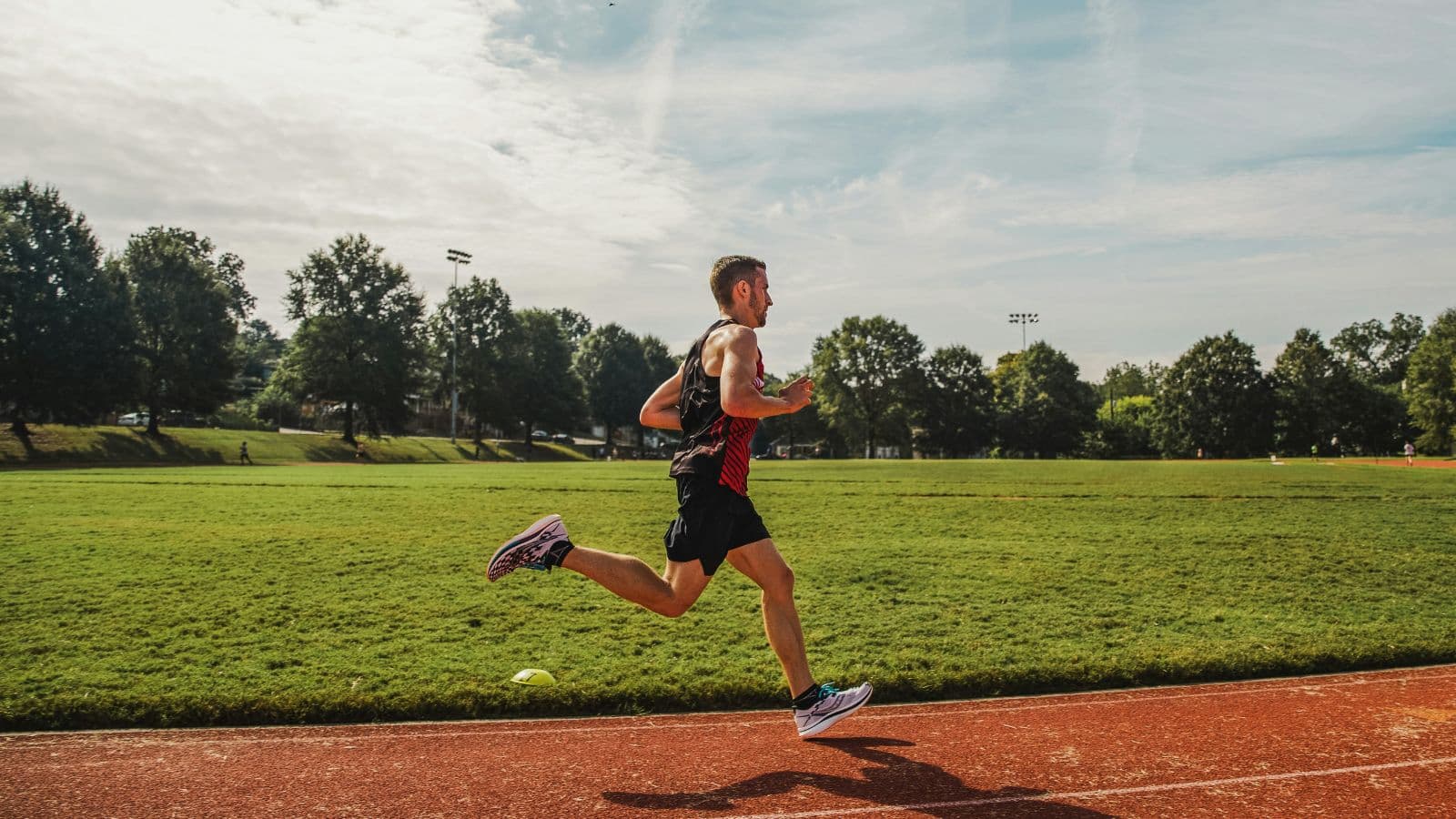
The Bike Leg Is Part of the Run
One of the biggest differences between elite and recreational triathletes is how they view the bike segment. Many age-group athletes ride as fast as possible and then hope to survive the run. Elite athletes often approach cycling differently.
They understand that:
- The bike affects the run
- Energy management matters
- Efficiency is critical
Athletes who understand how can triathletes reduce triathlon fatigue and run stronger know that running well often begins long before the run actually starts.
They Pace the Bike Intelligently
Elite triathletes rarely chase unsustainable efforts during the bike leg.
Instead, they focus on:
- Controlled pacing
- Energy conservation
- Sustainable power output
Athletes who understand are triathletes relying too much on training data know that performance metrics are most valuable when used to prevent costly pacing mistakes. Running fast requires arriving at T2 with something left in the tank.
They Build Exceptional Aerobic Fitness
Elite triathletes possess extraordinary aerobic engines.
Years of consistent training help develop:
- Cardiovascular efficiency
- Fatigue resistance
- Recovery capacity
Athletes who understand how can working professionals train for a 70.3 triathlon know that endurance performance is built through thousands of hours of training rather than a handful of key workouts. Aerobic fitness allows elites to maintain speed under fatigue.
Brick Training Creates Specific Adaptations
One reason elite triathletes run smoothly off the bike is that they practice it regularly.
Brick workouts involve:
- Cycling
- Immediate running
These sessions help athletes adapt to:
- Neuromuscular changes
- Altered movement patterns
- Race-specific fatigue
Athletes who understand how to adapt to a triathlon training plan while traveling know that maintaining sport-specific training often helps preserve race readiness.
Cycling Efficiency Conserves Energy
Elite triathletes are exceptionally efficient cyclists.
They avoid wasting energy through:
- Smooth pedaling
- Good aerodynamics
- Effective bike handling
Athletes who understand what cycling drills help triathletes improve bike technique know that technical efficiency can make a significant difference over long distances. Less wasted energy means fresher legs for the run.
They Fuel Properly During the Bike
Nutrition plays a major role in run performance.
The bike leg provides the best opportunity to consume:
- Carbohydrates
- Fluids
- Electrolytes
Athletes who understand how do carbs affect fat burning during endurance training know that carbohydrate availability becomes increasingly important as race intensity and duration increase. Poor fueling often shows up during the run.
Running Form Matters
Elite triathletes focus heavily on maintaining efficient mechanics.
Strong running form helps:
- Reduce energy waste
- Improve economy
- Delay fatigue
Athletes who understand how does hip extension affect speed and efficiency in triathlon running know that small biomechanical advantages can produce meaningful performance gains over race distances.
They Train the Mental Side
Running well after cycling is as much a mental challenge as a physical one.
Elite athletes develop:
- Patience
- Focus
- Resilience
Athletes who understand how can triathletes overcome the “dark place” during a race know that mental skills often determine how athletes respond when fatigue inevitably arrives.
They Avoid Excessive Muscle Damage
Strong cyclists can sometimes generate massive power outputs that leave their legs exhausted. Elite triathletes balance power with efficiency.
They aim to:
- Minimize muscular damage
- Maintain sustainable effort
- Preserve running ability
The goal is not simply producing the highest bike split. The goal is producing the fastest overall race.
Consistency Creates Durability
Elite triathletes rarely rely on short periods of extreme training.
Instead, they accumulate years of:
- Consistent training
- Progressive development
- Structured recovery
Athletes who understand how should older triathletes stay motivated and train with intensity know that long-term consistency often matters more than occasional breakthrough sessions.
Strong Core Stability Helps
Running efficiently after cycling requires stability throughout the body.
Core strength helps:
- Maintain posture
- Improve force transfer
- Reduce unnecessary movement
As fatigue increases, these benefits become increasingly important.
They Practice Race Pace
Elite athletes spend considerable time training near race intensity.
This helps them:
- Understand pacing
- Improve efficiency
- Develop confidence
Race-day efforts become familiar rather than intimidating.
Bike Fit Influences Run Performance
A poor bike position can create:
- Hip tightness
- Excess fatigue
- Running inefficiency
Athletes who understand how to know if your treadmill is accurate during triathlon training often appreciate that seemingly small details can significantly influence training quality and race outcomes. Equipment setup matters.
Recovery Allows Adaptation
Elite athletes train hard, but they also recover effectively.
Recovery supports:
- Fitness gains
- Injury prevention
- Long-term progression
Without recovery, the adaptations required for strong bike-to-run performance become difficult to achieve.
They Think About the Entire Race
Perhaps the biggest difference is perspective.
Elite triathletes rarely view the race as:
- Swim
- Bike
- Run
Instead, they view it as one continuous event. Every decision made during the swim and bike influences what happens on the run. Athletes who understand how to balance triathlon training with ultrarunning know that managing fatigue across multiple disciplines requires strategic thinking and careful planning.
Common Mistakes Age-Group Triathletes Make
Many athletes:
- Bike too hard
- Underfuel
- Skip brick sessions
- Neglect running form
- Ignore pacing
- Train inconsistently
- Overlook recovery
- Focus on discipline-specific performance instead of overall results
These mistakes often make the run feel harder than necessary.
How Elite Triathletes Run Fast After Cycling?
Elite athletes typically succeed by:
- Pacing the bike intelligently
- Building exceptional aerobic fitness
- Practicing brick workouts
- Fueling effectively
- Maintaining efficient running mechanics
- Conserving energy on the bike
- Training consistently
- Managing fatigue strategically
Running fast after cycling is not about finding a secret workout or shortcut. It is the result of years of consistent training, intelligent pacing, efficient movement, and understanding how all three disciplines work together. The athletes who run best are often the athletes who manage the entire race most effectively.