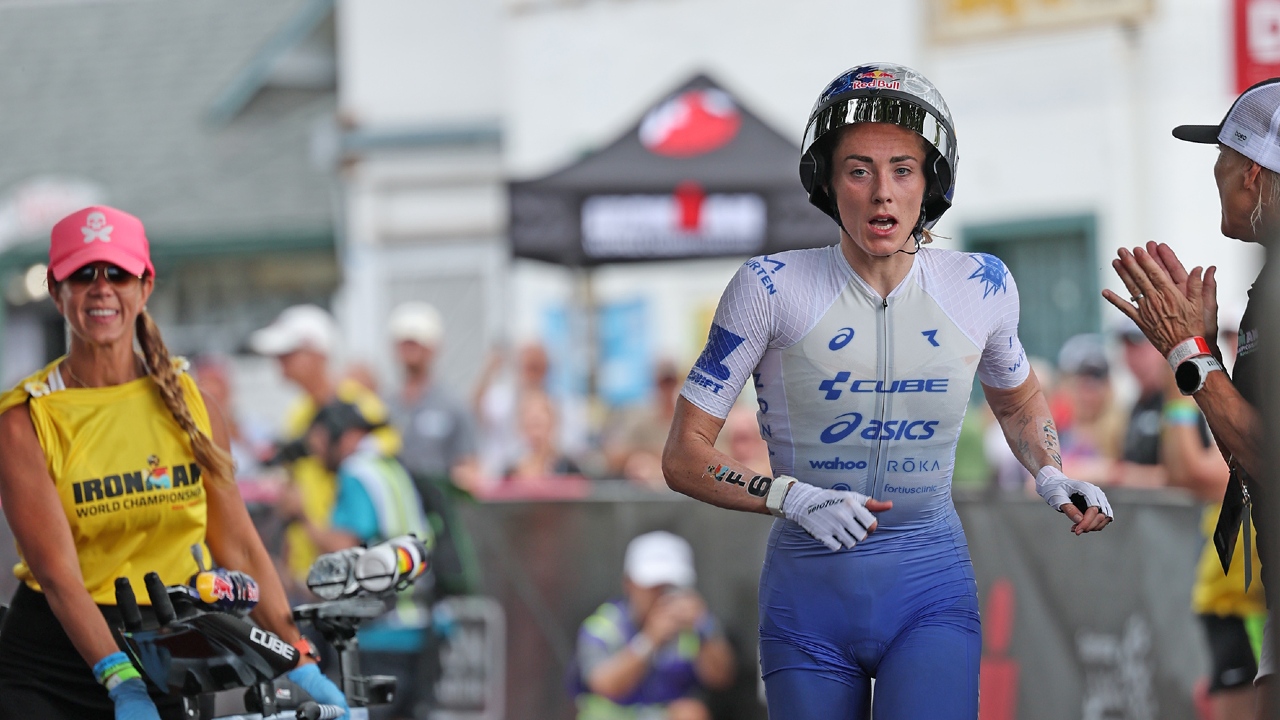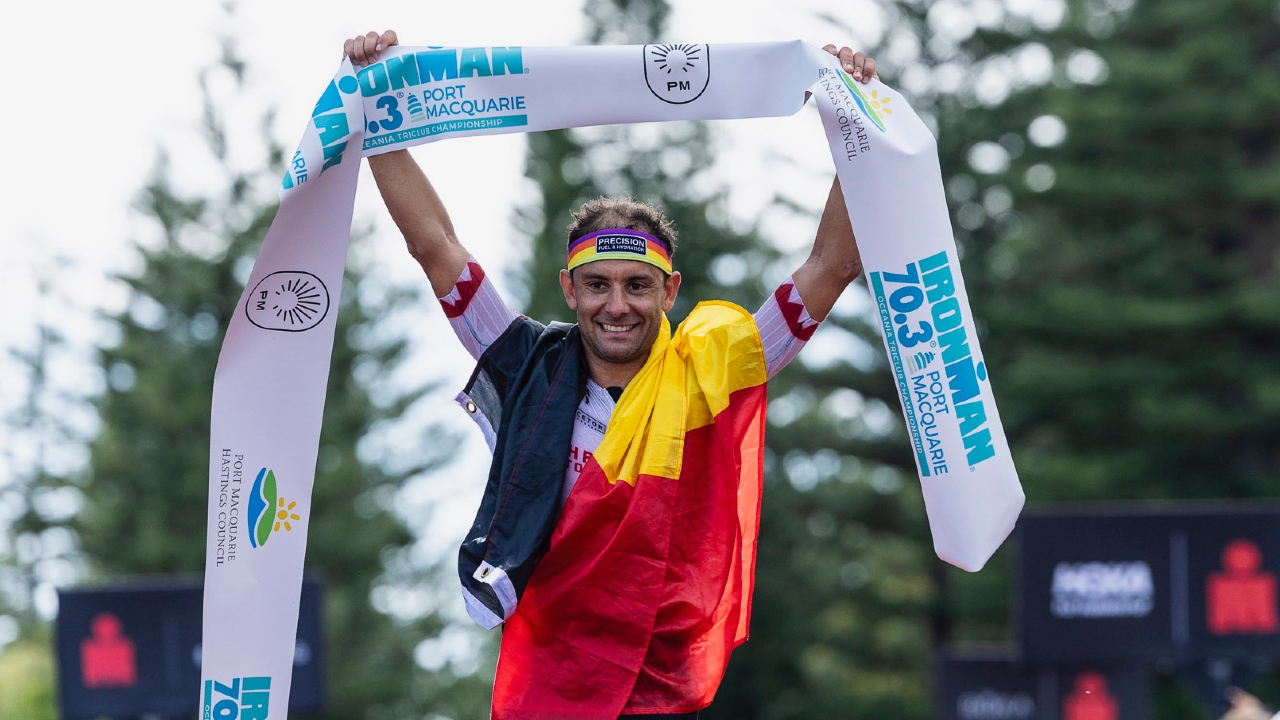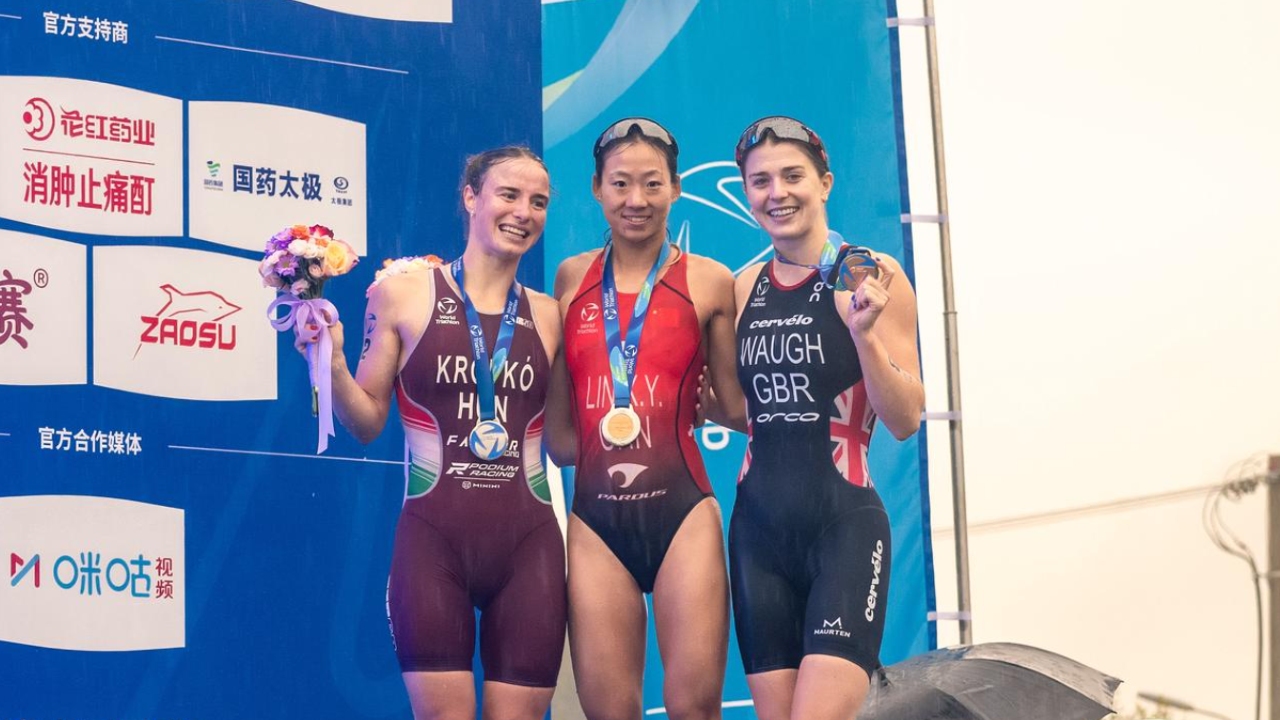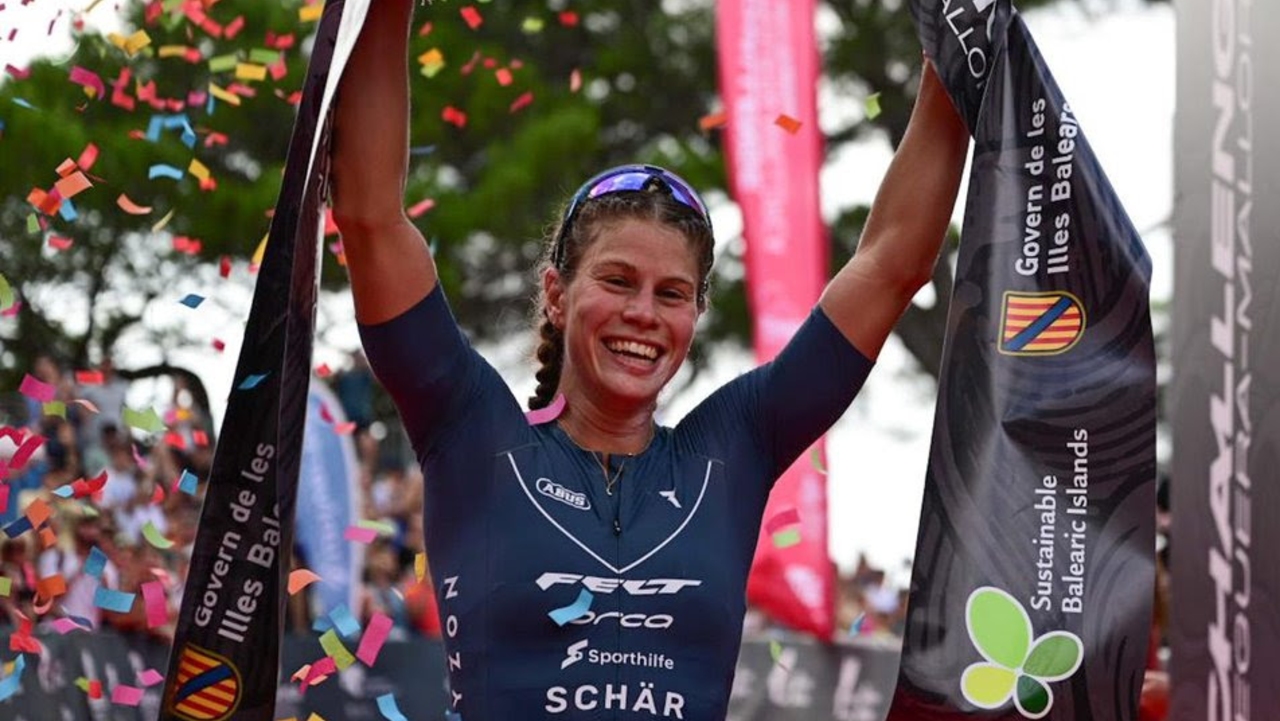


Yes, experience can help older triathletes perform better with age, even as some physical abilities gradually decline. Years of training and racing can improve pacing judgment, energy management, technical skills, and the ability to respond calmly when a race becomes difficult. Aging can affect maximum aerobic capacity, muscle mass, speed, and recovery. However, triathlon performance depends on more than physical fitness. Athletes must distribute effort across swimming, cycling, and running while managing nutrition, equipment, transitions, and changing race conditions. Experienced triathletes often understand their strengths and limitations better than beginners. They may recognize when to conserve energy, how to avoid common pacing mistakes, and which training sessions produce the greatest benefit without creating unnecessary fatigue.
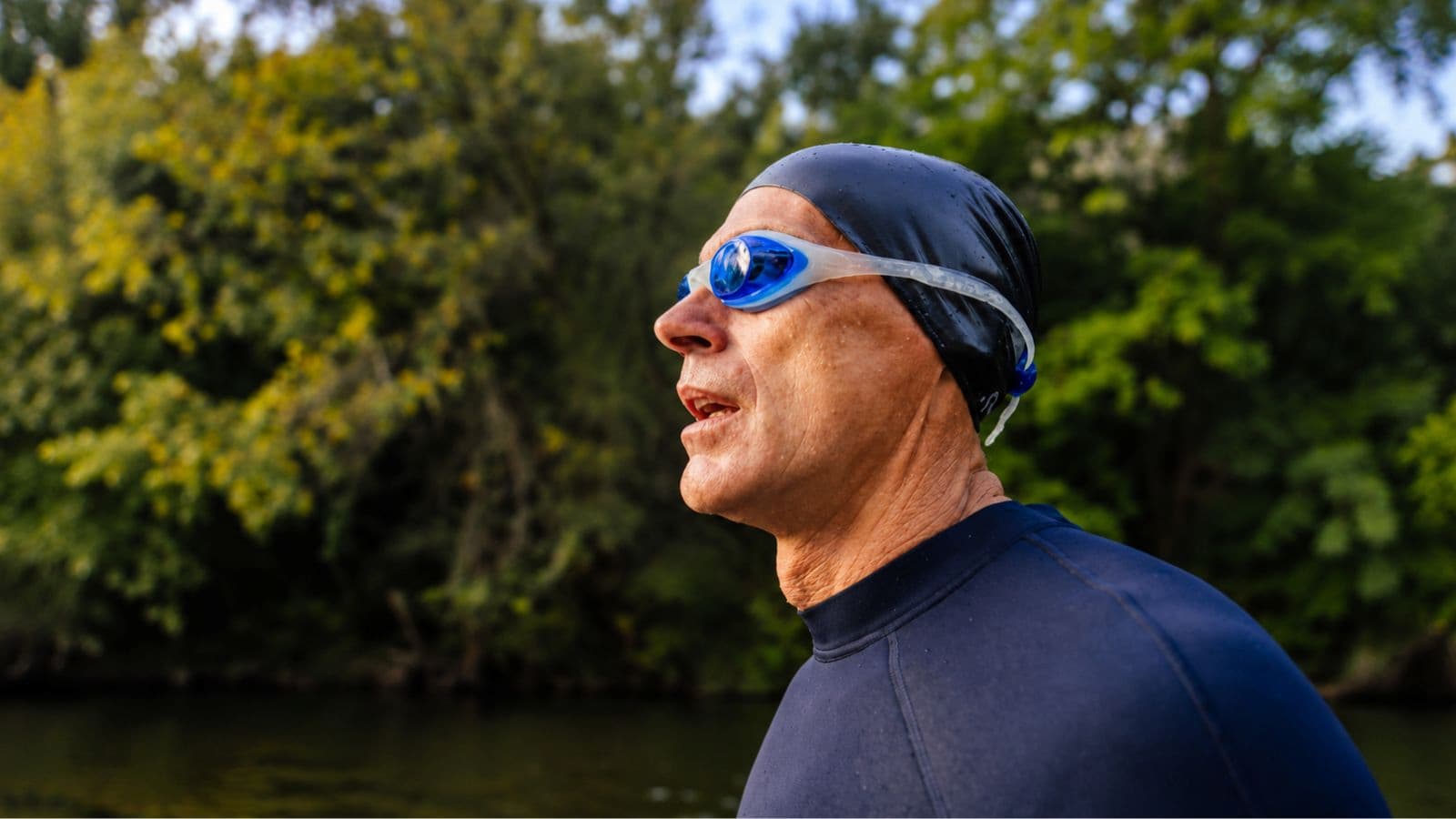
Experience does not completely prevent age related performance changes. Its value lies in helping athletes use their available fitness more effectively. For older triathletes, smarter preparation and race execution can sometimes produce better results than simply increasing training volume.
In Short
- Experience can improve race execution.
- Aging does not automatically end performance gains.
- Better pacing reduces unnecessary fatigue.
- Familiar fueling strategies improve race preparation.
- Technical skills can remain valuable.
- Recovery needs may change with age.
- Strength training supports physical capacity.
- Mental resilience helps during difficult races.
- Consistency matters more than occasional extreme workouts.
- Personal improvement remains possible at older ages.
Why Experience Matters in Triathlon?
Triathlon requires physical fitness and practical decision making.
Experienced athletes often develop a better understanding of:
- Sustainable race intensity.
- Personal strengths and weaknesses.
- Appropriate training volume.
- Fueling requirements.
- Recovery needs.
- Race day preparation.
These skills can reduce avoidable mistakes. An athlete who understands how to become an efficient triathlete can focus on using existing fitness effectively rather than assuming every performance improvement requires more training.
Better Pacing Can Offset Some Physical Changes
Pacing is one of the clearest advantages of experience. Younger or less experienced athletes may start aggressively because they feel strong early in the race. However, excessive effort during swimming or cycling can significantly affect later performance. Experienced triathletes are often better at recognizing sustainable intensity.
Effective pacing includes:
- Starting the swim under control.
- Avoiding unnecessary cycling surges.
- Maintaining a manageable effort on climbs.
- Beginning the run conservatively.
- Adjusting effort for weather conditions.
Understanding how to pace a triathlon properly helps athletes distribute energy across the complete event rather than treating each discipline as a separate race.
Experience Improves Bike-to-Run Decisions
The cycling leg has a major influence on how well a triathlete runs. An experienced athlete may recognize when pushing harder on the bike is unlikely to produce a worthwhile overall time improvement.
Instead, they focus on:
- Sustainable power.
- Smooth cadence.
- Controlled climbing.
- Consistent fueling.
- Preserving running capacity.
The principles behind how can you bike smarter to improve your triathlon run become especially valuable when an athlete wants to remain competitive without increasing physical stress unnecessarily.
Smarter Training Becomes More Important With Age
Older triathletes may need to reconsider how they organize demanding workouts. The goal is not automatically to train less. It is to identify the workload that produces improvement while allowing adequate recovery.
Useful adjustments include:
- Separating demanding sessions.
- Reducing unnecessary intensity.
- Maintaining aerobic training.
- Prioritizing important workouts.
- Allowing flexibility when fatigue increases.
Following why are slower training sessions important for triathletes can help athletes maintain endurance without turning every session into another source of significant fatigue.
Recovery Knowledge Becomes an Advantage
Experience can help athletes recognize the difference between normal training fatigue and signs that recovery is becoming inadequate.
Older triathletes may become better at identifying:
- Persistent muscle soreness.
- Unusual fatigue.
- Declining workout quality.
- Poor sleep.
- Reduced motivation.
- Recurring discomfort.
Recognizing these signs early allows training adjustments before problems become more serious. Understanding what strategies should triathletes follow for a better recovery can help athletes make recovery decisions based on actual training demands rather than following rigid schedules.
Strength Helps Maintain Physical Capacity
Experience alone cannot prevent age related changes in muscle strength. Resistance training becomes increasingly useful for supporting the physical demands of swimming, cycling, and running.
A practical strength routine can include:
- Squats or suitable alternatives.
- Hip strengthening.
- Calf raises.
- Hamstring exercises.
- Upper body pulling movements.
- Trunk stability exercises.
Start with manageable resistance and progress according to ability.
The objective is maintaining useful strength without compromising important endurance sessions.
Technical Skills Can Improve With Experience
Triathlon rewards efficient movement. An experienced swimmer may use better body positioning and breathing control. An experienced cyclist may corner more smoothly and select gears more effectively. Similarly, an experienced runner may recognize inefficient movement when fatigue increases. Technical improvements can help reduce unnecessary effort. This is particularly relevant when using what matters more in triathlon: fitness or technique, because physical capacity and efficient execution contribute differently across the three disciplines.
Fueling Experience Reduces Avoidable Mistakes
Older athletes may have years of experience identifying foods and drinks that work during racing. That knowledge is valuable during longer events.
Experienced triathletes often understand:
- Which foods they tolerate.
- When to begin fueling.
- How much fluid they typically need.
- Which products cause digestive problems.
- How conditions affect intake.
However, previous experience should not replace current testing. Following how to fuel for a triathlon (complete guide) helps athletes adjust nutrition to race duration, intensity, and individual requirements.
Mental Resilience Supports Better Racing
Experience can improve how athletes respond when racing becomes uncomfortable.
An experienced triathlete may be less likely to panic after:
- A difficult swim start.
- An unexpectedly slow bike split.
- A missed pacing target.
- Temporary discomfort.
- A minor transition mistake.
Instead of reacting emotionally, they can focus on practical decisions. Understanding how can mental strategies improve triathlon performance can help athletes develop this skill deliberately rather than relying only on years of racing.
Race Selection Can Improve Results
Older triathletes do not need to compete in every available event. Experience can help them select races that suit their current abilities.
Consider:
- Race distance.
- Course elevation.
- Weather.
- Recovery between events.
- Training availability.
- Personal strengths.
An athlete who excels at steady endurance may perform better on a course that rewards controlled pacing than one requiring repeated explosive efforts. Choosing suitable events is part of intelligent race planning.
Can Older Triathletes Still Set Personal Bests?
Yes, particularly if previous training or race execution left room for improvement.
Possible improvements include:
- Better swim technique.
- More consistent training.
- Improved bike pacing.
- Faster transitions.
- Better fueling.
- Stronger running after cycling.
However, improvement is individual. A lifelong competitive athlete may experience different performance trends from someone who began triathlon later in life. The principles in how should older triathletes stay motivated and train with intensity can help athletes continue pursuing meaningful progress without measuring every result against their youngest racing years.
Common Mistakes
- Assuming experience eliminates physical aging.
- Comparing every race with historical personal bests.
- Maintaining excessive training intensity.
- Ignoring changing recovery needs.
- Neglecting strength training.
- Racing too aggressively early.
- Refusing to adjust established routines.
- Using outdated fueling strategies without testing.
- Treating slower times as proof of failure.
Practical Tips
- Race according to current fitness.
- Use previous races to improve pacing.
- Keep strength training consistent.
- Review recovery after demanding sessions.
- Practice fueling before important races.
- Maintain technical skills.
- Choose events that suit your strengths.
- Adjust training when fatigue accumulates.
- Measure progress beyond finishing time.
Actionable Takeaways
- Use experience to make better pacing and training decisions.
- Maintain strength and aerobic fitness.
- Adapt recovery to current needs.
- Focus on efficient racing rather than comparing every result with the past.