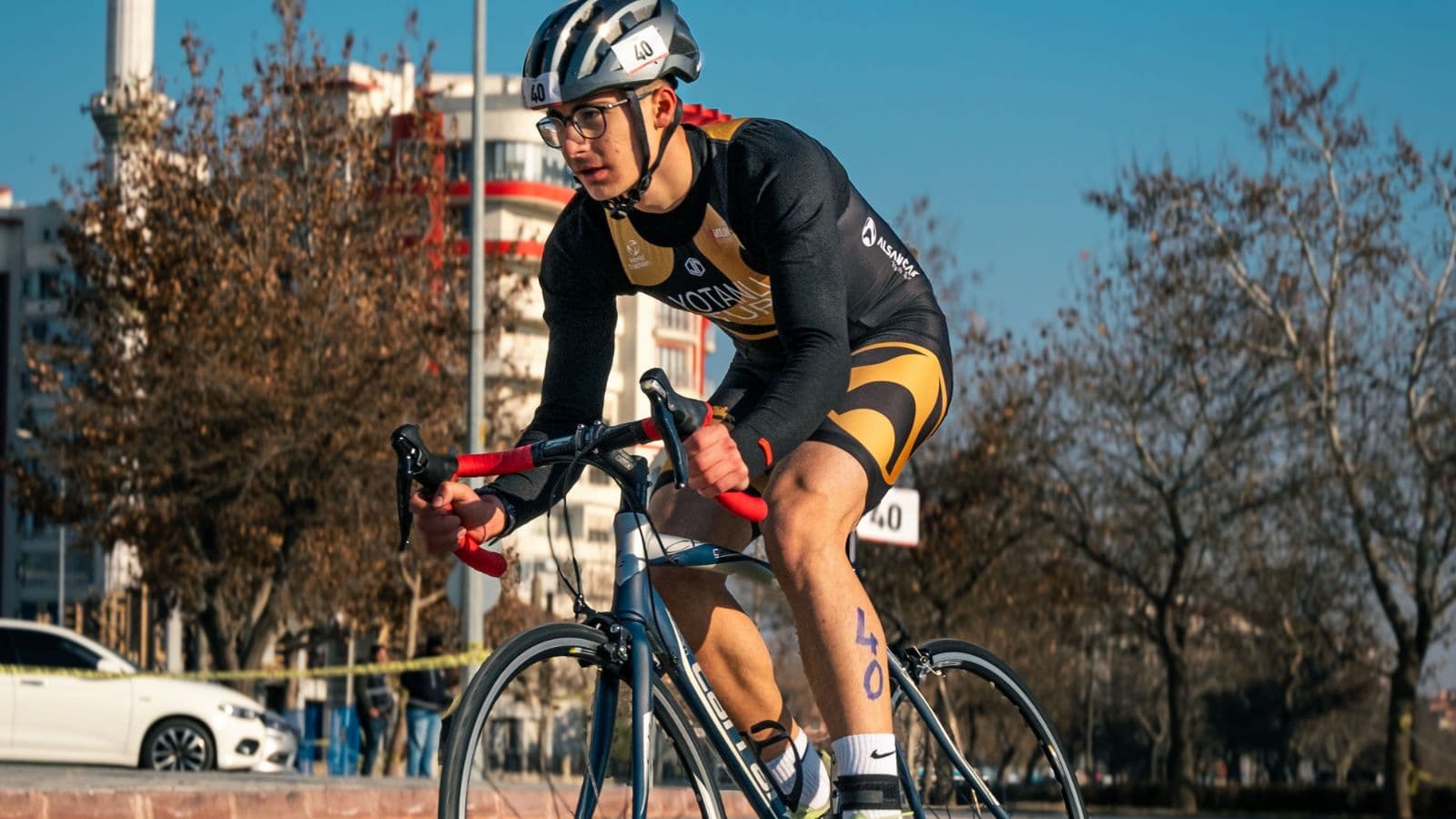


Triathletes can stay safe when cycling on public roads by following traffic rules, maintaining awareness of surrounding vehicles, and developing reliable bike handling skills. Choosing suitable routes, using visible equipment, and anticipating potential hazards can also reduce the risk of accidents during training. Unlike cycling on closed racecourses or indoor trainers, public road riding involves unpredictable traffic, changing road conditions, and other road users. Even experienced triathletes must remain alert when navigating intersections, roundabouts, parked vehicles, and narrow roads. Road cycling is valuable for developing endurance, confidence, and practical riding skills. However, training for speed or race performance should never take priority over personal safety or the safety of others. The goal is to develop habits that make road riding more predictable and controlled. With appropriate preparation, consistent awareness, and sensible training decisions, triathletes can build cycling fitness while managing the risks of riding alongside traffic.

In Short
- Follow local traffic laws and road signs.
- Wear a properly fitted cycling helmet.
- Use appropriate lights and visible clothing.
- Maintain a predictable position on the road.
- Stay alert around intersections and parked vehicles.
- Avoid distractions while cycling.
- Practice braking, cornering, and bike handling.
- Adjust riding behavior for weather and traffic.
- Choose safer routes whenever possible.
Understanding Road Safety in Triathlon Training
Public road cycling introduces risks that are not present during indoor training. Triathletes must share space with cars, buses, trucks, pedestrians, and other cyclists while maintaining control of their bikes.
Common hazards include:
- Vehicles passing too closely.
- Drivers turning across a cyclist’s path.
- Unexpected door openings.
- Potholes and uneven surfaces.
- Poor visibility.
- Wet or slippery roads.
- Sudden changes in traffic flow.
Understanding how can beginners improve their confidence on technical bike courses in a triathlon can help riders develop the control needed to respond to challenging situations. Safe road cycling begins with recognizing potential hazards before they become immediate problems.
Choose Safer Cycling Routes
Route selection is one of the most effective ways to reduce unnecessary exposure to traffic hazards. A quiet road with good visibility may be more suitable for training than a busy route with frequent intersections.
Consider:
- Traffic volume.
- Speed limits.
- Road width.
- Surface quality.
- Junction frequency.
- Available bike lanes.
- Lighting conditions.
- Known accident prone areas.
Avoid assuming that every road marked as a cycling route is equally safe.
Whenever possible, plan rides using familiar roads, designated cycling infrastructure, and routes appropriate for your experience.
Follow Traffic Rules and Ride Predictably
Triathletes should follow the traffic laws that apply to cyclists in their location. Predictable behavior makes it easier for drivers and other road users to anticipate your movements.
Important habits include:
- Obeying traffic signals.
- Following road signs.
- Using clear hand signals when safe.
- Checking behind before changing position.
- Avoiding sudden turns.
- Riding in the legally required direction.
- Giving way when required.
Do not assume that drivers have noticed you simply because you have the right of way. Maintain enough space and time to respond if another road user makes an unexpected movement.
Maintain a Safe Road Position
Road positioning influences visibility and the amount of space available to respond to hazards. Riding too close to the curb can expose cyclists to debris, drainage covers, and uneven surfaces.
A safer position generally allows:
- Room to avoid road hazards.
- Better visibility at intersections.
- Space away from parked car doors.
- More predictable movement.
- Appropriate separation from passing traffic.
The safest position depends on local traffic laws, road design, and surrounding conditions. Avoid weaving repeatedly between parked vehicles or moving unpredictably to the edge of the road.
Improve Bike Handling and Braking Skills
Good bike handling allows triathletes to respond more confidently when road conditions change.
Essential skills include:
- Controlled braking.
- Smooth cornering.
- Riding in a straight line.
- Looking over the shoulder.
- Maintaining balance at low speeds.
- Avoiding sudden steering movements.
- Responding to road surface changes.
Understanding what cycling drills help improve triathlon bike technique can help riders develop these skills in controlled environments. Practice on quiet roads or traffic free areas before attempting more demanding routes.
Stay Alert at Intersections and Roundabouts
Intersections are particularly important areas for cyclist awareness because vehicles may cross or turn into your path. Approach junctions at a speed that allows you to react safely.
Useful precautions include:
- Checking for turning vehicles.
- Watching vehicle indicators and movement.
- Avoiding blind spots.
- Making your intentions clear.
- Allowing extra space near large vehicles.
- Never assuming another road user will yield.
At roundabouts, follow local cycling rules and choose a position appropriate for the road layout. If a junction feels unsafe, stopping and using a safer crossing option may be preferable.
Increase Visibility to Other Road Users
Being visible helps drivers recognize cyclists earlier, particularly during poor lighting or changing weather.
Useful equipment includes:
- Front and rear bicycle lights.
- Reflective details.
- High visibility clothing.
- Clean reflectors.
- Bright or contrasting accessories.
Lights should be positioned correctly and comply with local regulations. Visibility equipment can help, but it cannot guarantee that drivers will notice you. Continue riding defensively even when using lights and reflective clothing.
Maintain Your Bike Before Every Ride
Mechanical problems can become serious safety hazards when cycling near traffic. Regular checks help identify potential issues before leaving home.
Important checks include:
- Tire pressure and condition.
- Brake function.
- Wheel security.
- Chain condition.
- Handlebar and saddle security.
- Lights and batteries.
- Loose accessories.
Understanding what you should check on your bike before every ride can help triathletes establish a consistent inspection routine.
Do not begin a road ride if the bike has a known safety related mechanical problem.
Adjust Riding in Wind and Rain
Weather conditions can affect bike stability, braking, visibility, and road grip. Strong crosswinds may push cyclists sideways, particularly when riding bikes with deep section wheels. Wet roads can reduce traction and increase stopping distances.
Useful adjustments include:
- Reducing speed.
- Braking earlier and more gently.
- Increasing following distances.
- Avoiding abrupt steering.
- Taking extra care on painted markings.
- Allowing more space in crosswinds.
- Avoiding exposed routes during severe weather.
Understanding how to ride in headwinds and crosswinds on a bike can help riders manage changing wind conditions. When visibility or road conditions become dangerous, postponing an outdoor session is a sensible decision.
Use Aero Bars Only When Appropriate
Triathlon bikes and clip on aero bars can improve aerodynamic efficiency, but they require additional attention on public roads. When riding in the aero position, immediate access to the brakes may be limited, depending on the bike setup.
Avoid using aero bars:
- In heavy traffic.
- Near busy intersections.
- On technical descents.
- Around pedestrians.
- During close group riding.
- When frequent braking is necessary.
Understanding how to become a more efficient cyclist can help triathletes develop performance without relying entirely on aerodynamic positioning. Use the normal handlebar controls whenever traffic or road conditions require greater control.
Ride Safely With Other Cyclists
Group rides can help triathletes develop confidence and experience, but they also introduce additional responsibilities. Cyclists must communicate clearly and avoid unpredictable movements.
Good group riding habits include:
- Maintaining appropriate spacing.
- Signaling hazards.
- Avoiding sudden braking.
- Holding a predictable line.
- Following traffic regulations.
- Avoiding overlapping wheels.
- Respecting other road users.
Understanding can group rides make you a better triathlon cyclist can help riders recognize the training benefits of riding with others.
Beginners should start with smaller, well organized groups before joining faster rides.
Avoid Distractions While Cycling
Road cycling requires continuous attention. Looking at a bike computer, adjusting equipment, or using a phone can reduce awareness of surrounding traffic.
Reduce distractions by:
- Setting up navigation before riding.
- Keeping both hands ready to control the bike.
- Avoiding phone use while moving.
- Limiting unnecessary screen checks.
- Keeping audio low enough to hear traffic, where permitted.
- Stopping safely before adjusting equipment.
Training data should never become more important than awareness of road conditions.
Know When to Use Indoor Training Instead
Outdoor riding is useful for developing handling skills, but not every cycling workout needs to take place on public roads. Indoor training can be a practical alternative when traffic, weather, or daylight creates unnecessary risk.
It may be particularly useful for:
- High intensity intervals.
- Structured power workouts.
- Sessions during darkness.
- Training in severe weather.
- Workouts requiring frequent screen monitoring.
Understanding indoor vs outdoor cycling training in a triathlon can help athletes balance road experience with controlled training sessions. Indoor cycling cannot replace every practical handling skill, but it can reduce exposure to traffic during certain workouts.
Prepare for Emergencies
Even careful cyclists should prepare for unexpected problems. Carry essential items appropriate for the route and ride duration.
Useful equipment includes:
- A charged phone.
- Emergency contact information.
- Identification.
- Basic puncture repair tools.
- A spare tube or suitable repair kit.
- Water and appropriate nutrition.
- A small amount of emergency money.
Consider sharing your planned route with someone before longer rides.
If an accident occurs, prioritize personal safety, move away from traffic when possible, and contact emergency services when necessary.
Common Mistakes
- Riding too close to parked vehicles.
- Assuming drivers have seen you.
- Using aero bars in busy traffic.
- Ignoring traffic signals.
- Riding without suitable lights.
- Checking training data too frequently.
- Descending too quickly for conditions.
- Neglecting mechanical checks.
- Choosing unsafe routes for demanding workouts.
Practical Tips
- Plan routes before leaving home.
- Wear a properly fitted helmet.
- Use appropriate lights.
- Maintain a predictable road position.
- Practice braking and cornering.
- Stay outside vehicle blind spots.
- Reduce speed near intersections.
- Keep your bike properly maintained.
- Choose indoor training when conditions are unsafe.
Actionable Takeaways
- Make road safety a priority during every ride.
- Choose routes that match your experience.
- Stay visible, predictable, and alert.
- Practice essential bike handling skills.
- Never sacrifice safety to complete a workout.